🔍 TL;DR (3-Sentence Summary)
- Mycotoxins—dangerous compounds produced by mold—can infiltrate our bodies through contaminated food and indoor environments, leading to chronic inflammation and illness.
- Emerging research connects mycotoxin exposure with brain fog, fatigue, hormone disruption, immune dysfunction, and even depression.
- Identifying sources of exposure and supporting detoxification and resilience are key to preventing long-term damage.
🎙️ Moderator (Naomi Wells, Environmental Health Educator):
Welcome to Toxic Truths, a deep-dive conversation series exploring hidden environmental risks. Today we’re discussing mycotoxins — a stealthy threat found in everything from your pantry to your air ducts.
Joining me are two experts:
- Dr. Ellis Reeve, functional medicine doctor specializing in mold-related illness
- Dr. Nadia Huang, environmental toxicologist and microbiome researcher
🌫️ Topic 1: What Are Mycotoxins and Where Do They Come From?
Naomi: Dr. Reeve, let’s start with the basics — what exactly are mycotoxins?
Dr. Reeve:
Mycotoxins are toxic secondary metabolites produced by certain molds, such as Aspergillus, Fusarium, and Penicillium. They’re most commonly found in damp indoor environments and in contaminated foods like grains, nuts, coffee, spices, and dried fruits.
Dr. Huang:
And they don’t just sit around. Mycotoxins can become airborne or be ingested, where they interfere with your immune system, mitochondria, and detox pathways. Unlike mold spores, they’re invisible, odorless, and extremely resilient.
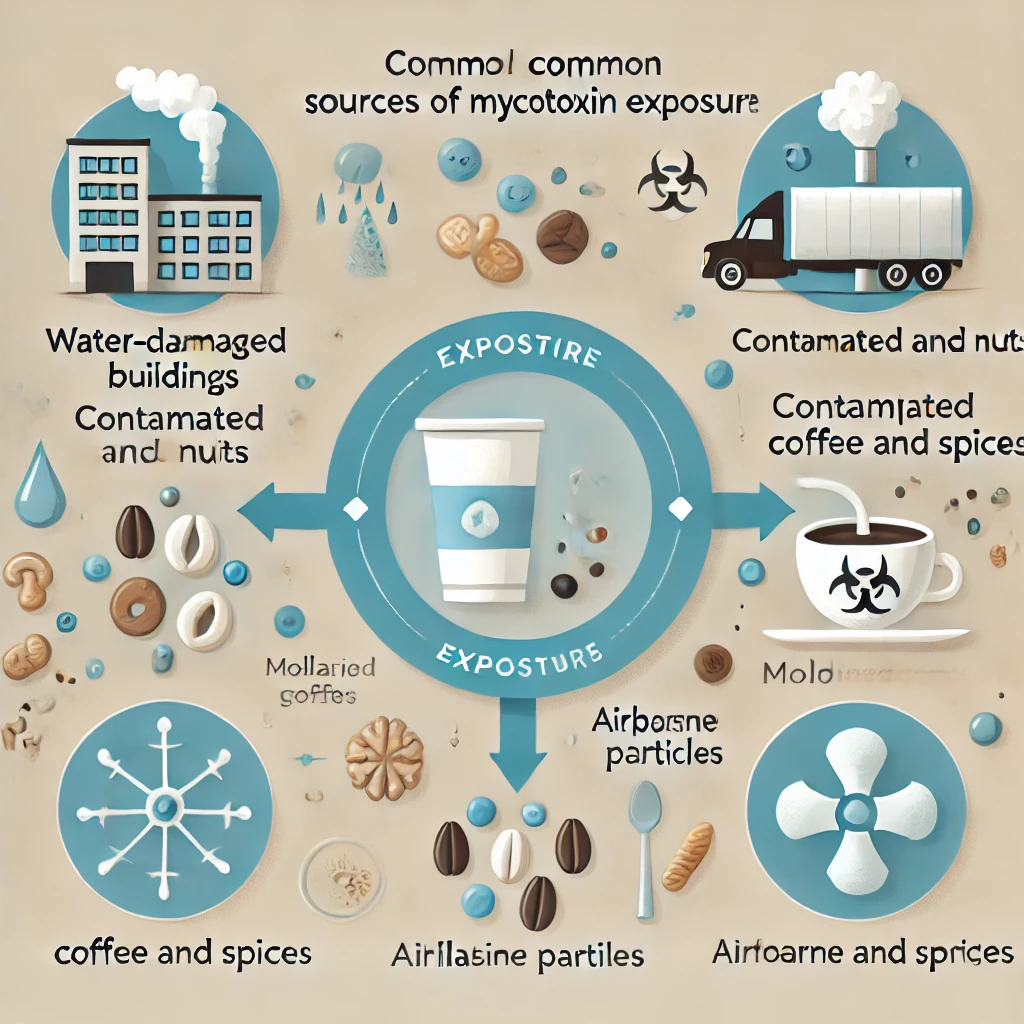
Alt text: "Educational diagram illustrating common sources of mycotoxin exposure including water-damaged buildings, contaminated grains and nuts, moldy coffee and spices, and airborne mycotoxin particles. Includes clear icons and arrows showing exposure pathways. Designed for public awareness and health education."
🧠 Topic 2: How Mycotoxins Affect the Body
Naomi: What makes them so dangerous?
Dr. Reeve:
They act like silent saboteurs — disrupting your neuroimmune system, altering hormone balance, and promoting low-grade inflammation. Many people suffer from symptoms for years before realizing mycotoxins are the cause.
Dr. Huang:
Mycotoxins can cross the blood-brain barrier and disrupt neurotransmitter balance. This leads to symptoms like brain fog, anxiety, poor sleep, and memory issues — often mistaken for burnout or depression.
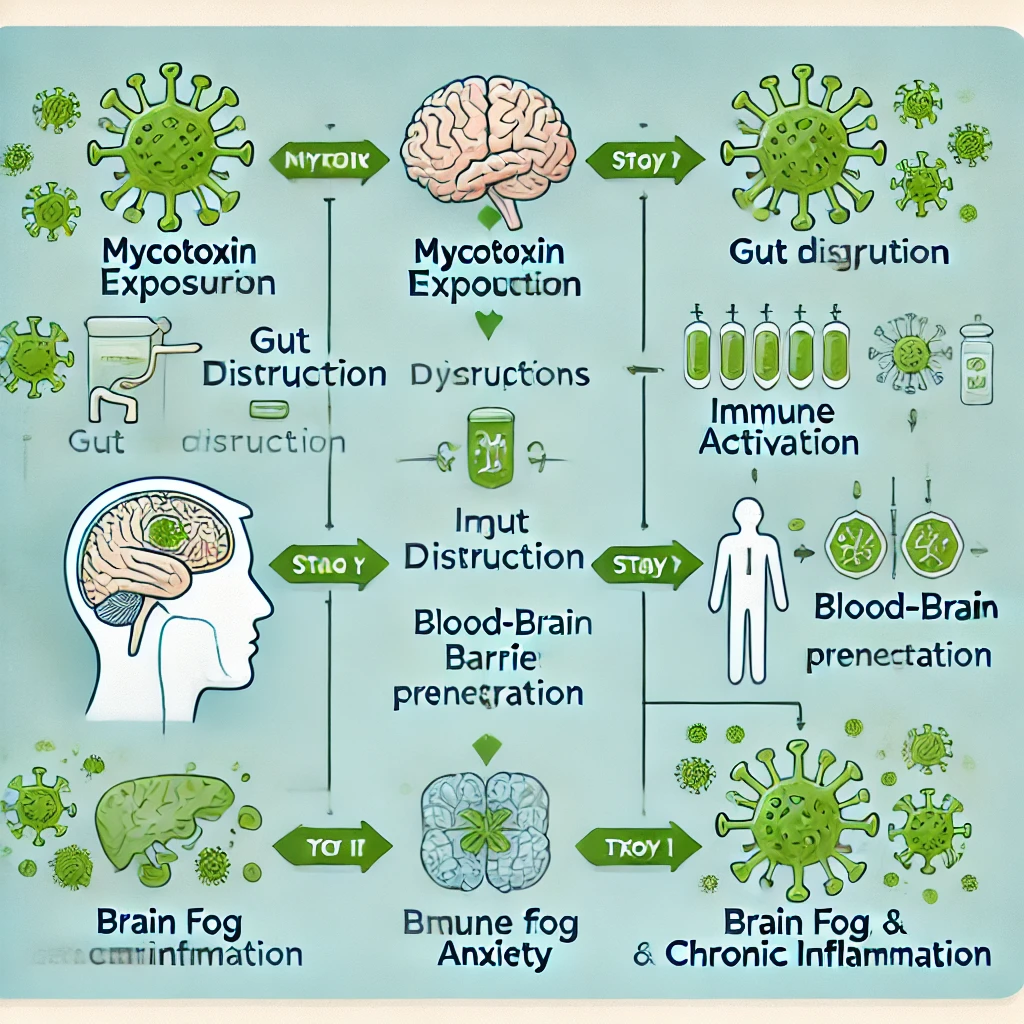
Alt text: "Flowchart-style infographic showing the progression from mycotoxin exposure to gut disruption, immune activation, blood-brain barrier penetration, and resulting symptoms like brain fog, anxiety, and chronic inflammation. Designed for educational health content."
🔄 Topic 3: Who’s Most at Risk?
Naomi: Are some people more vulnerable?
Dr. Huang:
Yes. People with genetic detox pathway impairments (like MTHFR mutations), weakened immune systems, or chronic stress are more susceptible. Also, children are at greater risk due to their developing organs and smaller body mass.
Dr. Reeve:
And don’t forget those living in water-damaged homes — a major risk factor. If you've had leaks, flooding, or mold remediation, you may be unknowingly exposed.
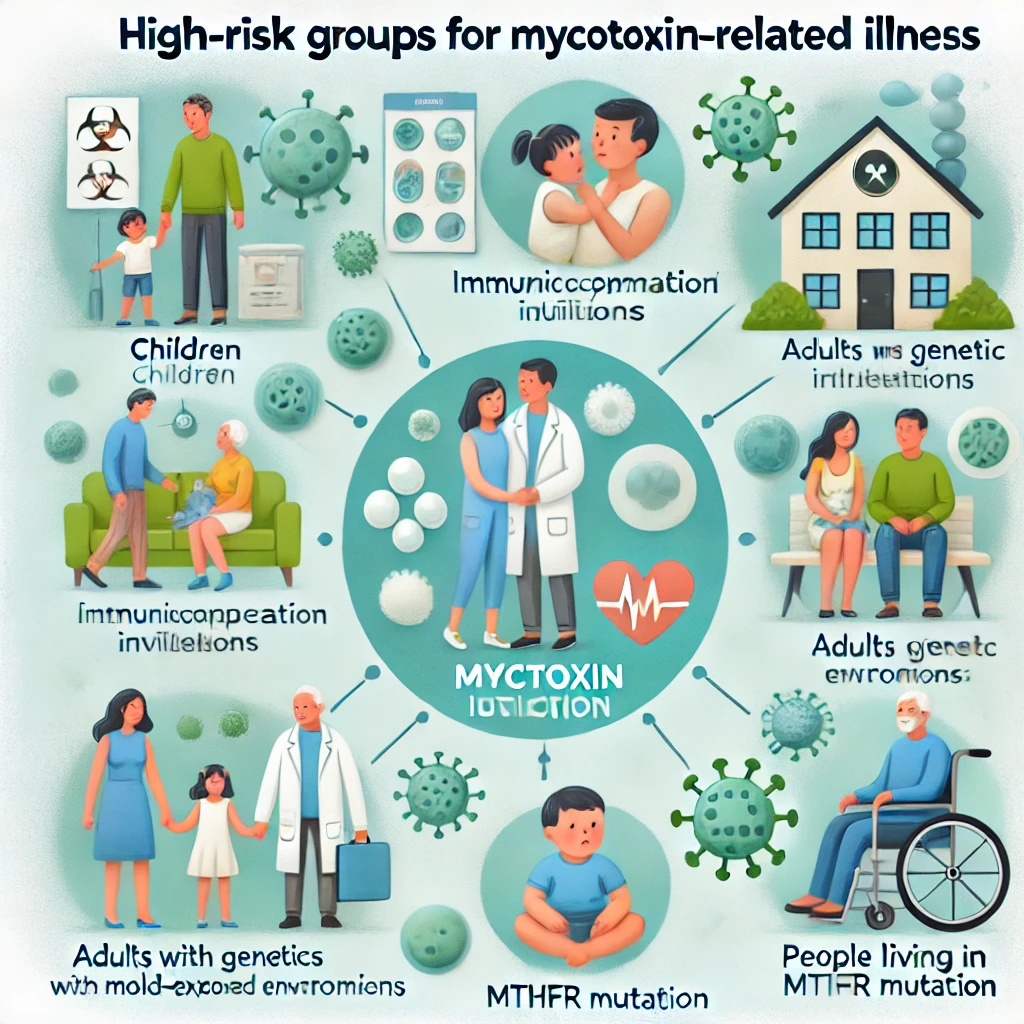
Alt text: "Illustration highlighting high-risk groups: children, immune-compromised individuals, genetically predisposed adults, and those living in moldy environments."
🧬 Topic 4: Mycotoxins and the Gut-Brain-Immune Axis
Naomi: Let’s talk about systems — how do mycotoxins affect the body as a whole?
Dr. Huang:
Great question. Mycotoxins impact the gut lining, increase intestinal permeability, and trigger an inflammatory cascade. This in turn affects the vagus nerve, adrenal glands, and even thyroid function.
Dr. Reeve:
It’s a full-body event. We see everything from IBS, histamine intolerance, migraines, panic attacks, to autoimmune flares — all connected to chronic mycotoxin exposure.
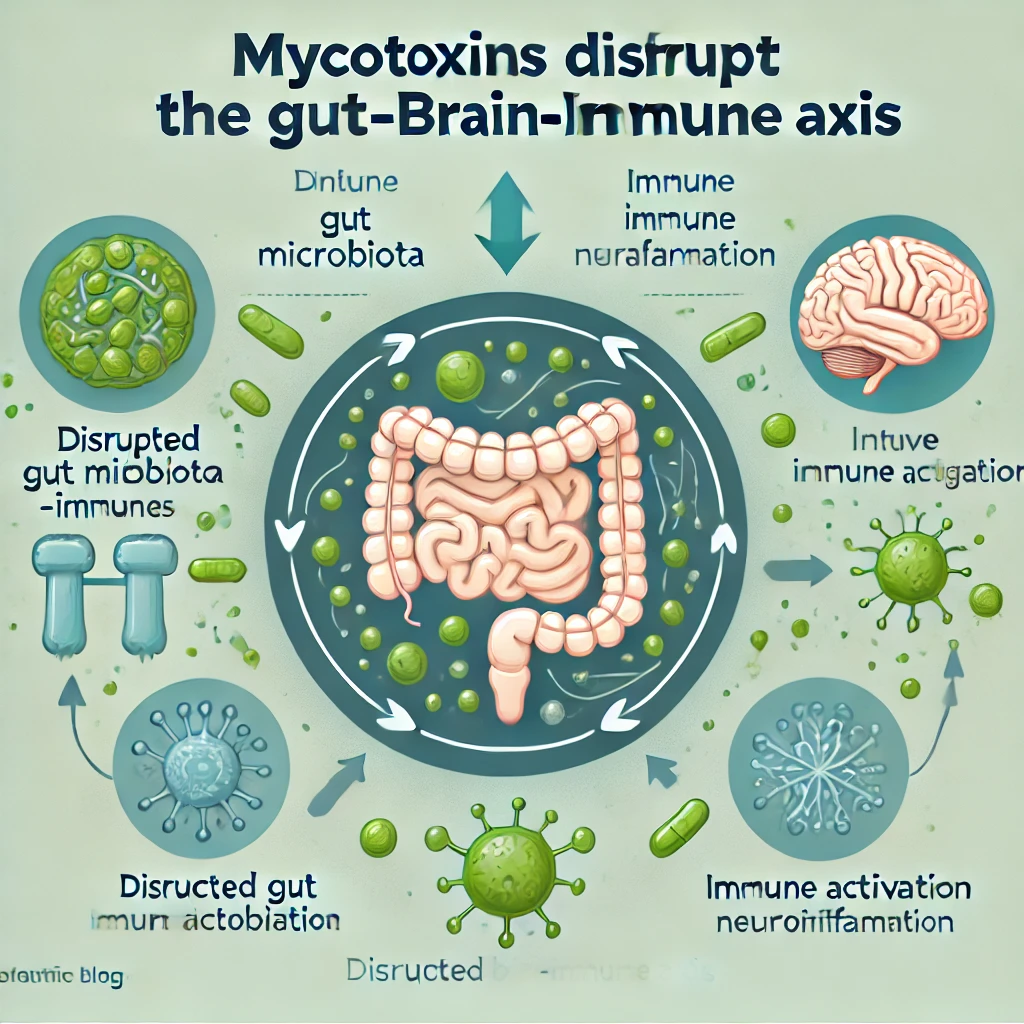
Alt text: "Educational scientific diagram showing how mycotoxins disrupt the gut-brain-immune axis. Includes arrows linking altered gut microbiota, increased immune response, and neuroinflammation, with icons representing the digestive tract, brain, and immune cells. Designed to explain systemic effects of mold toxins."
🛡️ Topic 5: What Can You Do?
Naomi: So how can people protect themselves?
Dr. Reeve:
Step one is awareness. Test your home for hidden mold and consider mycotoxin testing if you have unexplained chronic symptoms.
Dr. Huang:
Then support detox pathways: binders like activated charcoal, glutathione support, clean air systems, and anti-inflammatory nutrition. Sleep, movement, and reducing stress are also key to healing.
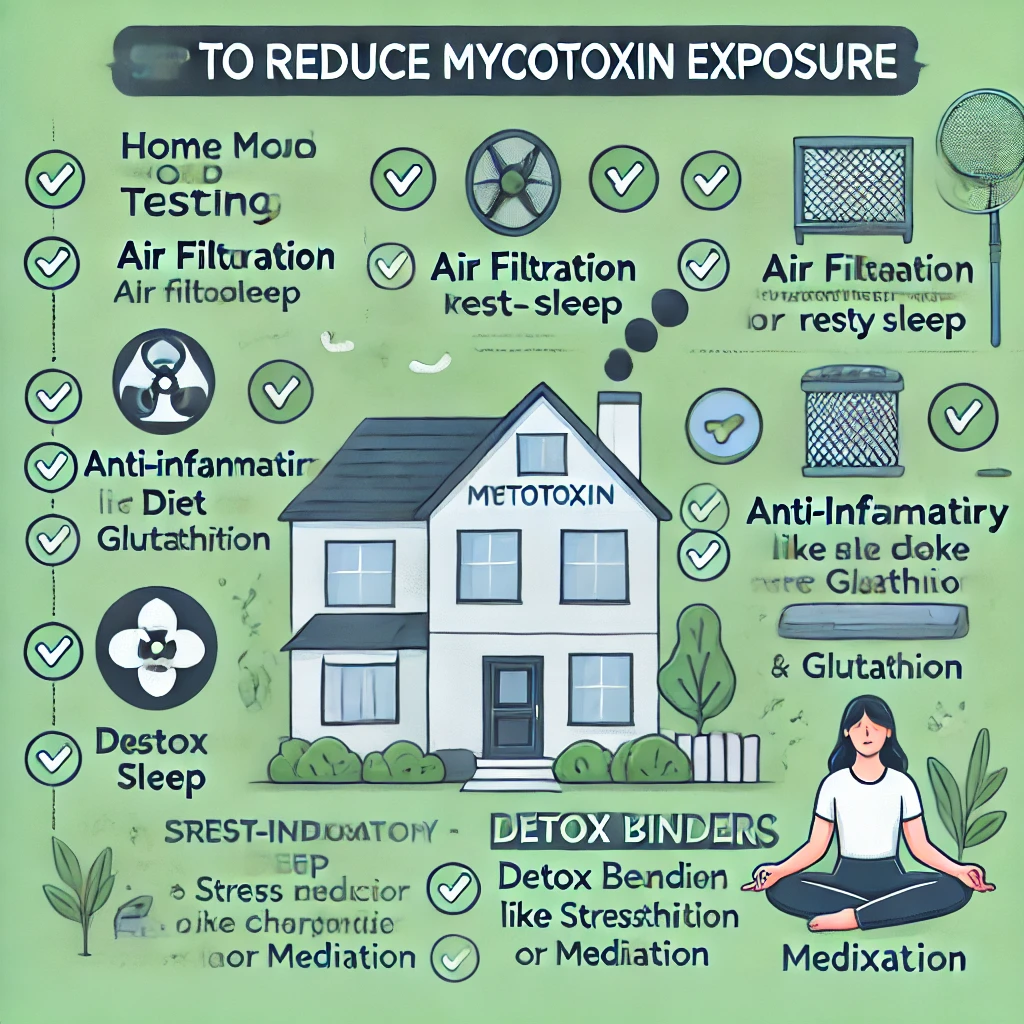
Alt text: "Checklist-style infographic illustrating practical steps to reduce mycotoxin exposure and support detoxification. Includes icons for home mold testing, air filtration, anti-inflammatory diet, restful sleep, detox binders, and stress reduction techniques. Designed for an environmental health and wellness blog."
❓ FAQ: Mycotoxins and Chronic Illness
☁️ Q1: Can mold in my home make me sick even if I can’t see it?
A: Yes. Mycotoxins are often invisible and odorless. Even low-level exposure in air can trigger symptoms in sensitive individuals.
🧃 Q2: Are certain foods riskier than others?
A: Yes. Watch for coffee, nuts, grains, and dried spices — especially if improperly stored. Organic doesn’t guarantee mold-free.
🧠 Q3: What’s the difference between a mold allergy and mycotoxin illness?
A: A mold allergy causes immediate symptoms like sneezing or rashes. Mycotoxin illness is systemic and long-term, often affecting energy, mood, hormones, and immune function.
🔬 Q4: Can I test for mycotoxins in my body?
A: Yes. Several specialty labs offer urine-based mycotoxin tests. But interpretation should be guided by a trained practitioner.
💊 Q5: Can supplements help?
A: Targeted supplements like binders, antioxidants, and liver support can help detox mycotoxins — but only when combined with lifestyle and environmental changes.
💬 Have you or someone you know dealt with mold-related illness or unexplained symptoms? Share your story — your experience could help raise awareness.


