TL;DR (3-Line Summary)
Environmental chemicals, especially endocrine-disrupting chemicals (EDCs), interfere with hormone signaling and contribute to chronic health issues like infertility, obesity, and thyroid dysfunction. Everyday exposures—from plastics to personal care products—are often overlooked. Learning how to identify, avoid, and detox from these chemicals is essential for long-term health.
👩⚕️ Expert Dialogue: Dr. Erin (Endocrinologist) vs. Dr. Lewis (Environmental Toxicologist)
Dr. Erin: Let's start with the basics. Hormones regulate virtually every biological process—metabolism, mood, reproduction, sleep, and more. What many don’t realize is that external chemicals can mimic or block these natural signals.
Dr. Lewis: Exactly. They're called endocrine-disrupting chemicals, or EDCs. They're found in plastics, pesticides, flame retardants, cosmetics—you name it. And even low doses can cause problems over time.
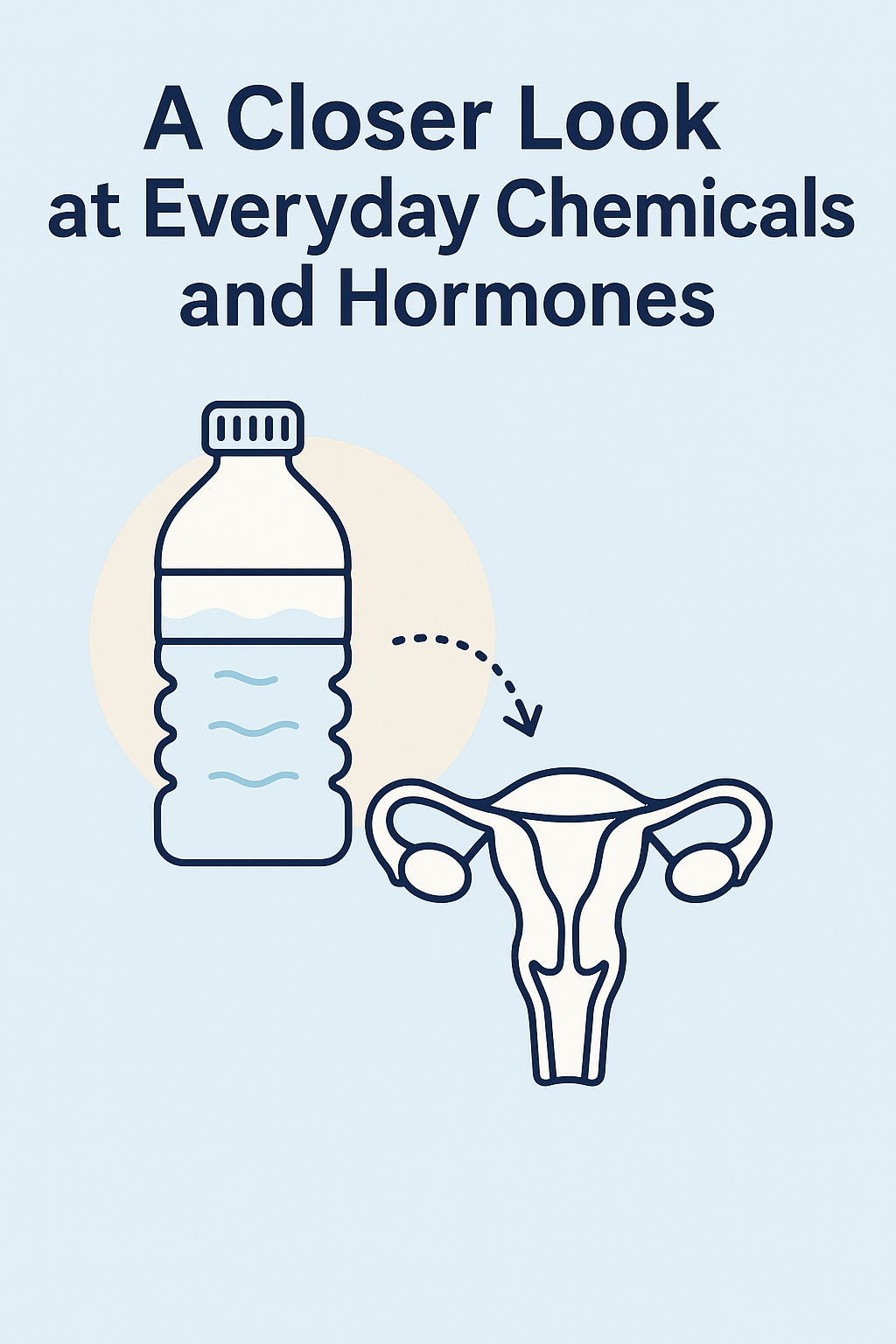
Dr. Erin: There’s growing evidence that EDCs like BPA and phthalates are contributing to the rise in hormone-related conditions. We're seeing earlier puberty, infertility, PCOS, thyroid disorders, and even hormone-driven cancers.
Dr. Lewis: And the scary part is that these compounds are everywhere. You don't need to work in a chemical plant to be exposed. They're in receipts, takeout containers, shampoo bottles, and even baby toys.
Dr. Erin: We’re essentially conducting a long-term uncontrolled experiment on ourselves. And while regulatory bodies move slowly, individuals can act now to reduce their exposure.
Dr. Lewis: Education is power. If people understand the mechanisms and sources of these chemicals, they can make safer choices every day.

💄 Is Your Routine Increasing Your Hormone Risk?
🔬 What Are EDCs and How Do They Work?

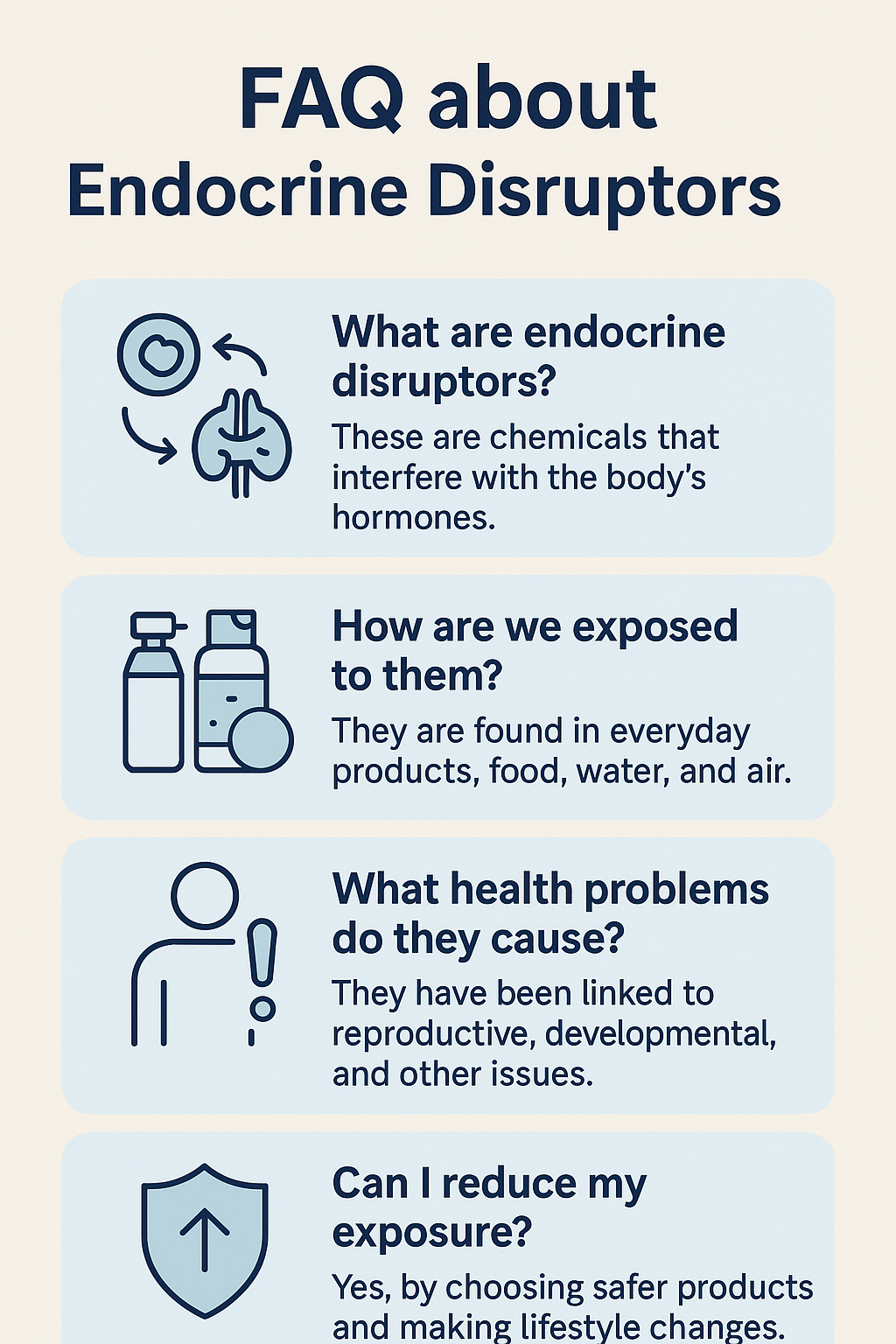
Endocrine-Disrupting Chemicals (EDCs) are substances that interfere with the endocrine system—the body’s chemical messenger system. EDCs can:
- Mimic natural hormones like estrogen or testosterone
- Block hormone receptors
- Interfere with hormone synthesis, transport, or metabolism
Common EDCs include:
- Bisphenol A (BPA) – used in plastics and epoxy resins
- Phthalates – found in fragrances, plastics, and cosmetics
- Parabens – used as preservatives in skincare
- Perfluoroalkyl substances (PFAS) – non-stick cookware and waterproof clothing
- Dioxins & PCBs – byproducts of industrial processes
🧪 Scientific Evidence: What Research Shows
- Harvard T.H. Chan School of Public Health found BPA exposure linked to increased risk of infertility and miscarriage.
- NIH studies show phthalates disrupt testosterone and lower sperm count.
- European Food Safety Authority (EFSA) lowered the safe daily intake of BPA by 20,000 times in 2023 due to mounting evidence.
- Endocrine Society reports connect EDCs with breast and prostate cancer risk.
🧍 Real-Life Case: The Infertility Puzzle
Case: Anna, 34, was diagnosed with unexplained infertility. Despite normal hormone levels, she struggled with conception for years. After visiting an integrative medicine clinic, she learned about EDCs.
Intervention: Anna switched to glass containers, ditched fragrance products, and adopted a low-toxin lifestyle. Within 6 months of detox, her hormonal profile improved, and she conceived naturally.

🧼 How to Reduce EDC Exposure: Practical Guide
- Avoid plastics marked #3, #6, or #7 – They’re more likely to leach EDCs.
- Never microwave food in plastic containers.
- Choose “fragrance-free” products.
- Switch to clean beauty – Look for EWG-certified products.
- Use HEPA filters at home – Reduces indoor pollutants.
- Read ingredient labels – Avoid parabens, phthalates, triclosan.
- Buy organic produce – Limits pesticide exposure.
❓ FAQ (Frequently Asked Questions)
1. Can small amounts of EDCs really harm my health? Yes. EDCs act in parts-per-trillion and can mimic hormones at incredibly low doses. Chronic low-dose exposure is a major concern, especially during critical windows like pregnancy or puberty.
2. Is bottled water safe? It depends. Some plastic bottles leach BPA or similar compounds. Glass or stainless steel bottles are safer long-term alternatives.
3. What are the symptoms of hormone disruption? Common symptoms include fatigue, weight gain, mood swings, irregular periods, reduced libido, sleep issues, and infertility. However, symptoms vary by the hormone affected.
4. Are men at risk too? Absolutely. EDCs are linked to decreased testosterone, erectile dysfunction, lower sperm count, and prostate issues.
5. Can I test my EDC exposure? Some functional medicine labs offer urine or blood tests for BPA, phthalates, and other toxins. However, reducing known exposures is often the first step.
6. Is detoxing from EDCs possible? Yes—primarily through avoidance, hydration, fiber-rich foods, sweating (sauna/exercise), and liver-supporting nutrients like glutathione and cruciferous vegetables.
✅ Conclusion
Hormone health is foundational to wellness, yet modern life exposes us to countless hidden chemical disruptors every day. While regulation may lag behind, personal action doesn’t have to. By becoming aware of endocrine-disrupting chemicals and taking simple, practical steps, you can reclaim control of your internal balance—and possibly prevent chronic illness down the line.
💬 What Do You Think?
Have you tried switching to a low-toxin lifestyle? Noticed changes? Share your experience in the comments—let’s learn from each other.


