TL;DR (3-Line Summary)
Household cleaners may look harmless, but many contain volatile organic compounds (VOCs), synthetic fragrances, and antimicrobial agents that can disrupt your gut microbiome and brain chemistry. These chemicals are linked to mood disorders, inflammation, and neurological issues. Switching to non-toxic cleaning routines may be a vital move for your cognitive and digestive health.
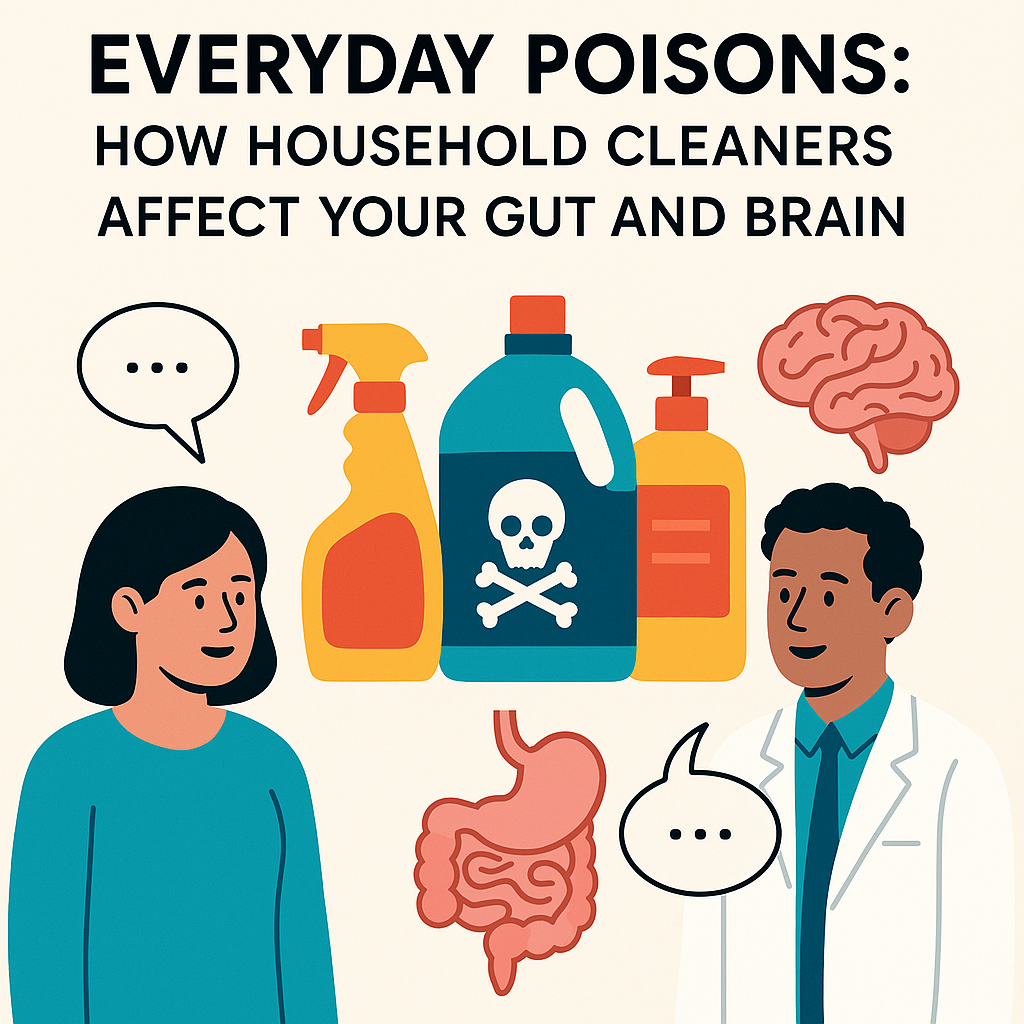
🧠 Expert Dialogue: Dr. Maya (Neurobiologist) & Dr. Keith (Toxicologist)
Dr. Maya: It might surprise people, but the connection between household cleaning products and mental health is growing stronger in research.
Dr. Keith: Definitely. A lot of these products release VOCs that, when inhaled, can pass through the olfactory nerve directly into the brain—bypassing the blood-brain barrier.
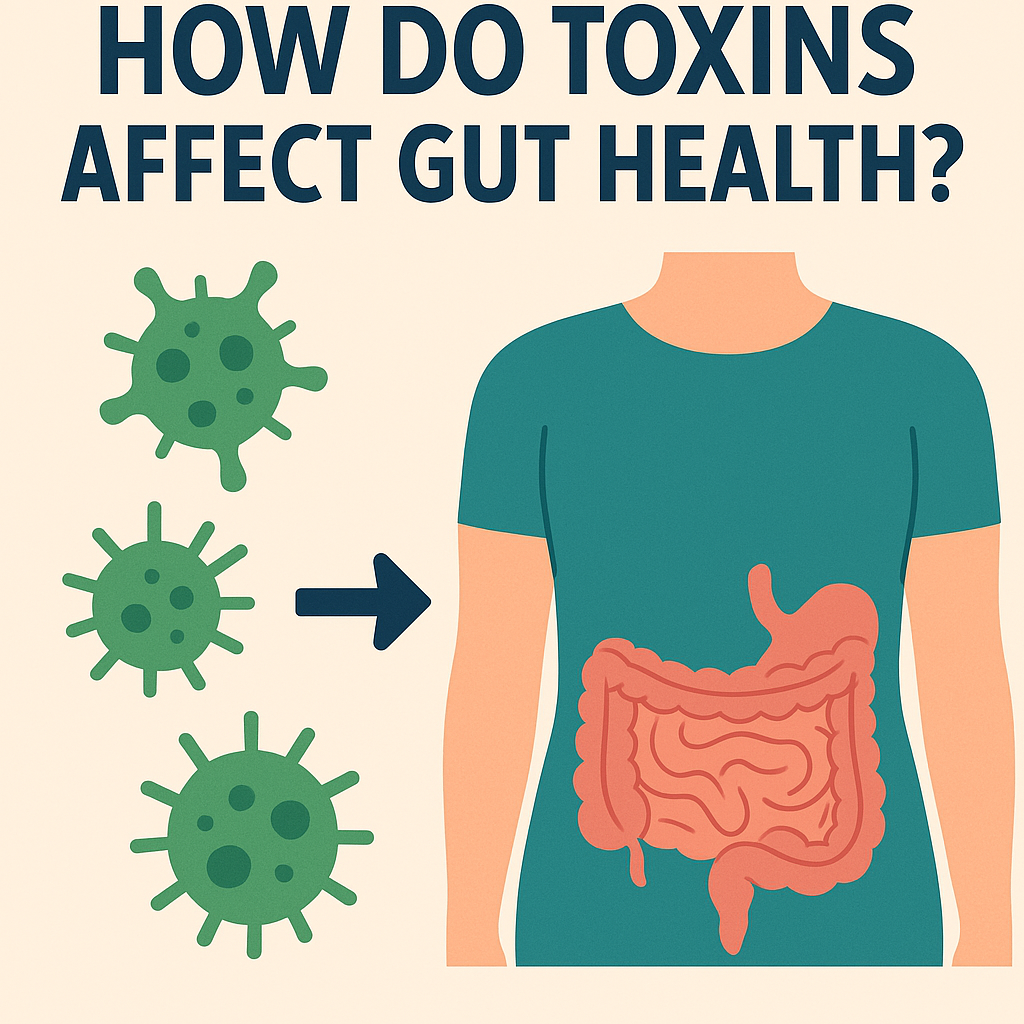
Dr. Maya: And the gut-brain axis adds another layer. Several studies now link antimicrobial agents like triclosan to dysbiosis—imbalanced gut flora, which can then affect mood and cognition.
Dr. Keith: Let’s not forget synthetic fragrances. They're proprietary blends with dozens or hundreds of unlisted chemicals. Phthalates, often used to prolong fragrance, are known endocrine disruptors.
Dr. Maya: What's alarming is that regular exposure—even from daily surface sprays—can cumulatively affect the microbiome and neurotransmitter production.
Dr. Keith: People clean to feel healthy and safe. But ironically, they may be introducing chronic health stressors into their homes.
🧪 The Science: What’s Inside Your Cleaner?
Common ingredients in household cleaning products that raise health concerns:
- Volatile Organic Compounds (VOCs) – include formaldehyde, benzene, toluene; evaporate into indoor air.
- Triclosan and Quats – antimicrobial agents that damage gut microbiota.
- Phthalates – found in air fresheners and scented cleaners, linked to hormonal changes.
- Ammonia & Chlorine Bleach – respiratory irritants that may damage epithelial cells and affect neurological signaling.
- Fragrance (parfum) – unregulated chemical cocktails that include allergens and sensitizers.
Studies have shown:
- Increased depression and anxiety risk in those exposed to household sprays more than once per week (American Journal of Respiratory and Critical Care Medicine).
- Triclosan can disrupt bacterial communication (quorum sensing) in the gut, leading to inflammation (Nature Microbiology).
- Children in homes with high indoor cleaner use have higher risks of neurodevelopmental delays (Environmental Health Perspectives).

🧍 Real-Life Case Study: From Fog to Focus
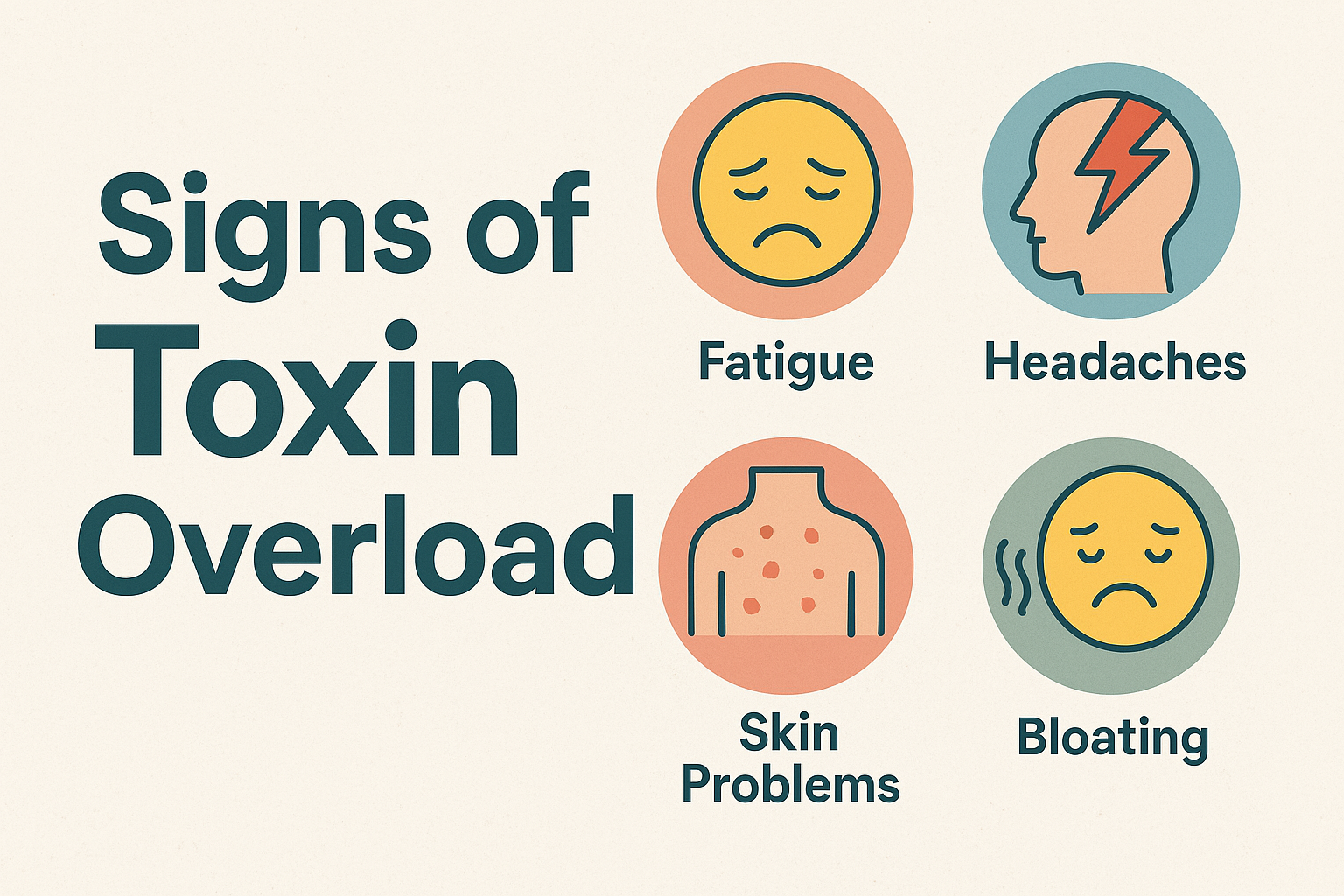
Case: Tom, a 42-year-old accountant, had persistent brain fog, sinus irritation, and gut discomfort. He never suspected his cleaning habits.
Intervention: After attending a wellness seminar, Tom replaced all synthetic cleaners with enzyme-based, unscented alternatives. Within two months, his cognitive clarity improved, and gut symptoms eased.
Takeaway: The air we breathe and the residues we leave on our hands and surfaces may silently shape our cognitive and gut health.
🧼 Is Your Cleaning Routine Impacting Your Health?
🧼 How to Detox Your Cleaning Routine
- Read Labels Carefully – Avoid products listing “fragrance,” “antibacterial,” or “bleach.”
- Switch to Natural Alternatives – Use baking soda, vinegar, lemon, castile soap.
- Use HEPA-filtered vacuums – Reduces chemical and allergen load.
- Ventilate Well – Keep windows open during and after cleaning.
- Wear Gloves – Reduces dermal absorption of residues.
- Try DIY Cleaners – Simple blends of vinegar + essential oils can be surprisingly effective.
❓ FAQ (Frequently Asked Questions)
1. Can cleaning sprays really affect brain health? Yes. VOCs can enter the brain via inhalation and have been linked to inflammation, neurotransmitter disruption, and even behavioral changes in both animals and humans.
2. What about antibacterial sprays—aren’t they helpful? In some cases (e.g., hospitals), yes. But daily home use often causes more harm than good by disturbing beneficial microbes—especially those critical to gut and immune health.
3. Are “green” cleaning products always safe? Not necessarily. Some “eco-friendly” products still contain allergens or untested essential oils. Look for third-party certifications like EWG Verified.
4. I like the smell of clean—do I have to give up scent entirely? You can use natural essential oils like lavender, eucalyptus, or citrus in moderation. Avoid synthetic air fresheners or plug-ins.
5. Can I detox from past exposure? Partially. Reducing ongoing exposure, eating antioxidant-rich foods, supporting gut health, and sweating through regular exercise or sauna can help.
6. How do I explain this to my family who think I’m overreacting? Focus on sharing credible research and your own results. Offer simple swaps rather than asking for drastic changes right away.
✅ Conclusion
Clean doesn’t have to mean chemically loaded. In fact, many modern cleaning habits are more about marketing than true hygiene. Protecting your brain and gut health starts with reducing your toxic load—right at home. Small, consistent changes in your cleaning routine can yield big long-term results.
💬 What’s Your Cleaning Story?
Have you switched to a low-toxin cleaning routine? What changes did you notice? Share your experience—we're building awareness together.


