🌐 TL;DR (3-Line Summary)
- OTC (over-the-counter) drugs are convenient but carry hidden risks when misused.
- This 8-part investigative series explores the science, safety, and strategy behind everyday medicines you take without a prescription.
- We expose myths, provide interactive symptom tools, and guide you to smarter, safer self-medication.
🔢 Introduction: Welcome to the World of Silent Self-Medication
In the modern wellness age, we obsess over clean eating, biohacks, and digital detoxes. Yet millions of us casually swallow a Tylenol, pop a Benadryl, or sip a NyQuil without a second thought. Over-the-counter (OTC) drugs have become the invisible safety net for everyday ailments—headaches, heartburn, insomnia, cramps, allergies. They promise fast relief. They sit right on your shelf. No doctor required.
But here’s the truth:
OTC drugs are not harmless.
They come with dosing limits, side effects, interaction risks, and long-term consequences. And too often, we use them incorrectly. Not maliciously. Just habitually—out of convenience, marketing influence, or cultural norms.
This series is here to change that.
💼 Why This Series Matters (Now More Than Ever)
- 1 in 5 people unknowingly exceed the safe dose of OTC medication every year.
- Acetaminophen overdose is the #1 cause of acute liver failure in the U.S.
- Antihistamines impair cognitive function and increase dementia risk in seniors.
- NSAIDs are linked to GI bleeding, kidney stress, and cardiovascular issues.
And yet, these are the most frequently purchased products in every pharmacy.
OTC drugs can be life-enhancing when used correctly. They can also quietly undermine your health. This series helps you spot the difference.
📖 What You’ll Learn (Across 8 Deep-Dive Chapters)
This series blends:
- Expert pharmacist and physician dialogue
- Case-based examples
- Scientific citations
- Custom-built interactive diagnostic questionnaires
- Safe product recommendation guidance
- Myths debunked, label reading tips, and smart stacking strategies
Each part will focus on a common but misunderstood OTC category. You’ll leave each post not just informed, but empowered to use these products wisely—or not at all.
📅 The Series Breakdown
Part 1: What Are OTC Drugs—and Are They Really Safe?
Explore how OTCs are classified, approved, and used. Discover the unseen risks of popular brands, and learn to audit your medicine cabinet like a pro.
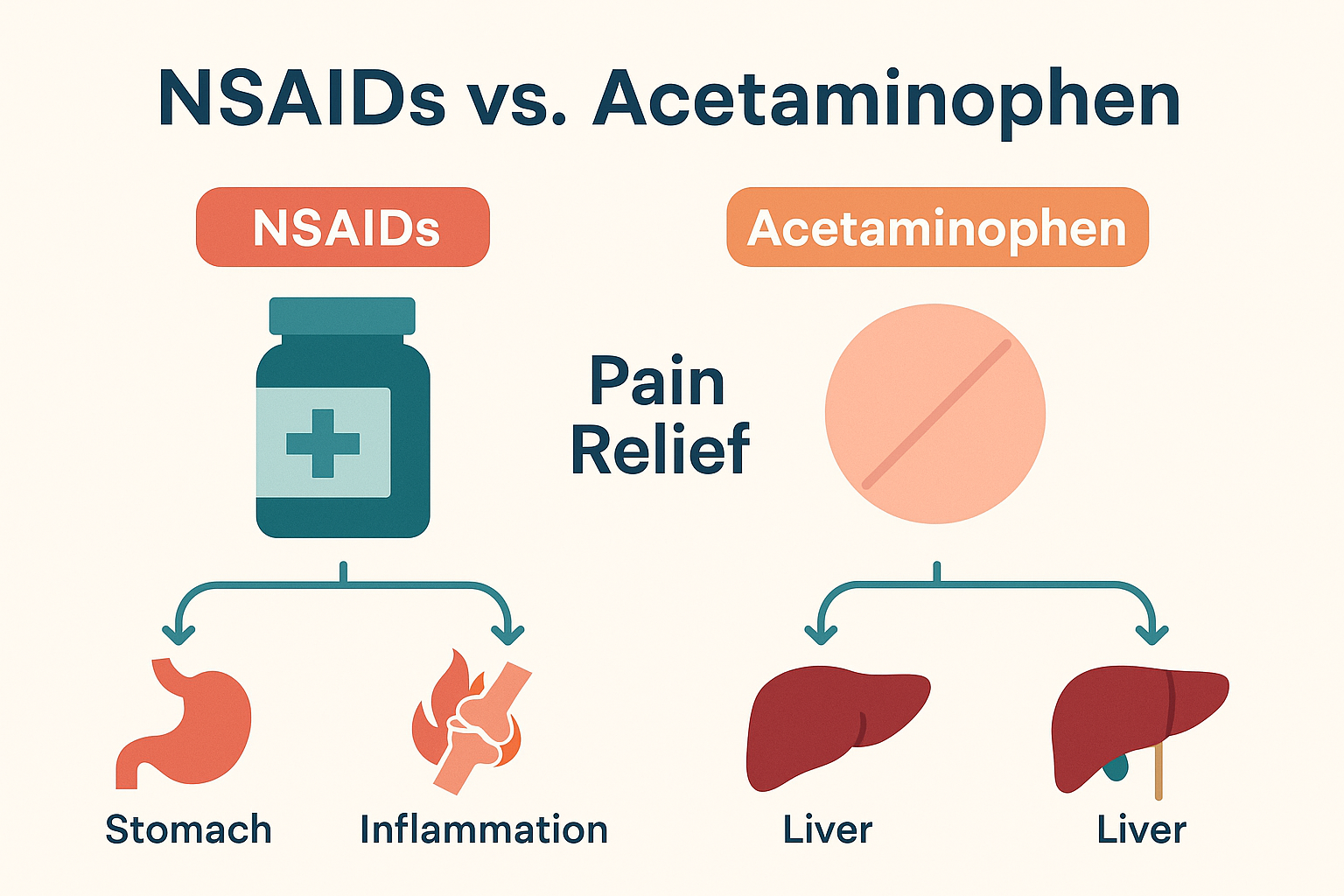
alt text: "Infographic comparing NSAIDs and Acetaminophen, highlighting stomach and inflammation risks for NSAIDs and liver toxicity risks for Acetaminophen."
Part 2: The Hidden Risks of Common Pain Relievers
NSAIDs and acetaminophen offer quick relief but carry serious risks. Learn how to match your symptoms to the safest compound.
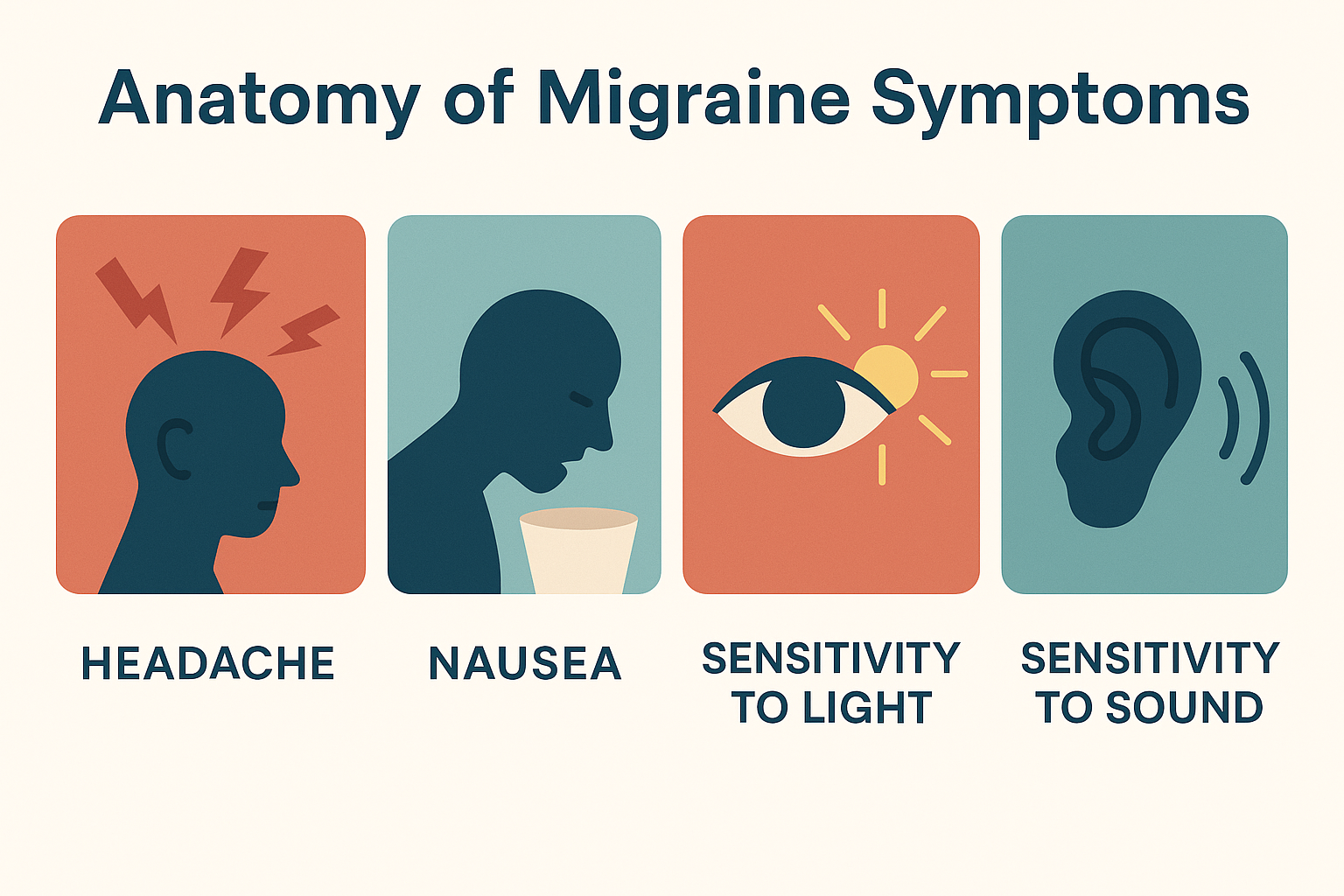
alt text: "Flat-style infographic showing four migraine symptoms: headache, nausea, light sensitivity, and sound sensitivity, each with visual icons."
Part 3: Sleep Aids & Antihistamines – Trading Zzz’s for Brain Fog?
Are you sedating your brain into trouble? Unpack the cognitive cost of OTC sleep formulas and allergy meds.
Part 4: Cold, Flu & Cough Remedies – What Actually Works?
From DayQuil to expectorants, which ingredients are evidence-based and which are placebo? We decode the cold aisle.
Part 5: Gut Check – Laxatives, Antacids, and Long-Term Gut Health
Chronic constipation, reflux, and bloating often lead to self-medication. But the wrong OTC can create gut havoc. Learn what works without harming your microbiome.
Part 6: OTC for Anxiety and Mood – A Dangerous Shortcut?
We explore how people use (and misuse) OTC options to self-soothe anxiety, including diphenhydramine, herbal sedatives, and CBD blends.
Part 7: Vitamins, Supplements, and the Wellness Boom
Are you over-supplementing? Learn how to decode the supplement aisle and understand what's actually doing something vs. draining your wallet.
Part 8: Smart OTC Use – Label Reading, Safe Dosing, and Daily Habits
We finish strong with a masterclass in OTC safety, equipping you with simple routines and tools to ensure your self-care is science-backed and risk-free.
💊 OTC Risk Self-Assessment
Answer the questions below to receive personalized guidance on your over-the-counter medication usage.
📊 What Makes This Series Different?
1. Interactive Diagnosis: Every post includes a 10-question symptom-based questionnaire that leads to a personalized OTC product category suggestion, safe usage tips, and common red flags.
2. Expert Conversations: We feature insights from pharmacists, sleep doctors, GI specialists, psychiatrists, and more, presenting realistic expert perspectives that mirror real-world healthcare discussions.
3. Visual Content: Infographics, product comparison tables, symptom charts, and real-label examples make it easy to understand complex concepts.
4. Evidence-Based: Every recommendation is backed by recent research, FDA guidelines, and clinical best practices.
5. Product-Specific Guidance: While we don’t push brands, we do analyze common active ingredients to help you understand what you’re really buying.
🎓 Who This Series is For
- Anyone who takes OTC meds more than once a month
- Parents stocking medicine for their kids
- Adults over 50 taking multiple medications
- Health-conscious individuals who want to be intentional with self-care
- People with chronic symptoms who "self-manage"
If you’ve ever reached for something in your cabinet without reading the label—this series is for you.
🛎️ Final Note: Self-Care Shouldn’t Be Guesswork
OTC drugs aren’t the enemy. Misinformation is.
With the right information, you can treat symptoms quickly and safely. With the wrong assumptions, you could silently sabotage your long-term health.
This series aims to put control back in your hands—not just the packaging.
Join us as we open The OTC Files.
→ First post now live: What Are OTC Drugs—and Are They Really Safe? → Bookmark this page to follow each release. → Share it with someone who takes over-the-counter meds. That’s everyone.


