⏳ Introduction: Why Does Time Matter for Your Health?
Emma: "I don’t get it. I sleep enough hours, but I still feel exhausted during the day. Is something wrong with me?"
Dr. Patel: "That’s a great question, Emma. It’s not just about the number of hours you sleep—it’s about when you sleep. Your body runs on an internal clock, known as the circadian rhythm, which controls everything from your sleep cycles to your metabolism, hormones, and even your immune system."
Emma: "So it’s not just about sleep? My eating habits, exercise, and even when I work can affect my health?"
Dr. Patel: "Exactly! And that’s why understanding your circadian rhythm can be a game-changer for your overall well-being."
🕰️ What Is the Circadian Rhythm?
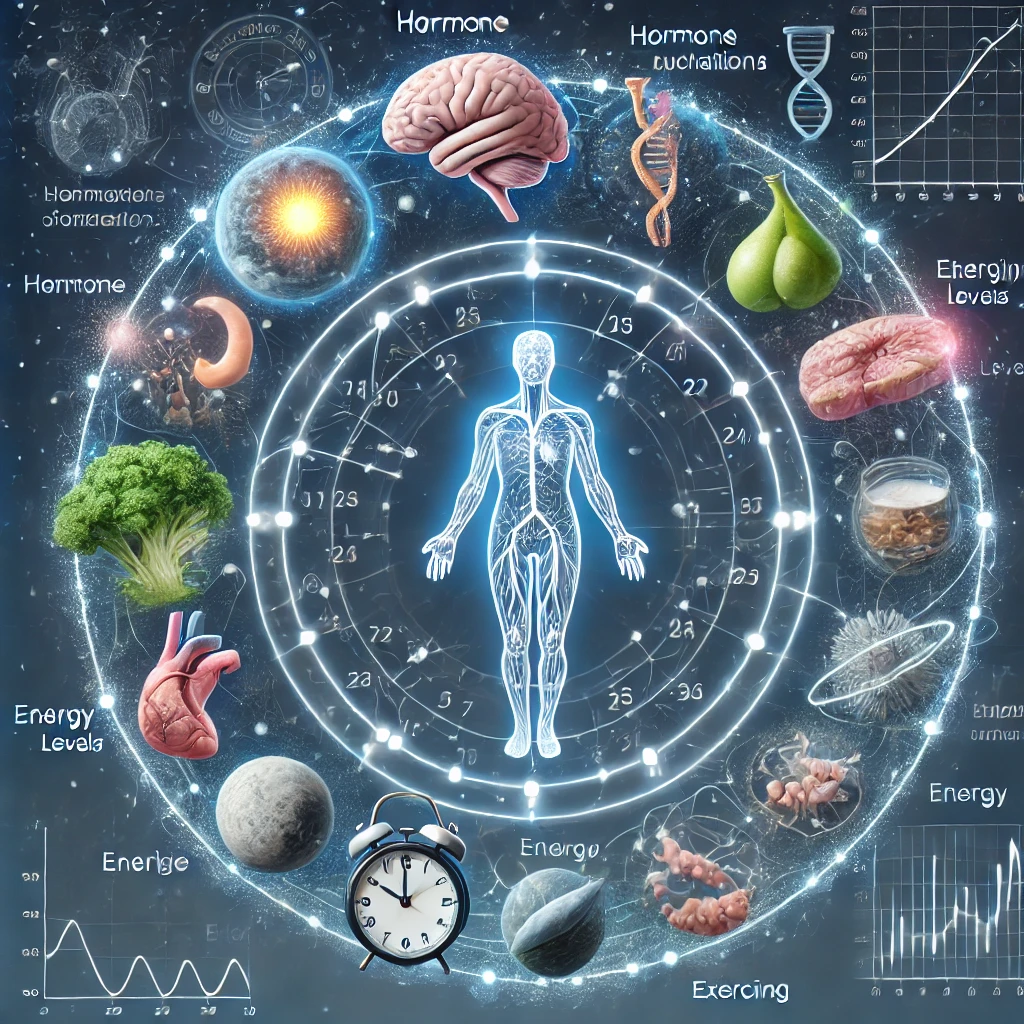
Your circadian rhythm is a natural, 24-hour cycle that regulates various biological processes. It is influenced by external factors, primarily light exposure, meal timing, and activity levels. Here’s how it works:
- Morning (6 AM - 10 AM): Cortisol levels rise, helping you wake up and feel alert.
- Midday (12 PM - 2 PM): Energy and focus peak; an ideal time for productivity.
- Afternoon (3 PM - 5 PM): Body temperature and reaction time are highest, perfect for exercise.
- Evening (7 PM - 9 PM): Melatonin production begins, signaling your body to wind down.
- Night (10 PM - 2 AM): Deep sleep cycle starts, crucial for muscle recovery and memory consolidation.
Dr. Patel: "When your routine aligns with your circadian rhythm, your body functions optimally. But if it’s disrupted, you may experience fatigue, weight gain, or even long-term health problems."
😴 The Connection Between Circadian Rhythms and Sleep
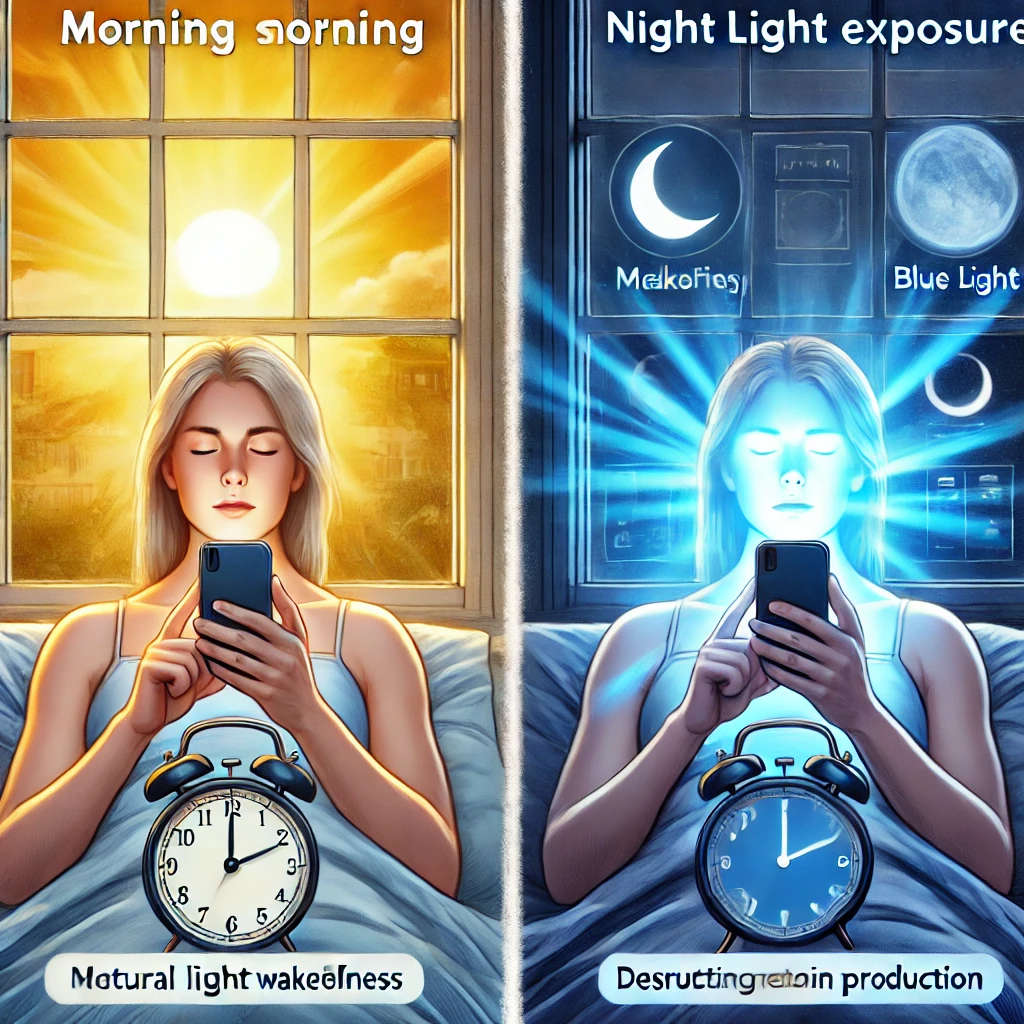
Emma: "I’ve heard that blue light from screens messes up sleep. Is that true?"
Dr. Patel: "Yes! Your circadian rhythm is heavily influenced by light exposure, especially blue light from phones, laptops, and TVs. At night, artificial light suppresses melatonin, the hormone that helps you sleep. That’s why late-night screen time can lead to poor sleep quality."
🔹 How to Improve Sleep with Circadian Alignment:
- Dim the lights at least an hour before bed.
- Avoid screens before sleep or use blue light filters.
- Expose yourself to sunlight early in the morning to set your body clock.
- Maintain a consistent sleep schedule (even on weekends!).
🍽️ Circadian Rhythms and Metabolism: The Best Time to Eat
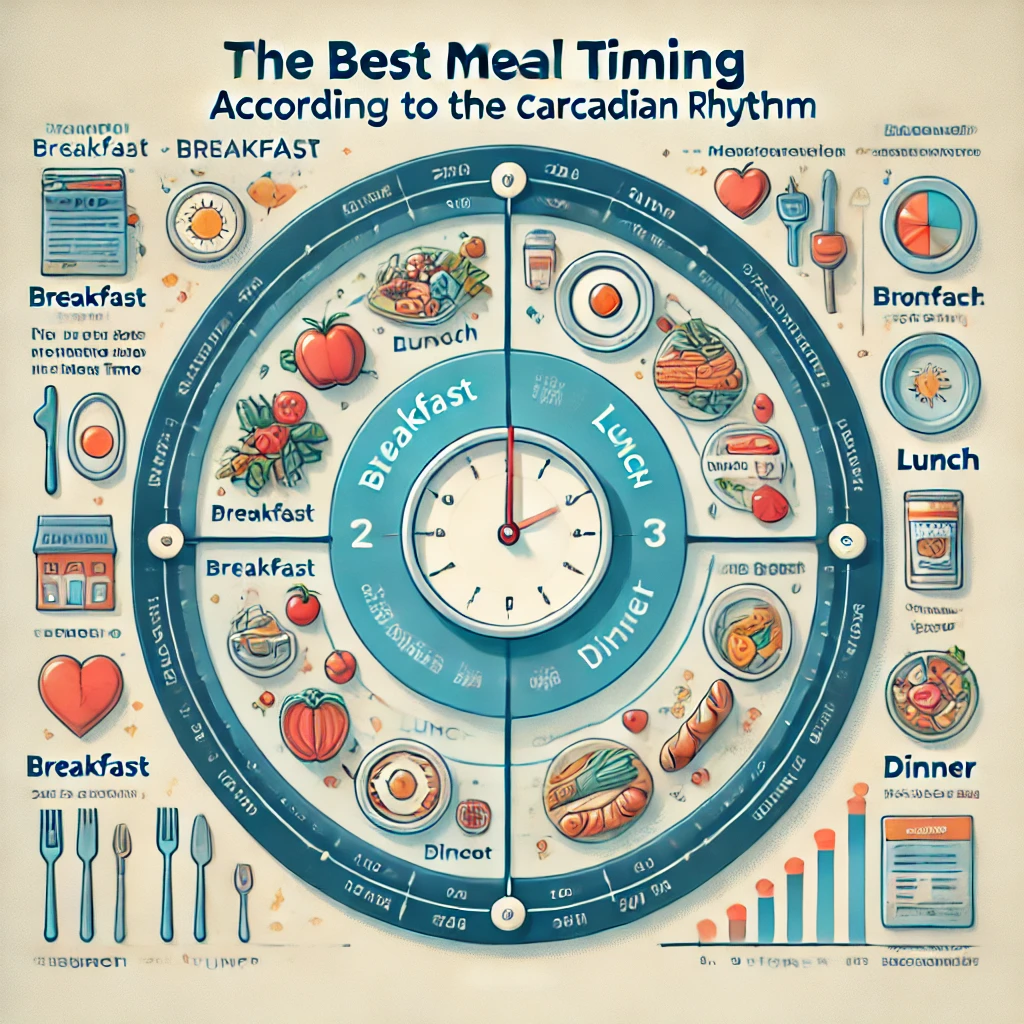
Emma: "Does when I eat affect my metabolism?"
Dr. Patel: "Absolutely! Studies show that eating late at night can interfere with your circadian rhythm and lead to weight gain, insulin resistance, and metabolic issues."
🔹 Optimal Meal Timing:
- Breakfast: Eat within 1-2 hours of waking up to kickstart metabolism.
- Lunch: Your digestion is strongest around midday.
- Dinner: Finish eating at least 3 hours before bed to avoid nighttime metabolic slowdown.
Emma: "So late-night snacking is really that bad?"
Dr. Patel: "Yes! Your body processes food less efficiently at night, increasing fat storage and blood sugar imbalances."
💪 Exercise and Your Circadian Rhythm
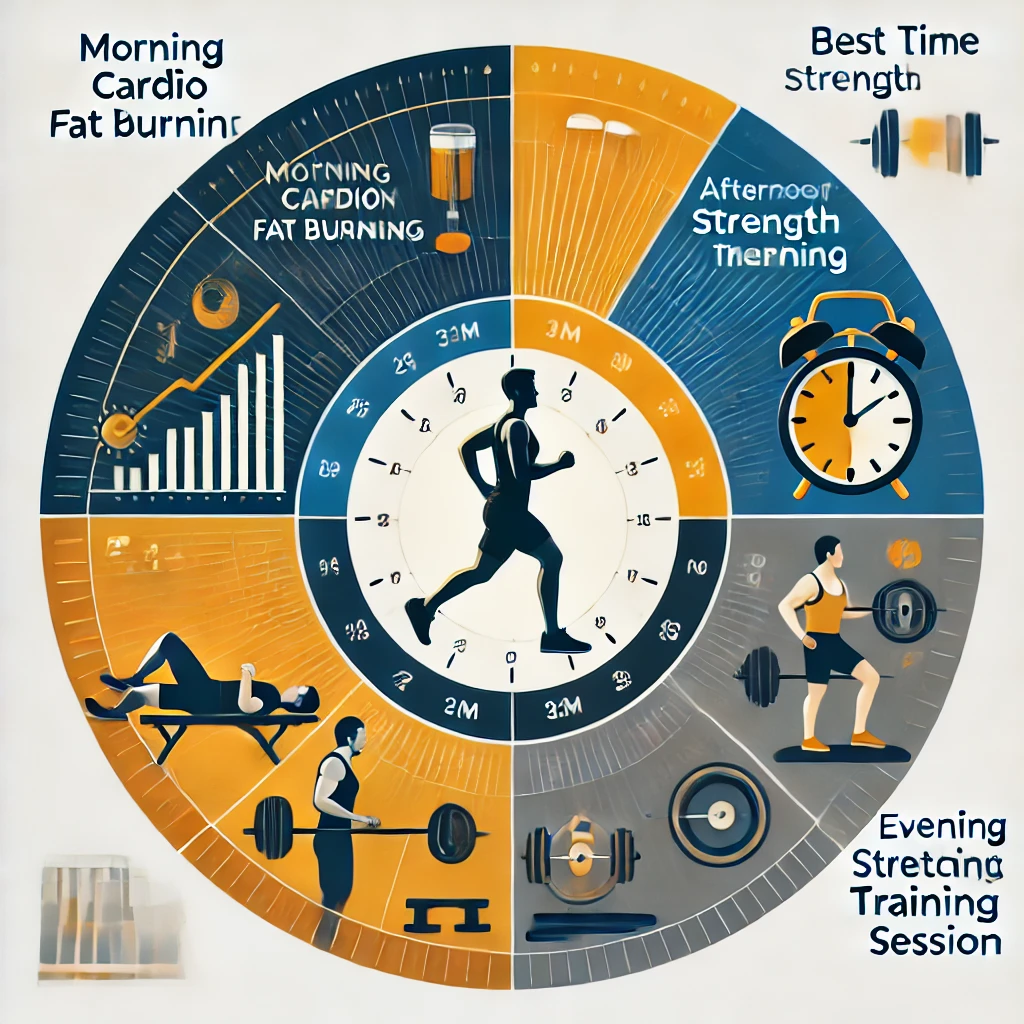
Emma: "When is the best time to work out? Morning or evening?"
Dr. Patel: "It depends on your goals!"
- Morning workouts: Best for fat burning and setting an active tone for the day.
- Afternoon workouts: Great for strength training since muscle function peaks.
- Evening workouts: Can be effective but avoid high-intensity exercises close to bedtime, as they might interfere with sleep.
Emma: "So if I want to lose weight, I should work out in the morning?"
Dr. Patel: "Yes! Studies show that morning workouts help regulate appetite and enhance fat metabolism."
🚨 How Circadian Disruptions Affect Health
📌 Common Circadian Disruptions:
- Shift Work: Night shifts disrupt melatonin production and increase the risk of obesity, diabetes, and cardiovascular disease.
- Jet Lag: Rapid time zone changes confuse the circadian clock, leading to sleep disturbances and digestive issues.
- Irregular Sleep Patterns: Constantly shifting sleep schedules can contribute to chronic fatigue and mental health disorders.
🔹 Tips for Resetting Your Circadian Rhythm:
- Stick to a consistent sleep schedule.
- Get morning sunlight exposure to regulate your internal clock.
- Avoid caffeine and heavy meals late at night.
- Practice relaxation techniques before bedtime.
🕰️ Circadian Rhythm Self-Check Quiz
Answer the questions below to assess how well your daily habits align with your natural circadian rhythm.
🌟 Optimizing Your Circadian Rhythm for Better Health
Dr. Patel: "By making small changes, you can realign your body clock and experience better sleep, digestion, and energy levels."
🔹 Simple Steps to Improve Your Circadian Health:
- Wake up and sleep at the same time daily.
- Eat meals at regular times and avoid late-night eating.
- Exercise at the best time for your body.
- Limit screen exposure at night to prevent melatonin disruption.
- Get natural sunlight in the morning to reinforce your body's natural rhythm.
💬 Join the Conversation!
Emma: "Wow, I never realized how much my body relies on timing! I’m going to try adjusting my schedule."
Dr. Patel: "That’s the spirit, Emma! Small adjustments can make a big difference."
What about you? Have you noticed changes in your energy, sleep, or digestion based on your daily routine? Let’s discuss in the comments below! 👇


