Alex: I've heard a lot about inflammation lately. Is it really something to worry about?
Dr. Morgan: Definitely, Alex. Chronic inflammation is linked to many serious health issues, including heart disease, diabetes, arthritis, and even cognitive decline.
What Exactly Is Inflammation? 🔥

Alex: So, what exactly causes inflammation?
Dr. Morgan: Inflammation is your body's natural response to injury or infection, helping you heal. However, when inflammation becomes chronic due to factors like poor diet, stress, lack of exercise, or environmental toxins, it can harm your health.
Alex: How can I know if I have chronic inflammation?
Dr. Morgan: Typical signs include ongoing fatigue, digestive issues, joint pain, skin problems like eczema or acne, and difficulty concentrating.
Alex: That’s interesting. My sister had constant fatigue and joint pain, and when she changed her diet, she noticed huge improvements!
The Power of Anti-inflammatory Diet 🥦
Alex: What's an anti-inflammatory diet exactly?
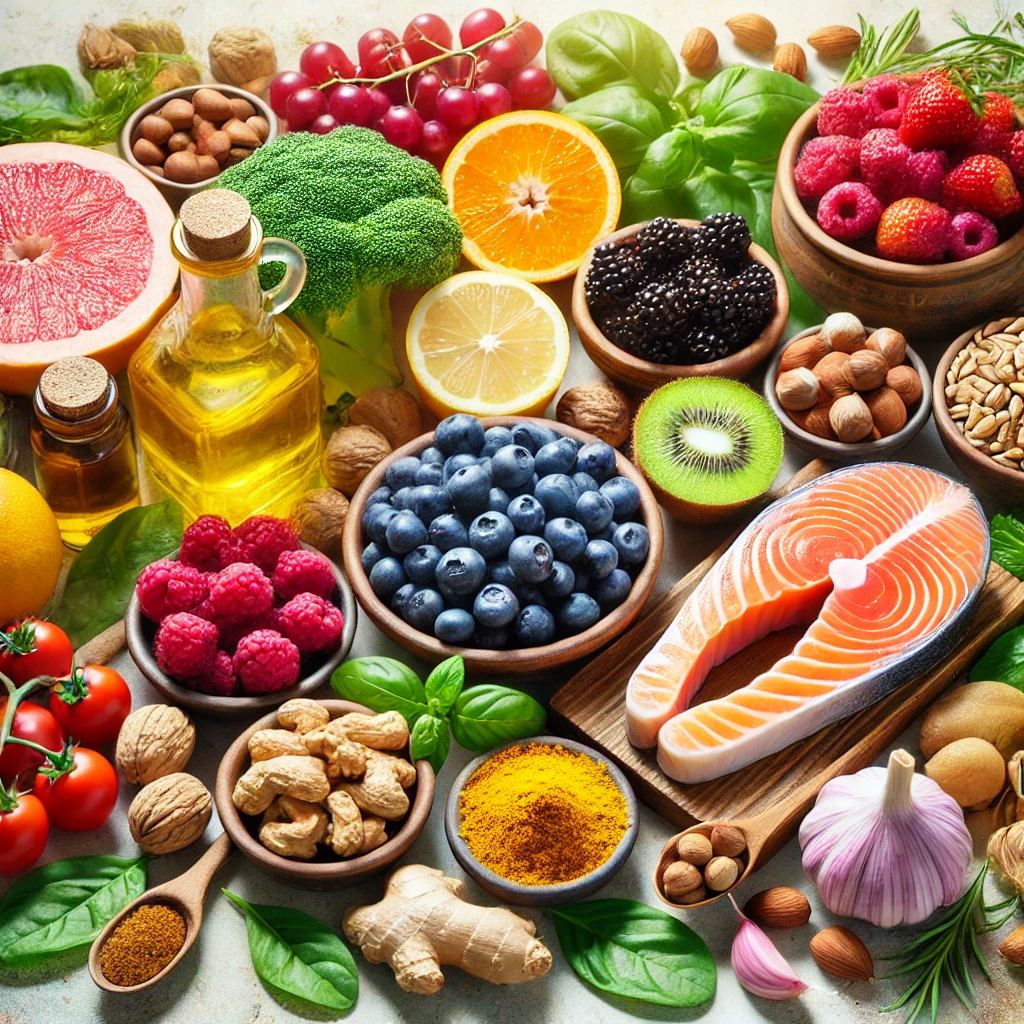
Dr. Morgan: It's a way of eating that focuses on reducing foods that trigger inflammation, like processed foods, sugar, refined carbs, and unhealthy fats, and increasing intake of foods known to reduce inflammation, such as fruits, vegetables, whole grains, lean proteins, healthy fats, and spices.
Alex: What foods specifically help combat inflammation?
Dr. Morgan: Foods like berries, leafy greens, fatty fish (salmon, mackerel), olive oil, nuts, turmeric, ginger, and garlic are incredibly powerful at reducing inflammation.
🔥 Inflammation Self-Check
Answer these 10 questions honestly to get your personalized inflammation risk level.
Scientific Evidence Supporting Anti-inflammatory Eating 📚
Alex: Is there scientific proof behind these recommendations?
Dr. Morgan: Absolutely. Numerous studies show diets high in anti-inflammatory foods can significantly reduce inflammatory markers. For instance, research published in the "Journal of the American College of Cardiology" demonstrated that anti-inflammatory diets reduce risks of cardiovascular disease by lowering inflammation levels in the body.
Practical Tips for Adopting an Anti-inflammatory Diet 🍽️
Alex: Where should I start with this diet?
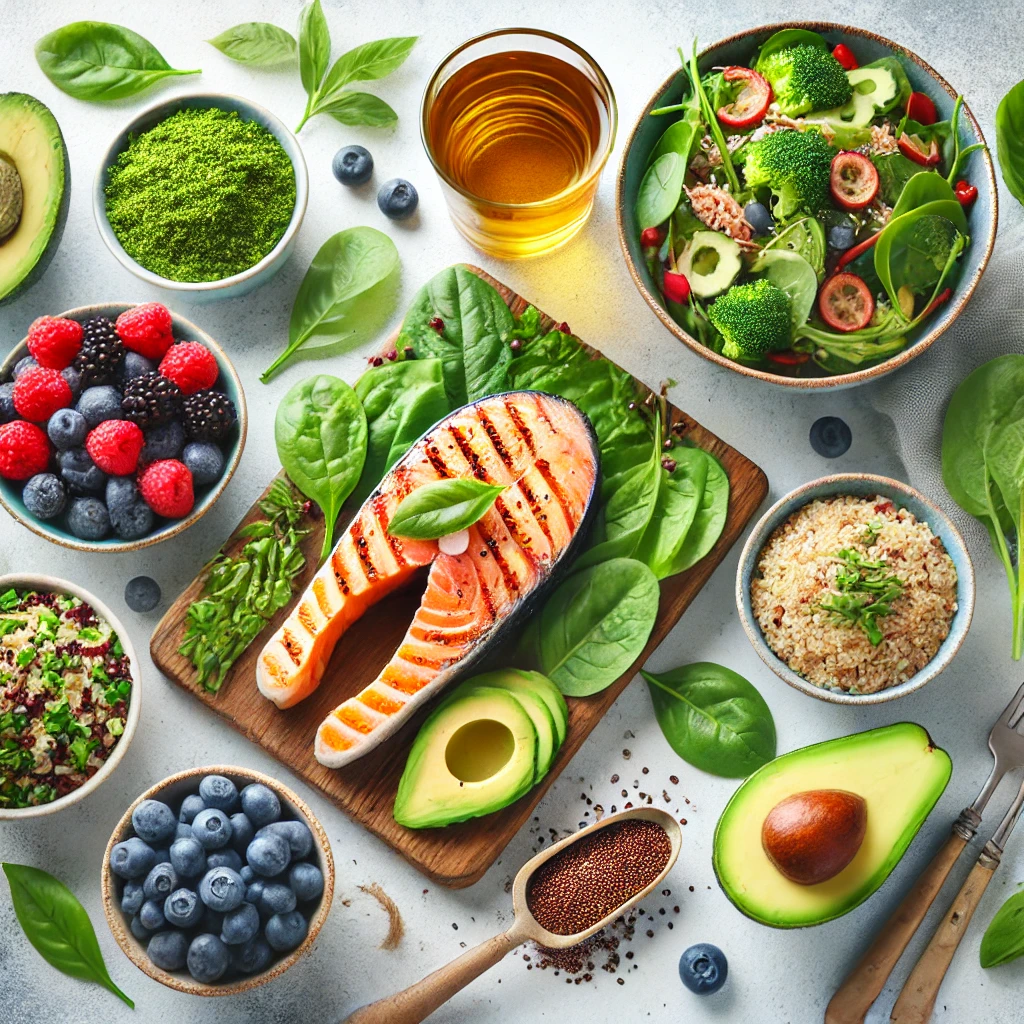
Dr. Morgan: Start gradually. Introduce more fruits and vegetables into your meals, switch from processed snacks to healthier alternatives like nuts and fruits, cook with healthy oils like olive or avocado oil, and try incorporating spices like turmeric and ginger into your dishes.
Alex: What about drinks?
Dr. Morgan: Green tea, herbal teas, and plenty of water are excellent. Avoid sugary beverages and limit alcohol.
Personal Success Story 🌟
Alex: Do you have any patient stories?
Dr. Morgan: Definitely! One of my patients, Jenna, struggled with arthritis and severe joint pain. After three months on an anti-inflammatory diet, her inflammation markers significantly dropped, and her joint pain reduced dramatically. She regained energy and improved her overall quality of life significantly.
Alex: Wow, that's motivating!
Supplements and Lifestyle Changes 💊🏃♂️
Alex: Should I consider supplements?
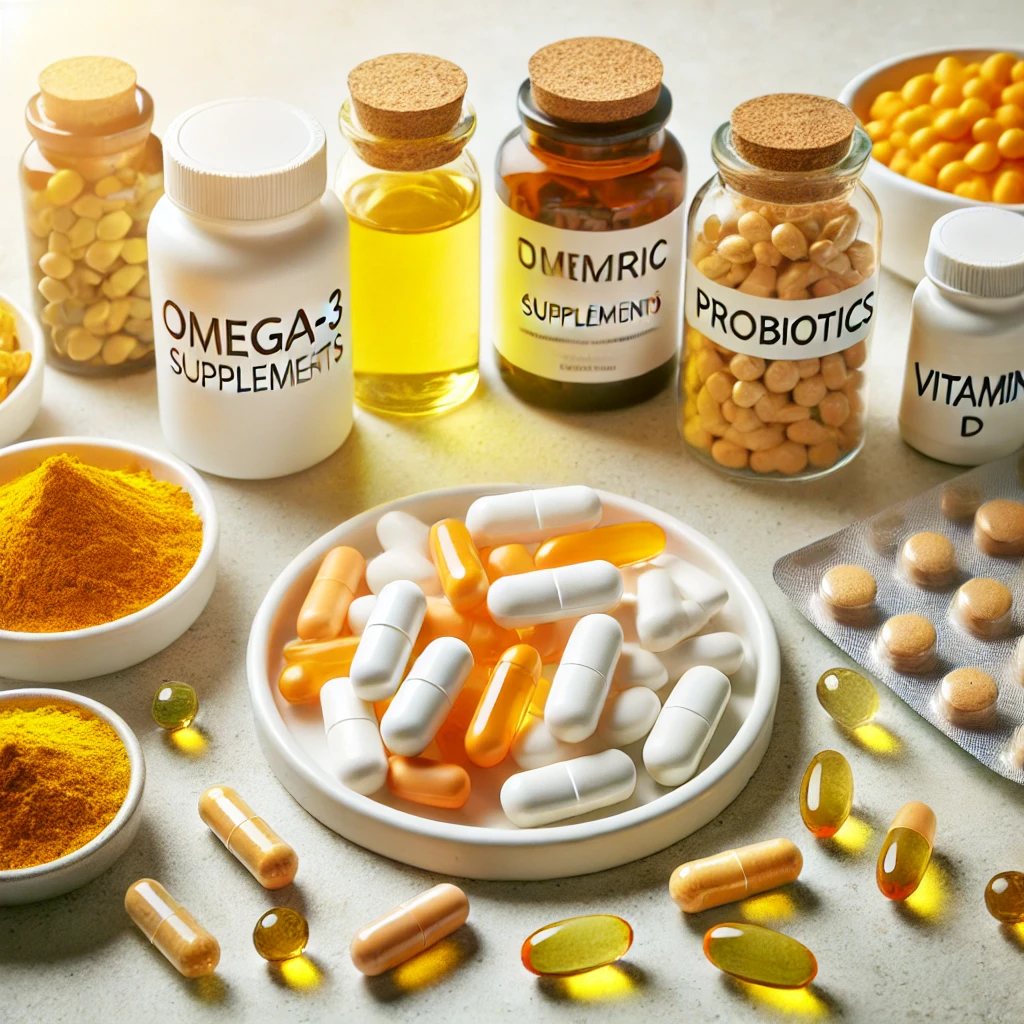
Dr. Morgan: Supplements like omega-3 fatty acids, curcumin (from turmeric), and probiotics can support an anti-inflammatory lifestyle, but always consult your healthcare provider first.
Alex: Besides diet, any lifestyle changes?
Dr. Morgan: Regular physical activity, adequate sleep, and stress management techniques like yoga or meditation significantly reduce inflammation.
Key Takeaways ✨
- Reduce processed foods, sugars, and unhealthy fats.
- Eat more fruits, vegetables, healthy fats, and lean proteins.
- Stay hydrated with water and anti-inflammatory beverages like green tea.
- Incorporate physical activity and stress management techniques into your daily routine.
Alex: Thanks, Dr. Morgan! I'm ready to tackle inflammation head-on.
Dr. Morgan: You’re welcome, Alex! Adopting an anti-inflammatory lifestyle can transform your health and well-being.
Conclusion 🌿
Chronic inflammation affects your health in profound ways, but adopting an anti-inflammatory diet combined with positive lifestyle changes can dramatically improve your overall wellness and reduce the risk of serious health conditions.


