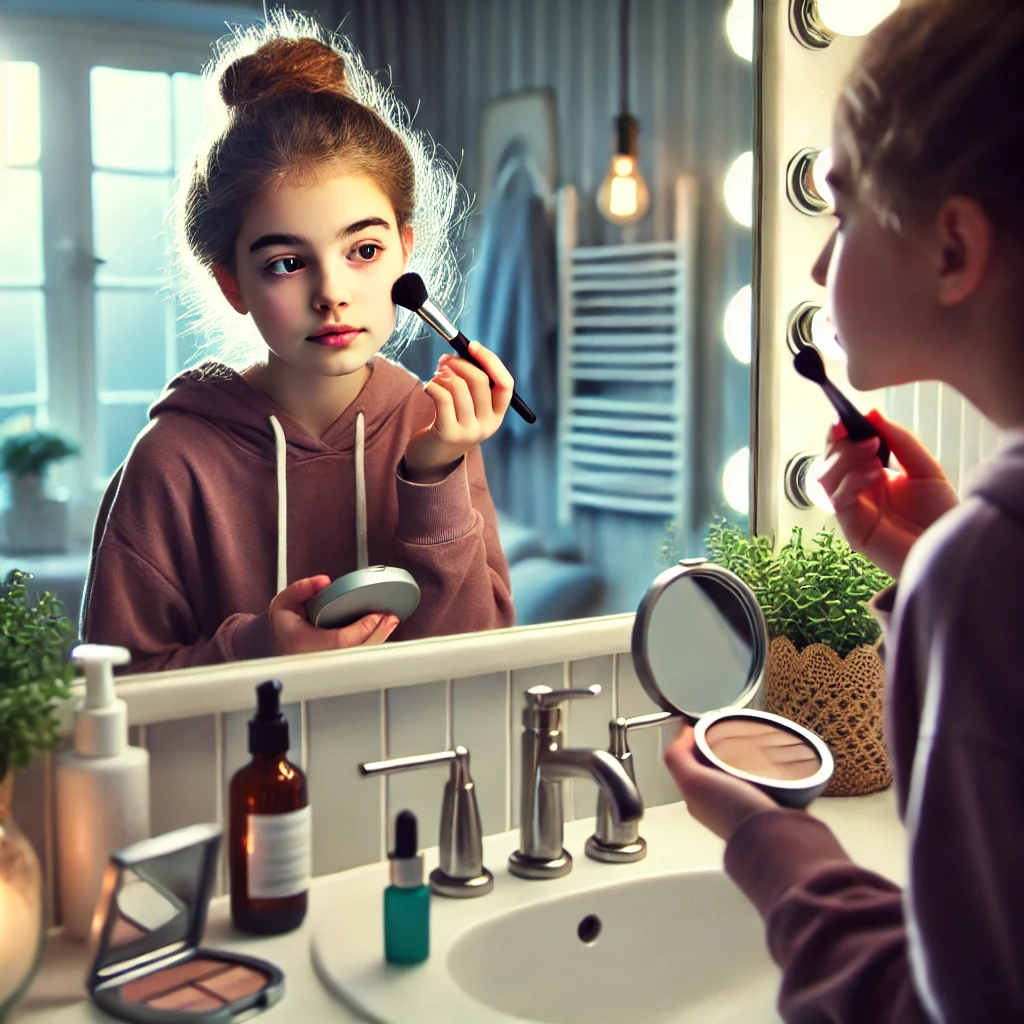
✨ TL;DR – Summary
- 📈 A growing number of tweens and early teens are experimenting with makeup, sparking concern among dermatologists.
- ⚠️ Premature use of cosmetics can lead to acne, allergic reactions, and disrupted skin barrier function.
- 👩⚕️ Experts recommend age-appropriate skincare routines and parental guidance to minimize long-term damage.
1️⃣ Introduction: A New Trend With Serious Skin Implications
In 2024, it’s not uncommon to see 10 to 13-year-olds on TikTok applying full-face glam. With viral influencers and makeup trends targeting younger audiences, early cosmetic use has become more normalized than ever. But dermatologists are waving a red flag 🚩: is this trend damaging young, developing skin?
2️⃣ Why Are More Tweens Wearing Makeup?
2.1 📱 Social Media and the TikTok Effect
The meteoric rise of TikTok and Instagram Reels has given rise to beauty influencers with millions of tween followers. Brands are capitalizing on this audience by launching “starter” beauty lines for younger skin.
Example:
Brands like Petite ‘n Pretty and Kaja Beauty market makeup products with pastel packaging and “gentle” formulas, directly targeting kids aged 8–14.
🧠 “Social media is shaping identity and self-expression in children much earlier than before,” says Dr. Leila Monroe, a pediatric psychologist specializing in digital behavior.
3️⃣ Expert Dialogue – Dermatologist vs Beauty Influencer
🎙️ Dr. Rachel Li, Board-Certified Dermatologist:
"Children’s skin is thinner, more reactive, and still developing its natural barrier. Using makeup—especially low-quality or fragranced products—can irritate, clog pores, and lead to long-term damage."
🎙️ Jenna Cruz, 16-year-old Beauty Influencer with 2M TikTok Followers:
"I started makeup at 12. For me, it’s about confidence and art. I do agree we need good skincare, but makeup makes me feel powerful."
🎙️ Dr. Rachel Li:
"Confidence is great. But I’ve treated many tweens for contact dermatitis caused by glitter eyeshadows and foundation. Many products are not as ‘kid-friendly’ as they claim."
🎙️ Jenna Cruz:
"So should we not wear any makeup? Isn’t it just about balance?"
🎙️ Dr. Rachel Li:
"Exactly. Age-appropriate skincare first. If makeup is introduced, it should be minimal and non-comedogenic."
4️⃣ Scientific Evidence – What the Research Says 🔬
- 📊 A 2022 study published in Pediatric Dermatology found that early cosmetic use was linked to a 33% higher risk of acne in girls under 14.
- 🧴 The American Academy of Dermatology (AAD) warns that children's skin absorbs ingredients more readily than adult skin, increasing the risk of irritation.
- 🧾 Common issues include:
- Acne mechanica from heavy foundation
- Allergic reactions to preservatives like parabens
- Disrupted skin barrier from excessive cleansing or makeup removal
5️⃣ The Hidden Risks of “Clean” and “Natural” Products 🌿
Many brands market their cosmetics as “clean,” “vegan,” or “dermatologist-tested.” But these terms are largely unregulated in the U.S. and UK.
❗ “Parents often assume ‘clean beauty’ is safe, but essential oils and natural fragrances can be even more irritating to young skin than synthetic ones,” says Dr. Amanda Knox, skincare researcher at King’s College London.
6️⃣ Real-World Examples 🌍
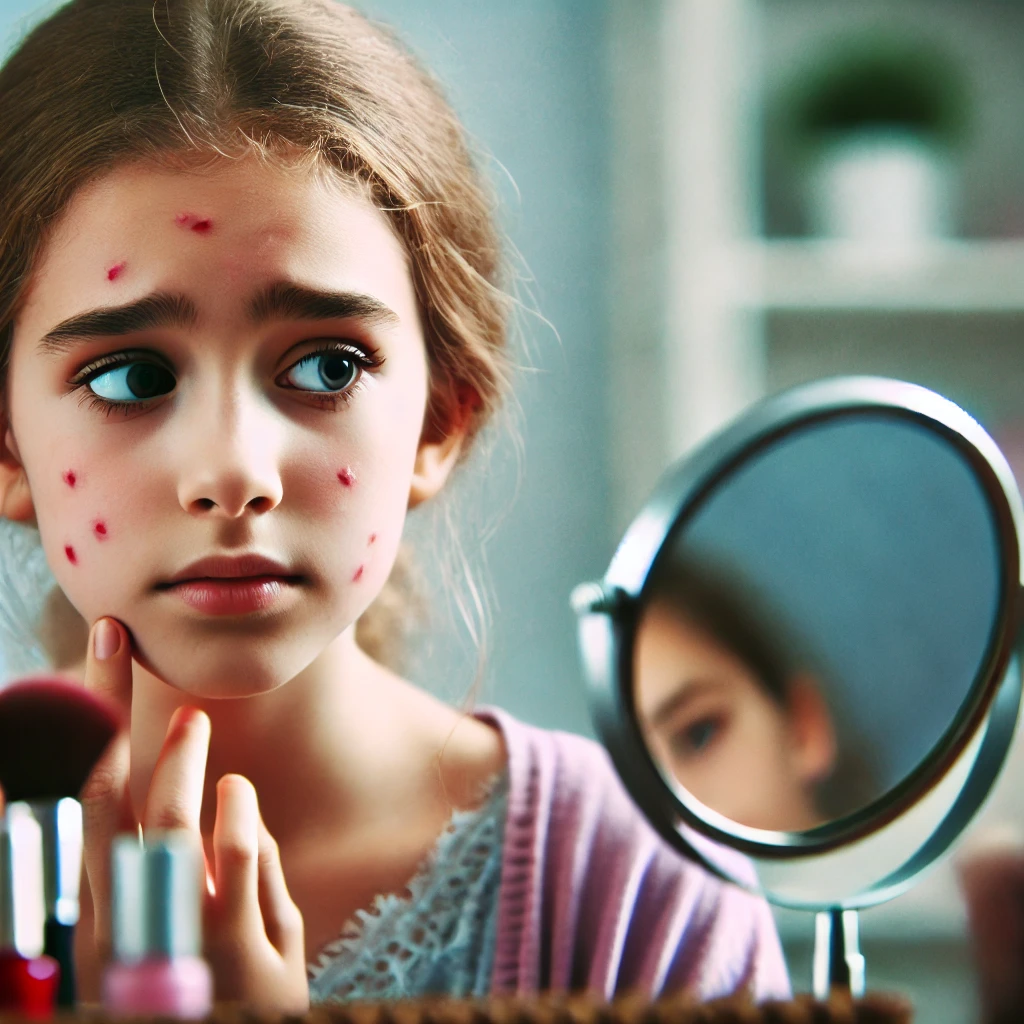
- Emma (12), from Florida: Developed a red, bumpy rash after using a popular “kid-friendly” highlighter containing mica and lavender oil.
- Kylie (11), from Toronto: Started wearing concealer daily, resulting in blackheads and texture issues that required dermatologist intervention.
7️⃣ Healthy Alternatives & Best Practices 🌸
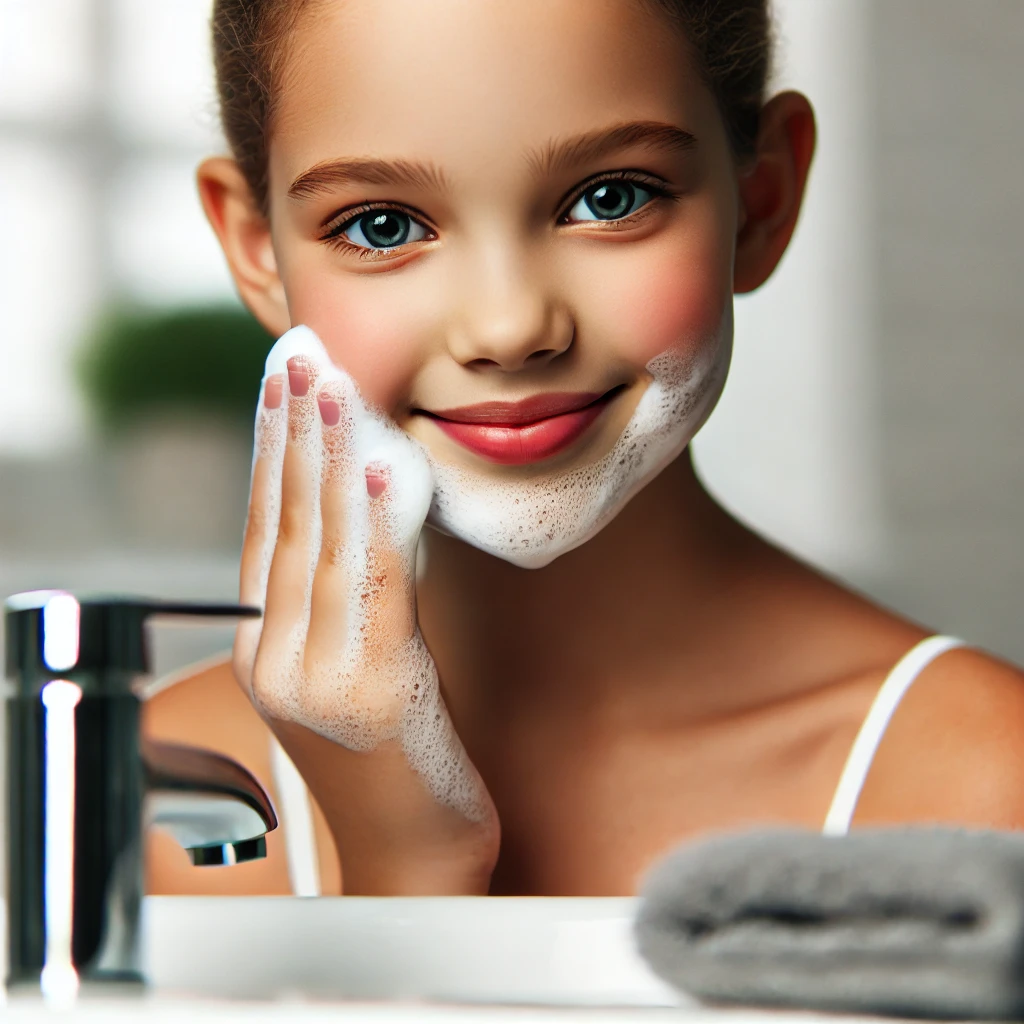
7.1 🧼 Start With Skincare, Not Concealer
Introduce gentle, pH-balanced cleansers and lightweight moisturizers with SPF.
Product Tip: CeraVe Hydrating Cleanser for Kids
7.2 ✅ Choose Non-Comedogenic, Fragrance-Free Products
Look for labels like “non-comedogenic,” “oil-free,” and “fragrance-free.” Avoid glitter, shimmer, and waterproof formulas.
Recommended starter brands:
- Glossier (minimalist, skin-first approach)
- Honest Beauty
- Tower 28 Beauty (eczema-friendly formulas)
7.3 🚿 Teach Makeup Removal Habits Early
Use micellar water or oil-free makeup wipes followed by a gentle cleanser. No sleeping in makeup—ever.
8️⃣ Parents’ Role in the Makeup Journey 👨👩👧
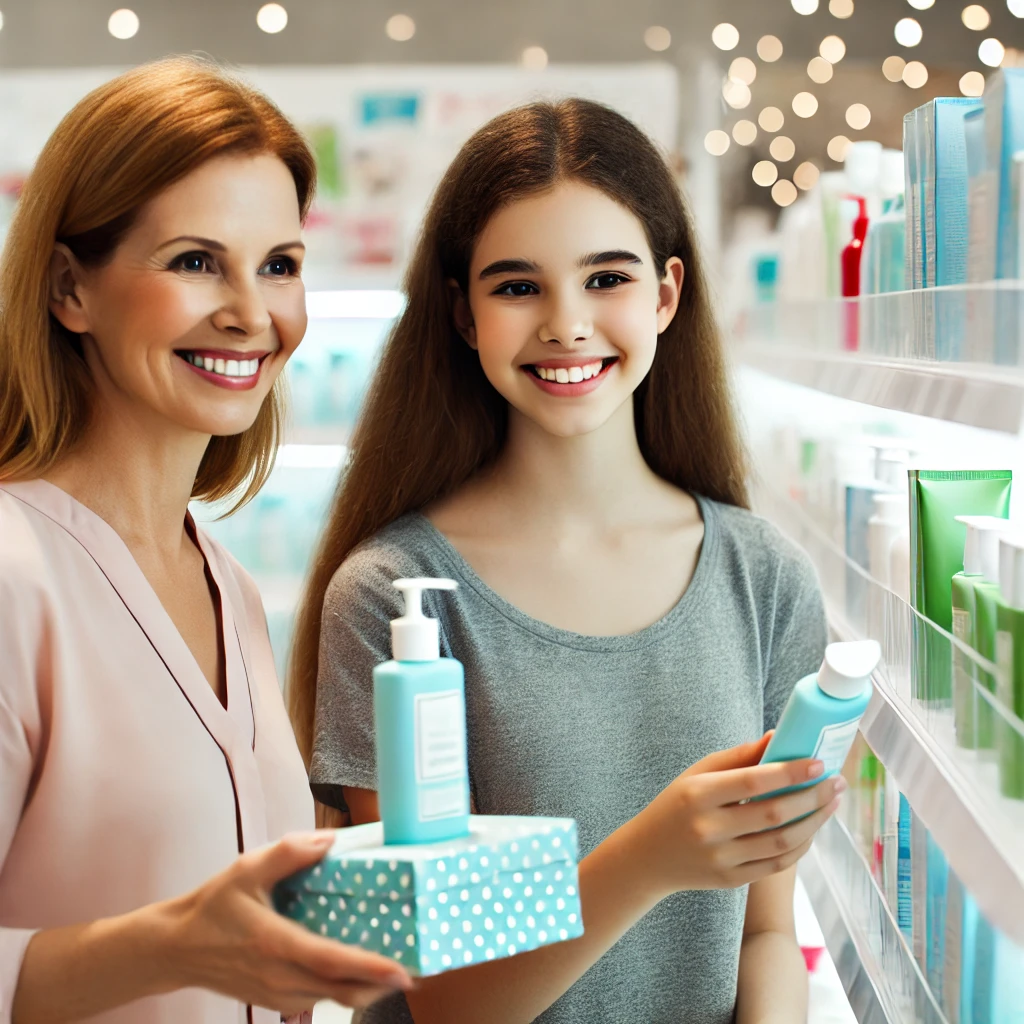
Open conversations are key. Instead of banning makeup, guide your child toward safer products and limit heavy applications to special occasions.
🗣️ “Banning makeup usually backfires,” says child development expert Dr. Mark Fisher. “Education and moderation create healthier habits.”
9️⃣ Expert Checklist: Signs Your Child’s Skin is Reacting 🧏♀️
- 🚩 Persistent redness or bumps after makeup use
- 🧵 Peeling or dry patches
- 😬 Increased breakouts around makeup areas (forehead, cheeks, chin)
- 🔥 Itching or burning sensations
🔟 FAQ: Early Makeup Use & Teen Skin ❓
Q1: What is the best age to start using makeup?
Most dermatologists agree occasional light makeup use can begin around age 13, but daily use should be delayed as long as possible.
Q2: Can makeup stunt skin development?
Makeup doesn’t stunt growth but can disrupt natural barrier development and microbiome if overused.
Q3: Are natural or clean makeup brands safer for kids?
Not always. Some natural ingredients like citrus oils or botanicals can cause allergic reactions.
Q4: Is it better to avoid makeup altogether?
Ideally yes, but if used, choose the safest options and practice proper removal and skincare.
🔚 Conclusion: A Gentle Path Forward 🌈
Makeup doesn’t need to be the enemy—but early education is essential. With social media setting beauty standards earlier than ever, we must prioritize skin health and mental wellbeing in tandem.
📌 Remember: clean skin today is the foundation for glowing skin tomorrow.
💬 We'd Love to Hear From You!
💖 Have you or your child started exploring makeup at a young age? What challenges or tips do you have when it comes to balancing beauty and skin health?
Share your thoughts or experiences in the comments below — your story could help another parent or teen navigating the same journey!
'Health & Wellness' 카테고리의 다른 글
| PCOS Explained: Symptoms, Diagnosis, and Daily Strategies(Part 1) (3) | 2025.09.02 |
|---|---|
| The Rise of Minimalist Skincare: Why Less Is More for Your Skin in 2025 (45) | 2025.04.01 |
| 🧠 The Rise of Human Digital Twins: Revolutionizing Personalized Healthcare in 2025 (20) | 2025.03.28 |
| 🌿 Understanding Hormonal Balance: A Doctor’s In-Depth Guide (1) | 2025.03.21 |
| The Best Foods to Boost Your Immune System 🍊🥦 (0) | 2025.03.19 |


