🩺 Introduction
Dr. Carter: "Good morning, Emily. What brings you in today?"
Emily: "Hi, Dr. Carter. Lately, I’ve been feeling off—constant fatigue, mood swings, weight fluctuations, and my periods are all over the place. I read that hormones might be the cause, but I don’t know where to start."
Dr. Carter: "You’re absolutely right to consider hormones. Hormonal imbalances can affect nearly every aspect of health, from energy levels and metabolism to mood and fertility. Let’s break it down and see what might be happening in your body."
🧬 What Are Hormones and Why Are They Important?
Dr. Carter: "Hormones are chemical messengers produced by glands in your endocrine system. They regulate critical functions like metabolism, mood, reproductive health, and even how your body processes stress and sleep. When your hormones are balanced, your body functions optimally. However, when imbalances occur, they can disrupt nearly every system."
Emily: "That makes sense. But what causes these imbalances?"
Dr. Carter: "Great question. Hormonal imbalances can stem from a variety of factors, including stress, poor diet, sleep disturbances, exposure to endocrine disruptors, and underlying medical conditions. Let’s go over each one in detail."
🚨 Common Causes of Hormonal Imbalance
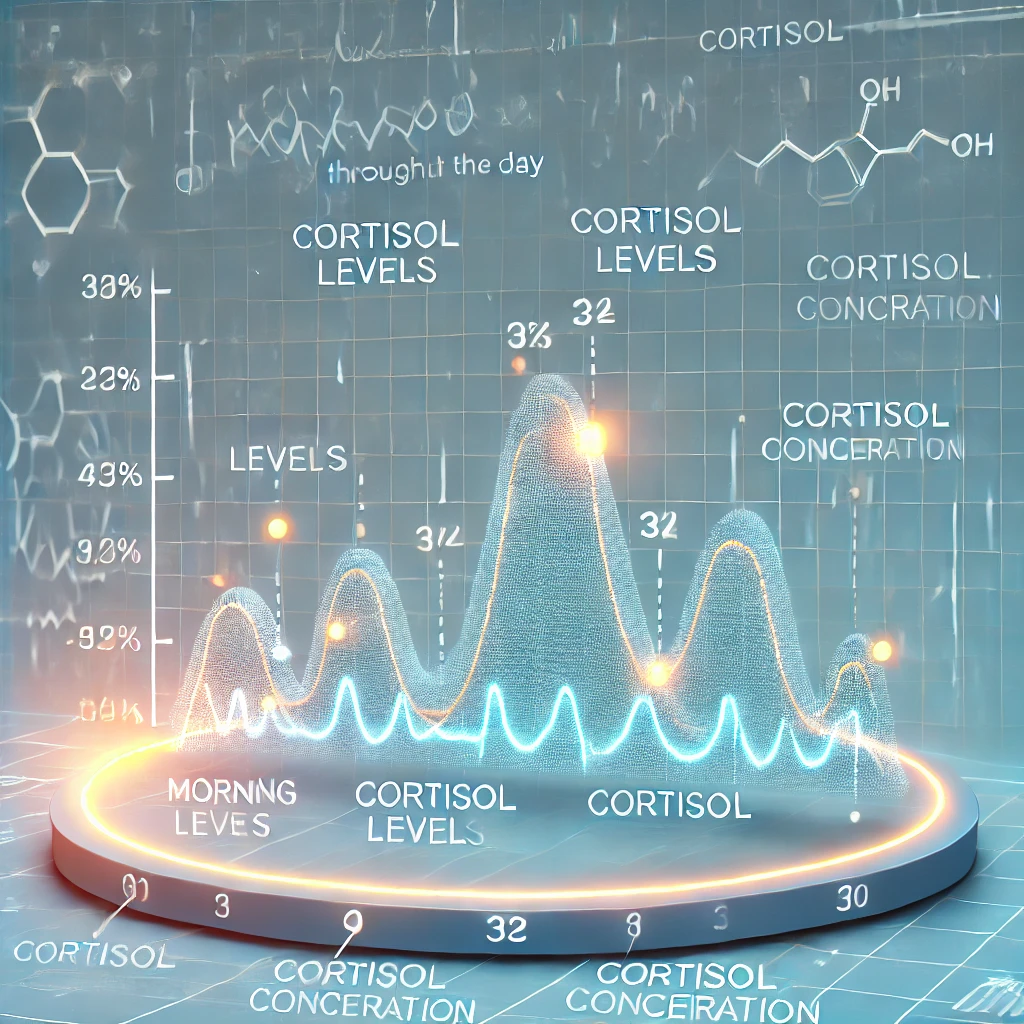
1️⃣ Chronic Stress and Cortisol Overload
Dr. Carter: "Cortisol is the body’s primary stress hormone. When you experience prolonged stress, your adrenal glands release excessive cortisol, which can disrupt other hormones like estrogen, progesterone, and insulin. This can lead to symptoms such as weight gain, anxiety, and menstrual irregularities."
2️⃣ Poor Diet and Nutrient Deficiencies
Emily: "I’ve heard diet plays a big role. What foods should I avoid or include?"
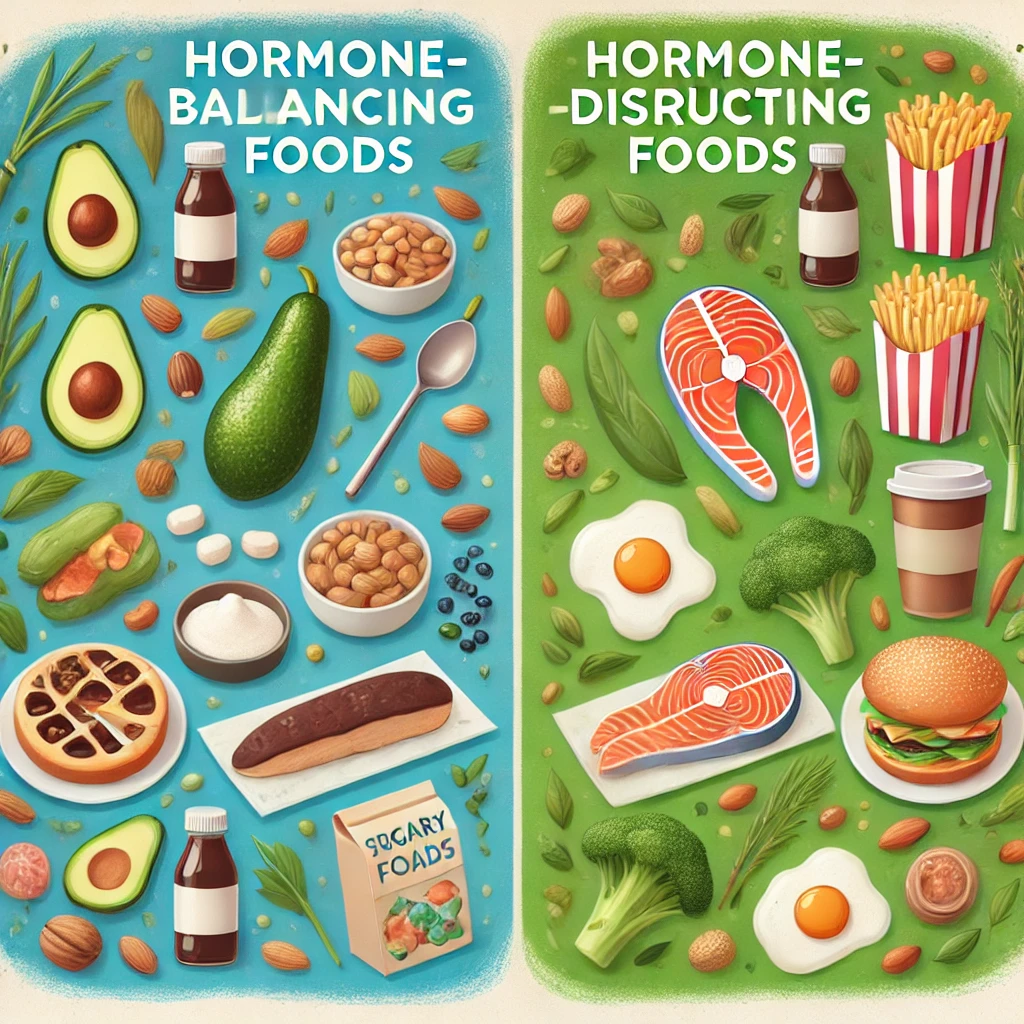
Dr. Carter: "Absolutely. Diet directly impacts hormone production. Excess sugar, refined carbohydrates, and unhealthy fats can lead to insulin resistance and inflammation, which in turn affect estrogen and testosterone levels."
✅ Foods to Include:
- 🥑 Healthy fats (avocados, nuts, olive oil)
- 🐟 Lean proteins (salmon, eggs, grass-fed beef)
- 🥦 Fiber-rich foods (vegetables, whole grains)
- 🍶 Fermented foods (kimchi, yogurt, sauerkraut)
🚫 Foods to Avoid:
- ❌ Processed foods high in trans fats
- ❌ Excessive caffeine and alcohol
- ❌ High-sugar snacks and refined carbs
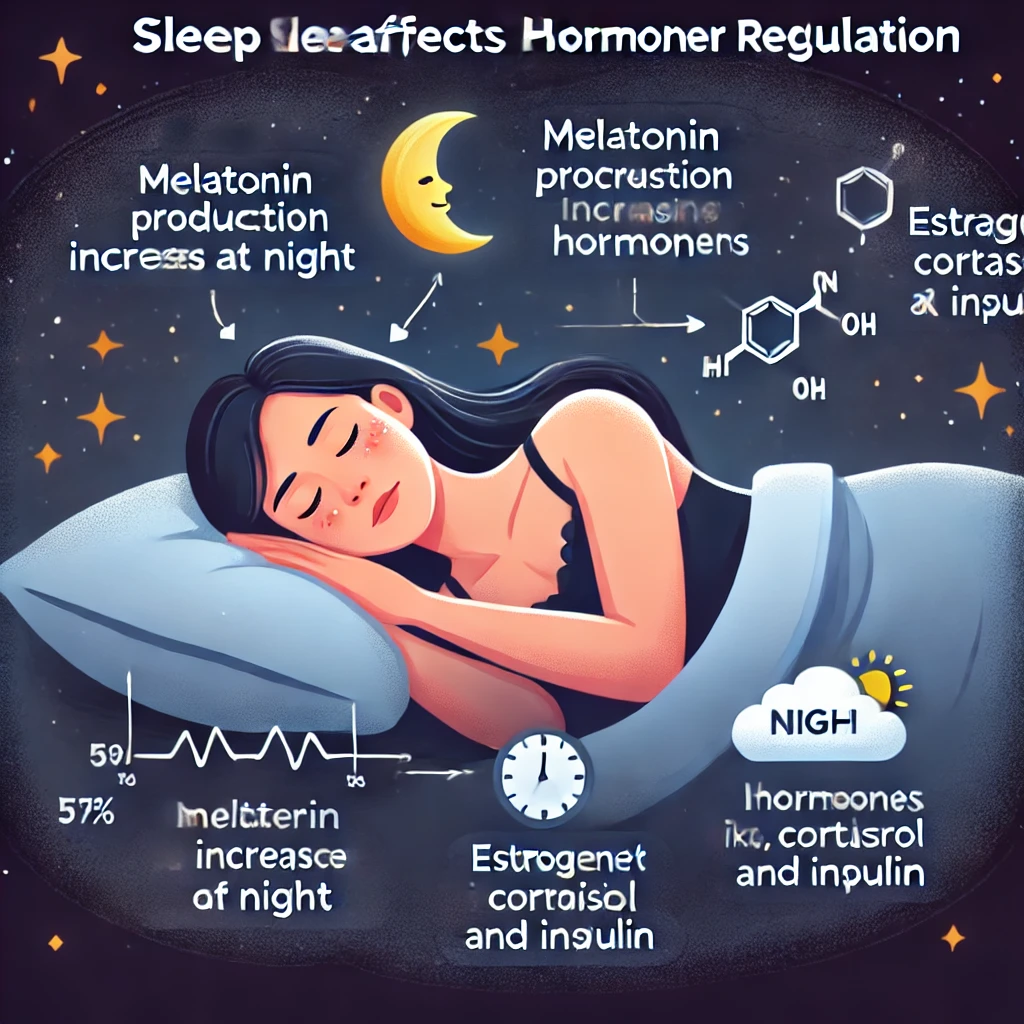
3️⃣ Sleep Disruptions and Melatonin Imbalance
Dr. Carter: "Your circadian rhythm regulates hormone production, including melatonin, which is crucial for sleep. Poor sleep quality can disturb estrogen, testosterone, and growth hormone levels, contributing to fatigue and metabolic issues."
Emily: "I do struggle with sleep. What can I do to fix this?"
✅ Sleep Optimization Tips:
- 🕒 Stick to a consistent sleep schedule
- 📱 Reduce blue light exposure at night
- 🛁 Create a relaxing bedtime routine (meditation, warm baths, reading)
- 💊 Ensure adequate magnesium intake for better sleep
4️⃣ Endocrine Disruptors in the Environment
Emily: "What about chemicals in our environment? Do they really affect hormones?"
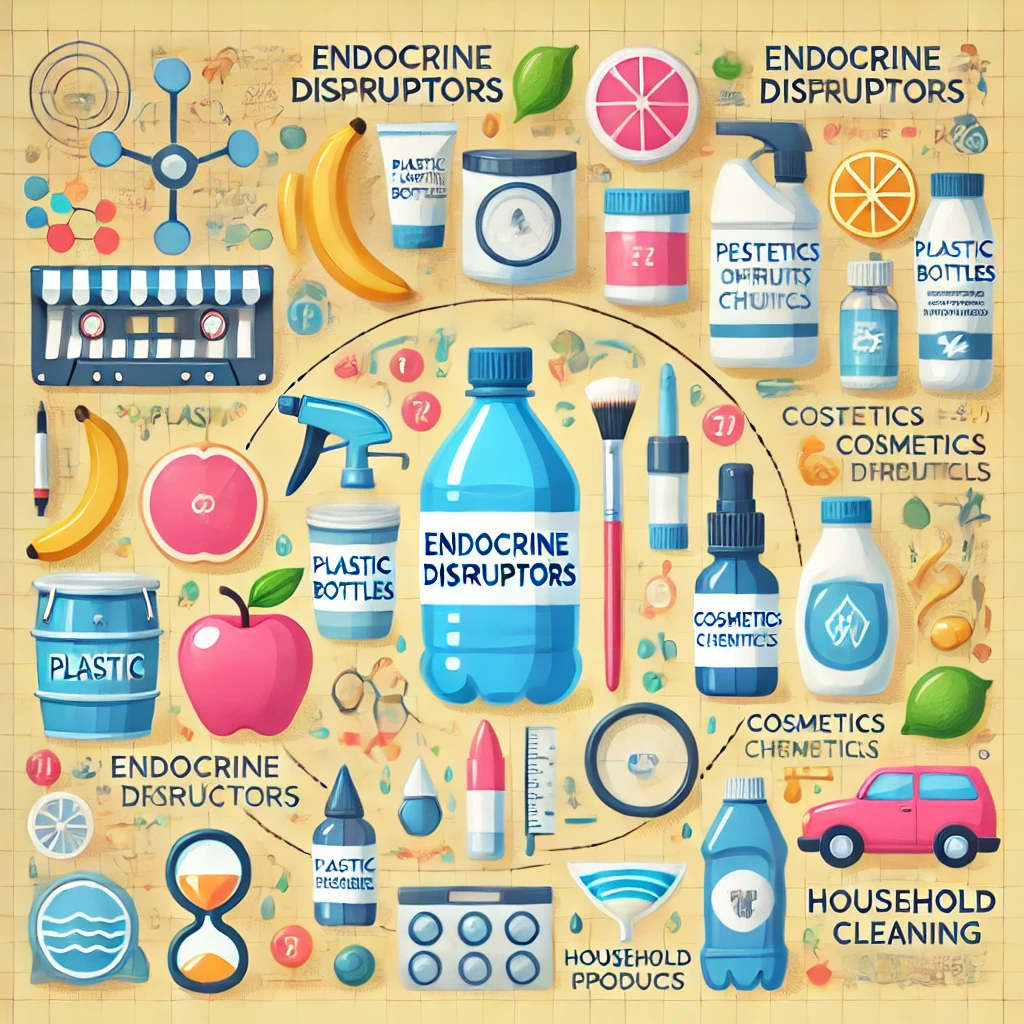
Dr. Carter: "Yes, endocrine-disrupting chemicals (EDCs) are found in plastics, personal care products, and pesticides. They mimic or block natural hormones, leading to imbalances."
✅ How to Reduce Exposure:
- 🚰 Use glass or stainless-steel containers instead of plastic.
- 🥗 Choose organic produce to minimize pesticide exposure.
- 🧴 Opt for natural skincare products free from parabens and phthalates.
🩺 Hormonal Health Self-Check
Answer the following 7 questions honestly to evaluate your current hormonal balance.
🩸 Diagnosing Hormonal Imbalances
Dr. Carter: "To confirm a hormonal imbalance, we can run tests such as blood panels, saliva tests, or DUTCH hormone testing. These tests evaluate levels of estrogen, progesterone, testosterone, cortisol, and thyroid hormones."
Emily: "That sounds like a great way to get a clearer picture of what’s happening in my body."
🌱 How to Restore Hormonal Balance Naturally
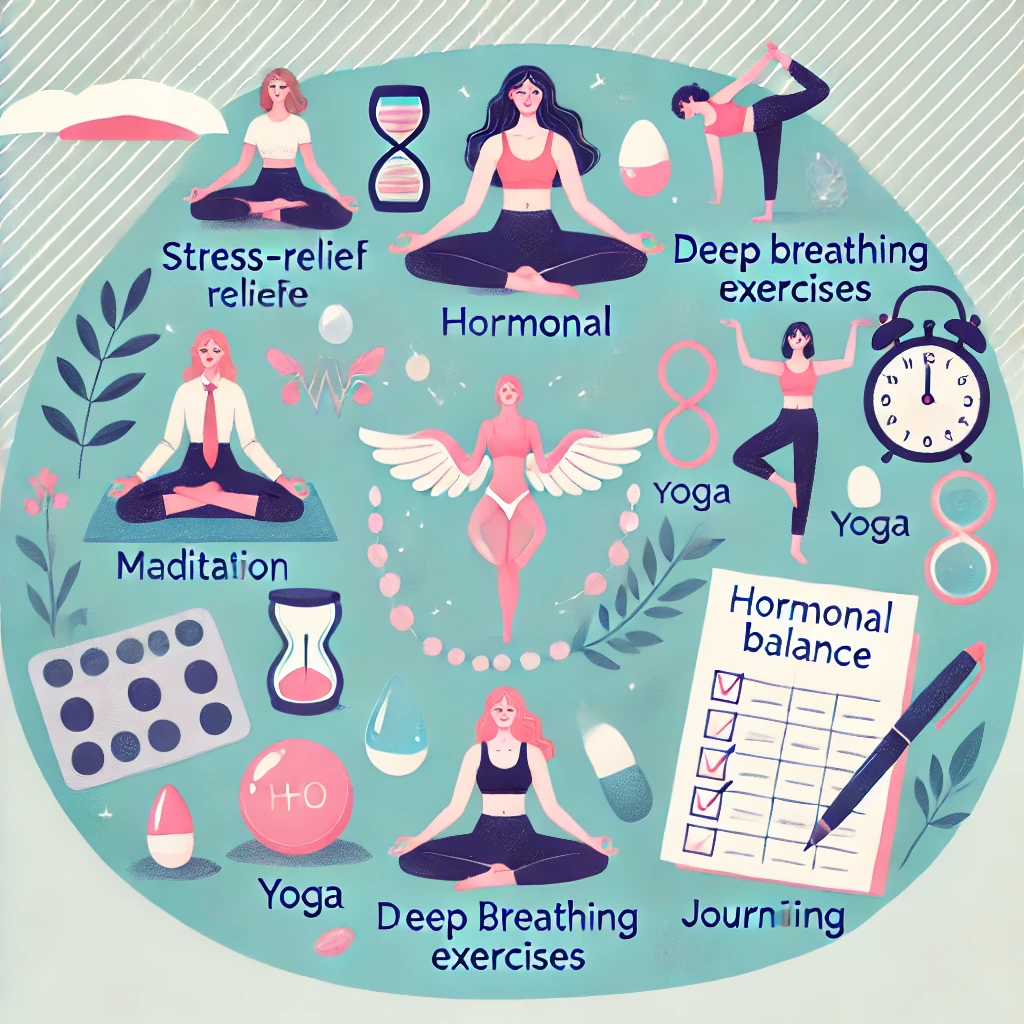
✅ Stress Management Techniques
- 🧘 Daily meditation or deep-breathing exercises
- 🚶♀️ Regular physical activity, such as yoga or walking
- 📖 Journaling or therapy to manage emotional stress
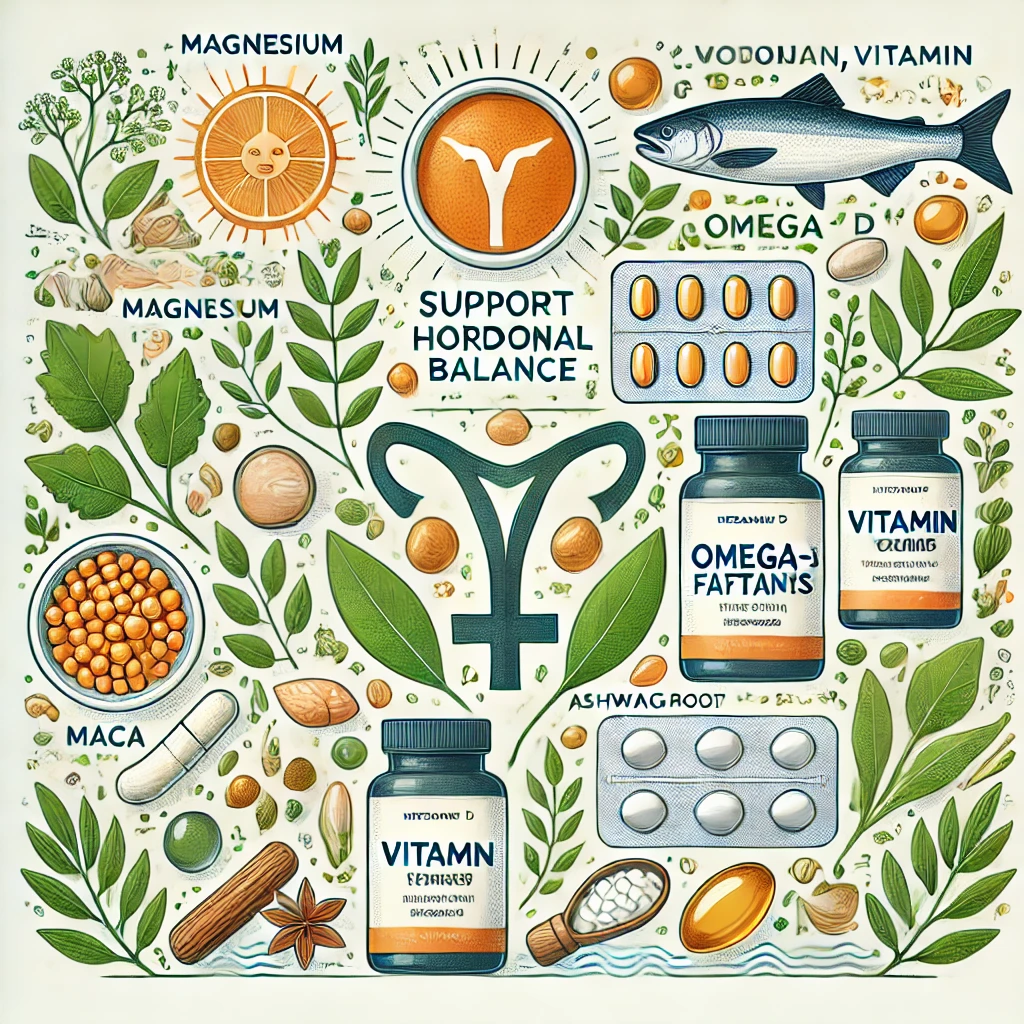
✅ Hormone-Balancing Supplements
- 💊 Magnesium: Supports relaxation and cortisol regulation
- ☀️ Vitamin D: Crucial for estrogen and progesterone balance
- 🐟 Omega-3 Fatty Acids: Reduces inflammation and supports hormone synthesis
🌟 Conclusion: Achieving Long-Term Hormonal Health
Dr. Carter: "Emily, balancing hormones takes time, but with consistent effort—through stress management, diet, quality sleep, and environmental awareness—you can feel better."
Emily: "This was really helpful! I now have a plan to follow and feel hopeful about getting my energy and health back."
Dr. Carter: "That’s great to hear! Let’s monitor your progress and adjust as needed. Hormonal balance is achievable with the right lifestyle approach."
'Health & Wellness' 카테고리의 다른 글
| 💄 Is Early Makeup Use Harming Teen Skin? Dermatologists Weigh In (24) | 2025.03.29 |
|---|---|
| 🧠 The Rise of Human Digital Twins: Revolutionizing Personalized Healthcare in 2025 (20) | 2025.03.28 |
| The Best Foods to Boost Your Immune System 🍊🥦 (0) | 2025.03.19 |
| How to Strengthen Your Immune System Naturally 🛡️🌱 (0) | 2025.03.19 |
| Gut-Skin Axis: The Powerful Link Between Gut Health and Your Skin 🌱✨ (0) | 2025.03.19 |


