✅ TL;DR (3-Line Summary)
- NeuroNutrition is the science of how specific nutrients affect brain function, mental health, and cognitive longevity.
- A poor diet can lead to brain fog, mood swings, memory loss, and inflammation-driven neurodegeneration.
- Eating strategically for your brain may reduce anxiety, prevent cognitive decline, and enhance focus and clarity.
👥 Expert Dialogue
Dr. Harris (Neuroscientist):
Before we jump in, let's clarify—NeuroNutrition isn’t just a buzzword. It’s a field rooted in neuroscience and nutritional biochemistry that explores how food literally feeds your brain cells.
Dr. Lin (Functional Medicine Doctor):
Right. Your brain is only about 2% of your body weight but consumes over 20% of your daily energy. That means what you eat has a disproportionate effect on how you think, feel, and age.
Dr. Harris:
Exactly. Think of it like this—eat nutrient-dense, anti-inflammatory foods, and your brain thrives. Eat processed junk, and over time, your memory, mood, and focus will likely suffer.
Dr. Lin:
We’ve also learned that food affects your neurotransmitters like serotonin and dopamine. These are the chemical messengers that influence everything from your motivation to your sleep quality.
Dr. Harris:
Let’s walk readers through the three foundational principles of NeuroNutrition:
- Brain Structure and Nutrients
- The Gut-Brain Axis
- Inflammation and Cognitive Health
🧠 Section 1: Brain Structure and Nutrients
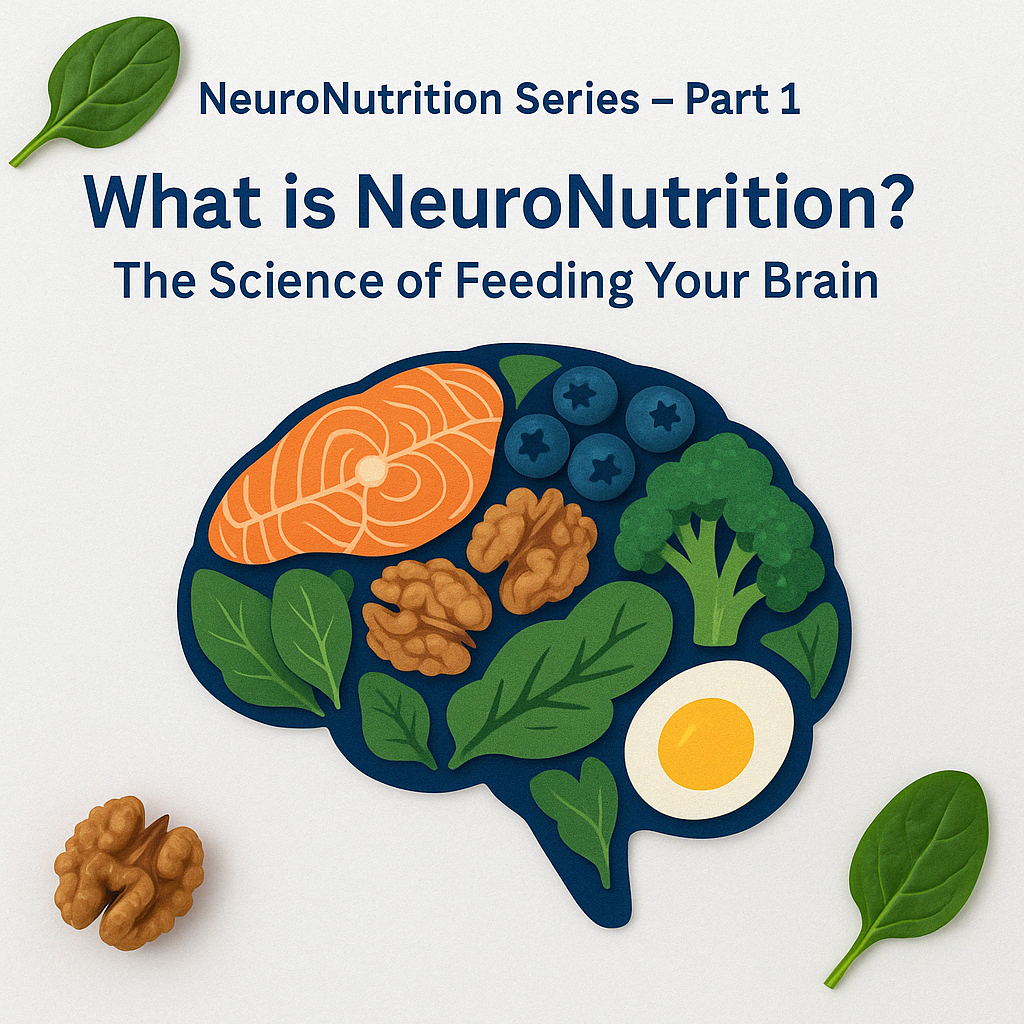
Your brain is made of 60% fat, and it thrives on a steady supply of essential fatty acids, vitamins, and amino acids.
Key Nutrients for Brain Health:
- Omega-3 fatty acids (DHA & EPA) – Crucial for cell membrane fluidity and neuron signaling
- B Vitamins (B6, B9, B12) – Support the methylation cycle, neurotransmitter synthesis, and energy metabolism
- Magnesium – Regulates nerve transmission and helps reduce excitotoxicity (overstimulation of neurons)
- Choline – Vital for acetylcholine production (the memory neurotransmitter)
🧬 Science Insight:
A 2017 study in Frontiers in Aging Neuroscience showed that people with higher dietary intake of omega-3 had increased gray matter volume in the hippocampus, the memory center of the brain.
🌱 Section 2: The Gut-Brain Axis
Dr. Lin:
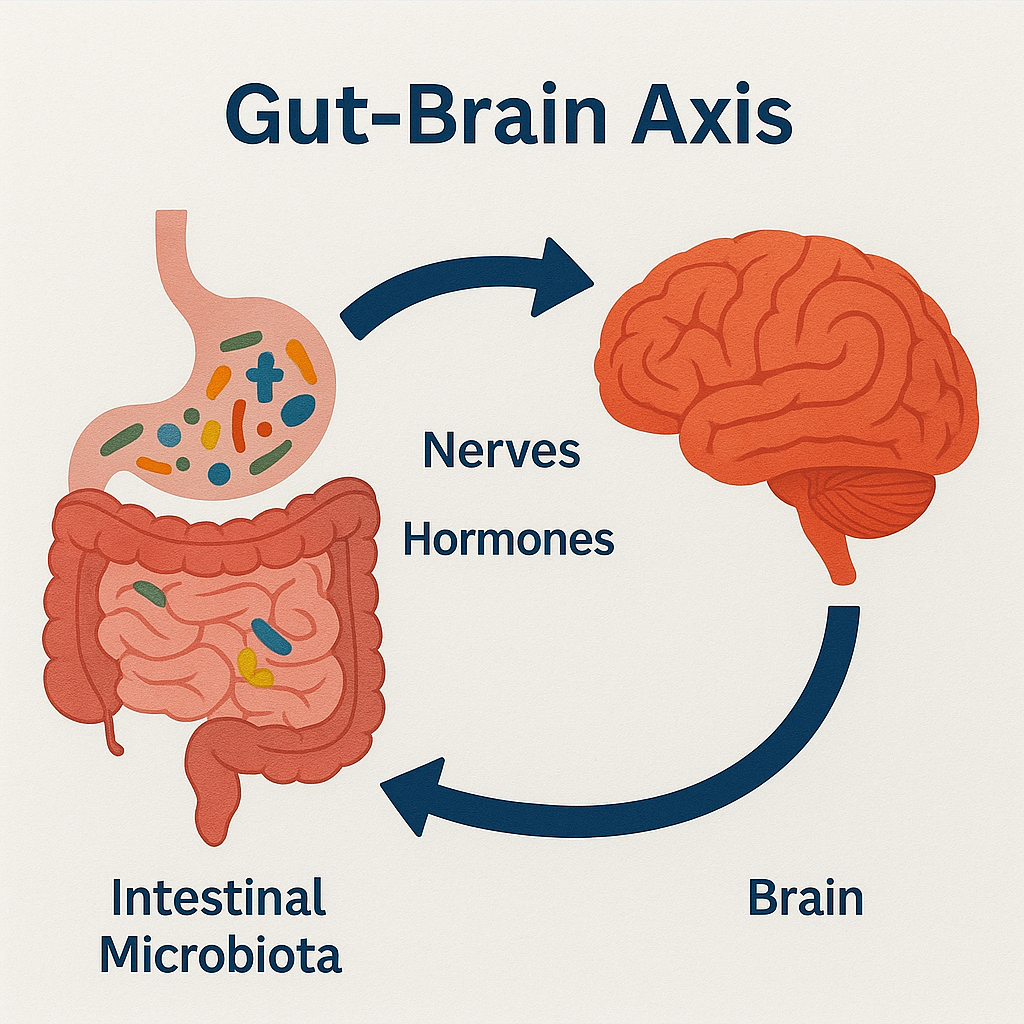
People underestimate how much the gut influences the brain. We now call the gut the “second brain.”
Dr. Harris:
Right. That’s because your gut microbiome produces neuroactive compounds—like serotonin. In fact, 90% of your body’s serotonin is made in your gut.
Key Facts:
- Dysbiosis (microbial imbalance) has been linked to depression, anxiety, and brain fog
- Prebiotics and probiotics support mental clarity and emotional balance
- Fermented foods like kimchi, yogurt, and kefir may influence cognition
🧬 Study Note:
A 2019 Harvard Health article cited multiple studies indicating that modifying the microbiome can reduce symptoms of depression, particularly when paired with a whole-food diet.
🔥 Section 3: Inflammation and Cognitive Decline
Inflammation is now understood as a silent driver of cognitive aging.
Poor dietary patterns increase levels of cytokines, which contribute to neuronal damage and neurodegenerative diseases like Alzheimer's.
Foods That Drive Brain Inflammation:
- Refined sugars
- Trans fats (industrial seed oils)
- Excess alcohol
- Ultra-processed snacks
Anti-Inflammatory Heroes:
- Blueberries
- Turmeric (curcumin)
- Leafy greens
- Wild-caught salmon

🧬 Brain Fact:
Chronic systemic inflammation can breach the blood-brain barrier, leading to neuroinflammation that disrupts memory, decision-making, and even mood.
🍽️ Real-World Applications
Dr. Lin:
So how do we apply all this practically? It’s not about perfection. It’s about making daily upgrades—swapping margarine for avocado oil, or chips for walnuts.
Dr. Harris:
Even starting your day with omega-3s and magnesium-rich greens can shift your baseline cognition. That’s the promise of NeuroNutrition—it’s transformation through food.
🧠 Brain Fog Self-Assessment
Answer the 7 questions below to check your brain clarity and cognitive wellness.
❓ FAQ: NeuroNutrition Deep Dive
1. What’s the difference between a healthy diet and a neuro-nutritious diet?
A healthy diet supports general wellness. NeuroNutrition targets the brain specifically—focusing on nutrients that optimize cognition, mood, and resilience to aging.
2. Can food really help with anxiety and depression?
Yes. Studies in nutritional psychiatry show dietary changes can significantly reduce symptoms of mild to moderate depression and anxiety, especially when focusing on gut health and anti-inflammatory foods.
3. How fast can I feel a difference?
Some people feel improvement in mood and clarity within a few days of cleaning up their diet, especially with sugar reduction. Cognitive performance benefits usually become noticeable within 2–6 weeks.
4. Are supplements necessary?
Not always. If your diet is nutrient-dense, supplements are optional. However, Omega-3, Magnesium, and B-complex are among the most research-backed brain-boosting supplements if you’re deficient.
5. What foods should I absolutely avoid?
- Artificial sweeteners (like aspartame)
- MSG and processed additives
- Trans fats
- Refined sugar
These impair neurochemical balance and increase oxidative stress in brain cells.
6. Does intermittent fasting help brain function?
Yes. Fasting stimulates BDNF (Brain-Derived Neurotrophic Factor), which promotes the growth of new neurons and enhances memory.
✅ Conclusion
NeuroNutrition isn't just about avoiding disease—it's about unlocking your brain’s full potential.
By fueling your body with the right nutrients, you’re not only protecting yourself against memory loss and mood disorders—you’re building a resilient, vibrant brain that can thrive in today’s demanding world.
💬 What Do You Think?
Have you ever tried eating specifically for your brain?
What changes did you notice in your mood, focus, or energy?
👉 Leave a comment below and share your experience or questions—let’s talk brain fuel!
📘 Next Up in the Series:
NeuroNutrition Series – Part 2: Brain Fog 101 – Causes, Foods, and Fixes
Discover what’s really behind brain fog and how your diet can clear the mental haze.


