✅ TL;DR (3-Line Summary)
- Brain fog is a symptom of poor cognitive performance often linked to diet, inflammation, gut health, and stress.
- Highly processed foods, sugar, and nutrient deficiencies play a major role in triggering foggy thinking.
- Strategic changes in nutrition, hydration, and lifestyle can significantly restore clarity, focus, and mental energy.
👥 Expert Dialogue
Dr. Harris (Neuroscientist):
Let’s be honest—how many people feel like their brain is stuck in a cloud these days?
Dr. Lin (Functional Medicine MD):
Absolutely. “Brain fog” has gone from a vague complaint to a public health concern. It’s not just tiredness—it’s a red flag that your brain is under stress.
Dr. Harris:
That’s right. And often the root causes are hiding in plain sight—on your plate, in your gut, and in your daily habits. That’s where NeuroNutrition comes in.
Dr. Lin:
Today, we’re going to unpack what brain fog actually is, what causes it, and how to fix it—starting with what you’re eating.
🗳️ Quick Poll
Do you often experience brain fog after eating?
🌫️ What Is Brain Fog?
Brain fog isn’t a medical diagnosis—it's a collection of symptoms related to poor cognitive function:
- Trouble concentrating
- Memory lapses
- Mental fatigue
- Slowed thinking
- Difficulty finding words
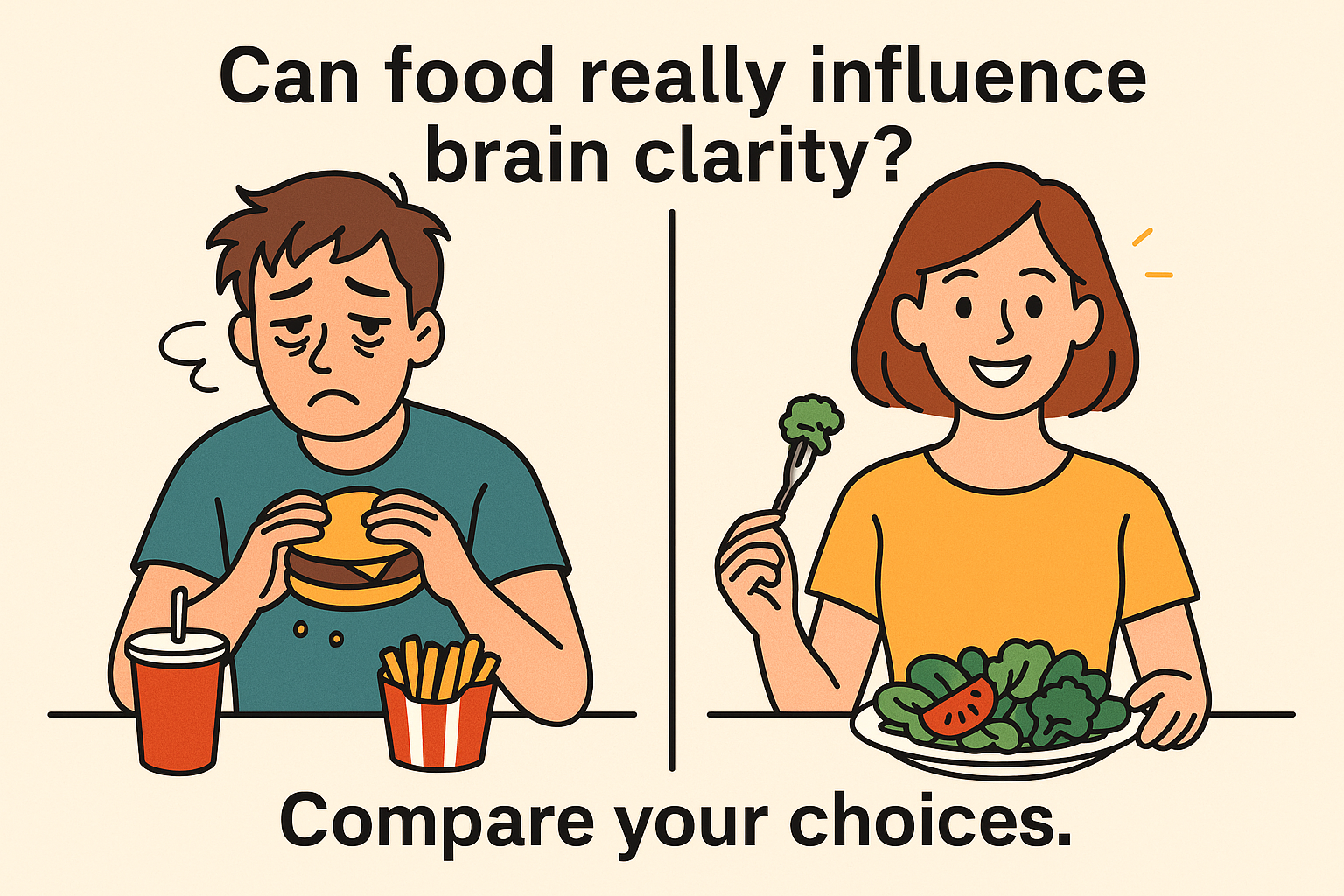
While common, it’s not normal. Chronic brain fog may signal nutritional imbalances, inflammation, gut-brain disruption, or even mitochondrial dysfunction.
🔍 4 Root Causes of Brain Fog
1. 🚫 Inflammatory Diet
Sugary drinks, trans fats, refined carbs, and artificial additives all fuel systemic inflammation, which affects the brain.
🧬 Inflammation can cross the blood-brain barrier and impair neurotransmitter signaling—especially acetylcholine, which governs memory and attention.

2. 😵 Nutrient Deficiencies
Your brain needs constant access to micronutrients:
| Vitamin B12 | Nerve myelination | Confusion, forgetfulness |
| Magnesium | Neuroprotection, mood | Anxiety, insomnia |
| Omega-3 (DHA) | Neuron structure | Slowed cognition |
| Iron | Oxygen delivery | Fatigue, fogginess |
📸 Image 3: Brain-shaped plate with missing puzzle pieces of nutrients
Alt text: "A brain puzzle image where nutrients like B12, DHA, and iron are missing pieces affecting cognitive function"
3. 💩 Gut-Brain Axis Disruption
Over 90% of your serotonin and 50% of your dopamine originate in the gut.
An imbalanced microbiome (dysbiosis) leads to brain fog via:
- Leaky gut → systemic inflammation
- Poor nutrient absorption
- Altered neurotransmitter production
Probiotics, prebiotics, and fermented foods can help re-establish clarity.

4. 🔋 Mitochondrial Dysfunction
Your brain consumes more energy than any other organ.
When mitochondria are impaired due to toxins, lack of sleep, or oxidative stress, mental fatigue and fog follow.
Foods that support mitochondrial function:
- CoQ10 (found in organ meats, sardines)
- Alpha-lipoic acid (spinach, broccoli)
- B vitamins (eggs, legumes)
🍽️ Brain Fog-Fighting Foods
Here’s a table of top foods proven to sharpen focus and restore clarity:
| Blueberries | Rich in anthocyanins, reduce brain inflammation |
| Avocados | Healthy fats for cell membranes |
| Eggs | High in choline for memory neurotransmitters |
| Walnuts | Source of ALA, a plant-based omega-3 |
| Kefir & Yogurt | Feed the microbiome, enhance gut-brain function |
🧠 Lifestyle Fixes That Support Clarity
- Hydration: Even 2% dehydration impairs cognition
- Movement: Exercise increases BDNF, promoting neuroplasticity
- Sleep: 7–9 hours supports glymphatic clearance (brain detox)
- Mindfulness: Reduces cortisol and mental clutter
- Digital Detox: Limit screen time to avoid overstimulation
💬 Reader Story:
"After cutting out processed snacks and switching to a magnesium-rich smoothie in the morning, I stopped waking up with brain fog. It took just 2 weeks to notice a difference!"
→ Do you have a similar experience? Share it in the comments!
🧠 Brain Fog Self-Assessment
Take this quick self-check to assess how your current lifestyle and nutrition might be contributing to brain fog.
❓ FAQ: Brain Fog Demystified
1. How do I know if I have brain fog vs. just being tired?
Brain fog tends to persist despite rest. If your mental clarity doesn’t return after a good night’s sleep, it could be fog—not fatigue.
2. Can stress cause brain fog?
Yes. Chronic cortisol elevation from stress can damage hippocampal neurons, impairing memory and focus.
3. Is brain fog reversible?
In most cases, yes. By addressing root causes like diet, gut health, and sleep, people often experience noticeable improvements in 1–4 weeks.
4. Which supplement helps brain fog the most?
This varies, but commonly effective ones include:
- Omega-3 DHA: Supports neuron membrane fluidity
- Magnesium Threonate: Specifically crosses the blood-brain barrier
- Vitamin B12 (especially for vegetarians)
5. Can blood sugar fluctuations cause brain fog?
Absolutely. Blood sugar spikes and crashes (from high-carb meals) can destabilize focus and mood within hours.
✅ Conclusion
Brain fog is your brain’s way of asking for help.
The great news? With the right nutrients, habits, and self-awareness, you can restore clarity, reclaim focus, and rewire your brain to thrive.
💬 What About You?
Have you experienced brain fog lately?
What lifestyle changes have helped you feel sharper or more focused?
👉 Leave a comment below — your story might inspire someone else!
👉 Next Up:
NeuroNutrition Series – Part 3: Gut-Brain Axis – Discover how your gut microbiome influences your mood, memory, and mental clarity.


