✅ TL;DR (3-Line Summary)
- Mitochondria are the power plants of your cells—and when they malfunction, everything from fatigue to chronic disease can follow.
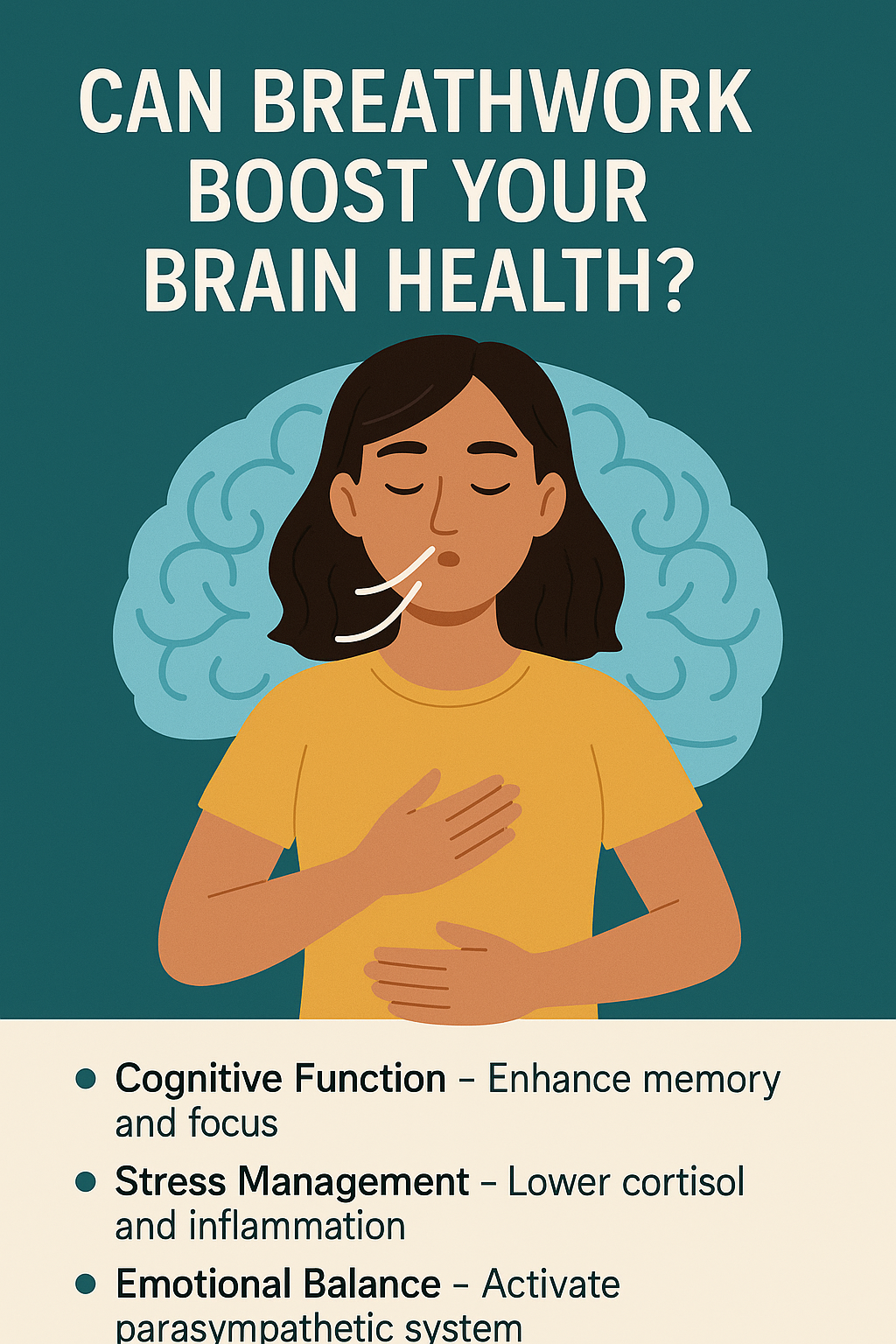
- Supporting mitochondrial function with targeted nutrition, movement, light, and breathwork can dramatically boost energy, brain clarity, and longevity.
- Optimizing mitochondrial health is the cornerstone of effective biohacking—and it starts at the cellular level.
👩⚕️ Expert Dialogue
Reader (Jordan, 39):
"I keep hearing about mitochondria on podcasts—some say it's the key to energy, aging, and even mood. Is that true? Or just another wellness buzzword?"
Dr. Lin (Functional Medicine MD):
Great question, Jordan. Mitochondria are responsible for producing over 90% of your body's cellular energy. They affect not just fatigue, but also inflammation, brain health, hormone balance—even longevity.
Dr. Harper (Cellular Biologist):
Exactly. If your mitochondria are stressed or damaged, your entire body suffers. But here’s the good news: we can biohack them with science-based strategies—without needing to take 15 supplements a day.
Dr. Lin:
Let’s break it down into what’s real, what’s hype, and what actions you can take right now to build a mitochondrial upgrade protocol.

🔬 Core Topics
1. What Are Mitochondria—and Why Do They Matter?
Mitochondria are tiny organelles in nearly every cell, known primarily for producing ATP (adenosine triphosphate), the energy currency of life. But they also regulate:
- Inflammation control
- Reactive oxygen species (ROS) balance
- Apoptosis (cell death signaling)
- Hormone synthesis
- Cellular aging (senescence)
🧠 Low mitochondrial efficiency = brain fog
❤️ High oxidative damage = cardiovascular risk
🧬 Dysfunction = linked to neurodegeneration, diabetes, cancer, and chronic fatigue
2. Signs Your Mitochondria May Be Under Stress
- Daily fatigue, even after full sleep
- Exercise intolerance
- Brain fog, forgetfulness
- Depression, mood swings
- Poor blood sugar control
- Cold extremities
⚠️ A 2019 study published in Molecular Biology Reports found that mitochondrial DNA damage was 10x higher in people with chronic fatigue syndrome compared to healthy individuals.
3. Mitochondrial Biohacks That Actually Work
| Red Light Therapy | Stimulates cytochrome c oxidase to improve ATP output | Use 5–10 min per day, 660–850 nm red/NIR spectrum |
| Cold Exposure | Triggers mitochondrial biogenesis | Cold showers or 2-min ice immersion |
| Zone 2 Cardio | Enhances mitochondrial density | 30–45 min, 3–4x/week (brisk walk or light cycling) |
| Fasting | Initiates mitophagy (clears damaged mitochondria) | Try 16:8 or 5:2 fasting |
| Nutritional Support | Provides mitochondrial cofactors | Include CoQ10, PQQ, magnesium, alpha-lipoic acid |
📊 Quick Poll
Do you currently take any supplements or use strategies to support mitochondrial health?
- Yes, consistently
- Sometimes
- Not yet, but interested
💬 Reader Story
Name: Kim, 51 – Executive Coach & Parent of 3
Challenge: Chronic fatigue, mid-day crashes, brain fog
What Changed:
Kim added daily walks + intermittent fasting + magnesium glycinate + red light therapy.
Results after 30 days:
- Energy increased by 40% (subjective journal + wearable data)
- HRV improved from 46 → 71
- Sleep score +15%
- Mood significantly more stable
Kim says:
“I stopped trying to ‘push through’ and started supporting my cells. The difference was night and day.”
❓ FAQ
Q1: How much energy do mitochondria produce?
A: Each human cell contains between 500–2,000 mitochondria, producing up to 290 lbs of ATP daily for the entire body. That’s like charging your iPhone 10,000 times per day—inside your body.
Q2: Can I test my mitochondrial function?
A: Indirectly, yes.
Tests like organic acids panel (OAT), lactate/pyruvate ratios, and fatigue biomarkers give clues.
Wearables tracking HRV, sleep score, and recovery are also helpful proxies.
Q3: What foods help mitochondria?
A:
- Wild salmon (omega-3s)
- Grass-fed liver (CoQ10 + B vitamins)
- Blueberries (polyphenols)
- Dark chocolate (mitochondrial blood flow)
- Green tea (EGCG antioxidant power)
Q4: Do mitochondrial supplements really work?
A: Yes—when used consistently and in the right form.
Clinical trials on CoQ10, PQQ, and NAD+ boosters show statistically significant increases in cellular energy and exercise output in older adults (source: JAMA, 2022).
Q5: Can mitochondria affect mood or mental health?
A: Absolutely.
A 2023 review in Frontiers in Psychiatry links mitochondrial dysfunction to depression, anxiety, and even bipolar disorder via impaired neurotransmitter production and oxidative stress.
✅ Self-Check: How Mitochondria-Supported Are You?
Check all statements that apply to you:


