✅ TL;DR (3-Line Summary)
- The gut microbiome plays a direct role in regulating brain health, cognition, mood, and mental clarity via the gut-brain axis.
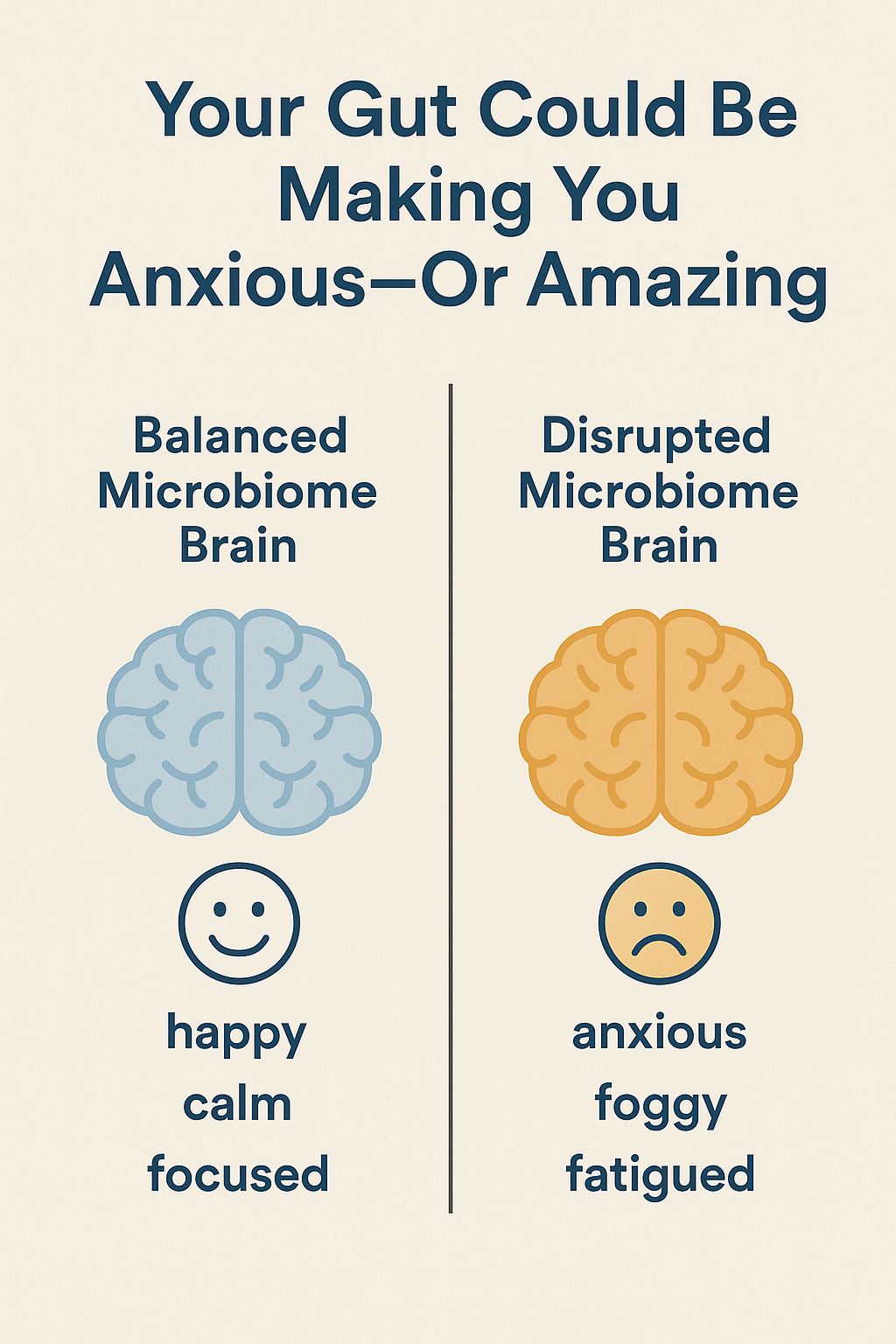
- Dysbiosis (imbalanced gut flora) is linked to anxiety, depression, ADHD, and cognitive fog through inflammatory and neurotransmitter pathways.
- You can upgrade your brain by optimizing your gut—with targeted probiotics, prebiotics, polyphenols, and microbiome-smart lifestyle strategies.
👩⚕️ Expert Dialogue
Reader (Clara, 34):
“I thought the gut was just for digestion—but now I’m hearing it can influence depression, brain fog, and even focus? How does that even work?”
Dr. Lin (Functional Medicine MD):
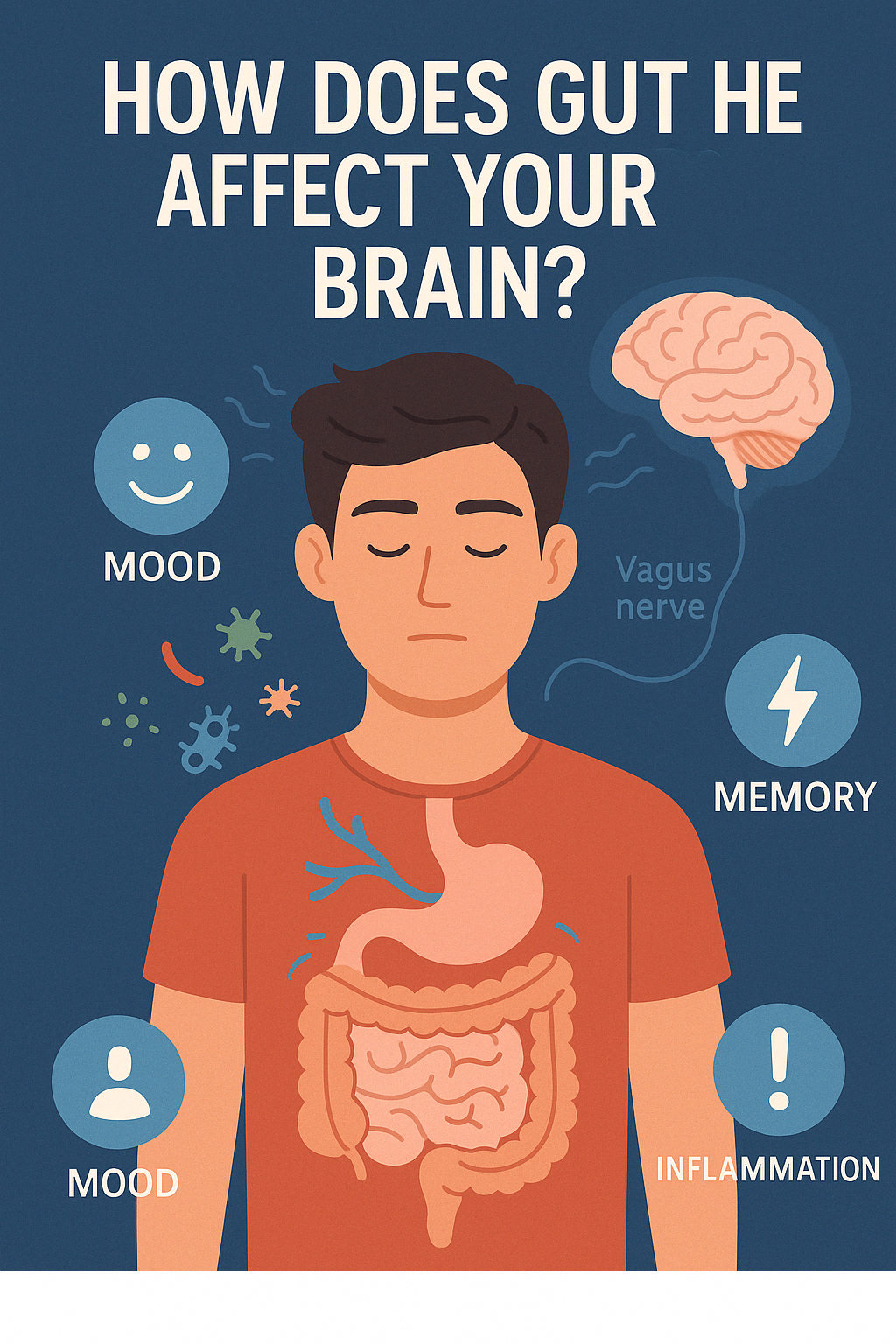
Great question, Clara. Your gut is home to over 100 trillion microbes, and they’re not just digesting food—they’re producing neurotransmitters like serotonin, GABA, and even dopamine. That’s why we call it the second brain.
Dr. Harper (Neuroscientist & Gut-Brain Researcher):
Exactly. These microbes interact with the brain via the vagus nerve, hormone signaling, immune pathways, and even through metabolites like short-chain fatty acids (SCFAs). When your gut is inflamed or out of balance, your brain knows it.
Dr. Lin:
Mood swings, anxiety, mental fatigue—these aren’t always psychological. They might be microbial. The gut-brain axis isn’t just real—it’s hackable.

🔬 Core Topics
1. The Gut-Brain Axis: How Microbes Talk to Neurons
- Over 90% of serotonin is produced in the gut—not the brain.
- The vagus nerve is the direct superhighway between the digestive tract and the central nervous system.
- Dysbiosis activates inflammatory cytokines, which impair cognitive flexibility and emotional regulation.
📊 A 2022 meta-review in Nature Reviews Neuroscience confirmed that individuals with depression consistently show altered gut microbial diversity—especially reduced Lactobacillus and Bifidobacterium species.
2. Symptoms That Suggest Your Brain Fog Is Gut-Based
- Daily bloating, gas, or IBS-like symptoms
- Brain fog within 30–90 minutes after eating
- Sugar and carb cravings
- Skin issues (acne, eczema)
- Anxiety that worsens after meals
- Reactions to probiotics or fermented foods
🧠 These clues often point to leaky gut, SIBO, or a microbiome imbalance affecting neurotransmitter regulation.
3. Gut-First Biohacks for Brain Health
| Probiotic-Rich Foods | Replenish microbial diversity & mood-regulating bacteria | Kimchi, yogurt, kefir, miso (2–3x/week) |
| Prebiotic Fibers | Feed short-chain-fatty-acid-producing bacteria (SCFAs = anti-inflammatory) | Oats, green banana, asparagus, Jerusalem artichoke |
| Polyphenols | Protect gut lining, reduce neuroinflammation | Blueberries, green tea, dark chocolate daily |
| Gut-to-Brain Breathing | Activates vagus nerve & lowers cortisol | 4-7-8 breathing, humming, cold face plunges |
| Targeted Supplementation | May include L-glutamine, magnesium, or spore-based probiotics | With practitioner guidance or personal tracking |
📊 Quick Poll
Have you ever noticed a connection between your gut health and mood or mental clarity?
📊 Quick Poll: Have you ever noticed a connection between your gut health and mood or mental clarity?

💬 Reader Story
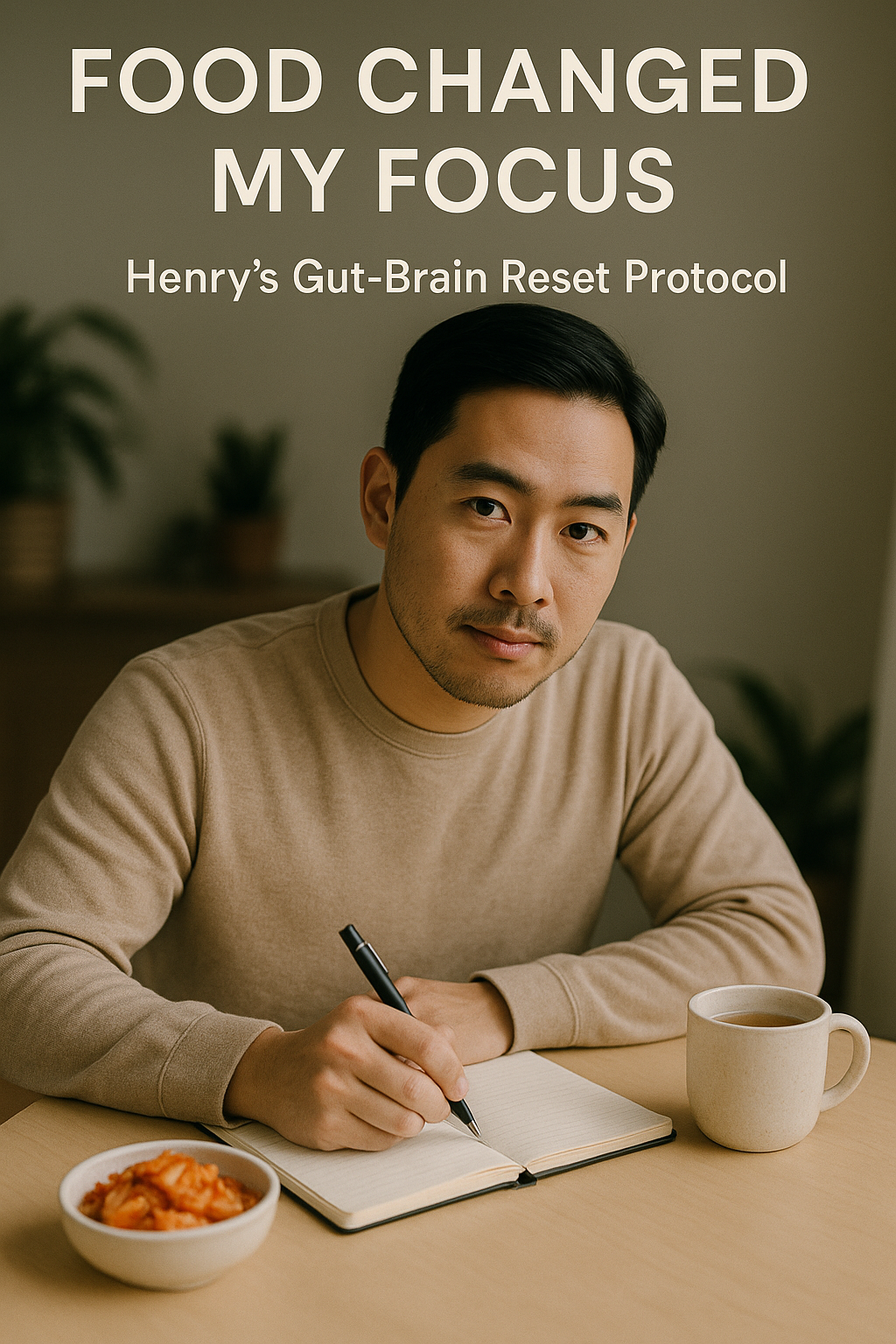
Name: Henry, 44 – Creative Director & Marathoner
Challenge: Brain fog and anxiety that worsened mid-afternoon
Discovery: After taking a microbiome test, Henry learned he had extremely low Bifidobacterium levels and high markers of intestinal inflammation.
Actions Taken:
- Introduced fermented vegetables + green banana powder
- 4-7-8 breathwork before meals
- Cut processed sugar for 30 days
Results:
- Clearer thinking within 10 days
- HRV improved from 48 → 65
- Daily anxiety reduced by 70% (tracked with mood app)

❓ FAQ
Q1: How much of our serotonin is produced in the gut?
A: Approximately 90–95% of serotonin is synthesized in the gut lining via enterochromaffin cells.
These cells are influenced directly by the microbiota, especially Lactobacillus rhamnosus and Bifidobacterium infantis.
Q2: Can changing gut bacteria reduce anxiety?
A: Yes. A 2021 study published in Translational Psychiatry found that participants taking a multi-strain probiotic showed a 50% reduction in anxiety symptoms over 8 weeks compared to placebo. Gut-brain therapies are now used in psychiatry clinics.
Q3: What’s the fastest way to impact the gut-brain axis?
A: Vagus nerve stimulation (like cold exposure or 4-7-8 breathing) provides immediate parasympathetic activation, improving digestive function and reducing stress hormones.
Most users feel calmer within 2–3 minutes.
Q4: Are probiotics enough to fix gut-brain issues?
A: Not always. If there's leaky gut, SIBO, or chronic inflammation, probiotics alone may worsen symptoms. In these cases, phased protocols involving gut lining repair and microbiome rebalance work best.
Q5: Can gut health affect focus and memory?
A: Absolutely. A 2022 review in Frontiers in Neuroscience links gut microbiota imbalances to impaired working memory, mental fatigue, and even executive function—via inflammation and neurotransmitter disruption.
✅ Self-Check: Is Your Gut Affecting Your Brain?
Check all that apply:
💬 Call to Action
Your gut isn’t just digesting your food—it’s shaping your mind.
What small step will you take this week to feed your brain… from the inside out?


