Emma and Jake are two friends who live busy lives. Emma has mastered the art of stress management, while Jake constantly feels overwhelmed. Let's dive into their conversation as they discuss stress and science-backed ways to manage it.
1️⃣ What Is Stress?
Jake: Emma, I don’t get it. You always seem so calm, no matter how stressful things get. Meanwhile, I feel like my stress levels are through the roof!
Emma: Oh, trust me, Jake. I used to be exactly like you—until I started learning about the science of stress and how to manage it properly. Did you know that stress isn't always bad? Short-term stress can actually help you stay alert. But chronic stress? That’s the real problem.
Jake: Yeah, I’ve heard stress can mess with your health, but how bad is it really?
Emma: Pretty bad. Studies show that chronic stress weakens the immune system and increases inflammation. A 2020 study published in the Journal of Neuroendocrinology found that people with high cortisol levels were more prone to infections and slower recovery times.
Jake: Wow, I didn’t realize stress could literally make you sick. So what exactly happens in the body when we’re stressed?
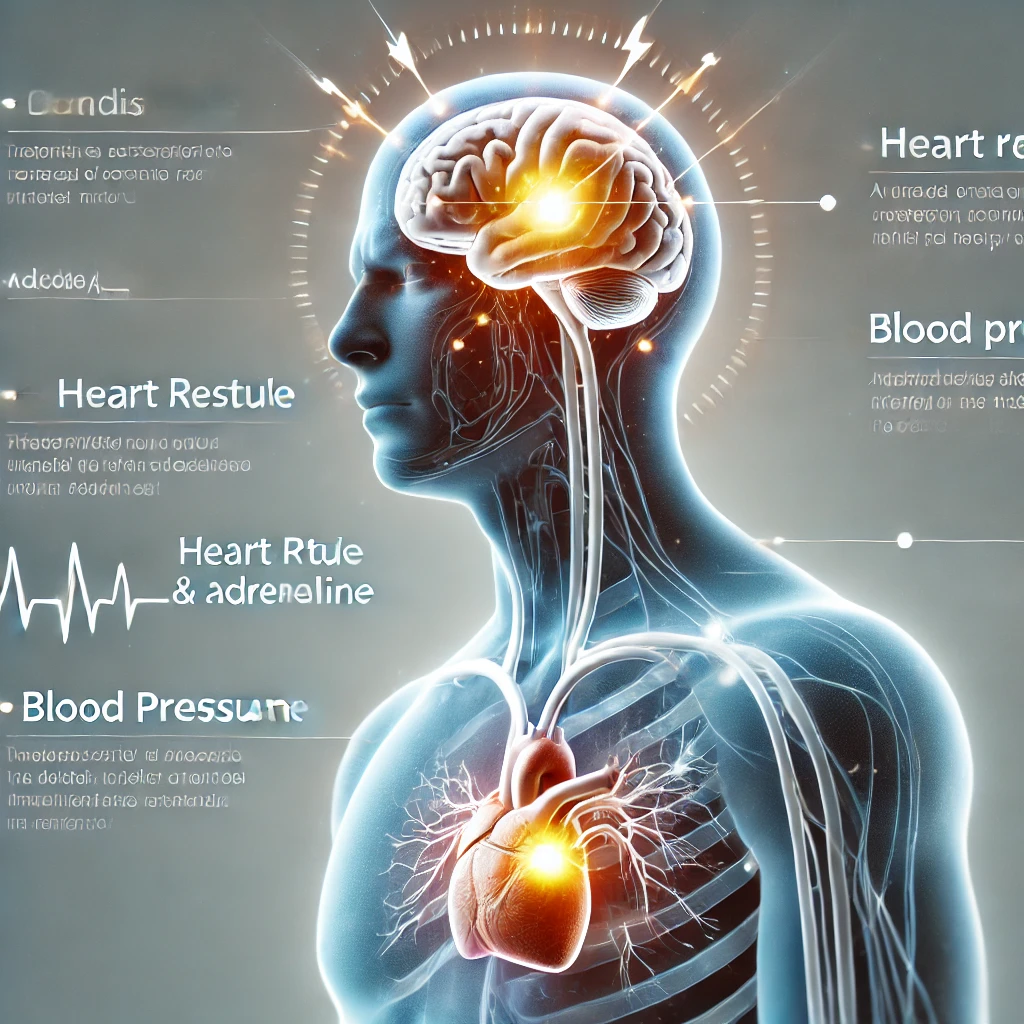
Emma: Great question! When you feel stressed, your body releases cortisol and adrenaline. These hormones prepare you for a “fight or flight” response, increasing your heart rate and blood pressure. But if they stay elevated for too long, they start to cause damage.
Jake: So stress is basically an alarm system that gets stuck in the "on" position?
Emma: Exactly! And that’s when it starts affecting your mental and physical health.
2️⃣ How Stress Affects Your Health
Emma: Chronic stress has been linked to all sorts of issues: 🔹 Mental Health → Higher risk of anxiety and depression (American Psychological Association)
🔹 Heart Health → Increased blood pressure, higher risk of heart disease (Harvard Health)
🔹 Immune System → Weakened immunity, making you more prone to illness
🔹 Brain Function → Impaired memory, difficulty concentrating (National Institute on Aging)
Jake: No wonder I feel exhausted all the time. So what can I actually do about it?
Emma: Glad you asked! Science has some great solutions.
3️⃣ Science-Backed Ways to Manage Stress
📌 1. Deep Breathing & Meditation
Emma: Meditation has been shown to lower cortisol levels by up to 30% (JAMA Internal Medicine, 2014). Deep breathing techniques like box breathing can help, too.
Jake: Box breathing? What’s that?
Emma: It’s simple. Inhale for 4 seconds, hold for 4 seconds, exhale for 4 seconds, hold for 4 seconds. Try it a few times—it really works!
📌 2. Exercise for Stress Reduction

Emma: Did you know that people who exercise regularly have a 25% lower risk of developing anxiety disorders? (American Journal of Psychiatry, 2018)
Jake: Okay, but I don’t have time for an hour-long workout every day.
Emma: No worries! Even a 10-minute walk or stretching can help lower cortisol levels and boost endorphins.
📌 3. Spend Time in Nature

Emma: Just 20 minutes in nature can reduce stress hormone levels by 21% (Frontiers in Psychology, 2019).
Jake: So you’re telling me a walk in the park could literally lower my stress?
Emma: Yup! Green spaces work wonders for mental health.
📌 4. Eat Stress-Reducing Foods

Emma: Nutrition plays a role, too. Foods like dark chocolate, green tea, and omega-3-rich foods help regulate cortisol levels.
Jake: So my stress snack should be dark chocolate instead of chips?
Emma: Exactly! And don’t forget to stay hydrated. Dehydration can increase stress levels, too.
📌 5. Social Connection & Gratitude

Emma: Social interaction is key. A study from UC Berkeley found that expressing gratitude reduces stress by 23%.
Jake: That’s easy enough! Maybe I’ll start by texting a friend or writing down three things I’m grateful for each day.
Emma: Perfect! Little habits like that make a big difference over time.
🌟 How Well Are You Managing Stress?
Final Thoughts
Jake: Alright, Emma, I’m convinced. I’ll start small—maybe some deep breathing and a gratitude journal.
Emma: That’s the way to do it! Stress might be unavoidable, but you can absolutely learn to control it.
💬 What are your go-to stress management techniques? Share your thoughts in the comments below!
'Mental Health & Well-being' 카테고리의 다른 글
| 📱 The Impact of Digital Detox on Mental and Physical Health (0) | 2025.03.09 |
|---|---|
| 🦠 The Link Between Gut Health and Mental Well-Being (0) | 2025.03.09 |
| 💡 The Mystery of Disappearing Energy: Are You Secretly Draining Yourself? (0) | 2025.03.07 |
| Why Am I Always Tired? 7 Hidden Reasons You Might Be Overlooking (1) | 2025.03.06 |
| ✨ Can Stress Really Cause Hair Loss? 💭 (2) | 2025.03.06 |


