Introduction
Emma and Jake are discussing their daily routines. Emma has recently tried a "digital detox" and noticed some surprising benefits, while Jake finds himself constantly glued to his phone and struggling with stress. Let’s listen to their conversation and explore how reducing screen time can improve both mental and physical health.
1️⃣ Why Is Screen Time a Growing Concern?
Jake: Emma, I don't get it. How do you just put your phone away? I feel like I need to check emails, social media, and the news all the time.
Emma: That’s exactly why I decided to take a break. Too much screen time can seriously affect both your brain and body. Have you ever heard of "digital overload"?
Jake: Digital overload? Like when my brain feels fried after scrolling for hours?
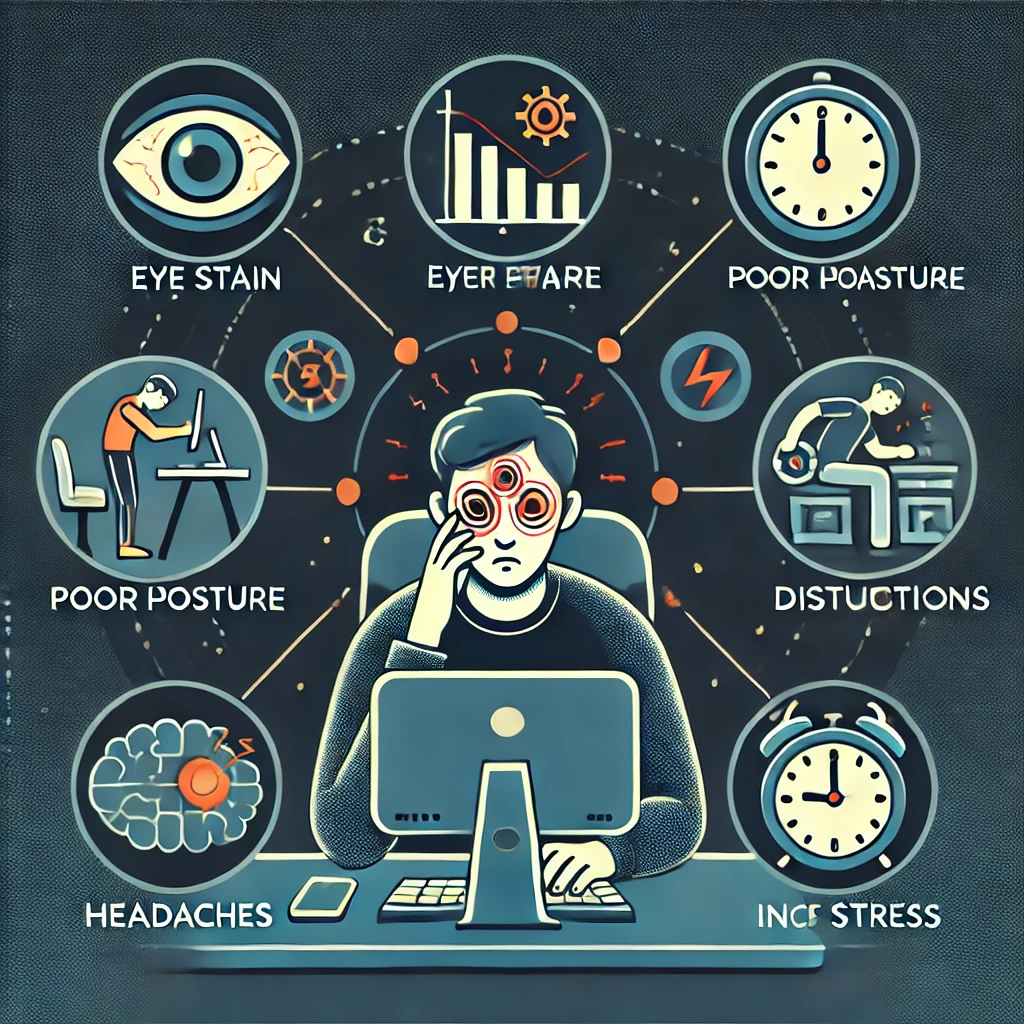
Emma: Exactly! Studies show that excessive screen time leads to higher stress levels, sleep disturbances, and reduced attention span.
🔬 A 2023 study in The Lancet Digital Health found that individuals who spent more than 6 hours per day on screens had a 40% higher risk of anxiety and depression compared to those with limited screen time. (Source)
Jake: Whoa, that’s serious. But what about work? I can’t just ignore my phone.
Emma: You don’t have to quit entirely, but setting limits can help. Let’s talk about why digital detoxing works.
2️⃣ The Health Effects of Too Much Screen Time
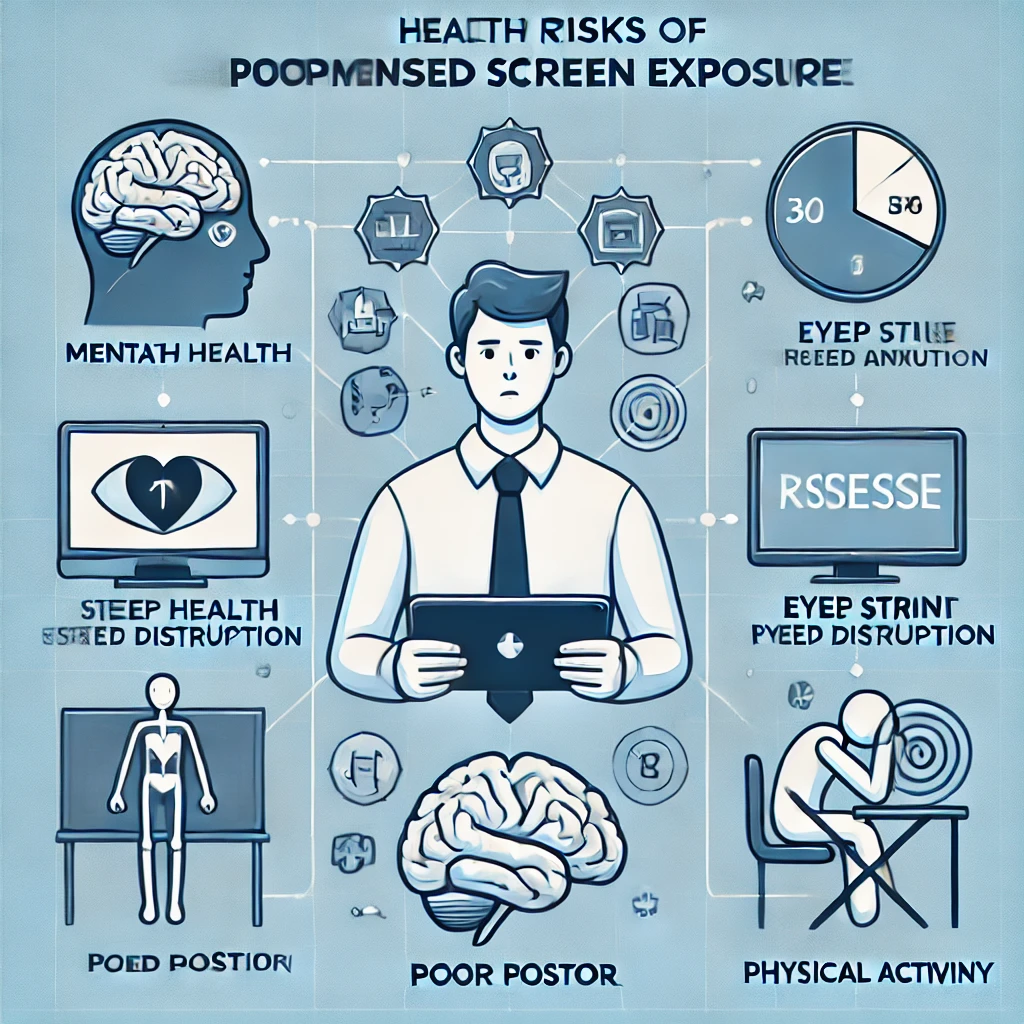
Emma: There are several ways excessive screen time affects your health:
🔹 Mental Health Issues → Increased anxiety, depression, and decreased focus (American Psychological Association). 🔹 Disrupted Sleep Cycles → Blue light exposure reduces melatonin, making it harder to fall asleep (Harvard Medical School). 🔹 Eye Strain & Headaches → Digital eye strain affects over 60% of frequent screen users (Journal of Ophthalmology). 🔹 Poor Posture & Physical Strain → "Tech neck" and back pain from prolonged screen use (National Institute of Health). 🔹 Reduced Social Interaction → Excessive phone use reduces face-to-face connections, leading to loneliness.
Jake: That explains why I feel tired even after sleeping. So, how can I fix this without giving up my phone completely?
Emma: That’s where a digital detox comes in.

3️⃣ How to Do a Digital Detox and Improve Your Health
📌 1. Set Screen Time Limits
Emma: Start by using built-in screen time tracking apps to monitor and reduce your daily usage.
✅ Tips:
- Set app limits for social media.
- Schedule "screen-free" hours (e.g., during meals, before bed).
- Use grayscale mode to make screens less addictive.
🔬 A 2022 study in JAMA Psychiatry found that reducing screen time by just 30 minutes per day led to a 25% improvement in sleep quality. The study observed that participants who reduced screen exposure before bedtime experienced faster sleep onset, fewer nighttime awakenings, and longer deep sleep phases. Moreover, melatonin production increased by approximately 20%, which helped regulate their circadian rhythms more effectively. (Source)
📌 2. Take Frequent Breaks
Emma: The 20-20-20 rule is great for reducing eye strain—every 20 minutes, look at something 20 feet away for 20 seconds.
✅ Additional Tips:
- Stretch and walk every hour.
- Use blue light filters or glasses.
- Adjust screen brightness and contrast.
📌 3. Create Tech-Free Zones
Emma: Designate certain areas of your home as screen-free spaces—like the bedroom or dining area.
✅ What to do:
- Replace phone time with reading or hobbies.
- Use an actual alarm clock instead of your phone.
- Keep devices out of reach during meals and bedtime.
📌 4. Engage in Offline Activities
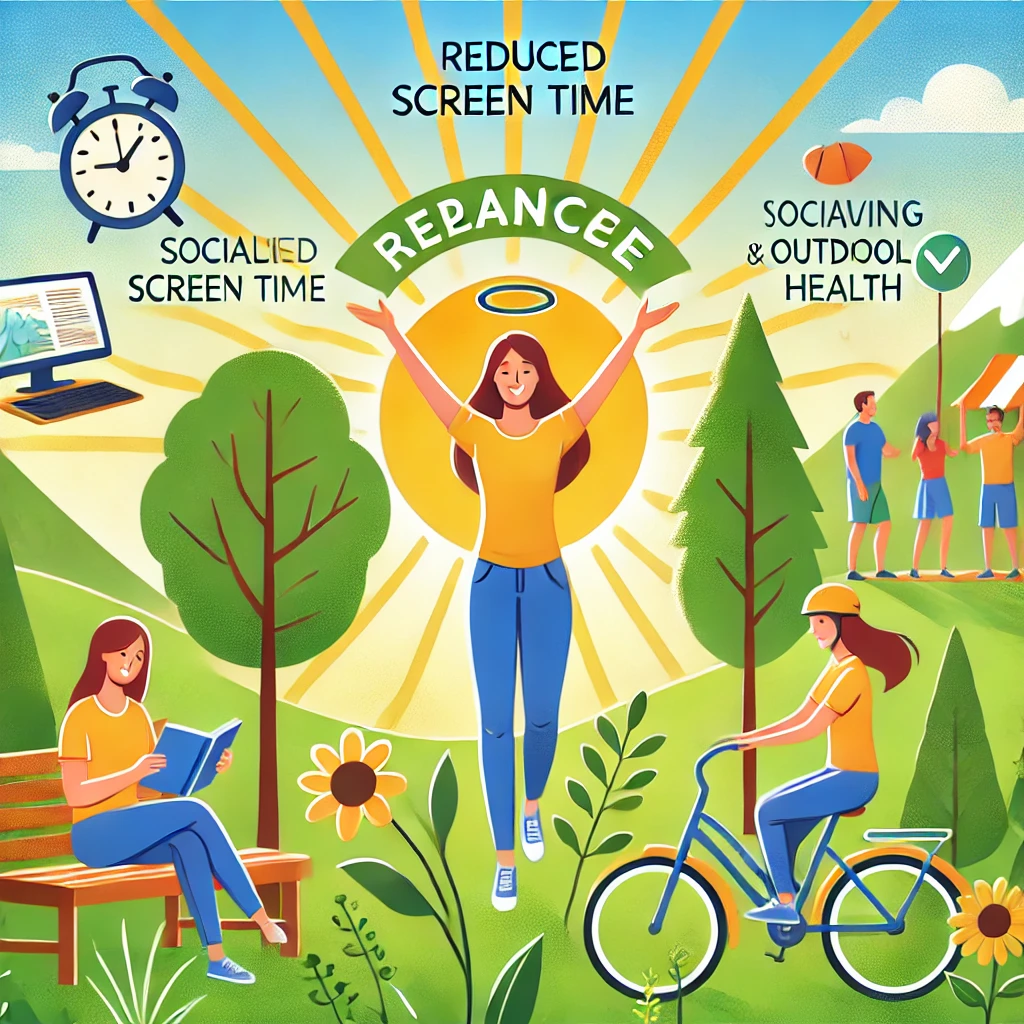
Emma: Reconnect with hobbies and outdoor activities to naturally reduce screen dependency.
✅ Ideas:
- Read a book or journal.
- Go for a walk or exercise.
- Try meditation or mindfulness practices.
🔬 A 2021 study in Frontiers in Psychology found that individuals who engaged in outdoor activities for at least 30 minutes a day experienced a 15% reduction in stress levels. The study, which included over 2,000 participants over a six-month period, divided them into groups that either participated in activities such as walking in parks and meditating in green spaces or continued their usual indoor routines. The group that spent time outdoors showed an average 18% decrease in cortisol (the stress hormone) and reported improved mood stability and better sleep quality. Additionally, exposure to natural light was found to help regulate circadian rhythms and increase melatonin production, contributing to improved overall well-being. (Source)
📱 7-Question Digital Overload Self-Check
Answer honestly to find out if you need a Digital Detox!
Final Thoughts
Jake: Okay, Emma, I think I’ll start by setting screen time limits and taking more breaks. No more phone in bed!
Emma: That’s a great step! A little digital detox can go a long way.
💬 How do you manage your screen time? Share your thoughts in the comments below!
'Mental Health & Well-being' 카테고리의 다른 글
| THE IMPACT OF STRESS ON MENTAL HEALTH: HOW MODERN LIFE AFFECTS OUR MINDS (2) | 2025.03.14 |
|---|---|
| Are You Keeping Up with the Global Health Trends? 🌍 (0) | 2025.03.12 |
| 🦠 The Link Between Gut Health and Mental Well-Being (0) | 2025.03.09 |
| 🧘 The Science of Stress Management (0) | 2025.03.09 |
| 💡 The Mystery of Disappearing Energy: Are You Secretly Draining Yourself? (0) | 2025.03.07 |


