🔍 TL;DR (Summary)
- Chronic inflammation disrupts hormonal balance, affecting cortisol, insulin, estrogen, and thyroid hormones.
- This disruption can lead to fatigue, weight gain, mood swings, and other health issues.
- Understanding the link between inflammation and hormones is crucial for restoring balance and health.

Alt Text: "Visual diagram showing the disruption of the endocrine system by chronic inflammation, including cortisol, insulin, thyroid, and estrogen imbalances."
🎙️ Expert Dialogue: Understanding the Impact
Patient (Alex):
I've been feeling constantly tired, gaining weight, and experiencing mood swings. My doctor says everything looks normal.
Dr. Emily Thompson (Endocrinologist):
Alex, these symptoms could be due to chronic inflammation affecting your hormonal balance.
Alex:
How does inflammation impact hormones?
Dr. Thompson:
Chronic inflammation can disrupt the hypothalamic-pituitary-adrenal (HPA) axis, leading to imbalances in cortisol, insulin resistance, and thyroid dysfunction. This can manifest as the symptoms you're experiencing.
Alex:
What can I do to address this?
Dr. Thompson:
Adopting an anti-inflammatory diet, managing stress, and regular exercise can help. It's also important to monitor hormone levels and consult with a healthcare provider for personalized guidance.
🧬 Hormonal Imbalance Risk Self-Check
Answer these 10 questions to evaluate your risk of hormone disruption caused by chronic inflammation.
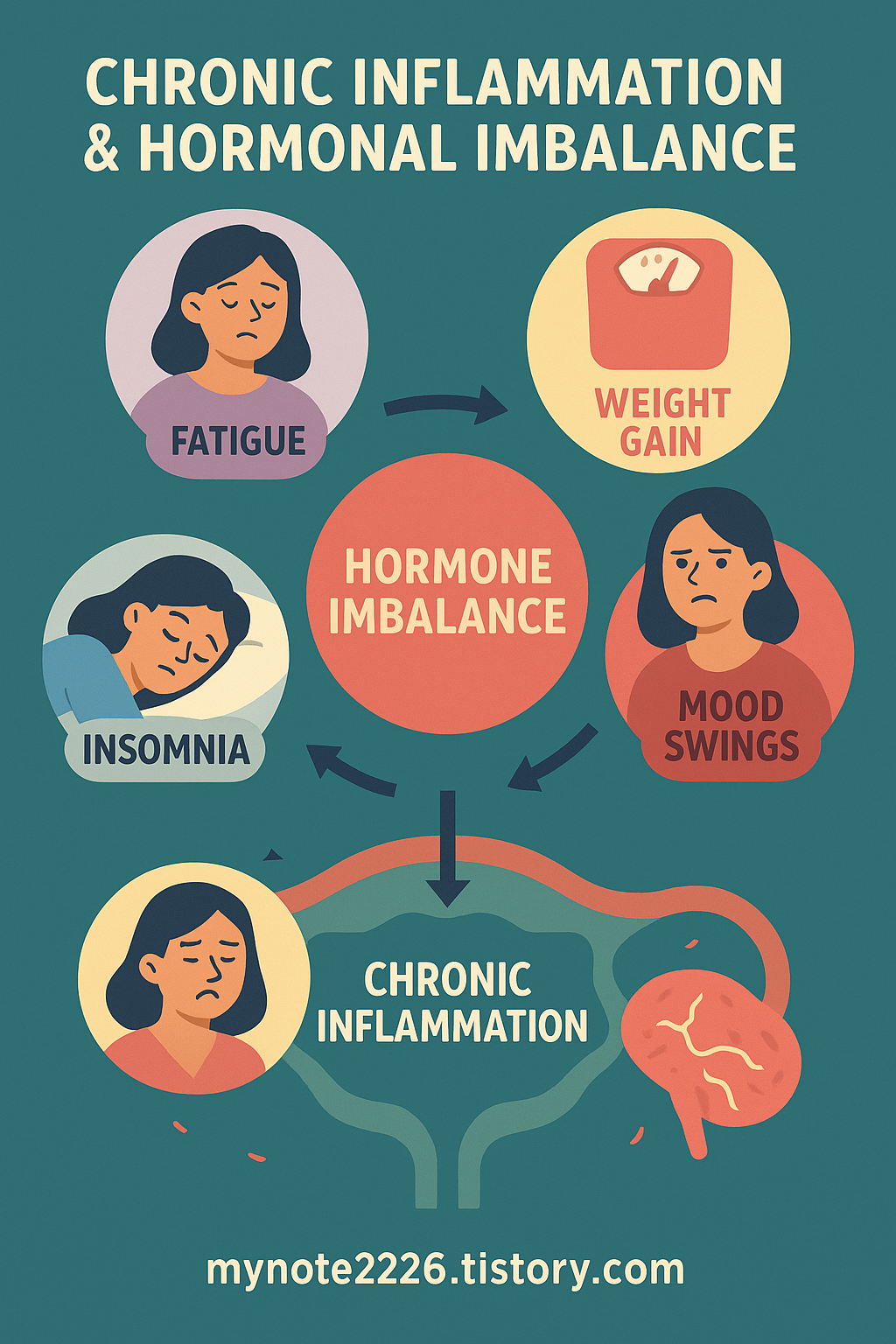
Alt Text: "Infographic illustrating the cycle of chronic inflammation leading to hormonal imbalance and symptoms such as fatigue, weight gain, mood swings, and insomnia.
📘 FAQ: Hormonal Imbalance and Inflammation
Q1: How does chronic inflammation disrupt hormonal balance?
A: Chronic inflammation affects the HPA axis, leading to elevated cortisol levels, insulin resistance, and impaired thyroid function. This disruption can cause various health issues, including fatigue and mood disorders.
Q2: What are common symptoms of hormonal imbalance?
A: Symptoms include fatigue, weight gain, mood swings, sleep disturbances, irregular menstrual cycles, skin changes, digestive issues, and decreased libido.Natural Endocrinology Specialists
Q3: Can diet influence hormonal balance?
A: Yes, an anti-inflammatory diet rich in whole foods, healthy fats, and low in processed sugars can help restore hormonal balance.
Q4: How does stress impact hormones?
A: Chronic stress elevates cortisol levels, which can disrupt other hormones like insulin and thyroid hormones, leading to various health problems.
Q5: Are there natural supplements that support hormonal balance?
A: Supplements like omega-3 fatty acids, vitamin D, magnesium, and adaptogenic herbs (e.g., ashwagandha) may support hormonal health. Consult a healthcare provider before starting any supplement regimen.
🛠️ Restoring Hormonal Balance
- Diet: Adopt an anti-inflammatory diet focusing on whole foods, lean proteins, healthy fats, and plenty of vegetables.
- Exercise: Engage in regular physical activity to improve insulin sensitivity and reduce stress.
- Sleep: Aim for 7-9 hours of quality sleep per night to support hormonal regulation.
- Stress Management: Incorporate stress-reducing practices like meditation, yoga, or deep breathing exercises.
- Medical Consultation: Work with a healthcare provider to monitor hormone levels and develop a personalized treatment plan.
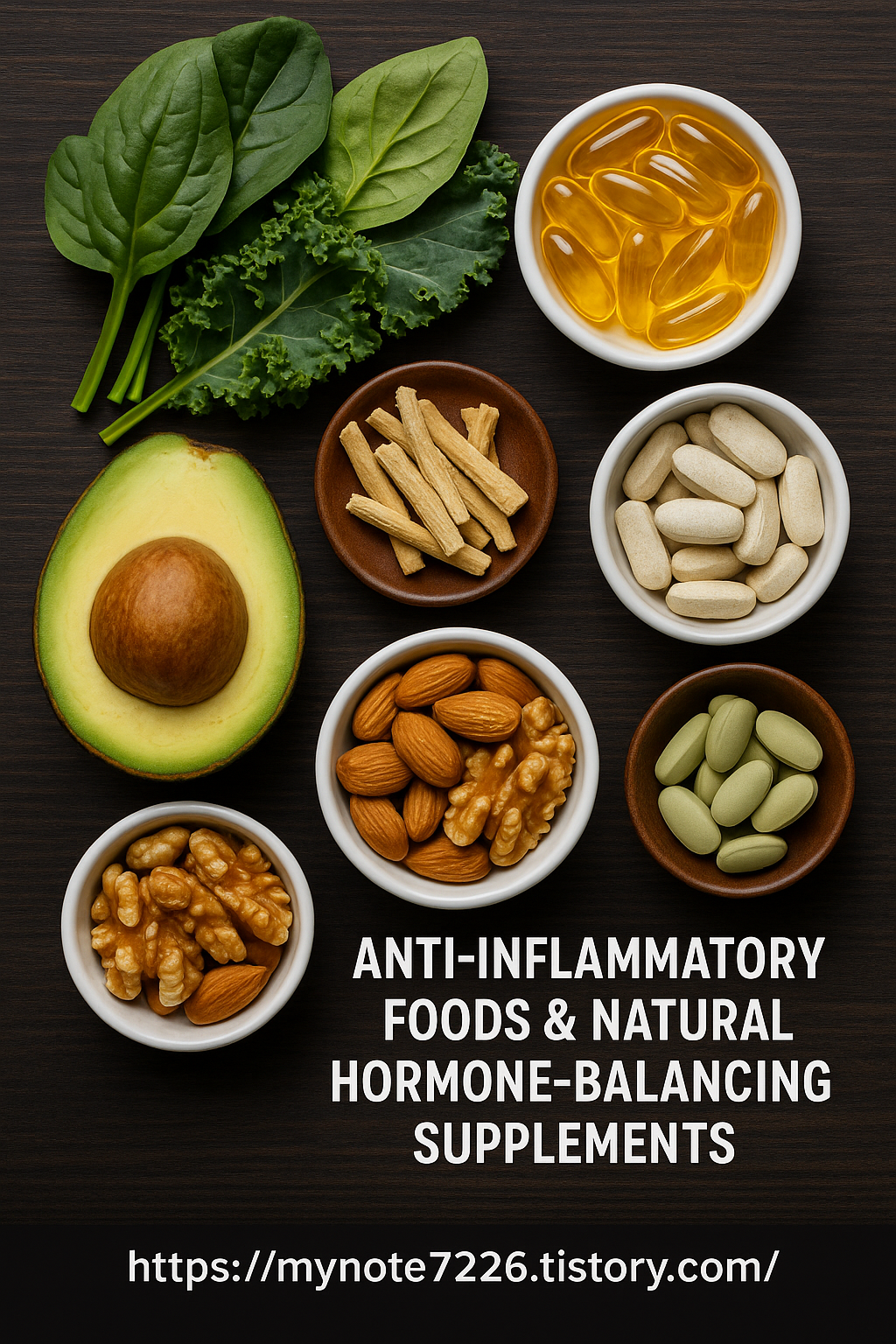
Alt Text: "Flat lay of anti-inflammatory foods and natural hormone-balancing supplements including leafy greens, omega-3 capsules, adaptogens, and magnesium."
📚 Recommended Resources
- The Hormone Cure by Dr. Sara Gottfried
- The Inflammation Spectrum by Dr. Will Cole
- Anti-Inflammatory Diet Meal Prep
Understanding the intricate relationship between chronic inflammation and hormonal balance is essential for overall health. By recognizing the signs and implementing lifestyle changes, you can take proactive steps toward restoring harmony within your body.


