🧒 The Growing Concern of Childhood Obesity 🚨

Childhood obesity has become a major health concern worldwide. With increasing cases among children and teenagers, experts worry about its long-term impact on their well-being. But what exactly is causing this rise? Is it just poor diet and lack of exercise, or are there deeper factors at play? Let’s dive into this important topic with a conversation. 👇
💬 A Conversation on Childhood Obesity
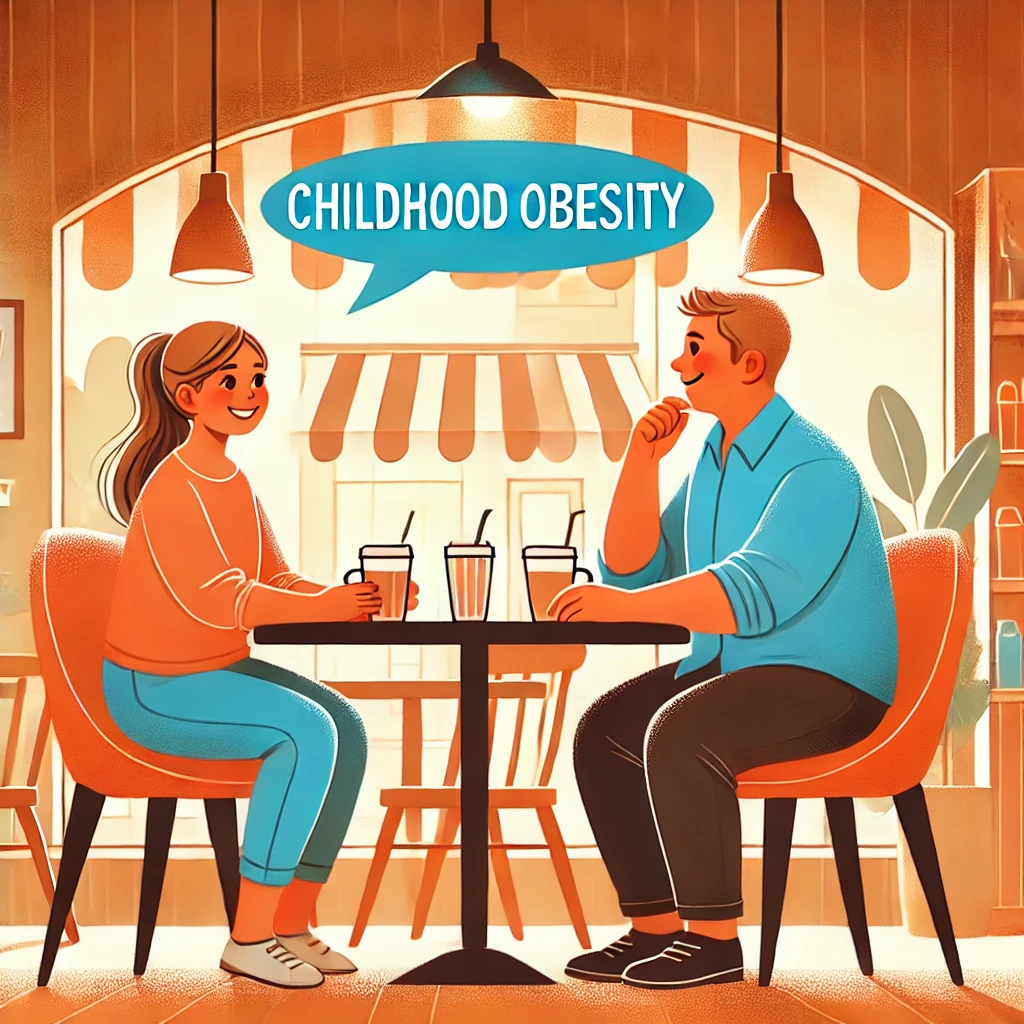
John: Hey Sarah, have you noticed how childhood obesity is becoming a bigger issue these days?
Sarah: Yeah, absolutely. More and more kids seem to be struggling with maintaining a healthy weight. What do you think is causing it?
John: Well, I think there are a few key factors. First, unhealthy eating habits. Kids today have easier access to fast food, processed snacks, and sugary drinks. It’s not like before when homemade meals were the norm. 🍔🥤
Sarah: That makes sense. And portion sizes have increased too. Even in schools, lunches are often loaded with carbs and unhealthy fats. But diet isn’t the only problem, right?
John: Definitely not. Lack of physical activity is another major issue. With video games, smartphones, and streaming services, kids spend more time sitting and less time playing outside like we used to. 🎮📱
Sarah: Right! I remember playing outside for hours when we were kids. Now, most kids prefer screen time over outdoor activities. Do you think genetics play a role too?
John: Genetics can influence body type and metabolism, but lifestyle choices have a much bigger impact. Even kids with a genetic tendency to gain weight can maintain a healthy weight with the right habits.
Sarah: That makes sense. So what do you think parents and schools should do to help prevent childhood obesity?
John: Parents should start by setting a good example. If they eat healthy and stay active, their kids are more likely to follow. Meal planning, limiting processed foods, and encouraging outdoor activities can make a big difference. 🏃♂️
Sarah: Schools should also take responsibility. Healthier school lunches and more time for physical activities could help a lot. Maybe even more nutrition education in the curriculum?
John: Absolutely! Teaching kids about healthy choices early on can make a huge difference in their future habits. 📚
Sarah: I agree. But how can kids themselves take responsibility for their own health?
John: It starts with awareness. Kids should be encouraged to listen to their bodies, recognize when they are full, and make conscious choices about what they eat. Plus, finding a sport or activity they enjoy can make staying active fun rather than a chore. ⚽🏀
Sarah: That’s a great point. Maybe social media and influencers can play a positive role too. If more influencers promoted healthy habits instead of unrealistic body standards, kids might feel more motivated to take care of themselves. 🌟
John: Exactly! The conversation around body image needs to shift towards health and well-being rather than just appearance.
Sarah: I love this discussion! What do you guys think? What are some effective ways to help kids maintain a healthy weight? Let’s discuss in the comments! 👇💬
🔎 Understanding Childhood Obesity: Causes & Solutions
The conversation above highlights critical factors contributing to childhood obesity. Now, let’s take a deeper look at the causes and possible solutions.
🛑 Causes of Childhood Obesity
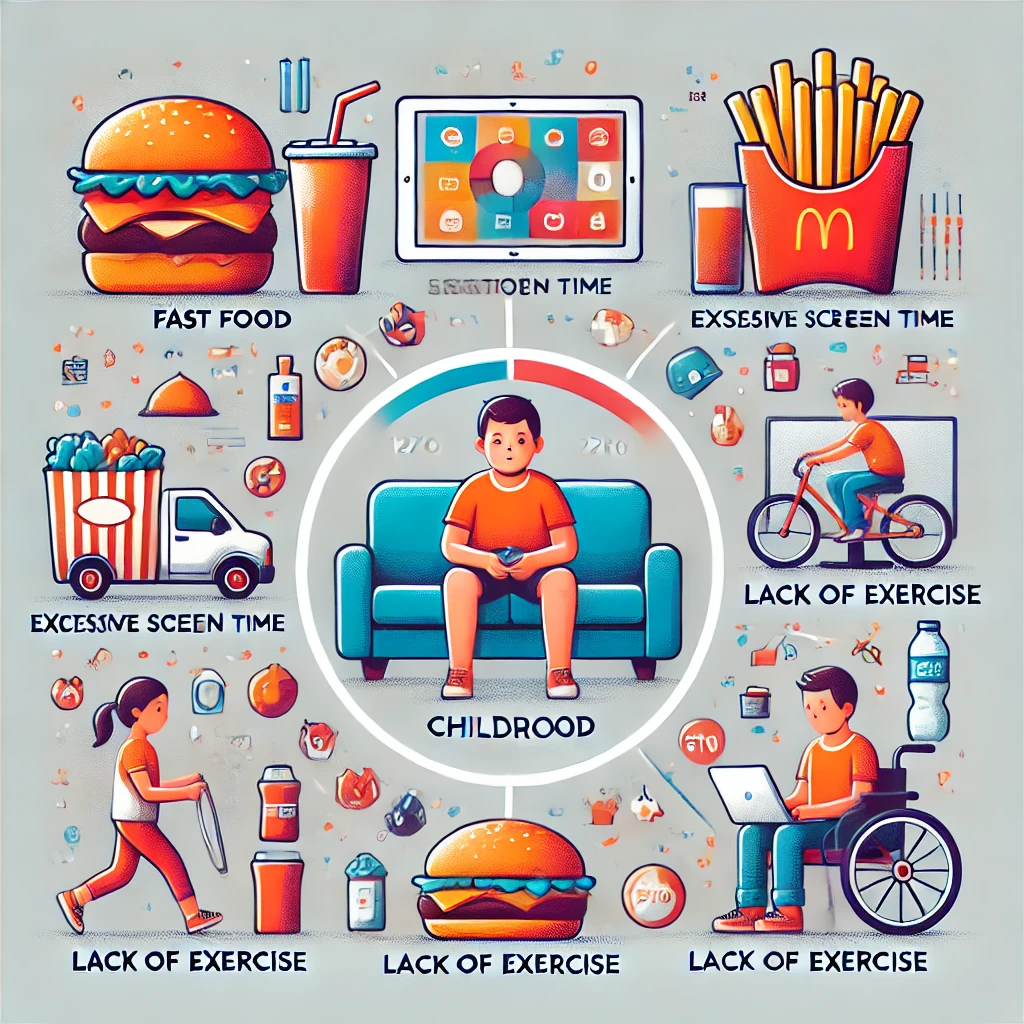
🔹 Poor Nutrition Choices
- Fast food and processed snacks are high in unhealthy fats, sugars, and calories.
- High-calorie, low-nutrient foods contribute to excessive weight gain.
- Portion sizes have increased over time, leading to overeating. 🍕🍩
🔹 Lack of Physical Activity
- Increased screen time reduces physical movement.
- Fewer opportunities for outdoor play and sports lead to sedentary lifestyles.
- Schools often provide limited physical education and recess time. 🏠📺
🔹 Genetics & Environment
- Family history can influence weight gain, but lifestyle factors play a larger role.
- A home environment with unhealthy food choices increases the risk of obesity. 🏡🥤
🔹 Societal Influences
- Advertising promotes high-calorie, processed foods to children. 📺
- Social media can negatively impact body image and eating behaviors.
✅ Solutions to Prevent Childhood Obesity
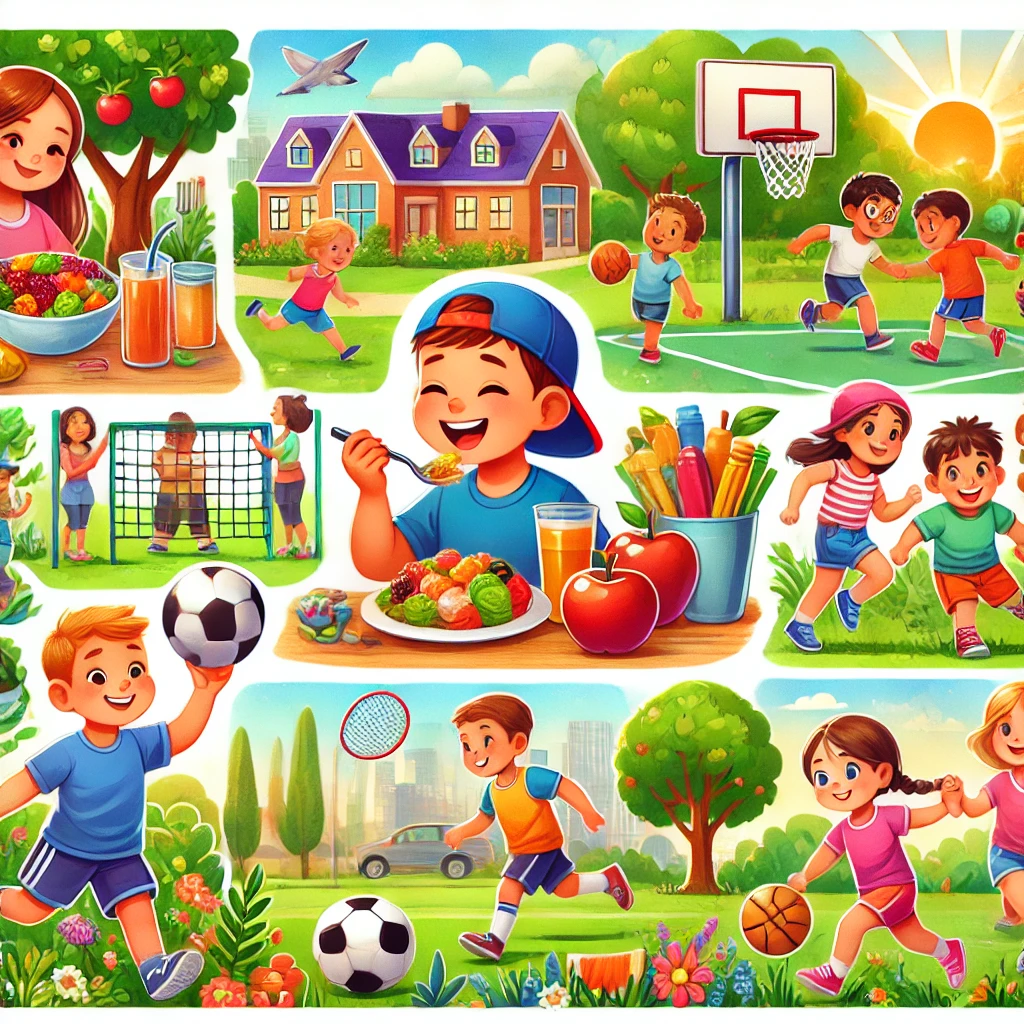
💡 Promoting Healthy Eating Habits
- Encourage home-cooked meals with balanced nutrients.
- Reduce sugary beverages and high-calorie snacks.
- Teach kids to recognize hunger and fullness cues. 🍎🥗
💡 Encouraging Regular Exercise
- Engage kids in sports and recreational activities. ⚽🏃♀️
- Limit screen time to encourage more active play.
- Schools should implement daily physical education programs. 🏫
💡 Parental & School Involvement
- Parents should model healthy behaviors. 👨👩👧👦
- Schools should offer healthier meal options and educate students on nutrition.
- Community programs can support active lifestyles.
💡 Positive Media Influence
- Social media influencers can promote a balanced and healthy lifestyle. 📱✨
- Campaigns should focus on well-being rather than unrealistic beauty standards.
🔥 Conclusion
Childhood obesity is a growing concern that requires a collective effort from parents, schools, and society. By focusing on healthier food choices, encouraging physical activity, and promoting positive lifestyle habits, we can help children lead healthier lives.
💭 What are your thoughts on this issue? Share your insights in the comments below! 👇💬


