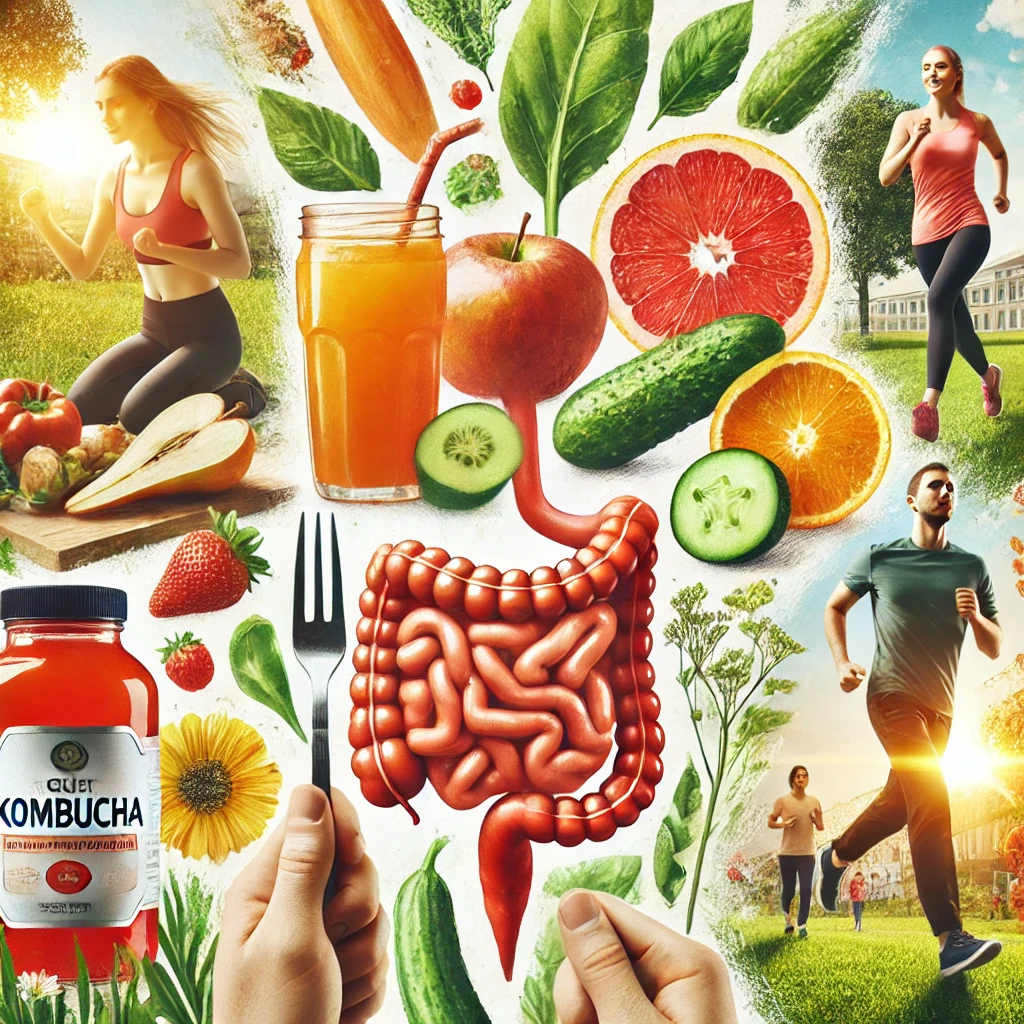
We often hear about eating well and exercising for better health, but what if the key to overall wellness lies in your gut? Recent studies show that gut health is linked to digestion, immune function, mental health, and even chronic disease prevention. Let’s explore this fascinating topic through a conversation.
💬 A Conversation on Gut Health

Emma:
Hey, Jack, I’ve been reading a lot about gut health lately. Apparently, it affects way more than just digestion. Have you heard about this?
Jack:
Yeah! I always thought gut health was just about avoiding stomach aches, but now I hear it’s connected to everything from the immune system to mental health.
Emma:
Exactly! Did you know that about 70% of your immune system is actually in your gut? A healthy gut microbiome helps your body fight off infections and even reduces inflammation.
Jack:
Wow, that’s wild! So, does this mean people who get sick often might have poor gut health?
Emma:
In many cases, yes. When your gut bacteria are imbalanced, your immune system struggles to function properly. That’s why people with digestive issues sometimes experience frequent colds or autoimmune reactions.
Jack:
That makes sense. But wait, what does gut health have to do with mental health?
Emma:
Great question! There’s something called the gut-brain axis—a direct communication line between your gut and your brain. Scientists have found that imbalanced gut bacteria can contribute to anxiety and depression.
Jack:
So, if my gut is unhealthy, it could literally affect my mood?
Emma:
Yes! Studies show that people with a healthier gut tend to have lower stress levels and better mental clarity. Certain gut bacteria even produce neurotransmitters like serotonin and dopamine, which regulate your mood.
Jack:
Okay, now I’m really interested. What about weight management? Some people say gut health affects metabolism.
Emma:
You’re right! Some gut bacteria help regulate metabolism and fat storage. An imbalance in gut bacteria can lead to cravings, slower digestion, and even difficulty losing weight.
Jack:
Alright, you’ve convinced me. How do I improve my gut health?
Emma:
It’s easier than you think! Here are some simple ways:
✔ Eat more fiber—fruits, vegetables, and whole grains feed good bacteria.
✔ Include fermented foods—yogurt, kimchi, sauerkraut, and kefir boost healthy bacteria.
✔ Avoid processed foods and excess sugar—they feed bad bacteria and cause imbalances.
✔ Manage stress—chronic stress disrupts gut bacteria. Try meditation, yoga, or deep breathing.
✔ Prioritize sleep—poor sleep weakens gut health and increases inflammation.
✔ Stay active—regular exercise helps maintain a balanced microbiome.
Jack:
Wow, I had no idea gut health played such a huge role in overall well-being. I’m definitely going to start paying more attention to what I eat!
Emma:
That’s the spirit! A healthy gut means a healthier, happier you.
🔍 The Science Behind Gut Health
Now that we’ve discussed gut health in a fun and engaging way, let’s back it up with some science.
1. Gut Health and the Immune System
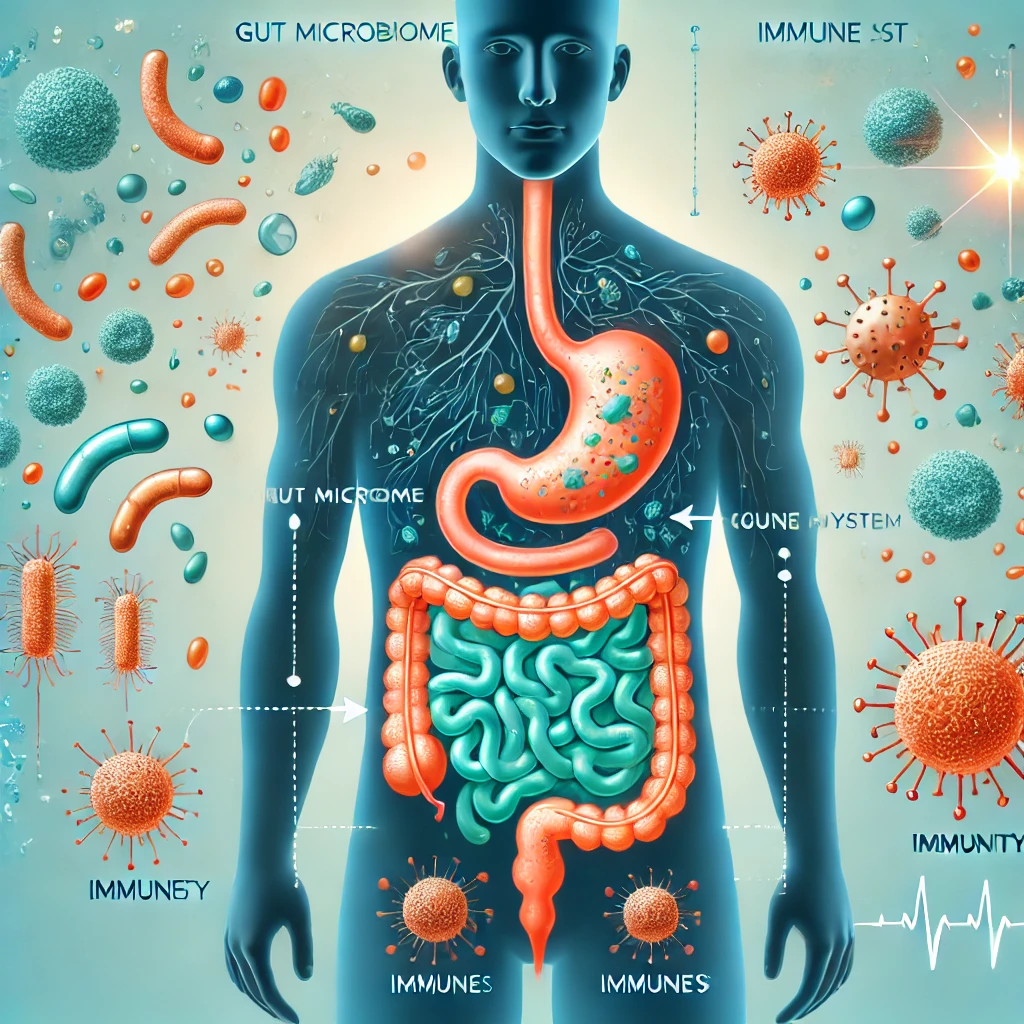
- About 70% of the immune system is located in the gut, where beneficial bacteria help fight off harmful pathogens.
- A strong gut barrier prevents toxins from leaking into the bloodstream, reducing inflammation and autoimmune issues.
2. The Gut-Brain Connection
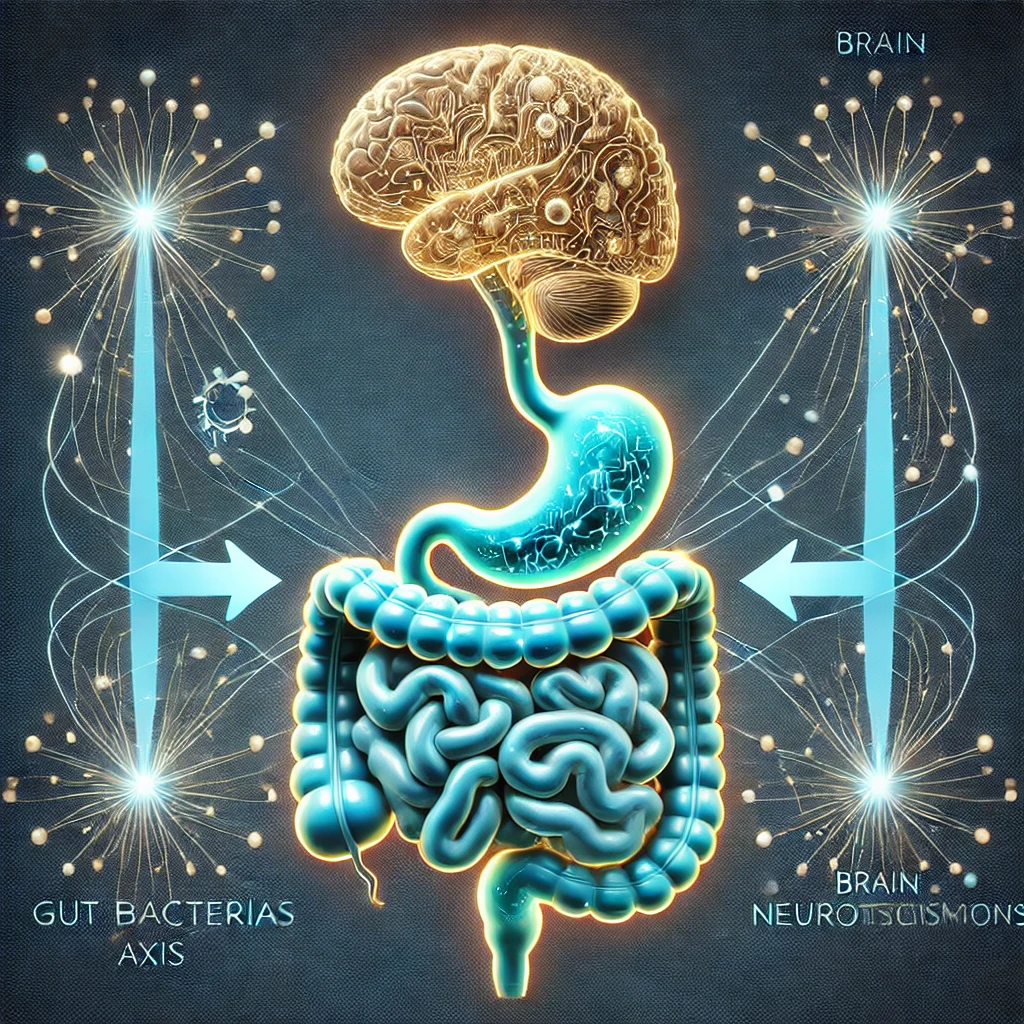
- The gut-brain axis allows communication between the digestive system and the brain.
- Imbalanced gut bacteria have been linked to anxiety, depression, and even brain fog.
- Certain probiotics have been shown to boost serotonin production, improving mood and mental clarity.
3. Gut Health and Weight Management
- Gut bacteria influence how the body stores fat and regulates hunger hormones.
- Studies show that people with a diverse gut microbiome tend to have an easier time managing their weight.
🌱 How Healthy Is Your Gut? (Self-Check)
🌱 How to Take Care of Your Gut Health
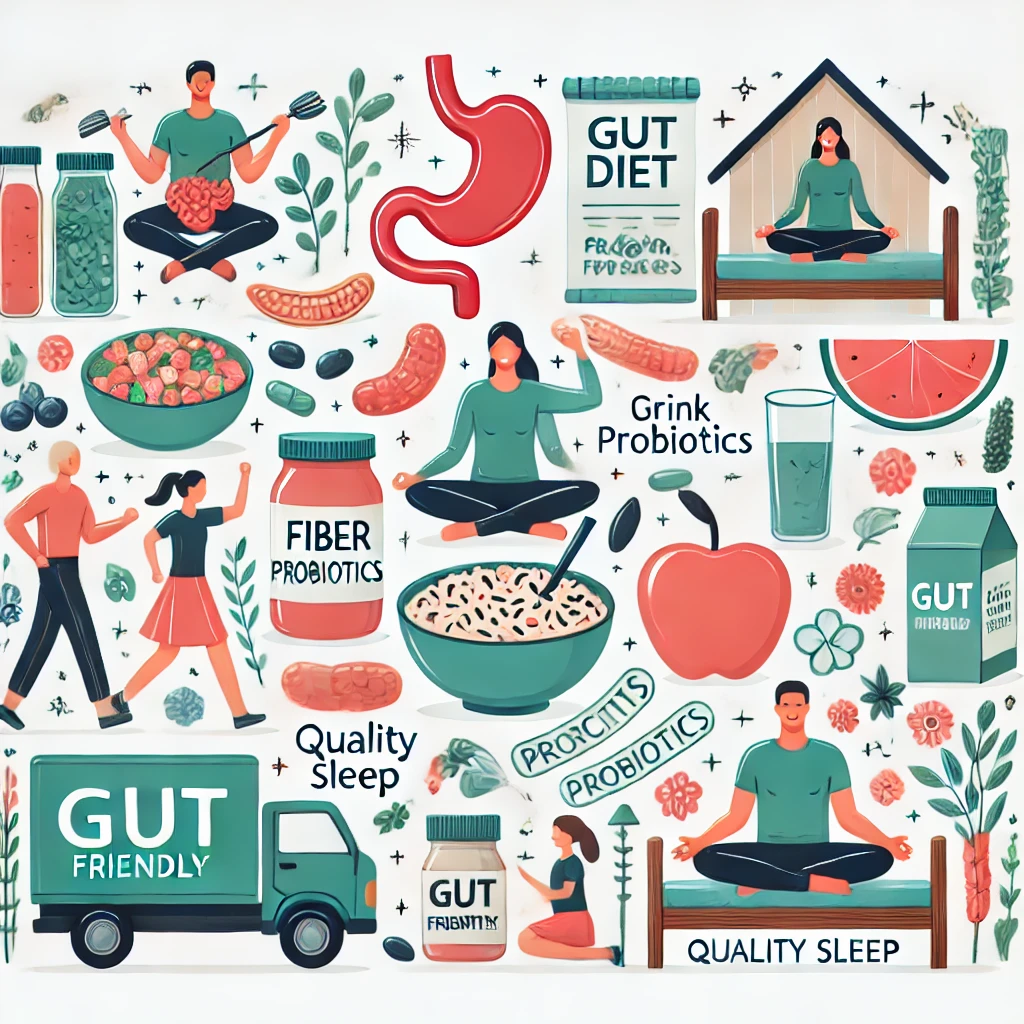
- Diversify Your Diet: Eat a variety of whole foods, including fiber-rich fruits and veggies.
- Consume Probiotics & Prebiotics: Fermented foods and fiber-rich foods help nourish good bacteria.
- Reduce Processed Foods & Sugar: These feed harmful bacteria and disrupt balance.
- Manage Stress: Try meditation, exercise, or spending time outdoors to reduce stress.
- Get Enough Sleep: Aim for 7-9 hours per night to support gut function.
- Stay Active: Exercise promotes a healthy microbiome and digestion.
🔥 Conclusion: Your Gut, Your Health
Your gut is more than just a digestive system—it’s a powerhouse that influences your immunity, mental well-being, and overall health. By taking care of your gut, you’re taking care of your entire body!
💭 Have you noticed a difference in your health when improving your gut habits? Share your thoughts in the comments!


