Emma: I've been feeling exhausted, moody, and just not myself lately. Could it be my hormones?
Dr. Riley: Absolutely, Emma! Hormones significantly impact your mood, energy, weight management, and even cognitive function. An imbalance can truly disrupt your life.
Understanding Hormonal Imbalance 🔍
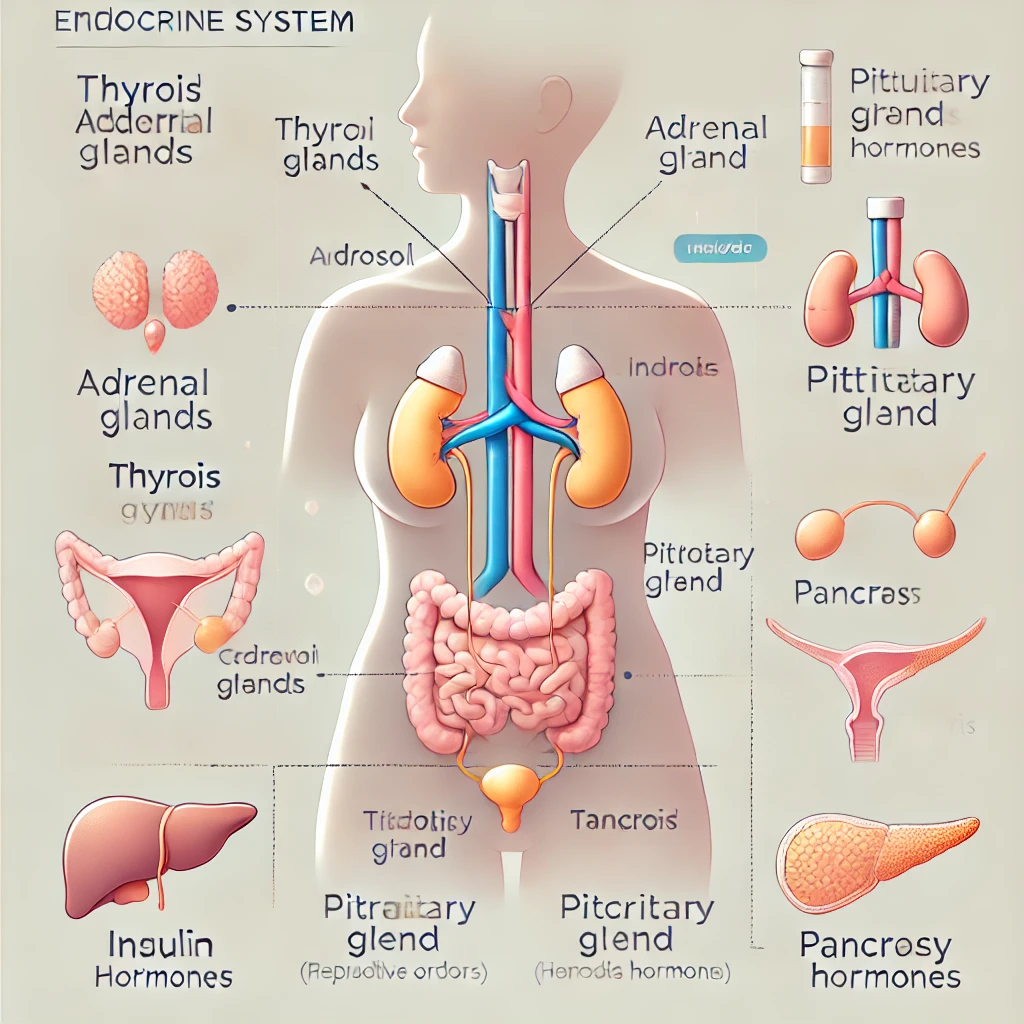
Emma: What causes hormone imbalances?
Dr. Riley: Common factors include chronic stress, poor diet, inadequate sleep, environmental toxins, aging, and medical conditions like thyroid issues or polycystic ovary syndrome (PCOS).
Emma: How can I recognize hormone imbalance symptoms?
Dr. Riley: Look out for persistent fatigue, unexplained weight changes, mood swings, anxiety, depression, irregular menstrual cycles, sleep disturbances, and appetite fluctuations.
Emma: That makes sense! My friend Sarah struggled with constant fatigue and mood swings until she realized her thyroid hormones were out of balance. Once she addressed that, her energy and mood improved dramatically.
Steps to Address Hormonal Imbalance ✅
Emma: If I suspect a hormonal imbalance, what's the first step?
Dr. Riley: Always start by consulting a healthcare provider who can recommend appropriate tests, such as blood or saliva tests, to determine your hormone levels.
Emma: Is medication the only solution?
Dr. Riley: Not necessarily. Many people see significant improvements through lifestyle adjustments like stress management, regular exercise, better sleep habits, and dietary changes. Consuming nutrient-rich foods is especially helpful.
🧬 Hormonal Balance Self-Check Quiz
Answer these 7 questions to assess if your symptoms may relate to hormone imbalance.
Nutrition for Hormone Balance 🥑
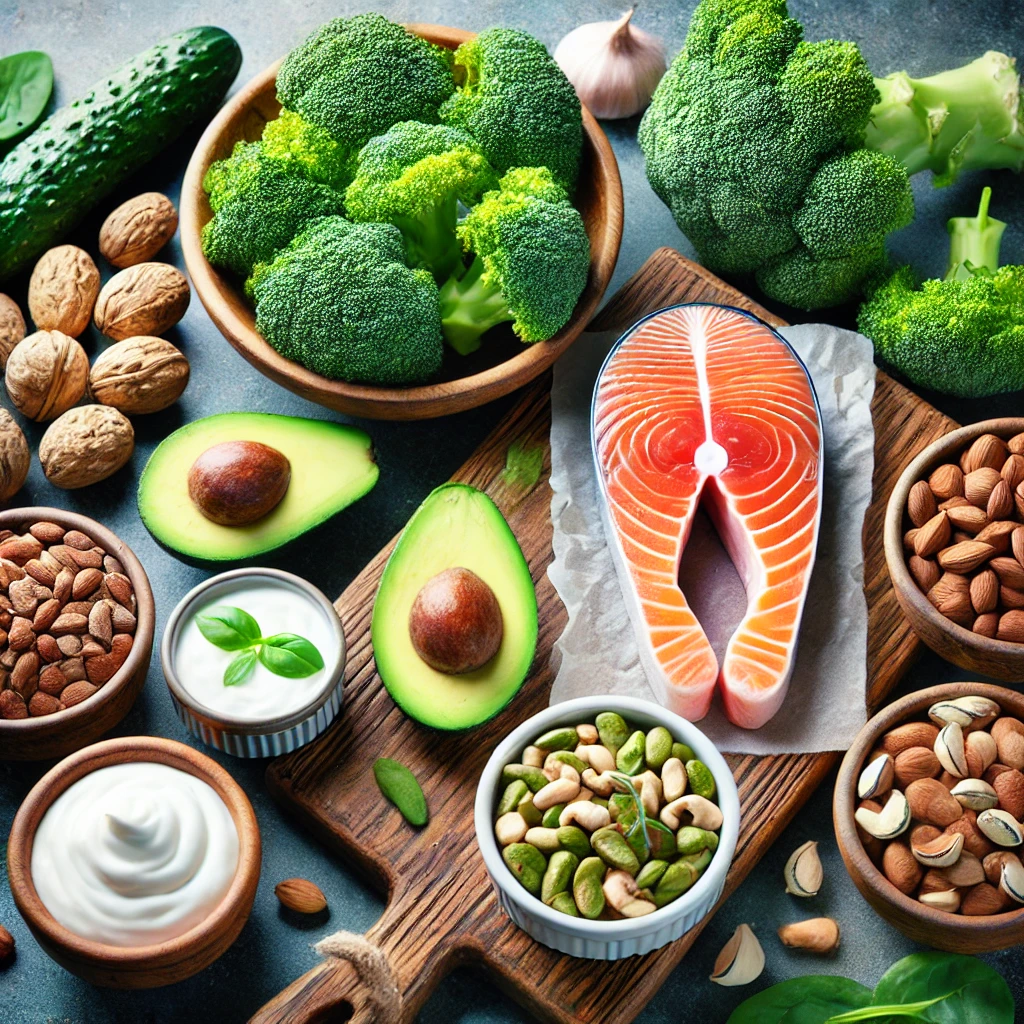
Emma: Which foods specifically support hormonal balance?
Dr. Riley: Foods rich in omega-3 fatty acids (salmon, avocados, nuts), cruciferous vegetables (broccoli, kale), and probiotics (yogurt, kefir) are fantastic. Reducing sugar, processed foods, and alcohol intake also helps tremendously.
Emma: I'm excited to incorporate these foods! Sarah also mentioned feeling better after adjusting her diet.
Supplements & Hormonal Health 💊
Emma: What about supplements?
Dr. Riley: Supplements like Vitamin D, Magnesium, Omega-3, and adaptogens such as Ashwagandha can be beneficial. However, always discuss these with your healthcare provider for personalized recommendations.
Exercise & Hormonal Balance 🧘♀️

Emma: Can exercise truly impact hormones?
Dr. Riley: Absolutely! Regular exercise helps balance insulin, cortisol, and growth hormones. A routine combining aerobic activities, strength training, and flexibility exercises like yoga is ideal.
Emma: That's encouraging! Sarah swears by yoga to help manage her stress levels too.
Managing Stress for Better Hormonal Health 😌
Emma: Any stress management tips?
Dr. Riley: Mindfulness, meditation, deep breathing, and maintaining work-life balance can significantly reduce chronic stress and cortisol levels, supporting overall hormone balance.
Emma: Thanks, Dr. Riley! I feel empowered to take charge of my hormone health now.
Dr. Riley: You're welcome, Emma. Small, consistent changes can lead to significant improvements in your hormonal balance and overall health.
Conclusion 🌟
Hormonal balance is essential for your overall wellness. Recognizing symptoms early, consulting a professional, and making lifestyle adjustments can dramatically improve your health and quality of life.


