Could Your Body Be Fighting an Invisible Enemy?
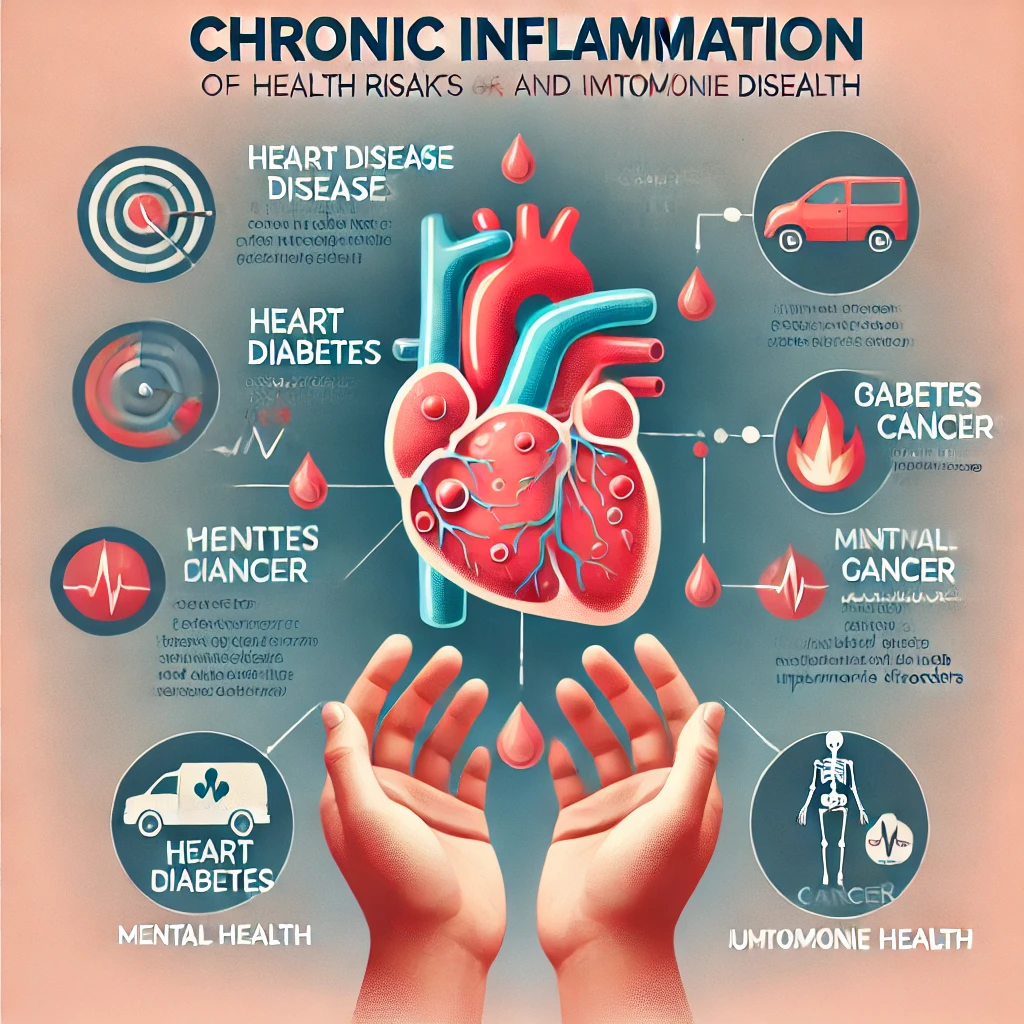
Inflammation is a natural immune response—your body's way of protecting itself from injury and infection. But what happens when inflammation never turns off? Chronic inflammation is now recognized as a key driver of major diseases, including heart disease, cancer, diabetes, and even mental health disorders. Yet, most people have no idea that their lifestyle choices could be fueling it. So, how does chronic inflammation impact our health, and what can we do to fight it? Let’s find out!
💬 A Conversation on Chronic Inflammation
Emma:
Jake, do you ever feel constantly tired, achy, or even mentally foggy for no reason?
Jake:
All the time! But I just figured it was stress or bad sleep. Why?
Emma:
It could be something deeper—chronic inflammation. It’s like a slow-burning fire in your body, causing long-term damage without you even realizing it.
Jake:
I thought inflammation was a good thing… like when you get a cut, and your body heals it?
Emma:
That’s acute inflammation, which is normal. But chronic inflammation is different—it stays activated for months or years, silently damaging cells and organs.
Jake:
That sounds scary! What causes it?
Emma:
A lot of things—poor diet, stress, lack of exercise, pollution, and even poor sleep. The modern lifestyle is a perfect recipe for chronic inflammation.
Jake:
Okay, now I’m worried. How does it actually affect the body?
🔥 Chronic Inflammation Risk Quiz
Answer the questions below to find out your inflammation risk and get personalized advice!
🔬 How Chronic Inflammation Harms Your Health
When inflammation becomes chronic, it disrupts normal bodily functions and contributes to serious diseases:
1️⃣ Heart Disease & Stroke – Inflamed arteries increase the risk of blood clots and cardiovascular issues. 2️⃣ Diabetes & Insulin Resistance – Chronic inflammation makes cells resistant to insulin, leading to Type 2 diabetes. 3️⃣ Cancer – Persistent inflammation damages DNA and promotes cancer cell growth. 4️⃣ Cognitive Decline & Mental Health Issues – Inflammation in the brain has been linked to Alzheimer's, depression, and anxiety. 5️⃣ Autoimmune Disorders – Conditions like rheumatoid arthritis and lupus are caused by an overactive immune response.
Jake:
Wow, I had no idea inflammation could affect so many different things. Is there a way to test for it?
Emma:
Yes! Doctors use markers like C-reactive protein (CRP) and homocysteine levels to measure inflammation.
🌟 How to Reduce Chronic Inflammation Naturally

Jake:
Alright, let’s talk solutions! How can I stop this “silent fire” inside me?
Emma:
Great question! Here’s what works:
1️⃣ Eat an Anti-Inflammatory Diet – Focus on leafy greens, berries, nuts, fatty fish, turmeric, and olive oil while avoiding sugar, processed foods, and trans fats. 2️⃣ Exercise Regularly – Moderate activity reduces inflammation markers and boosts immune function. 3️⃣ Manage Stress – Chronic stress elevates inflammation, so practice meditation, yoga, or deep breathing exercises. 4️⃣ Get Quality Sleep – Sleep deprivation increases inflammation, so aim for 7-9 hours per night. 5️⃣ Stay Hydrated & Reduce Toxins – Drink enough water and avoid exposure to environmental toxins like cigarette smoke and pollution.
Jake:
That actually sounds doable. Do I need supplements?
Emma:
It depends, but some research suggests that Omega-3 fatty acids, Vitamin D, and Curcumin (from turmeric) help fight inflammation.
🔥 Conclusion: Take Control of Your Health
Chronic inflammation is often silent but deadly. While modern life makes it hard to avoid all inflammation triggers, small lifestyle changes can make a huge difference. By adjusting your diet, managing stress, and staying active, you can reduce inflammation and lower your risk of chronic disease.
💬 Have you ever noticed signs of inflammation in your body? What has helped you reduce it? Let’s discuss below!


