🎙️ Moderator (Rachel Kim, RD, Wellness Writer):
Welcome to Rethinking Health, where we tackle the trends, the myths, and the science behind how we eat. Today’s focus: Intuitive Eating 2.0, a modern upgrade to the original anti-diet framework. In a world obsessed with calorie tracking and transformation challenges, is there finally a healthier, science-backed path to lasting change?
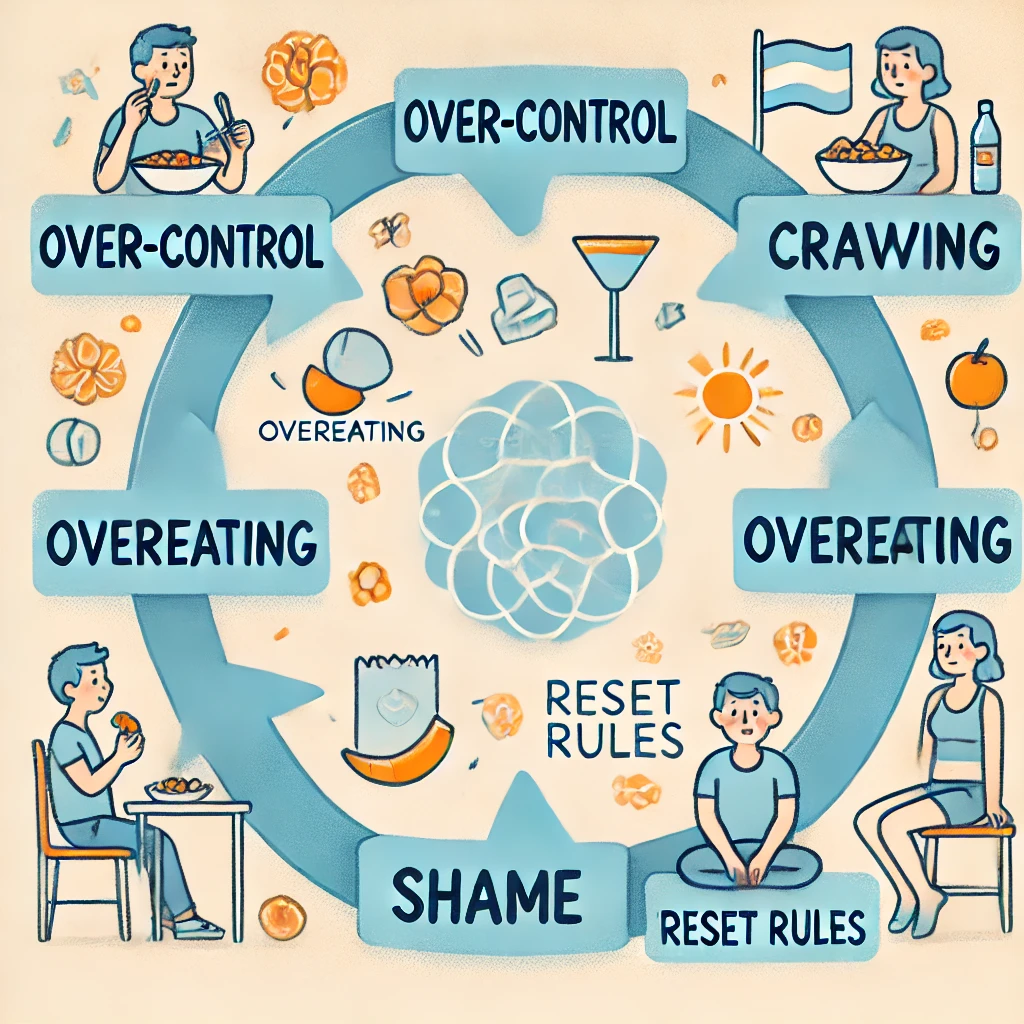
Alt text (SEO): "Comparison between diet culture and intuitive eating mindset in a wellness context"
To unpack this, we’ve invited two voices with very different backgrounds: with very different backgrounds:
- Dr. Lena Moore, PhD, nutrition scientist and body-positive health researcher
- Dr. Max Keller, MD, psychiatrist specializing in disordered eating and habit change
Alt text (SEO): "Cycle of diet failure including restriction, binge eating, guilt, and relapse"
🔄 Topic 1: Why Diet Culture Fails (And What It’s Costing Us)
Rachel: Dr. Moore, let’s start with a tough question. Why do most diets fail?
Dr. Moore:
Because they’re designed to. Research shows 95% of dieters regain the weight within 1–5 years. The body interprets calorie restriction as famine, triggering hormonal responses such as elevated ghrelin (hunger hormone), reduced leptin (satiety hormone), and a slowed resting metabolic rate. This isn’t a failure of willpower — it’s biology trying to keep us alive.
Dr. Keller:
And psychologically, dieting often leads to food obsession, binge-restrict cycles, and body distrust. The chronic stress from restrictive eating contributes to elevated cortisol, which ironically promotes fat storage. Diet culture doesn't just fail — it can cause harm.
Dr. Moore:
We’ve created a health system where thin equals healthy, ignoring individual biology and mental well-being. What’s worse, many weight-loss programs disguise restriction under the guise of “lifestyle change,” perpetuating the same metabolic damage.
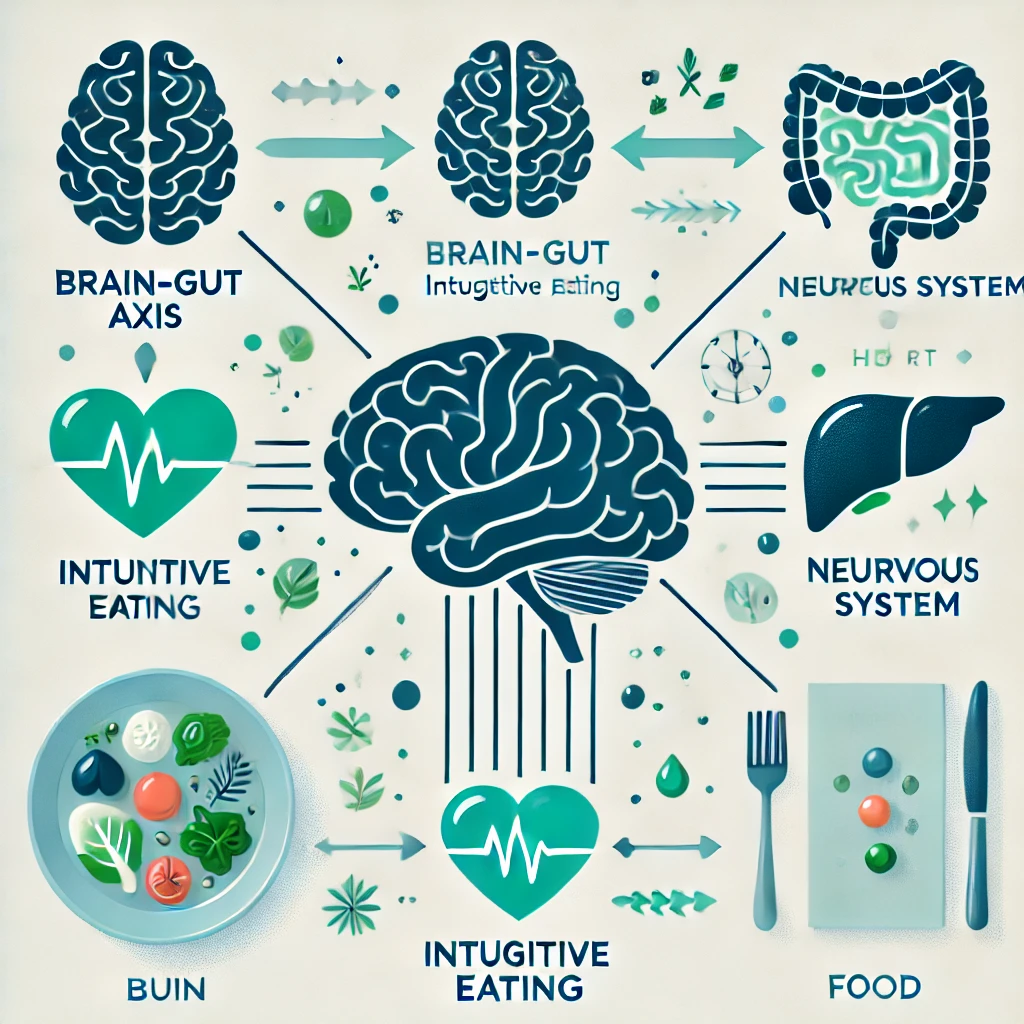
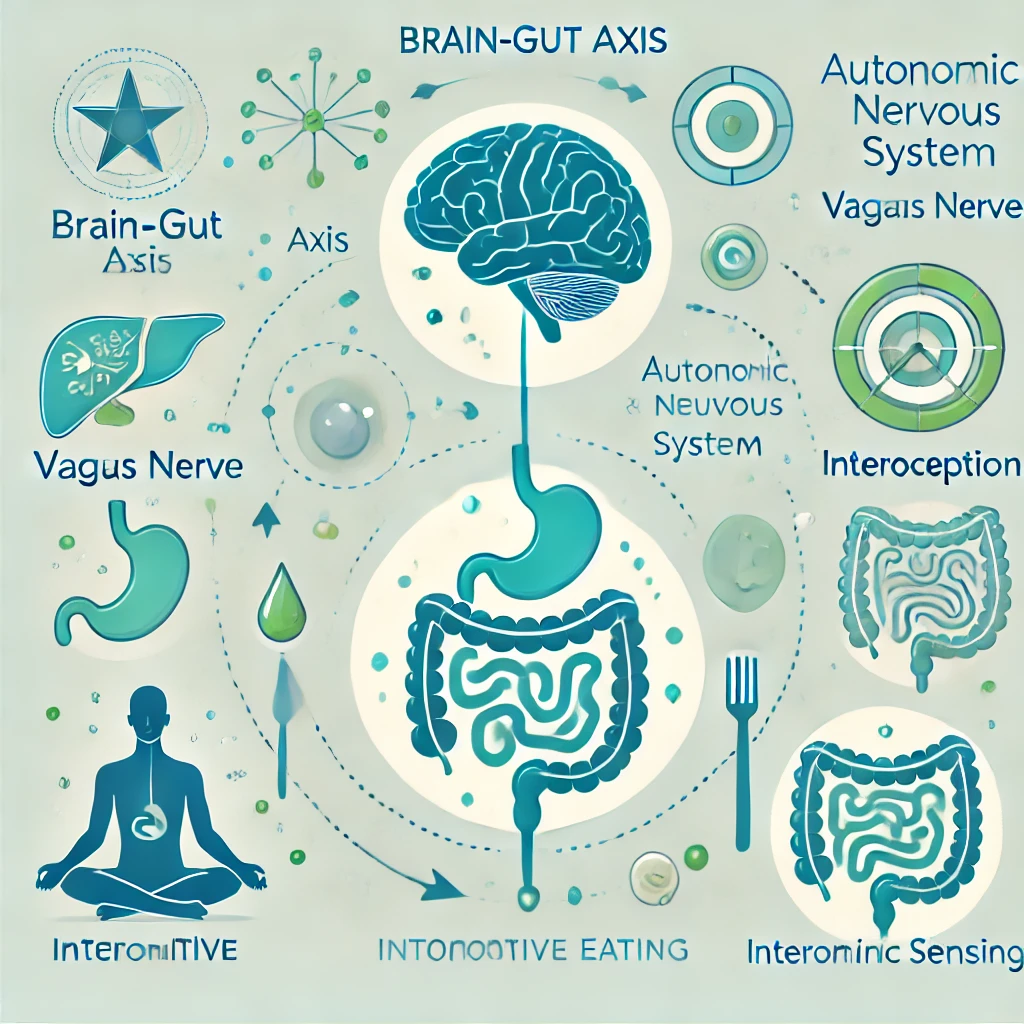
Alt text (SEO): "Clean and modern infographic illustrating the brain-gut axis, autonomic nervous system, and how interoception supports intuitive eating behaviors"
🧠 Topic 2: What Is Intuitive Eating 2.0?
Rachel: So what exactly is “Intuitive Eating 2.0”? How is it different from the original model?
Dr. Moore:
The original framework, created by Tribole and Resch in the 1990s, centered on ten principles like “Reject the Diet Mentality” and “Honor Your Hunger.” It was revolutionary for its time. But Intuitive Eating 2.0 reflects what we've learned in the past 30 years — especially around trauma, neurobiology, and metabolism.
Dr. Keller:
Yes. 2.0 integrates polyvagal theory, habit science, and nutritional psychiatry. We now know that hunger and fullness cues can be disrupted by early childhood trauma, ADHD, gut-brain dysregulation, and even long-term stimulant use. Rebuilding interoception requires structured flexibility.
Dr. Moore:
We also teach emotional granularity — helping people distinguish physical hunger from emotional needs. Food is comfort for a reason. But we help clients build tools so that food becomes an option, not a crutch.
Dr. Keller:
And in 2.0, we no longer shame structure. Some people need meal plans as scaffolding — not as control, but as consistency tools while they learn to listen again.

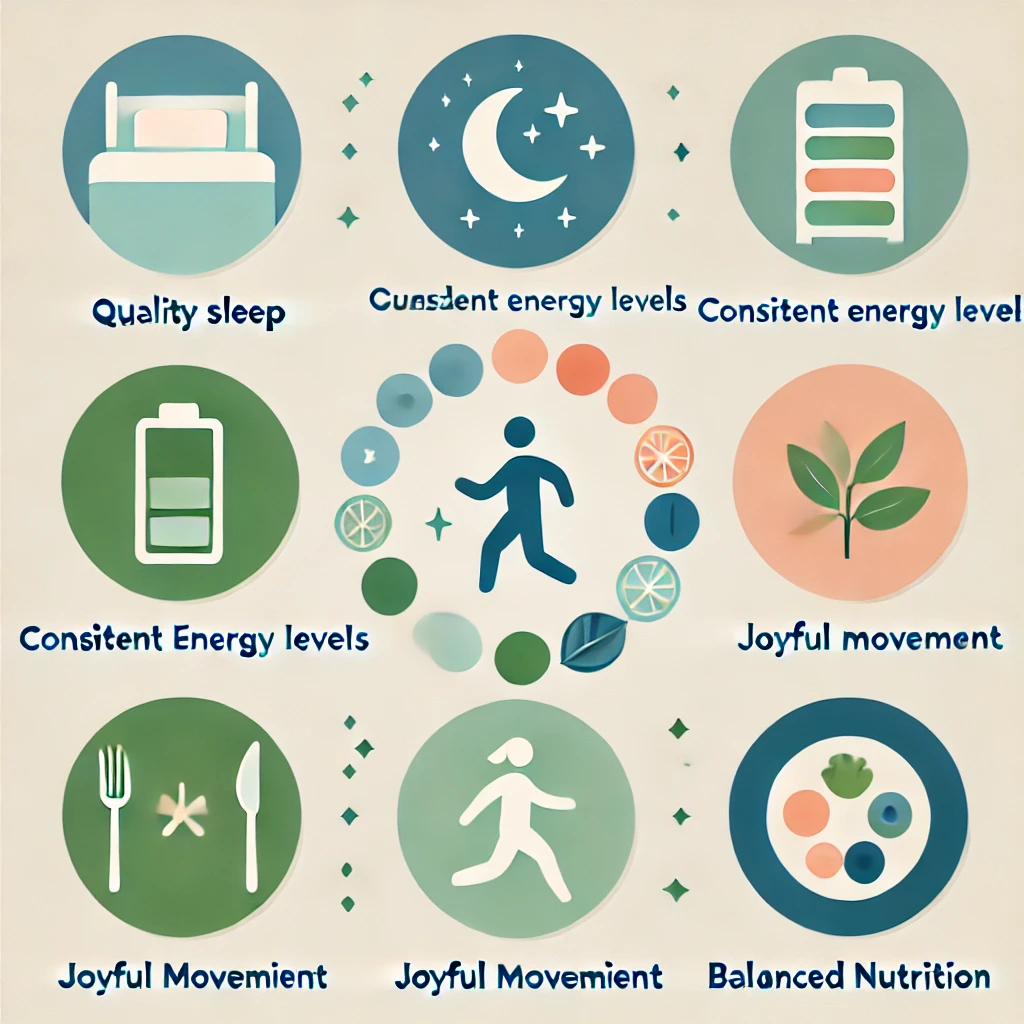
Alt text (SEO): "Visual representation of non-weight health indicators such as quality sleep, consistent energy levels, joyful movement, and balanced nutrition, presented in a calming infographic style suitable for a health blog"
⚖️ Topic 3: Can You Lose Weight with Intuitive Eating?
Rachel: One of the biggest criticisms is: “But will I lose weight?” What’s your take?
Dr. Keller:
It’s the wrong question. What we should be asking is: Can I heal my relationship with food and body? When we stop measuring success by the scale, we can start building behaviors that are sustainable and self-respecting.
Dr. Moore:
Yes. Some people will lose weight as a side effect of decreased stress and better nutrition. Others won’t. But all can gain metabolic flexibility, improved insulin sensitivity, and hormonal balance — regardless of weight shift.
Dr. Keller:
The set point theory suggests our bodies have a built-in weight regulation range. Repeated dieting can raise this set point. Intuitive Eating helps reset your relationship with food, which may support settling back into your natural range — not forcing it.
Dr. Moore:
And let's not forget — many chronic illnesses linked to weight (like type 2 diabetes or PCOS) respond better to behavioral interventions (like sleep, stress reduction, joyful movement) than to weight change alone.
Alt text (SEO): "Illustration of the five-step process for practicing Intuitive Eating 2.0: body scan journaling, hunger & fullness scale, satisfaction check-ins, structured meal rhythm, and nutrition layering. Designed in a clean, calming infographic layout ideal for a wellness blog."
🧰 Topic 4: Building Practical Skills for Intuitive Eating
Rachel: So how do we get started with Intuitive Eating 2.0?
Dr. Moore:
Here’s what we recommend:
- Body scan journaling – track physical sensations before, during, and after meals.
- Hunger & fullness scale – rate your hunger from 1 to 10 throughout the day.
- Satisfaction check-ins – did that meal satisfy you emotionally and physically?
- Meal rhythm building – regular meals every 3–4 hours to re-establish body trust.
- Nutrition layering – think “What can I add?” instead of “What should I remove?”
Dr. Keller:
Also, address barriers:
- If you’re anxious, depressed, or disconnected, rebuilding self-regulation is key.
- If you’ve experienced food scarcity or trauma, safety must come first.
- If your gut is inflamed or hormones are dysregulated, work with a professional.
Dr. Moore:
Intuitive Eating is simple, but not easy. It asks us to trust our bodies in a world that profits when we don’t. But every step toward reconnection is a rebellion — and a healing.
❓ FAQ: Intuitive Eating 2.0 Questions
🍽️ Q1: Is this just mindful eating?
A: Mindful eating is a tool within the larger system of Intuitive Eating, which includes nutrition science, behavior change, nervous system regulation, and more.
🧠 Q2: What if I can’t feel hunger or fullness?
A: Use external cues like regular eating times, balanced meals, and structured routines until internal signals return. You can rebuild interoception over time.
⚖️ Q3: Will I gain weight?
A: Maybe. Maybe not. Intuitive Eating isn’t about weight — it’s about liberation from food anxiety and body shame.
🥗 Q4: Can I do this and still care about nutrition?
A: Of course. 2.0 emphasizes gentle nutrition — like adding protein for stability, fiber for gut health, or omega-3s for inflammation.
🧘 Q5: What if I binge?
A: Bingeing often follows restriction. Intuitive Eating works by removing the restriction-binge cycle, addressing the emotional roots, and rebuilding body trust.
📉 Q6: Isn’t this giving up on self-discipline?
A: It’s the opposite. It’s about disciplining your attention, not your appetite. Learning to listen takes more courage than forcing rules.


