✅ TL;DR (3-Sentence Summary):
- Ultra-processed foods now make up over 60% of the average American diet and are strongly linked to chronic illness, inflammation, and even addictive behaviors.
- These foods hijack our brain chemistry, disrupt gut health, and provide empty calories that harm long-term metabolic function.
- Reducing processed food intake and choosing whole, nutrient-dense options is a powerful and practical strategy to reclaim physical and mental health.

💬 [Scene: Integrative Health Conference – A Discussion Among Experts]
Dr. Lisa Brennan (Integrative Nutritionist): Good afternoon, everyone. Today we’re discussing something that’s both deceptively simple and deeply powerful: reducing processed food consumption. It might sound basic, but it could be the most impactful health decision of your life.
Dr. Miguel Santos (Functional Medicine Physician): Absolutely. We’re not just talking about junk food here—we’re referring to the ultra-processed foods that dominate modern diets: refined grains, artificial flavors, preservatives, emulsifiers. These aren’t just unhealthy. They disrupt metabolism, inflame the gut, and hijack appetite regulation.
Nina Ho (Holistic Health Coach): Right. And people often don’t realize how much of their daily intake is processed. Even items labeled "healthy" like granola bars or low-fat yogurts often contain hidden sugars and chemical additives.
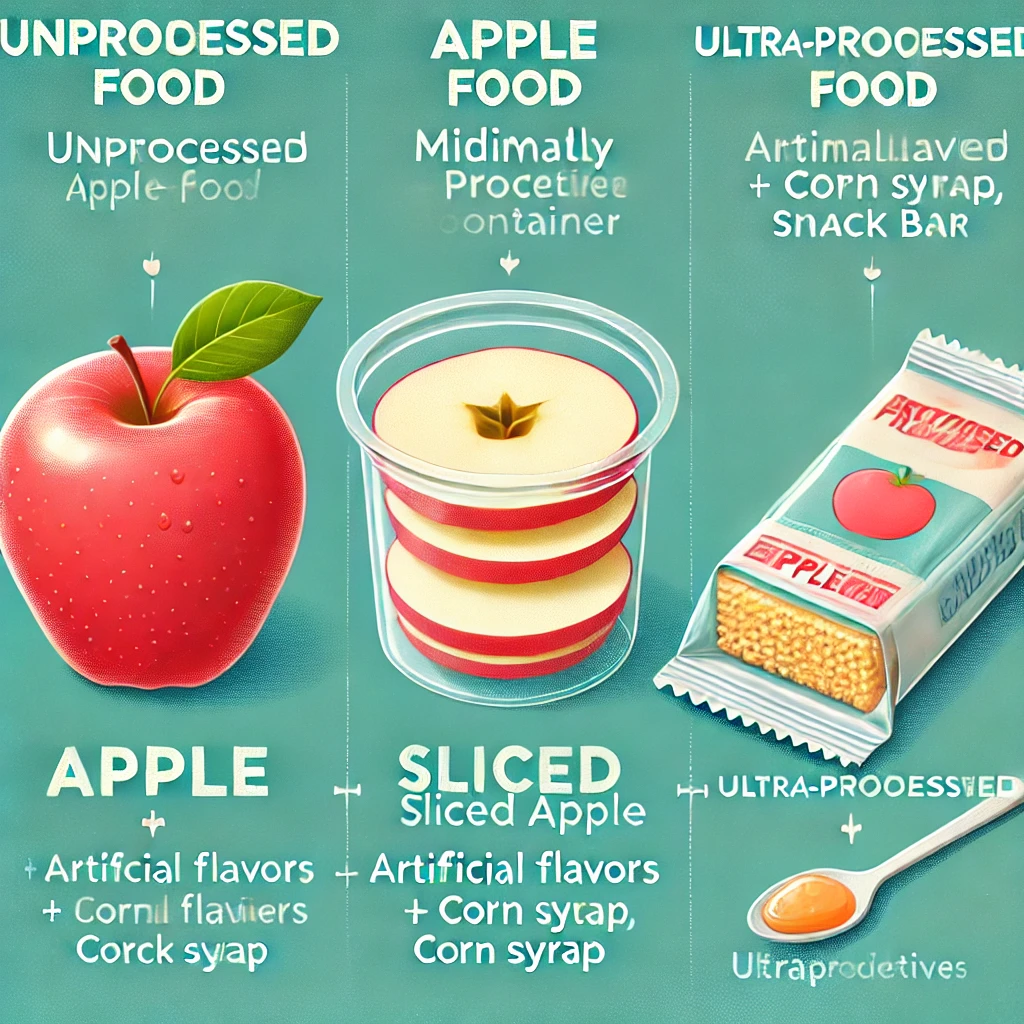
🚫 1. What Are Processed Foods—And Why Do They Matter?
Dr. Brennan: Let’s define it. Not all processing is bad. Freezing, fermenting, drying—these can be healthy. The issue lies with foods that are chemically modified to be hyper-palatable, shelf-stable, and low-cost.
Dr. Santos: Studies link ultra-processed food consumption to a host of chronic diseases: obesity, type 2 diabetes, hypertension, depression, and even cognitive decline.
Nina Ho: And the scary part? These foods make up over 60% of calories in the American diet.
📖 Source: Monteiro et al., NOVA Food Classification; BMJ 2019; JAMA Internal Medicine 2021

🧠 2. The Brain and Cravings: Why We’re Hooked
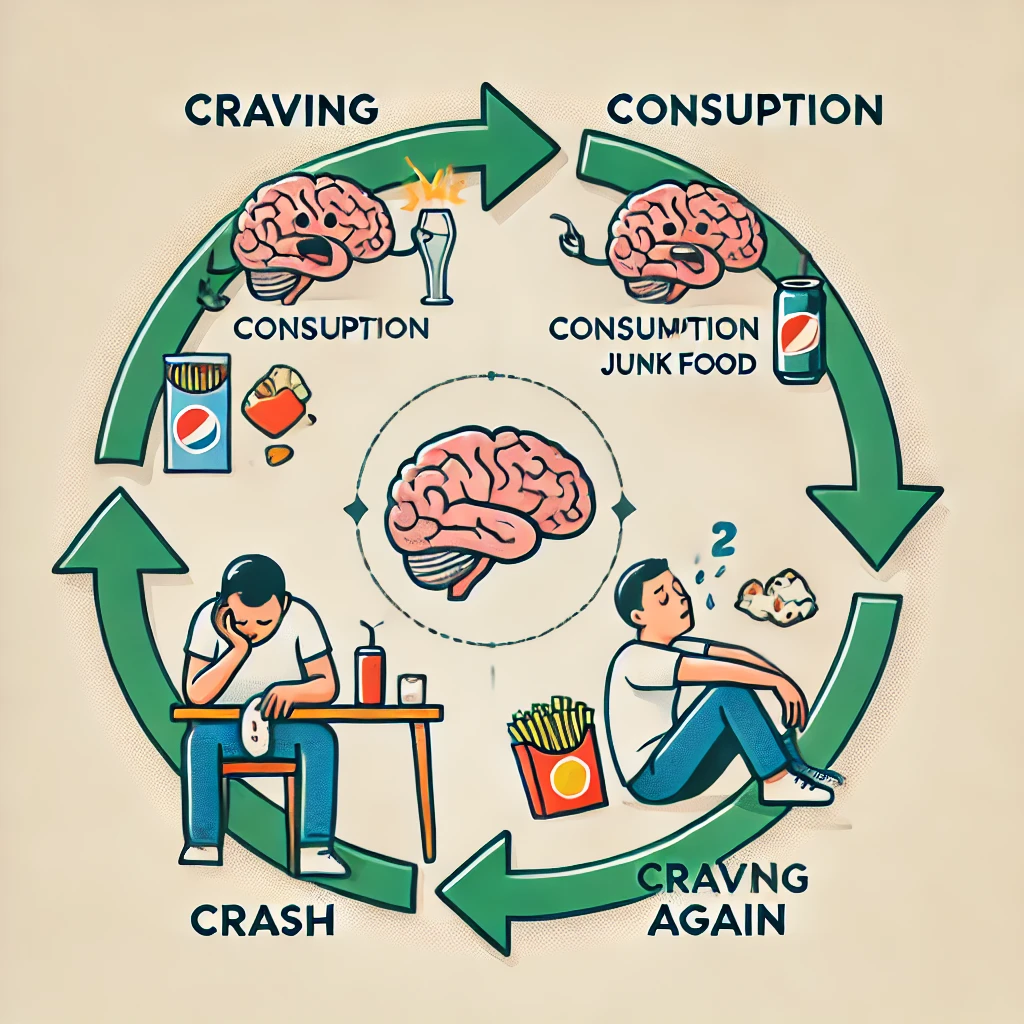
Dr. Brennan: Ultra-processed foods are designed to light up the dopamine pathways—the same ones activated by drugs like cocaine.
Dr. Santos: That’s not an exaggeration. They override satiety signals, encouraging binge patterns and dysregulated eating.
Nina Ho: It’s engineered addiction. Bliss points, mouthfeel, crunchiness—it’s all calculated. The goal is repeat consumption, not nourishment.
📖 Source: NIH Neuroscience of Cravings 2020; Yale Food Addiction Scale
🔥 3. Inflammation and the Gut-Brain Axis
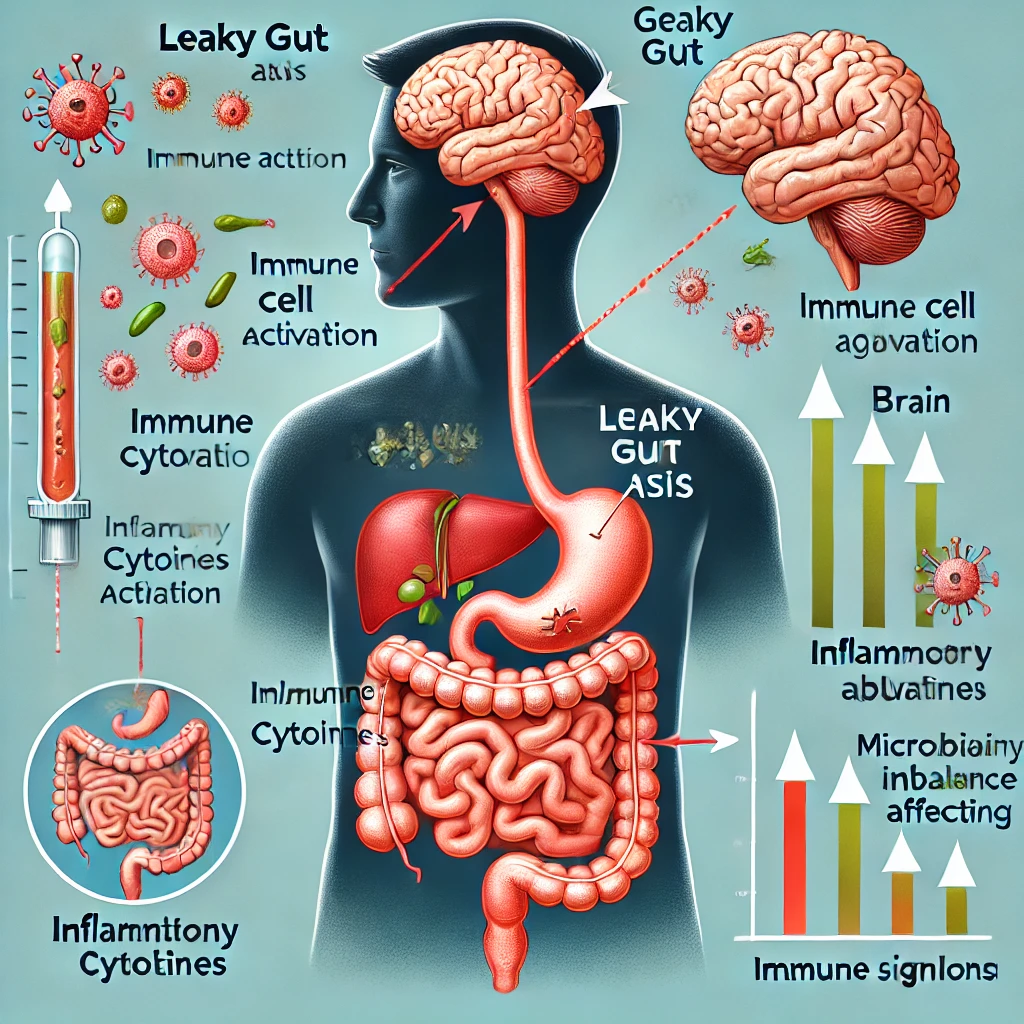
Dr. Santos: Processed foods wreak havoc on the gut microbiome. Additives like polysorbate 80 and carboxymethylcellulose alter gut permeability, leading to inflammation.
Dr. Brennan: That inflammation doesn’t stay local. It contributes to systemic inflammation—linked to autoimmune disease, brain fog, mood swings.
Nina Ho: We see this all the time in clients. Once they reduce processed foods, bloating, fatigue, and even anxiety improve within weeks.
📖 Source: Gut Journal 2022; Cell Metabolism 2023
🌿 4. The Nutrient Void: Calories Without Content
Dr. Brennan: Another danger is micronutrient dilution. Ultra-processed foods are calorie-rich but nutrient-poor. We’re overfed yet undernourished.
Dr. Santos: Especially for kids. Their growing bodies need zinc, magnesium, omega-3s—not just calories and sugar.
Nina Ho: Whole foods, on the other hand, come with fiber, phytonutrients, enzymes—a biochemical intelligence that can’t be replicated in a lab.
📖 Source: Nutrients Journal 2021; WHO Nutrient Density Guidelines

🛠️ 5. Real-World Strategies to Cut Back
Nina Ho: Awareness is key. Start with label literacy—if it has more than five unrecognizable ingredients, think twice.
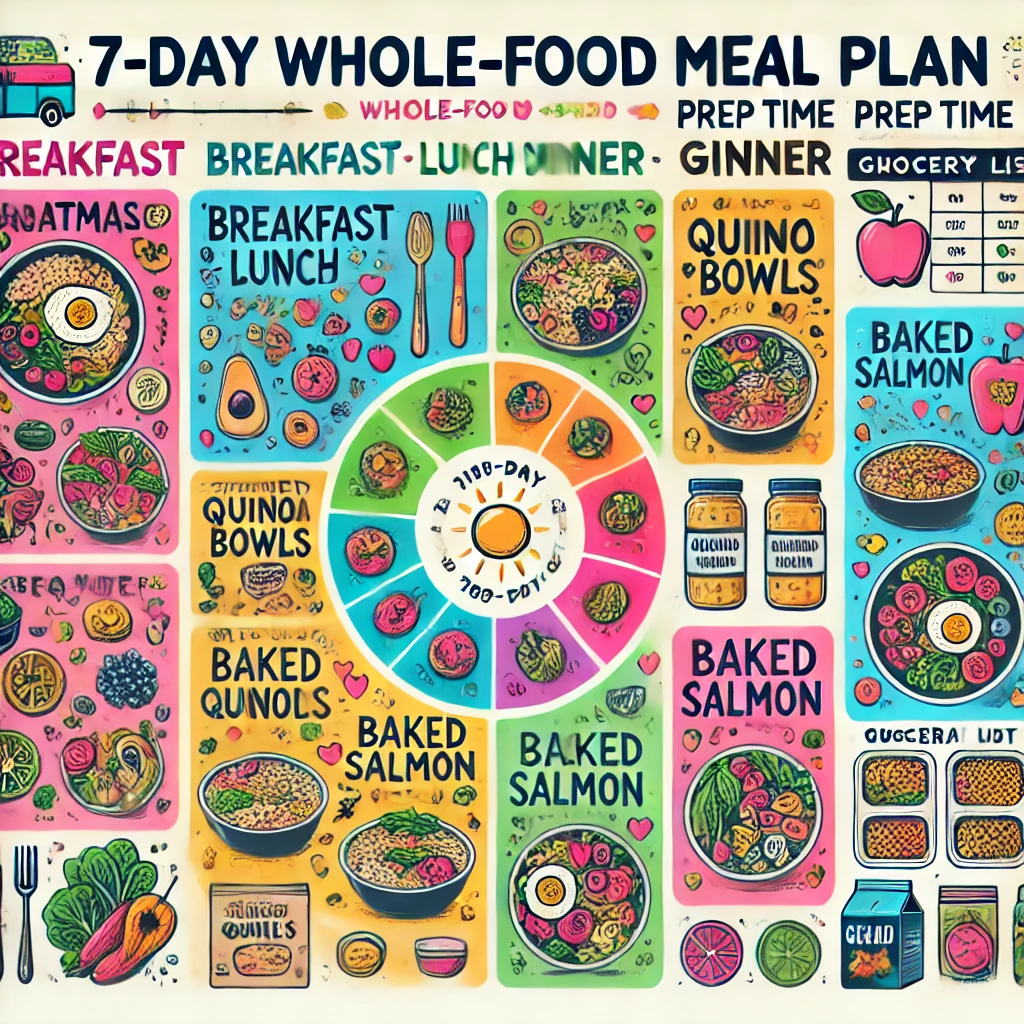
Dr. Brennan: Batch cook on weekends. Keep fruit on the counter. Shop the perimeter of the grocery store. These are simple but powerful habits.
Dr. Santos: Also, crowd out, don’t restrict. Fill your plate with color, flavor, and fiber—so there’s less room for junk.
📖 Source: Integrative Nutrition Playbook; Mayo Clinic Lifestyle Center
✅ Conclusion: From Processed to Powerfully Nourished
Reducing processed foods isn’t a diet trend—it’s a biological reset. It’s reclaiming your metabolism, gut health, mood, and energy.
🍎 Food is not just fuel. It’s information for your cells. And every bite is a message.
💬 What processed food do you find hardest to give up—and what whole-food swap works best for you? Share your experience in the comments!
❓ FAQ – Processed Food & Health
Q1: Are all processed foods bad?
A: No. Minimal processing like freezing or fermenting can preserve nutrients. The concern is with ultra-processed foods that contain artificial additives and offer little nutritional value.
Q2: What’s the easiest way to identify ultra-processed foods?
A: Read the label. More than five unfamiliar ingredients, added sugars, artificial flavors, or hydrogenated oils are red flags.
Q3: Can reducing processed foods really affect my mood or mental clarity?
A: Yes. Studies show improvements in mood, energy, and cognitive performance within weeks of reducing inflammatory additives.
Q4: Is it more expensive to eat whole foods?
A: Not necessarily. Buying in bulk, choosing seasonal produce, and cooking at home often cost less than frequent processed snack purchases.
Q5: What’s one simple habit to start today?
A: Swap one processed snack for a whole-food alternative—like fruit, nuts, or plain yogurt. Small changes make big differences.


