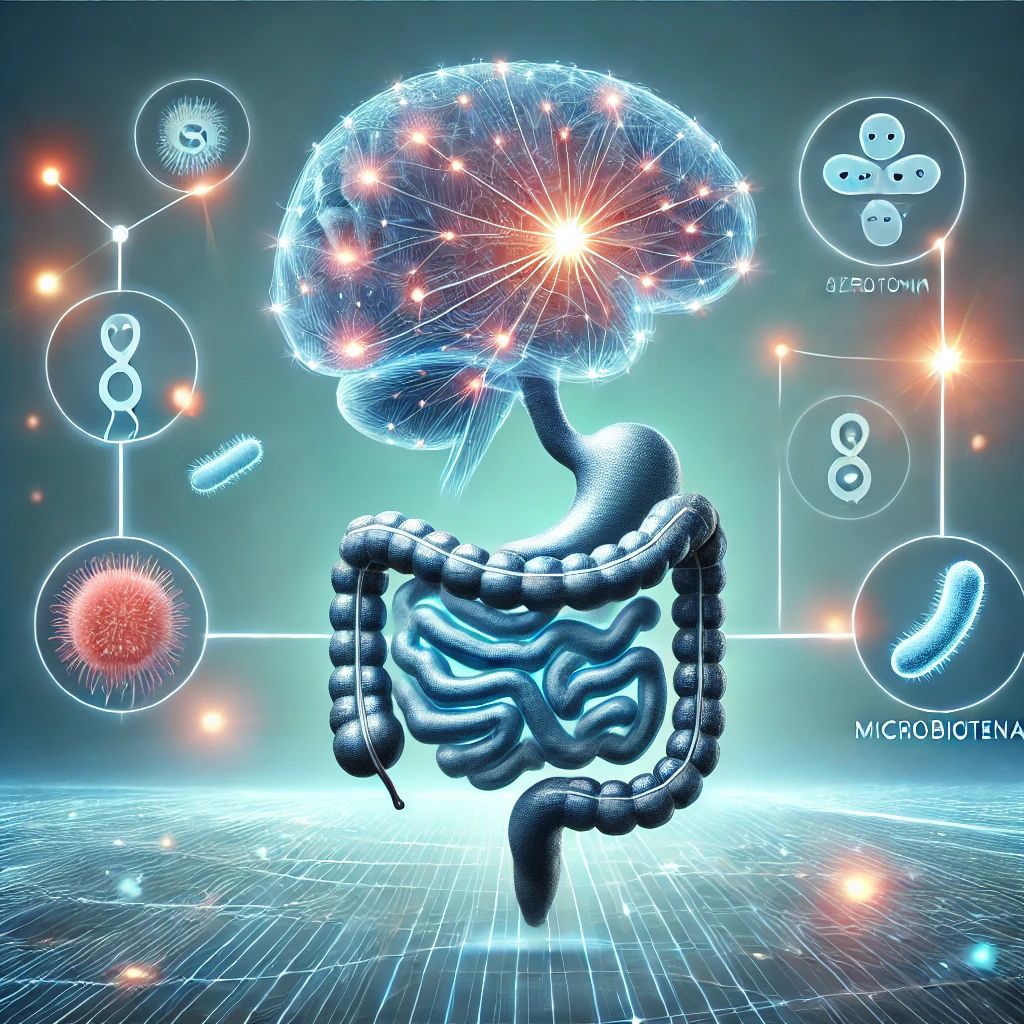
Alt text: Brain and gut connected with microbiome icons and neural pathways
Summary:
🌿 Cutting-edge research shows your gut microbiome plays a key role in mental health.
🧬 Scientists are uncovering links between gut bacteria and conditions like anxiety and depression.
💡 Probiotics and diet may be the next frontier in mental wellness.
🌍 What Is the Gut-Brain Connection?
The gut-brain axis is the bidirectional communication network between the gastrointestinal tract and the brain. It involves:
- The vagus nerve 🧠
- Hormonal signaling via neurotransmitters like serotonin
- The immune system and inflammatory pathways
Your gut is home to trillions of bacteria—collectively known as the gut microbiome—which produce compounds that can influence brain function and mood.
🧠 Fun Fact: About 90% of the body’s serotonin is produced in the gut, not the brain!
🔬 The Science Behind Microbiome and Mental Health
Recent studies show strong associations between gut health and mental conditions like:
- Depression 😔
- Anxiety disorders 😰
- Autism spectrum disorders 🧩
- Stress-related symptoms 💢
According to a 2022 study in Nature Microbiology, individuals with depression often have a different gut bacterial composition compared to healthy controls. (Nature Microbiology)
Moreover, germ-free mice (mice raised without gut bacteria) have shown increased stress responses and altered neurotransmitter levels.
🥦 Can Food and Probiotics Help?
The emerging field of psychobiotics—probiotics that affect mental health—is gaining attention.
🌱 Foods that support gut-brain health:
- Yogurt with live cultures 🥣
- Fermented foods (kimchi, sauerkraut, kefir)
- High-fiber vegetables (broccoli, artichokes, lentils)
- Polyphenol-rich foods (green tea, berries, dark chocolate 🍫)
💊 Probiotics and Prebiotics:
- Lactobacillus rhamnosus has been shown to reduce anxiety-like behavior in animal models.
- Bifidobacterium longum may lower stress-related hormones like cortisol.
✅ Real-world tip: Look for high-quality probiotic supplements with diverse strains and at least 10 billion CFUs.
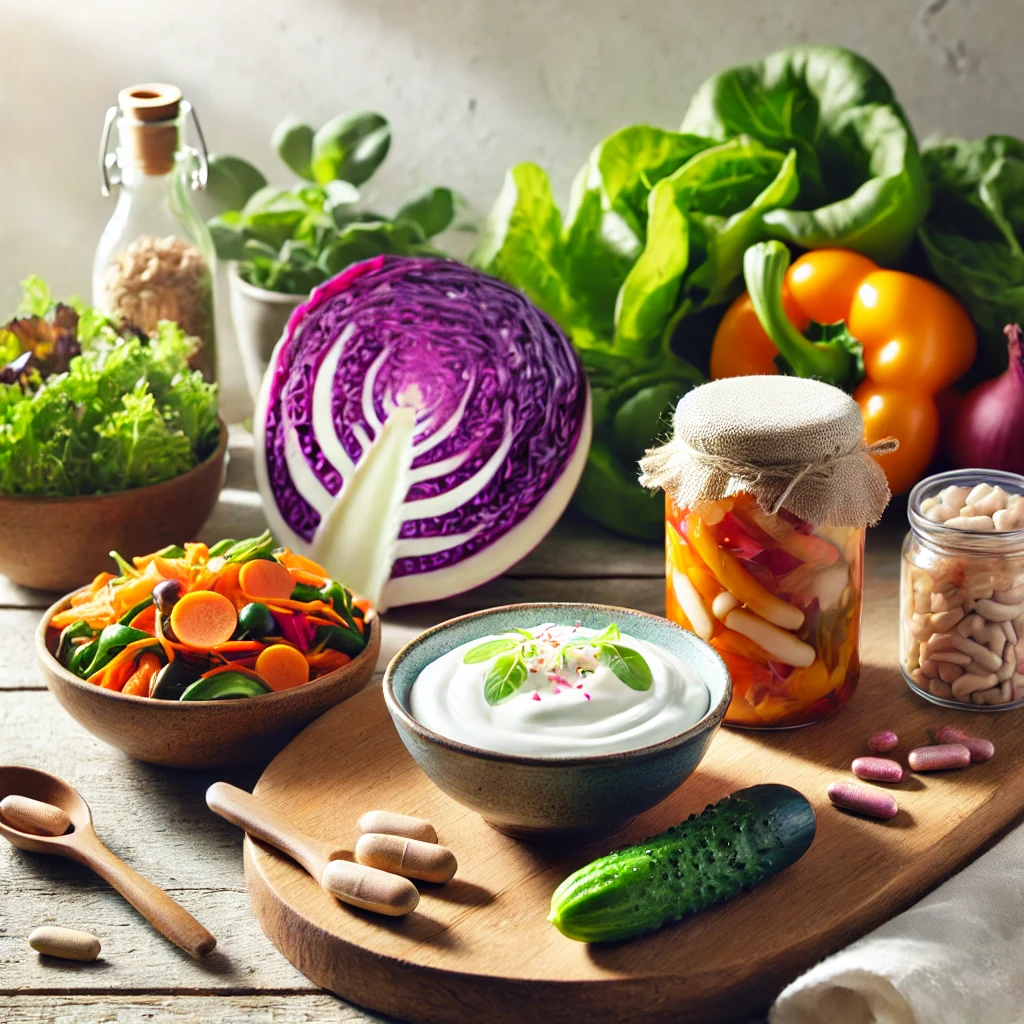
Alt text: A bowl of yogurt, kimchi, probiotic supplements, leafy greens, and colorful vegetables arranged neatly on a wooden table, symbolizing support for gut health
🗣️ Expert Dialogue: What the Science Community Thinks
Dr. Emily Chen (Neuroscientist):
"We’re finally understanding that the gut is like a second brain—it produces neurotransmitters and influences mood more than we ever imagined."
Dr. Marcus Rivera (Gastroenterologist):
"I’m seeing patients with IBS or gut inflammation who also struggle with anxiety. Addressing gut health often eases mental symptoms too."
Dr. Chen:
"It’s exciting because we can intervene—through diet, probiotics, even fecal transplants. But we need more human trials."
Dr. Rivera:
"Agreed. And we have to educate the public on the importance of microbiome diversity and long-term dietary habits."
🧠 Gut-Brain Balance Self-Check
Is your gut sabotaging your mood? Answer honestly below.
❓ Frequently Asked Questions (FAQ)
Q: Can gut bacteria really affect mood?
A: Yes. Gut bacteria produce neurotransmitters like GABA and serotonin, which are key to mood regulation.
Q: What’s the best way to improve gut health?
A: Start with a diverse, fiber-rich diet and include fermented foods. Consider taking high-quality probiotics.
Q: Are these treatments proven?
A: While early evidence is promising, more human clinical trials are needed to confirm specific strain effects.
Q: Is this only helpful for people with gut issues?
A: No—improving gut health can benefit mental clarity, energy, and overall mood in healthy individuals too.
💬 What’s Your Gut Telling You?
Have you noticed a connection between your digestion and your mood? 🤔
💭 Drop a comment below to share your experience or ask a question.
📰 Subscribe for more science-backed wellness insights and mental health trends that matter.


