— How Technology is Transforming the Way We Treat Depression, Anxiety, and More —
📌 Technology is revolutionizing mental health with early diagnosis, personalized treatments, and 24/7 virtual support.
📌 Experts weigh in on real-world tools and ethical challenges of digital mental wellness.
📌 Discover how this innovation can transform your mental health journey—for good.
🧠 Introduction: Why Technology and Mental Health Matter
Mental health disorders like depression, anxiety, and PTSD affect more than 1 in 5 adults in the U.S. alone. 💔 But there’s a growing force quietly transforming how we treat and manage these conditions: advanced digital tools and artificial intelligence (AI). 🧑💻🧘♀️
Let’s dive into how these innovations are reshaping the future of mental healthcare—and whether they offer a step toward smarter, more human-focused treatment. 🤖❤️
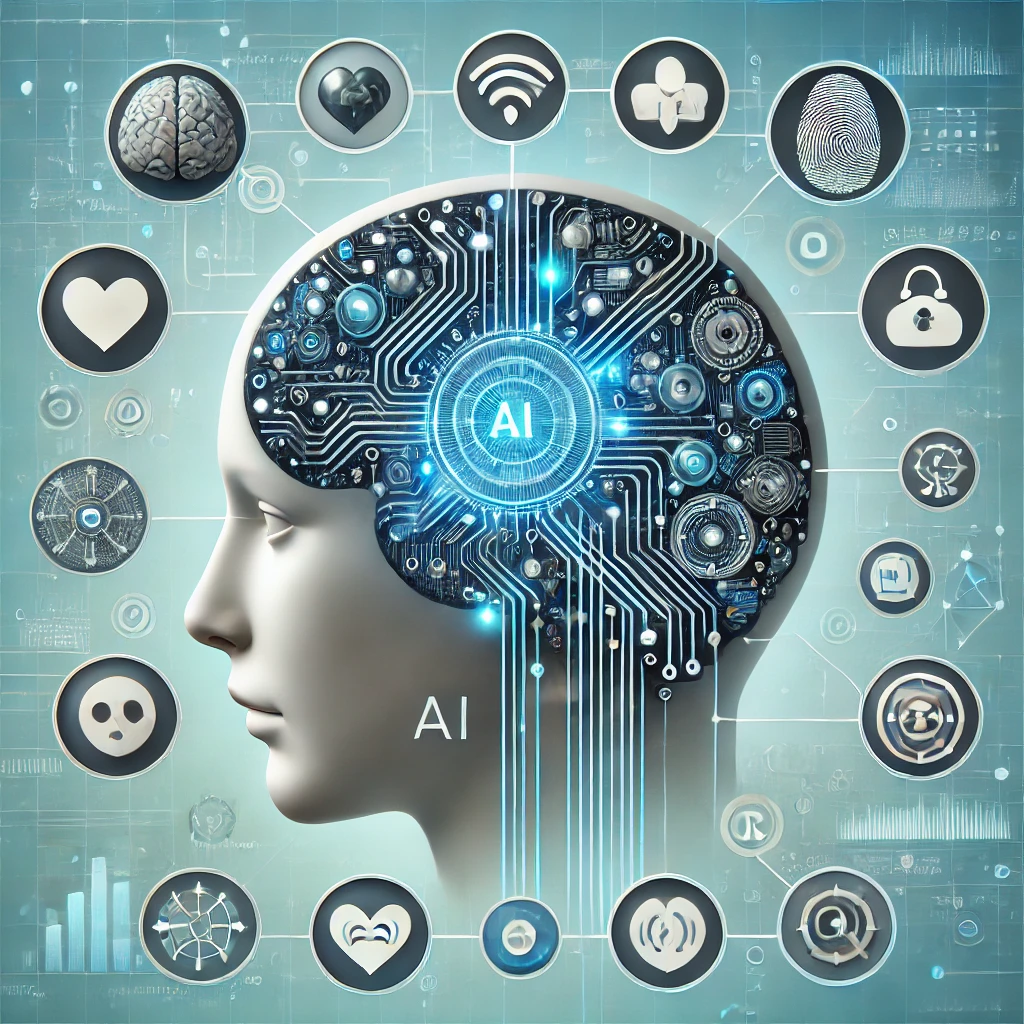
👩⚕️ Expert Talk: Can Digital Tools Understand Our Minds?
Dr. Ava Chen, Cognitive Neuroscientist:
🗣️ "The human mind is complex, but with machine learning, we’re closer than ever to decoding early warning signs of mental health issues. Digital tools don’t just collect data—they learn."
Dr. Miguel Alvarez, Psychiatrist & Digital Health Researcher:
🧠 "That’s right, Ava. And I’ve seen firsthand how certain platforms can recognize a patient’s cognitive decline based purely on their typing rhythm and the sentiment in their texts."
Dr. Chen:
💬 "Exactly. And what’s even more fascinating is that these tools can adapt over time. They ‘learn’ your normal behavior and flag deviations. It’s not about replacing therapists—but adding another intelligent layer of insight."
Dr. Alvarez:
🧾 "For instance, a chatbot might pick up on linguistic cues like reduced complexity in sentence structure, which often correlates with depression onset. I recall one case where a young adult was flagged by an AI tool weeks before any symptoms became evident in therapy."
Dr. Chen:
📱 "There’s that Instagram study too—remember? Where image filters and posting frequency helped predict depressive states with remarkable accuracy."
📊 Case Study: Digital Tools Detect Depression via Instagram
A 2017 study from Harvard and the University of Vermont found that a model analyzing Instagram posts (color tone, facial expressions, and engagement) could predict depression with 70% accuracy, compared to 42% from general practitioners.
📲 Where Digital Tech Shines in Mental Health
1. AI-Powered Chatbots 🤖💬
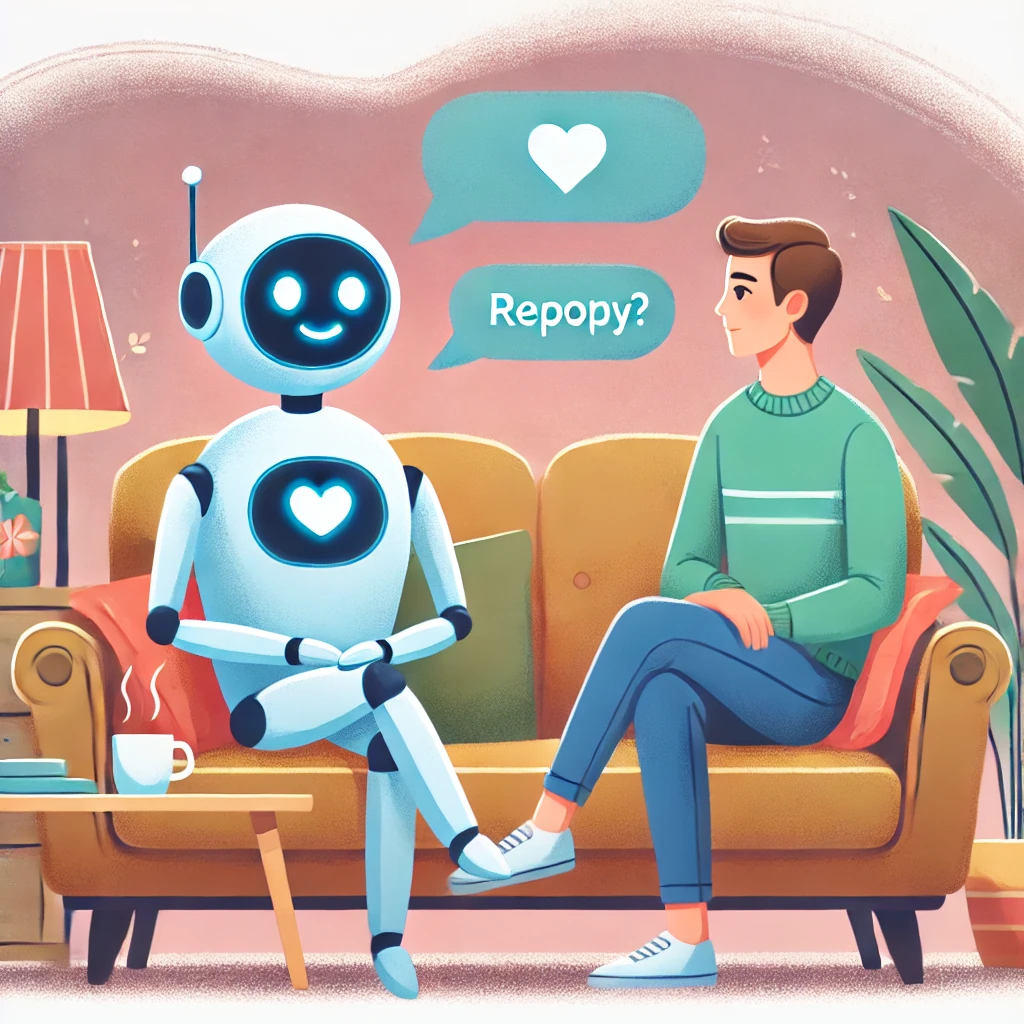
Virtual companions like Woebot, Wysa, and Tess provide Cognitive Behavioral Therapy (CBT) techniques 24/7. They’re not replacements for therapists but act as first-line support—especially useful in areas with long wait times for appointments.
2. Smart Wearables ⌚💡
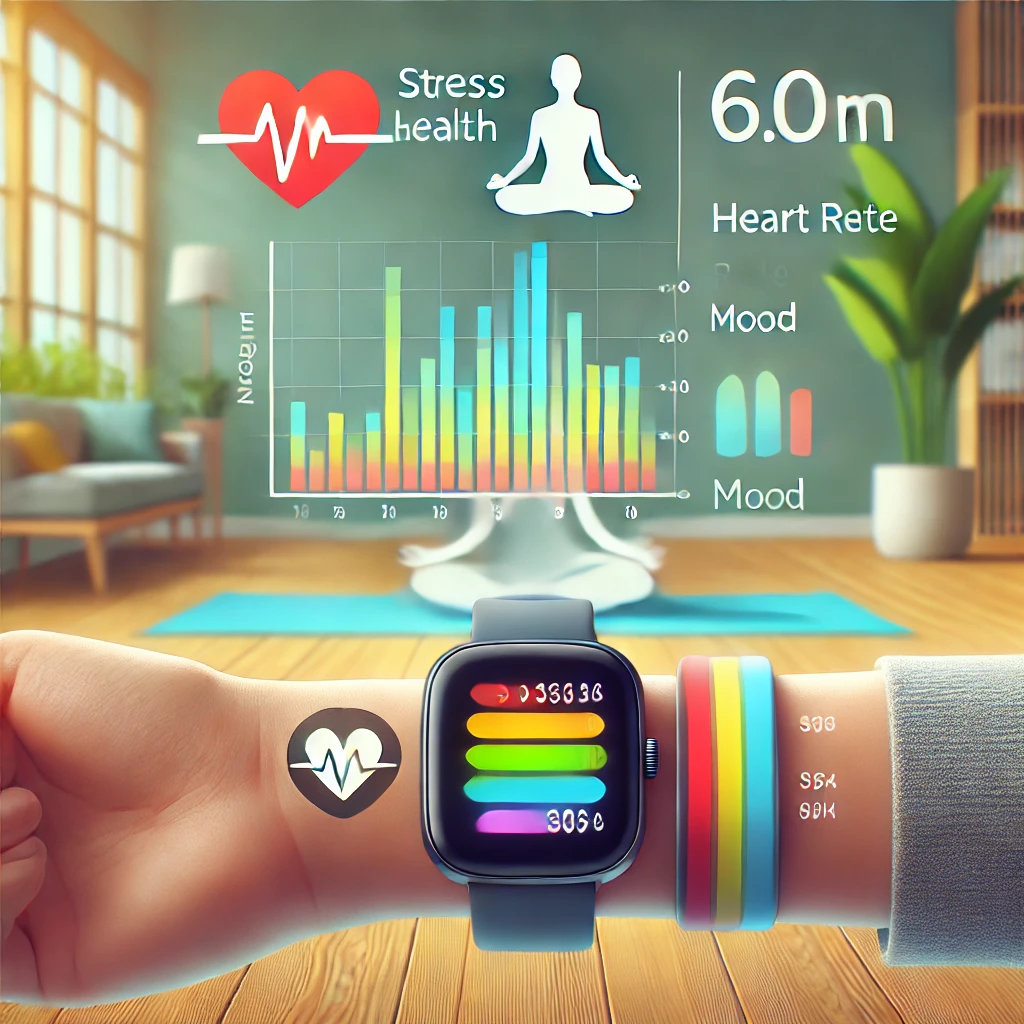
Devices like the Apple Watch and Fitbit now track not only steps but heart rate variability and sleep—key markers of mental health. With digital integration, they can send real-time alerts when stress levels spike or sleep patterns crash.
🧪 Example: Fitbit's EDA Scan measures electrodermal activity, signaling stress changes throughout the day. It then recommends breathing exercises or mindfulness tips. 🌿
3. Virtual Therapy via Video or Voice 🎤📈
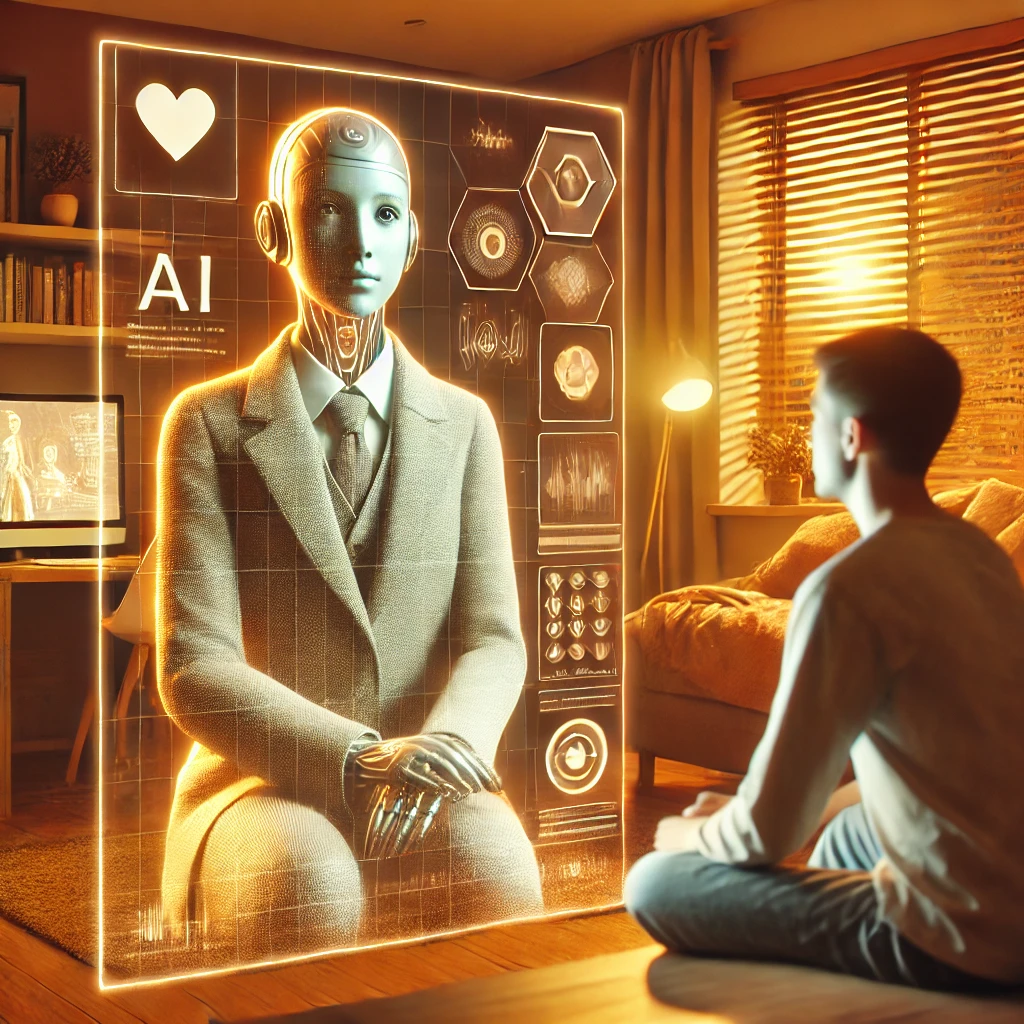
Platforms like Talkspace and BetterHelp offer virtual sessions with licensed therapists, while digital voice AIs like Ellie assist in identifying emotional shifts through facial expressions and tone analysis.
🧩 Personalized Treatment Plans Through Data
Dr. Chen:
📈 "Digital tools aren't just diagnosing—they’re customizing therapy. If your mood dips when sleep is low, your wearable data combined with mood tracking apps can dynamically adjust your care plan."
📌 Real-World Example: IBM Watson Health
By analyzing patient records, Watson can suggest mental health treatments that align with past medication efficacy and genetic markers—reducing trial-and-error in psychiatric meds. 🧬💊
🚫 Challenges and Ethical Red Flags
Let’s not sugarcoat it—digital health has limitations and risks. ⚠️
1. Bias in Training Data ⚖️
Many tools are trained on datasets that may lack diversity—leading to bias against certain ethnicities, genders, or age groups.
Dr. Alvarez:
🧾 "Some systems perform well for middle-aged white males but may misread signals from other demographics."
2. Data Privacy Concerns 🔐
Mental health data is deeply personal. If mishandled, it can cause serious harm.
Best Practices:
- Choose tools with end-to-end encryption 🔒
- Look for HIPAA-compliant platforms 📜
- Always review privacy policies 👁️
🔮 What’s Next? Future of Digital Mental Wellness
🌀 Emotionally Intelligent AI: Future bots will recognize not just words but emotional nuance, sarcasm, or even silence.
🧠 Neuroadaptive Interfaces: Devices that adjust lighting, sound, or even air quality based on your mental state are in prototype stages. 🛋️🌿
🏥 AI-Assisted Psychiatrists: Human therapists working alongside AI for faster, more personalized care.
❓ FAQ: Digital Mental Health Tools
Q1: Can technology really diagnose mental illness?
🧠 It supports diagnosis by identifying early warning signs—but final evaluation should be done by a clinician.
Q2: Are therapy chatbots actually effective?
✅ Yes, especially for mild anxiety or depression, and as a supplement to traditional therapy.
Q3: Will AI replace human therapists?
🙅 No. AI assists professionals, but human empathy and nuance remain irreplaceable.
Q4: How do I choose a safe digital mental health tool?
📲 Look for HIPAA-compliance, clear privacy policies, and positive clinical validation.
💬 Join the Conversation
🗨️ Have you used a mental health app or AI-based tool? How did it work for you?
👇 Share your experience in the comments!


