✨ Summary:
- 🧬 Cutting-edge research shows that gut microbiota plays a crucial role in regulating mood and mental well-being.
- 🔄 The gut-brain axis is a two-way communication system influencing emotions, cognition, and behavior.
- 🥦 Improving gut health through diet, probiotics, and lifestyle changes may offer a natural way to support mental health.
👩⚕️ Expert Dialogue: Bridging Psychology and Gastroenterology 👨⚕️
Dr. Susan Hale (Neuropsychiatrist): "The emerging data is undeniable. We’re seeing more evidence that gut health is a major player in psychological disorders like anxiety, depression, and even conditions like ADHD."
Dr. Michael Carter (Gastroenterologist): "It’s remarkable how gut microbiota can influence the central nervous system. The gut is often referred to as our 'second brain' for a reason."
Dr. Hale: "Right. In fact, 90% of serotonin — the 'feel-good' neurotransmitter — is produced in the gut. A disrupted gut microbiome can mean lower serotonin levels and an increased risk for mood disorders."
Dr. Carter: "That’s why we’re exploring dietary interventions and probiotics not only for gut issues but also as complementary treatments for mental health."
Dr. Hale: "Exactly. It’s a promising field, and patients are increasingly asking about natural solutions — especially those with treatment-resistant depression."
🤔 What Is the Gut-Brain Axis?
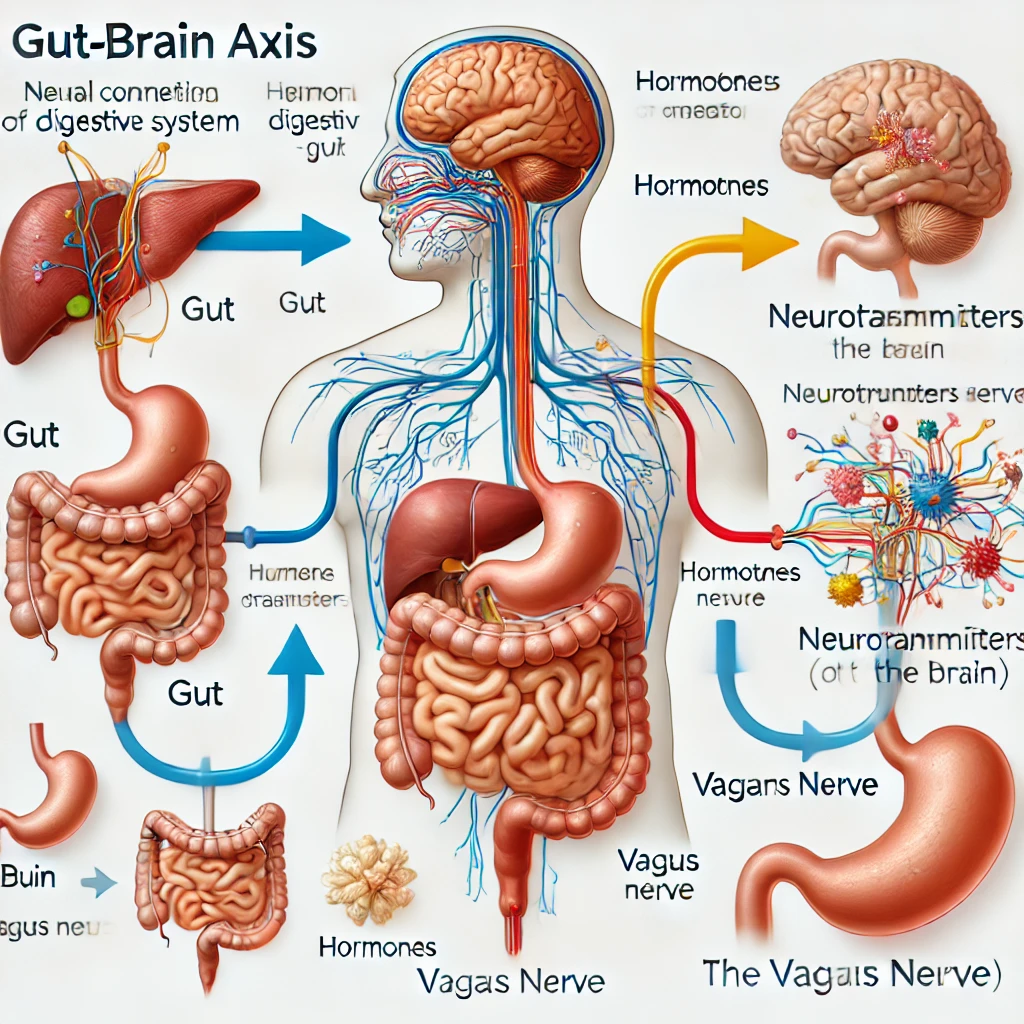
The gut-brain axis (GBA) is a sophisticated, two-way communication network that connects the central nervous system (CNS) with the enteric nervous system (ENS) of the gastrointestinal tract. It regulates emotional and cognitive processes through a complex interaction of:
- 🧠 Neurotransmitters such as serotonin, dopamine, and GABA
- 🛡️ Immune system signals like cytokines
- 🔗 Vagal nerve stimulation
- 🧪 Short-chain fatty acids (SCFAs) produced by beneficial gut bacteria
When this delicate system is disrupted due to gut microbiota imbalance (dysbiosis), it can lead to increased inflammation, neurotransmitter deficiencies, and even the onset of mood disorders such as depression and anxiety.
🧬 The Science: How Gut Microbes Influence Mental Health
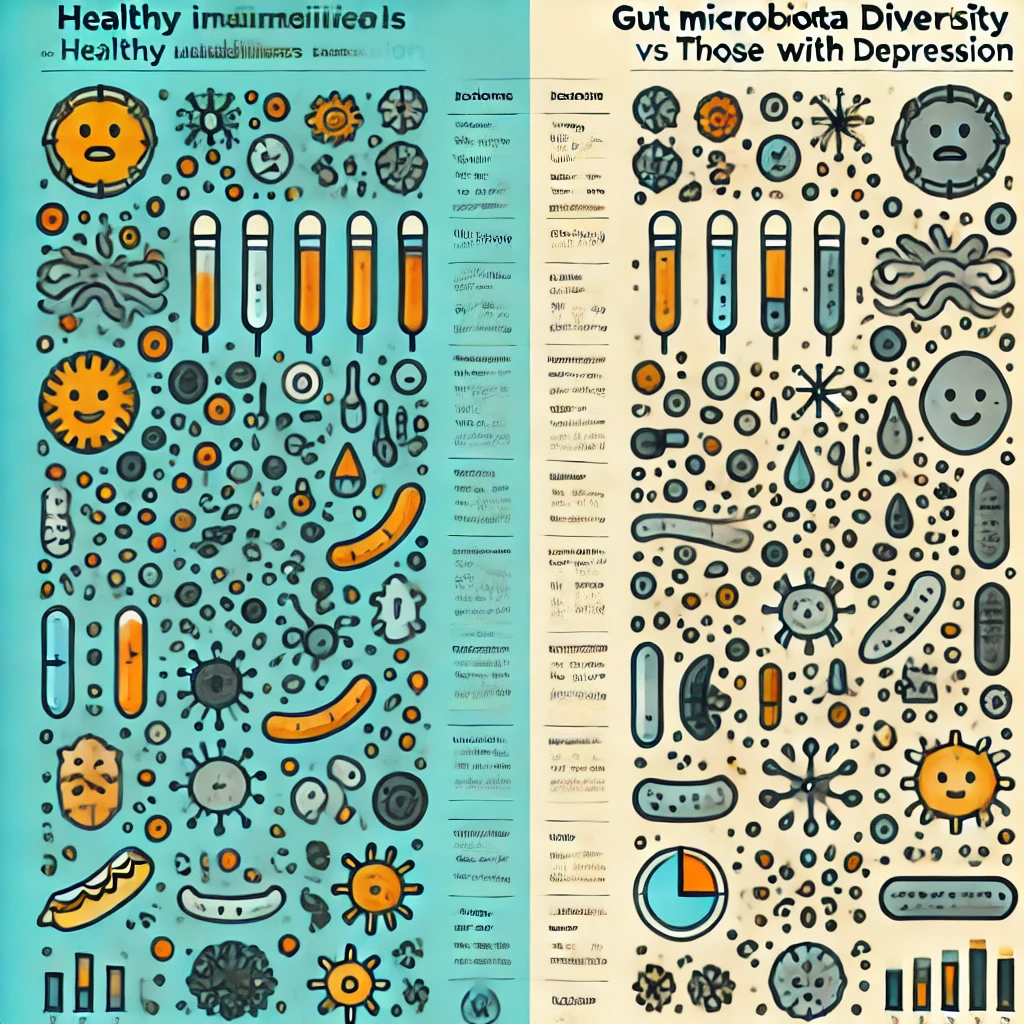
Groundbreaking research continues to demonstrate that gut flora diversity significantly affects psychological resilience and emotional stability. Consider the following examples:
- 🧾 A 2020 study published in Nature Microbiology found that individuals with clinical depression had reduced levels of key bacteria like Coprococcus and Faecalibacterium.
- 🥗 UCLA scientists revealed that consuming fermented foods daily led to improved emotional regulation and reduced brain activity linked to anxiety.
- 💤 A trial in the journal Nutrients noted that probiotic supplementation lowered cortisol levels and improved sleep and mood in stressed individuals.
💡 Real-World Case: Sarah’s Journey from Depression to Clarity
Sarah, a 35-year-old graphic designer from New York, experienced years of persistent anxiety and fatigue. Medications brought little relief. After a gut microbiome test showed severe dysbiosis, she started a gut-healing journey with:
- 🥗 A plant-focused, high-fiber diet
- 💊 Probiotic supplements
- ❌ Cutting sugar, alcohol, and processed foods
- 🧘♀️ Mindfulness and meditation
📈 Three months later, Sarah’s mood, energy, and clarity dramatically improved — naturally and sustainably.
🛠️ Treatment Approaches: Healing the Mind Through the Gut
1. 💊 Probiotic Supplementation
- Strains like Lactobacillus rhamnosus, Bifidobacterium longum, and Lactobacillus helveticus are well-researched.
- ✅ Look for multi-strain blends with billions of CFUs.
- 🏷️ Trusted brands: Culturelle, Garden of Life, NOW Probiotic-10.
2. 🥑 Prebiotic-Rich Foods
- Great choices: onions, garlic, oats, asparagus, green bananas 🍌
- Bonus: try inulin or FOS prebiotic powders.
3. 🥢 Fermented Foods
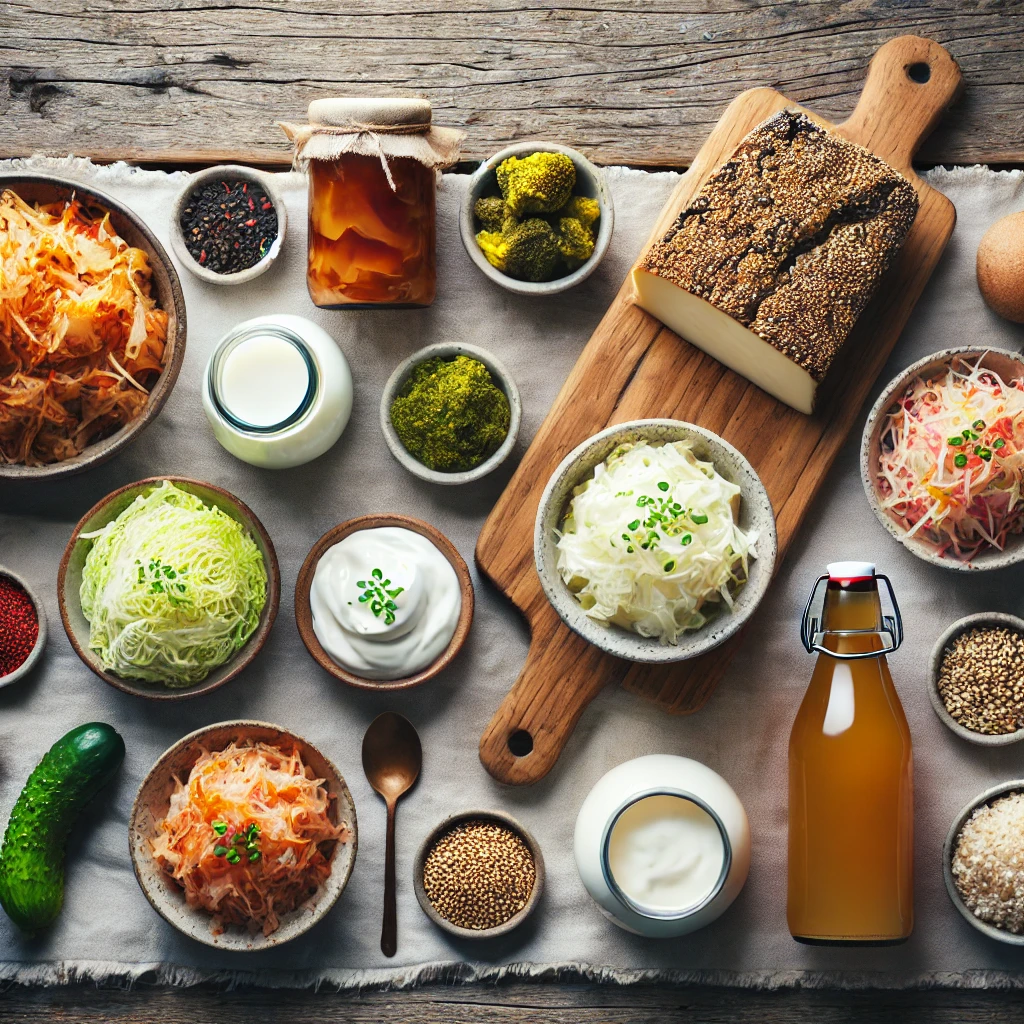
- Add kimchi, sauerkraut, kefir, miso, kombucha to your plate daily!
4. 🌿 Lifestyle Habits
- 🛏️ Sleep 7–9 hours
- 🏃 Exercise regularly
- 🧘 Practice stress reduction like yoga, breathwork, or journaling
🚀 The Future of Gut-Based Psychiatry

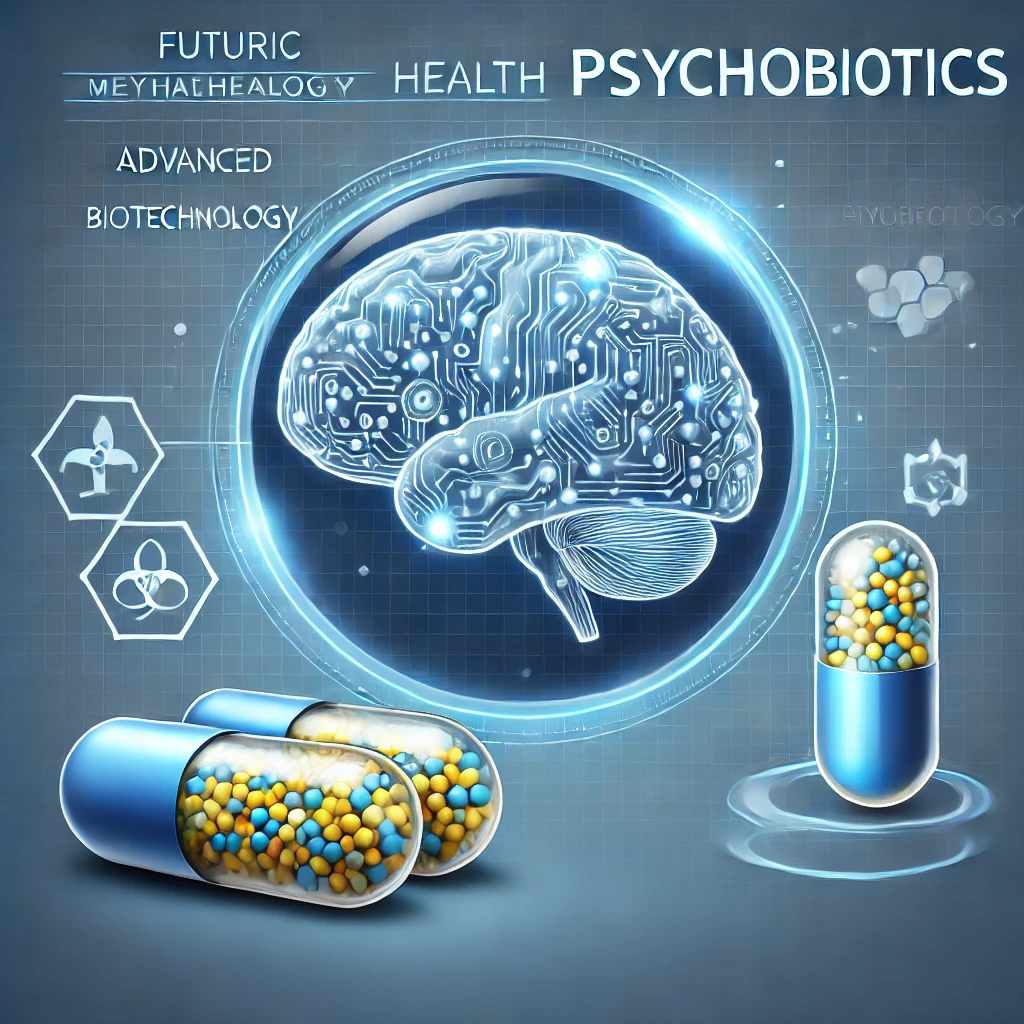
Welcome to the age of psychobiotics — powerful probiotics that target your brain 🧠. Scientists are currently exploring their potential to:
- 🌧️ Treat major depressive disorder (MDD)
- 😰 Ease PTSD symptoms
- 🧓 Support cognition in neurodegenerative diseases
Pharma companies are racing to develop microbiome-based drugs and even fecal microbiota transplants (FMT) for mental health.
🔬 Scientists are exploring microbiome-based interventions as a new frontier in psychiatry — a bold step toward root-cause healing.
🙋 FAQs: Gut Health and Mental Wellness
Q1: How soon can I expect results? ⏱️
A: Some notice changes in weeks, but deeper improvements often take 8–12 weeks.
Q2: Are all probiotics the same? 🧫
A: No! Different strains = different effects. Choose clinically backed products.
Q3: Can antibiotics ruin my gut? 💊
A: They can disrupt it short-term, but you can rebuild with diet + probiotics.
Q4: Is daily use of probiotics safe? ✅
A: Usually, yes — but check with your doctor if you have special conditions.
Q5: Do kids benefit from gut-focused health? 👶
A: Absolutely. It’s especially helpful for anxiety, ADHD, and mood balance.
💬 Let’s Talk!
Have you tried supporting your gut for better mental health? 🤔
We’d love to hear your experience! 💭 Drop your thoughts in the comments 👇 and help others learn through your story.


