Summary
Protein isn’t just for bodybuilders anymore—and mocktails aren’t just for designated drivers.
Discover why high-protein foods and alcohol-free drinks are dominating health trends across the U.S.
From metabolism to muscle, and brain clarity to gut health, this guide breaks it all down.
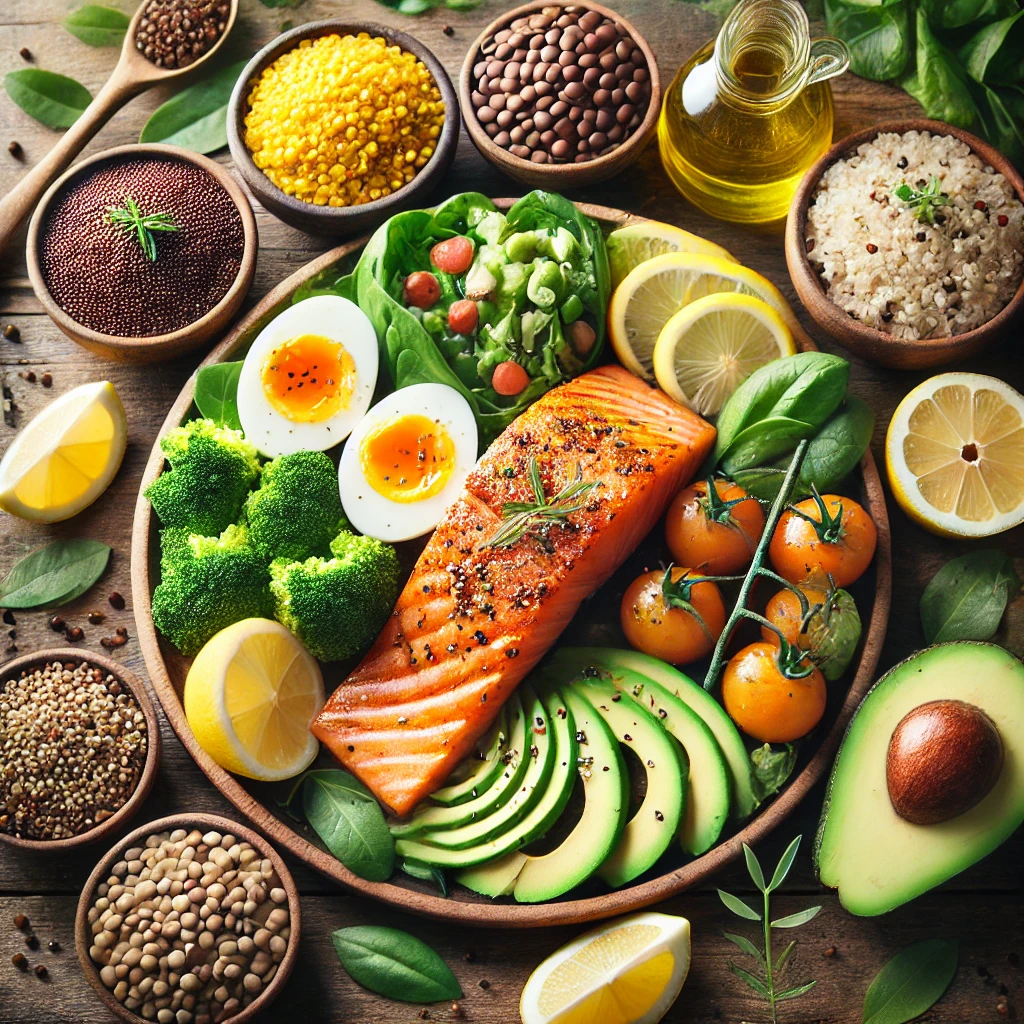
A well-balanced, protein-rich meal supports metabolism, muscle repair, and satiety.
🎙️ Expert Roundtable: Nutritionists Talk 2025's Boldest Trends
Dr. Amanda Cruz, Clinical Dietitian:
“We’re seeing protein become the star of the plate—not just a side. What’s changed is that people now realize how crucial it is for energy, recovery, even mood.”
Dr. Evan Blake, Functional Nutritionist:
“Absolutely. And not just animal protein—plant-based proteins like lentils, quinoa, and edamame are making major strides, especially for sustainability.”
Dr. Cruz:
“There’s also this huge shift in drinking habits. Alcohol-free drinks have exploded in popularity, not just among pregnant women or designated drivers, but wellness-focused millennials and Gen Z.”
Dr. Blake:
“And rightly so. We’ve underestimated how even moderate alcohol affects sleep, gut health, and inflammation.”
💪 Why Protein Matters More Than Ever
Protein plays an essential role in:
- Building and repairing tissues
- Enzyme and hormone production
- Supporting immune function
- Fueling muscle maintenance
🔥 Protein & Metabolism
High-protein diets increase the thermic effect of food (TEF), meaning your body burns more calories digesting it. Studies show that protein-rich diets can improve fat loss and preserve lean mass during calorie restriction.
😴 Protein & Sleep
Tryptophan, found in high-protein foods like turkey and eggs, is a precursor to serotonin and melatonin—key to mood and sleep regulation.
🧠 Protein & Mental Clarity
Amino acids are critical to neurotransmitter production. Inadequate protein can lead to brain fog, irritability, and fatigue.
🥦 Plant-Based Power: Not Just About Meat
Protein is no longer synonymous with steak. Consumers are choosing:
- Lentils (18g per cooked cup)
- Chickpeas (15g per cup)
- Tofu/Tempeh (10–20g per serving)
- Quinoa (8g per cup, complete protein)
- Hemp seeds (10g per 3 tbsp)
These options support both protein needs and heart health, with less saturated fat.
🍹 The Rise of Alcohol-Free Wellness Culture
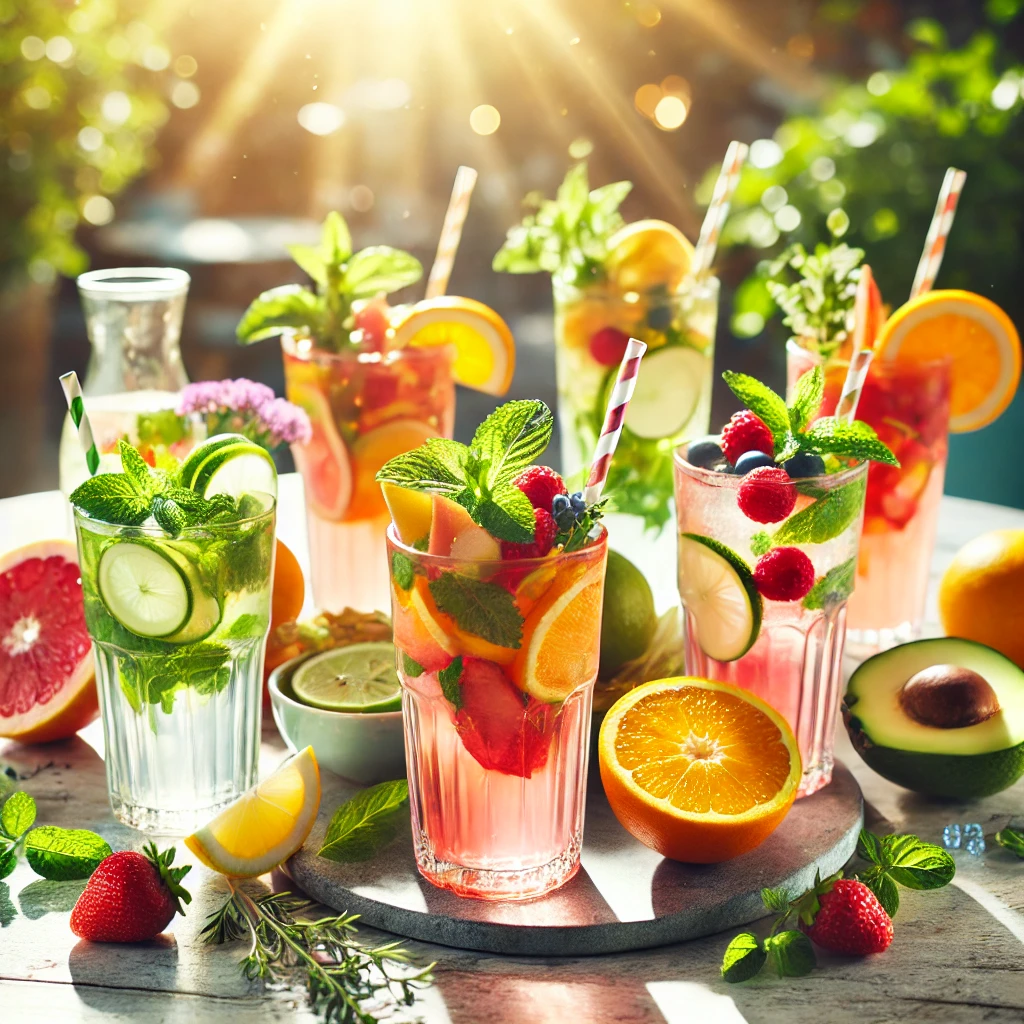
In 2025, “mindful drinking” is in—and traditional booze is out. Why?
- Alcohol disrupts REM sleep
- It impairs liver detoxification
- It contributes to inflammation
🥗 Protein & Alcohol-Free Lifestyle Self-Check
Answer the 7 questions below to see how well you're supporting your health goals—and get personalized recommendations.
✨ Enter: Functional Mocktails
Mocktails are now infused with ingredients like:
- Adaptogens (ashwagandha, reishi)
- Botanicals (lavender, mint, chamomile)
- Nootropics (L-theanine, GABA)
Brands like Kin Euphorics, Three Spirit, and De Soi have led the charge.
Modern mocktails offer flavor, function, and zero hangover.
🛒 How to Build a High-Protein, Alcohol-Free Day
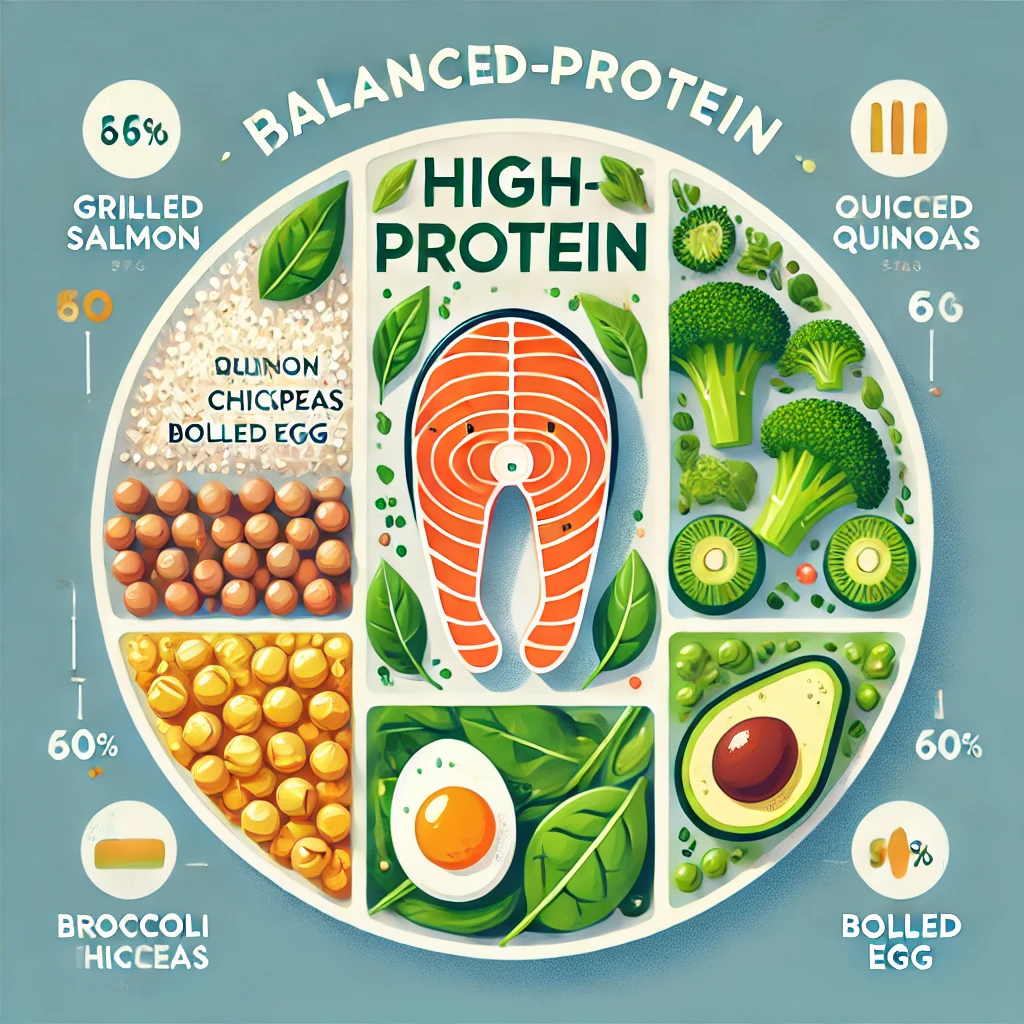
Breakfast:
- Scrambled eggs with spinach and feta (20g)
- Unsweetened matcha latte with oat milk
Lunch:
- Grilled chicken salad with quinoa, chickpeas, and pumpkin seeds (35g)
Snack:
- Greek yogurt + hemp seeds + blueberries (18g)
Dinner:
- Baked salmon + roasted lentils + steamed broccoli (45g)
- Sparkling botanical drink with ashwagandha
📚 Real Story: Maya's 30-Day Shift
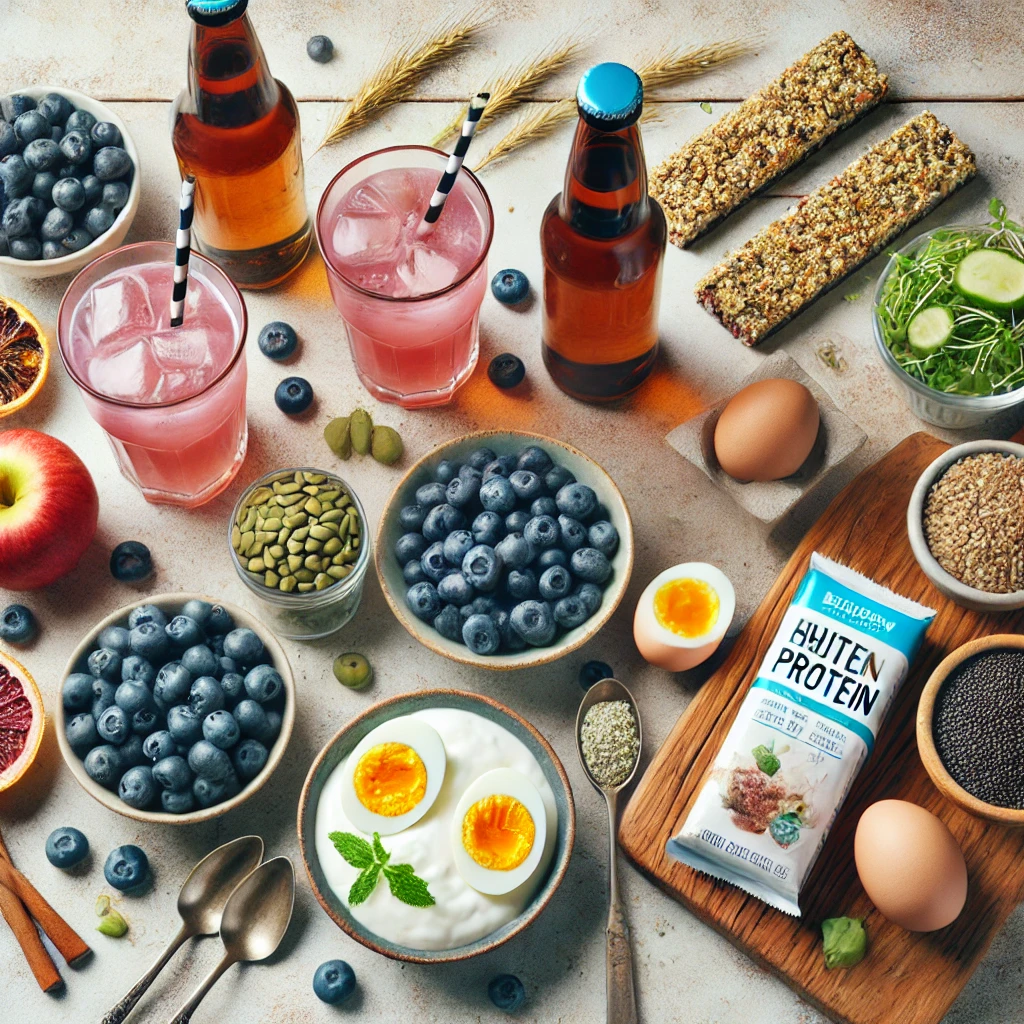
“I stopped drinking and started tracking protein—and within 2 weeks, I felt radically different. My cravings went down, my sleep improved, and I actually looked forward to meals again.”
“I didn’t realize how bloated and mentally foggy I was until I cut alcohol out and replaced it with something nourishing. Now my ‘cocktail’ is a lemon balm + mint spritzer—and I love it.”
Strategic swaps make healthy living easier—and enjoyable.
❓ FAQ: What People Ask About High-Protein & Alcohol-Free Living
Q1: How much protein do I really need?
A: For the average adult, 0.8g per kg of body weight is the minimum to avoid deficiency. But for optimal health—especially if you're active, older, or trying to lose weight—1.2–2.0g/kg is ideal. That’s about 90–130g daily for many adults.
Q2: Will eating more protein harm my kidneys?
A: In healthy individuals, higher protein intake is safe. The concern arises primarily for those with pre-existing kidney disease. For everyone else, research shows no negative impact—only benefits like improved muscle mass, bone density, and satiety.
Q3: What are the best sources of protein if I’m plant-based?
A: Lentils, quinoa, tofu, tempeh, edamame, hemp seeds, and pea protein powder are excellent. Variety is key to getting all essential amino acids. Complementary pairing (like rice + beans) also helps.
Q4: Why are so many people giving up alcohol lately?
A: There's growing awareness of alcohol’s subtle but significant effects on sleep, metabolism, mental clarity, and gut health. Younger generations in particular value wellness and productivity—making mindful drinking or full sobriety more common.
Q5: Do alcohol-free drinks actually taste good?
A: Yes! Today’s alcohol-free brands have invested in botanical complexity and flavor layering. Many include herbs, fruits, and adaptogens that enhance both taste and function. It’s no longer just soda water with lime.
Q6: Will I lose weight by increasing protein and cutting alcohol?
A: Likely yes—protein boosts satiety and thermogenesis, reducing overall calorie intake. Alcohol, on the other hand, is empty calories that often drive overeating. This double-shift helps create a natural calorie deficit without strict dieting.
Q7: Can I build muscle on a plant-based, alcohol-free diet?
A: Absolutely. With the right protein sources and strength training, muscle growth is completely achievable. Avoiding alcohol actually supports better recovery and hormone balance, aiding muscle retention.
Q8: Are there any side effects to eating high protein?
A: Some people may experience digestive discomfort if increasing protein too rapidly. Hydration and fiber are important to balance this out. Always aim for whole food sources before relying on supplements.
💬 What About You?

Have you tried upping your protein or cutting alcohol?
What changes have you noticed—energy, sleep, mood? 👇 Share your thoughts and tips in the comments below and join the wellness conversation!


