Discover how a low histamine diet can help reduce symptoms like headaches, bloating, and skin reactions.
Learn what foods to avoid and what to enjoy, backed by science and real-life experiences.
Includes expert insights, practical food lists, and lifestyle tips for long-term relief.
📘 What Is Histamine Intolerance?
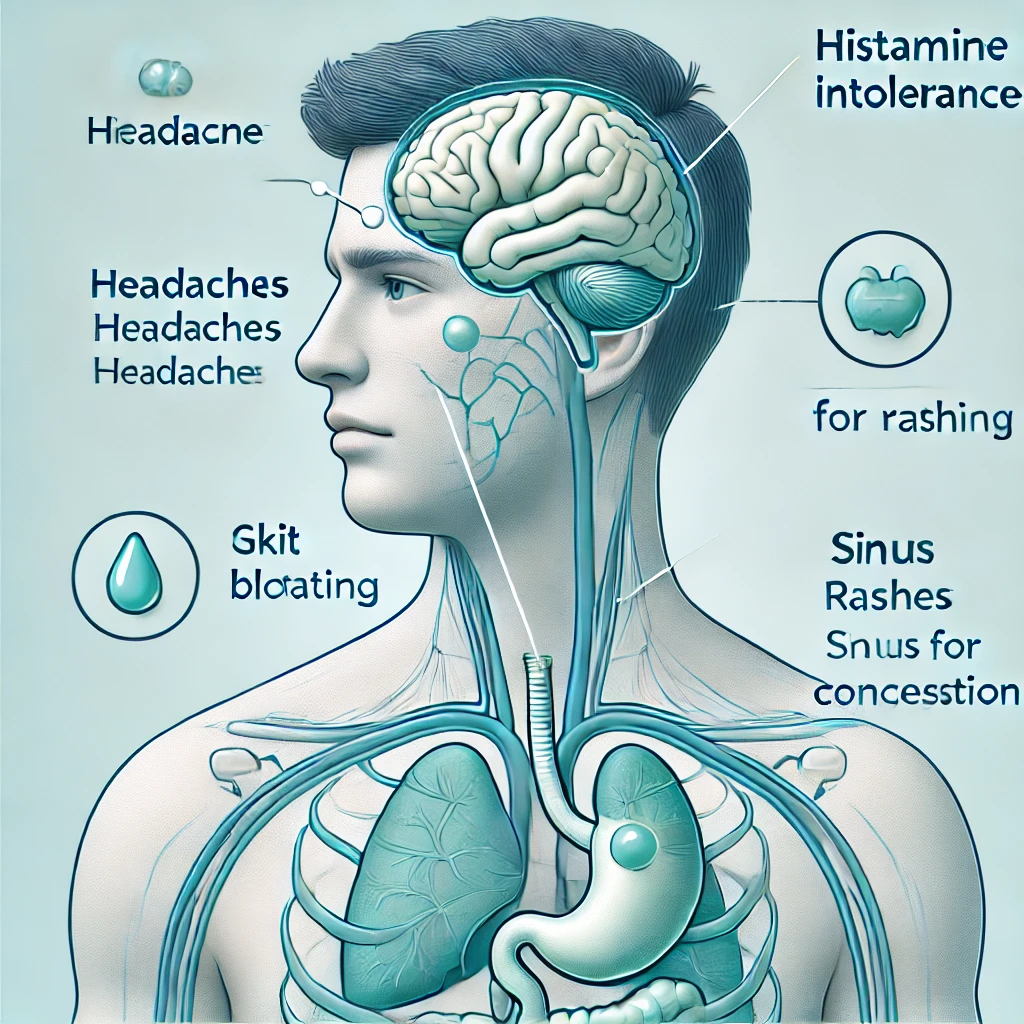
Histamine intolerance occurs when the body can’t properly break down histamine — a natural compound involved in digestion, immune function, and brain activity. When histamine builds up, it can trigger symptoms that mimic allergic reactions:
- Migraines and headaches
- Skin rashes or flushing
- Digestive discomfort (bloating, cramps)
- Runny nose or nasal congestion
While some people manage with medications or DAO supplements, dietary control remains the most foundational and sustainable strategy.
👩⚕️ Expert Dialogue: Is Diet the Missing Piece?
Participants:
- Dr. Clara Benson – Integrative Nutritionist
- Dr. Michael Lee – Functional Medicine Physician
Dr. Benson:
"Many of my patients experience dramatic improvements just by switching to a low histamine diet. For some, it’s the difference between daily migraines and none."
Dr. Lee:
"I agree. DAO enzyme supplements can help, but they’re not a magic fix. The root of histamine overload often lies in poor gut function and chronic inflammation — which diet directly impacts."
Dr. Benson:
"And yet, many are unaware that aged, fermented, or processed foods are their biggest triggers. Just avoiding kombucha or cured meats can be life-changing."
Dr. Lee:
"A well-structured elimination diet is a powerful diagnostic and therapeutic tool. And for those open to tracking, food diaries are invaluable."
🧬 Foods to Avoid: High in Histamine or Triggering Release
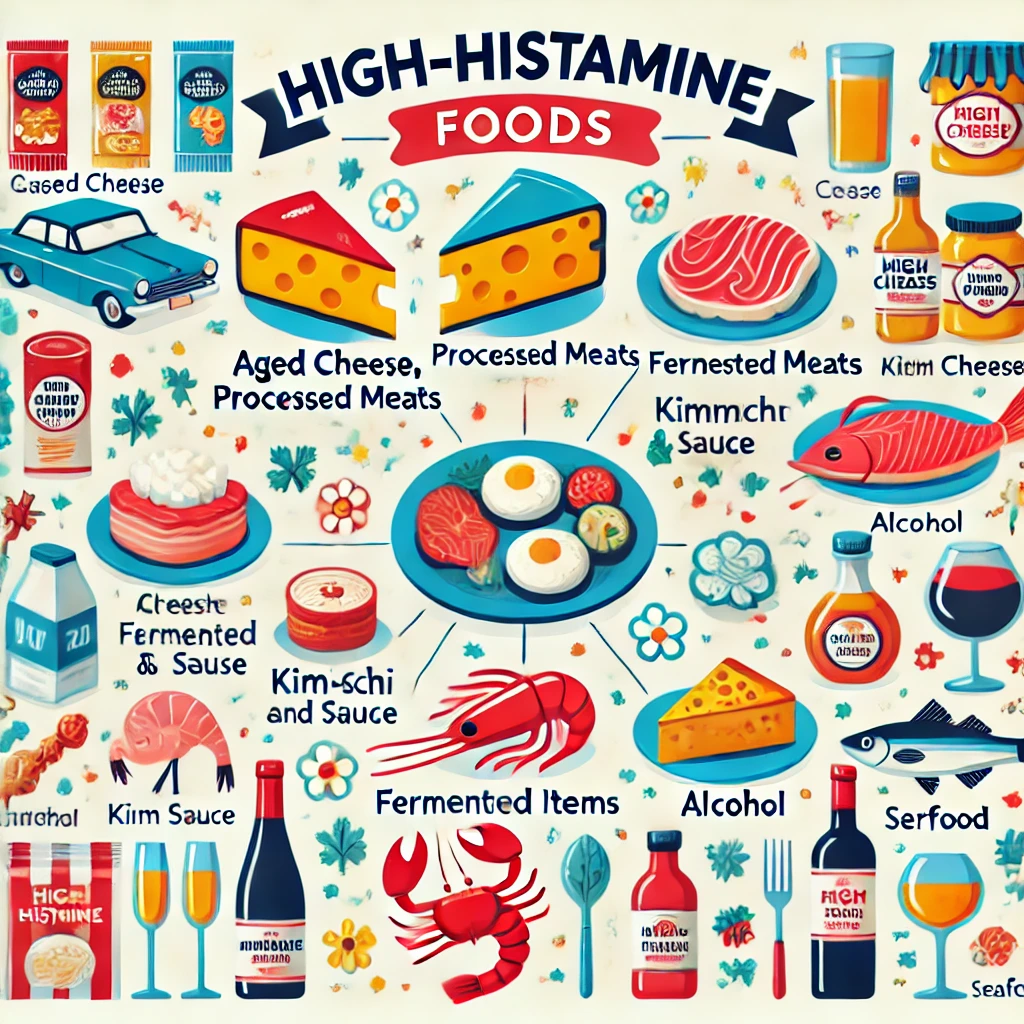
These foods either contain high levels of histamine or stimulate its release:
- Aged cheeses (Parmesan, Gouda) 🧀
- Processed meats (bacon, salami, deli turkey) 🥓
- Fermented foods (sauerkraut, kimchi, soy sauce, vinegar) 🍶
- Alcoholic beverages (wine, beer, champagne) 🍷
- Certain fruits & vegetables: tomatoes, spinach, avocados, eggplants 🍅
- Seafood: especially tuna, mackerel, sardines 🐟
- Leftovers or foods stored too long 🥡
🔍 Note: Some foods may not contain histamine but act as “liberators” — triggering histamine release in the body.
🥑 What You Can Eat: Low Histamine Foods
Eating low histamine doesn’t mean boring meals. Try:
- Fresh meats (chicken, turkey, lamb) 🍗
- Fresh or flash-frozen white fish (cod, haddock) 🐠
- Gluten-free grains (rice, quinoa, millet) 🌾
- Vegetables: broccoli, zucchini, carrots, sweet potato 🥦
- Fruits: apples, blueberries, pears, mangoes 🍎
- Dairy alternatives: coconut milk, rice milk 🥥
- Healthy fats: olive oil, flaxseed oil 🫒

🧠 Scientific Evidence and Application
A 2022 study in Frontiers in Nutrition confirmed that histamine intolerance differs from IgE-based allergies and is often linked to low DAO activity or gut dysbiosis.
Another 2023 report from BioMed Central supported the efficacy of low-histamine diets, showing improvement in over 75% of participants within four weeks.
📌 Real-life example: A clinical case published in 2021 highlighted a woman with chronic migraines and IBS-like symptoms who experienced symptom reversal through a low-histamine diet and DAO support.
📋 Tips for Starting a Low Histamine Lifestyle
- 🗓️ Use a food/symptom journal to identify personal triggers.
- 🧊 Prioritize freshness – freeze leftovers immediately if you must store them.
- 🚫 Avoid aged/leftover meals – these accumulate histamine over time.
- 🛒 Meal prep with rotation in mind to reduce exposure.
- 🧪 Track your progress – consider DAO supplements (Amazon affiliate-ready) before meals as needed.

❓ FAQ: Common Questions About Low Histamine Diets
Q: How long should I follow a low histamine diet?
A: Typically 2–4 weeks strictly, then gradually reintroduce foods while tracking symptoms.
Q: Can I ever eat high-histamine foods again?
A: Possibly, after your system stabilizes. Reintroduction should be slow and intentional.
Q: Are DAO supplements required?
A: Not always. They're helpful for dining out or during the reintroduction phase.
Q: Will this cure my histamine intolerance?
A: It’s not a “cure” but a management strategy. Many people experience dramatic symptom relief.
Q: Should I test my DAO levels?
A: You can, but clinical relevance is debated. Dietary trial often provides clearer answers.
📊 Final Thoughts
Managing histamine intolerance doesn’t have to mean deprivation. With the right information and a strategic diet, you can take back control of your health naturally. 🥗✨


