Summary
📈 Nearly 1 in 2 teens lives with at least one chronic illness—from asthma and eczema to ADHD and diabetes.
🧬 This post explores the hidden causes, societal impact, and long-term risks of this escalating health crisis.
📋 Includes expert insights and an in-depth FAQ to help parents, educators, and healthcare providers respond effectively.

1. Introduction: A Generation Growing Up Sick
Teenagers today are facing more than just peer pressure and academic stress—they’re increasingly battling chronic physical and mental health conditions that were once rare in youth.
According to the Journal of the American Medical Association (JAMA), over 45.6% of adolescents in developed nations are now living with at least one chronic condition, and many have two or more. The term “silent epidemic” is now being used to describe this growing burden of illness in the next generation.
What’s driving the surge? Experts point to a complex web of contributors: ultra-processed diets, digital overexposure, environmental toxins, reduced physical activity, socioeconomic stress, and a reactive rather than preventive healthcare system.
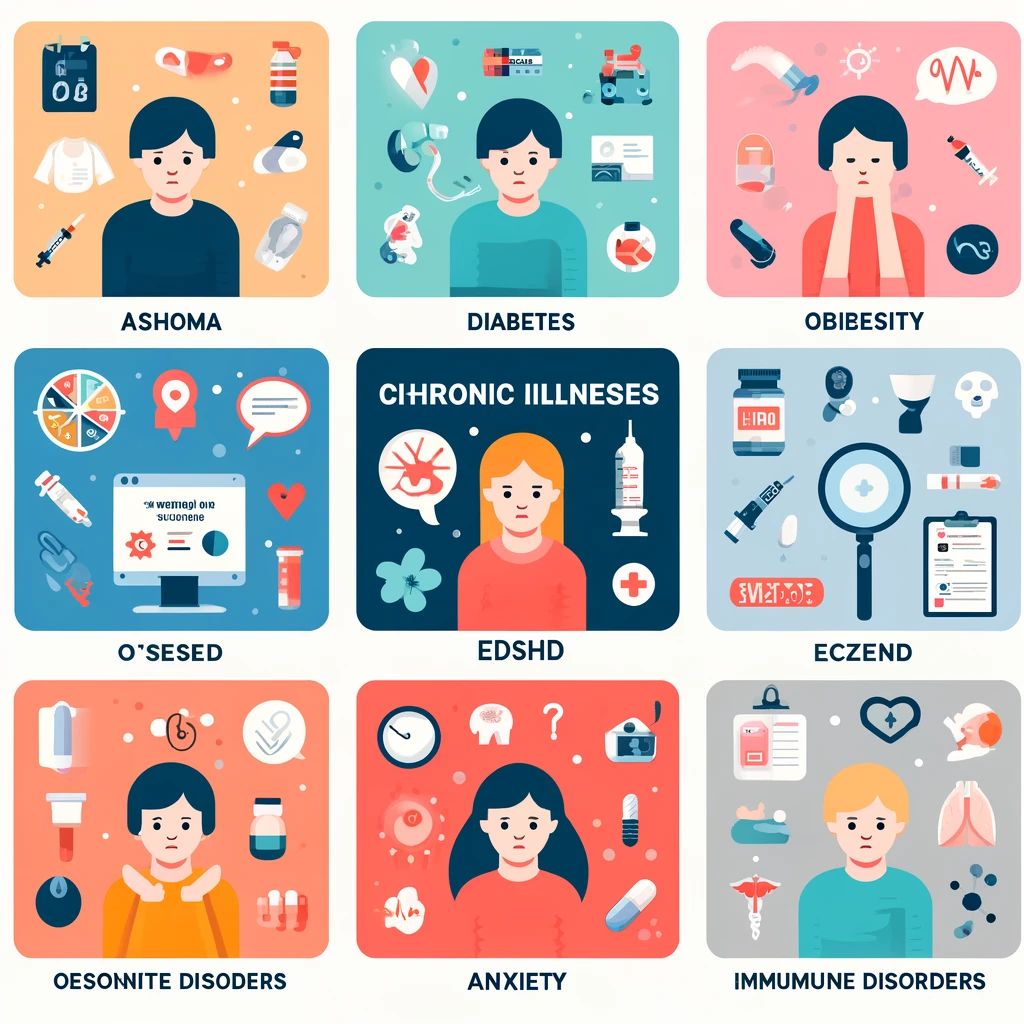
2. Top 8 Chronic Illnesses Affecting Teens 📋
Here are the 8 most common chronic conditions in adolescents today:
- Asthma – triggered by pollution, allergens, and respiratory viruses
- Eczema (atopic dermatitis) – linked to autoimmune tendencies and food sensitivities
- Type 1 & Type 2 Diabetes – Type 2 rising due to poor diet and inactivity
- Obesity – now affects 1 in 5 U.S. teens, raising cardiovascular risks
- ADHD – often underdiagnosed in girls, overmedicated in boys
- Anxiety and Depression – rising due to social media and academic pressure
- IBD (Crohn’s and ulcerative colitis) – increasingly seen in younger patients
- Autoimmune diseases – including juvenile arthritis, Hashimoto’s, lupus
3. The Societal Cost of Teen Chronic Illness 💰
Chronic illness in adolescence affects more than just the individual—it disrupts schools, families, and healthcare systems.
Key consequences:
- 🚸 Over 2 million missed school days annually due to chronic illness
- 📉 Increased dropout rates and academic underperformance
- 🧠 Heightened risk for lifelong mental health conditions
- 💸 Billions in healthcare costs, especially in emergency and specialist care
Parents face income loss. Teens miss social milestones. Public systems absorb growing costs.

4. Expert Dialogue: 6 Real-World Insights from the Frontlines 🧑⚕️👩⚕️
Dr. Sharon Lim (Pediatric Endocrinologist):
"We’re seeing Type 2 diabetes in kids as young as 10. That used to be unheard of."
Dr. Kyle Bennett (Child Psychologist):
"What concerns me most is the normalizing of fatigue and anxiety in teens."
Dr. Maria Solis (Adolescent Medicine Specialist):
"Autoimmune conditions are rising—especially in girls. It’s systemic."
Dr. Bennett:
"Mental health and chronic illness form a vicious cycle."
Dr. Lim:
"We must prioritize early screenings—especially in underserved communities."
Dr. Solis:
"Education and empowerment can reverse this trend."
5. 3 Major Causes of Teen Chronic Illness 🔍
Chronic illnesses in teens usually stem from a complex mix of influences:
Biological (1):
- Genetics
- Puberty-related hormone shifts
- Early-life trauma or infections
Environmental (2):
- Pollution exposure
- Chemical additives in food and water
- Excessive screen time and inactivity
Psychosocial (3):
- Family stress or instability
- Academic competition
- Sleep deprivation and poor nutrition habits
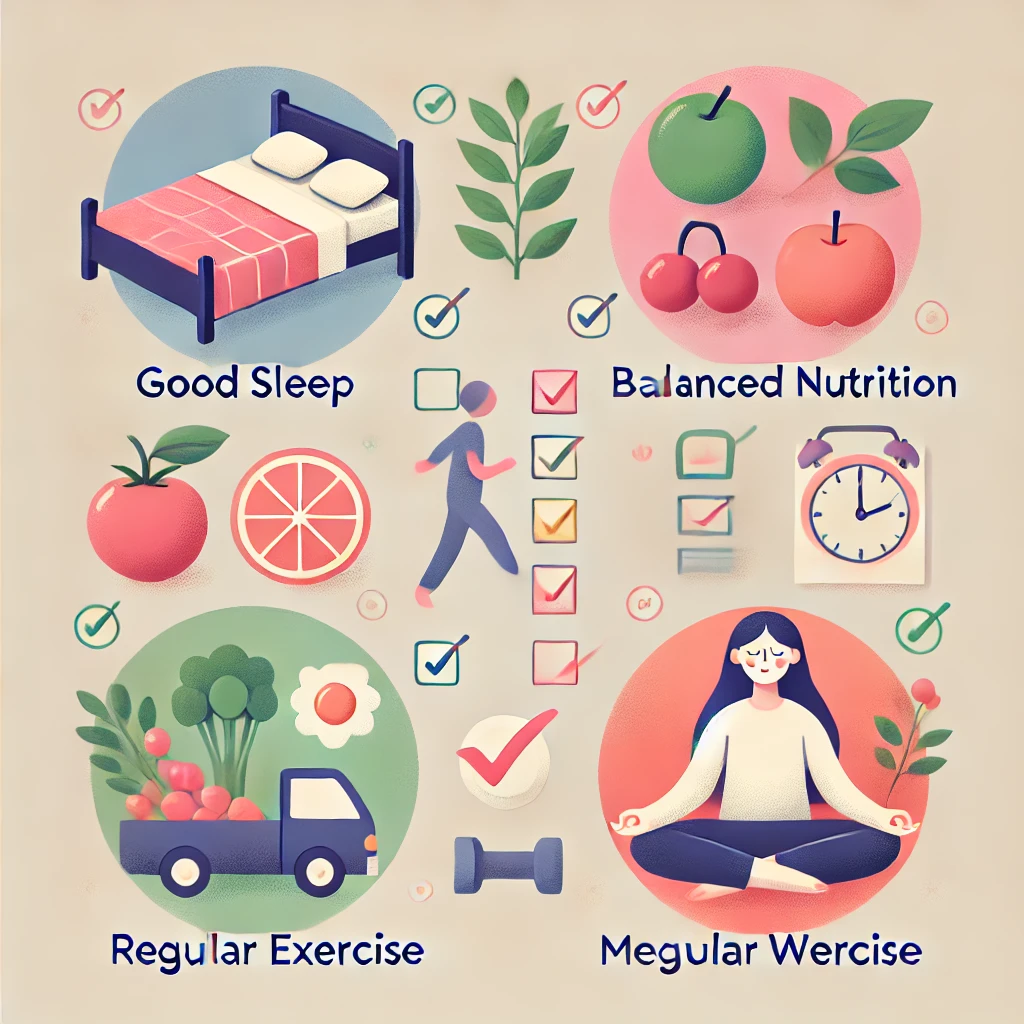
6. 4 Ways to Prevent and Intervene Early 🛡️
Prevention is possible—and urgent.
- 🏫 Schools: Teach movement, mindfulness, and nutrition.
- 👨⚕️ Pediatricians: Screen both mental and physical health at every visit.
- 🏠 Parents: Set screen limits, cook more at home, model wellness.
- 🏛️ Policy makers: Tackle healthcare access, food systems, environmental safety.
🧪 Teen Chronic Illness Self-Check
7. Extended FAQ: Teen Chronic Illnesses ❓
❓ Why are so many teens sick today?
Because today’s world is biologically mismatched with adolescent development. From nutrient-poor diets to sedentary lifestyles and digital overstimulation, teenagers are under chronic stress that rewires their biology and immunity.
❓ Physical or mental illness—what comes first?
Often both appear together. For instance, chronic pain can trigger anxiety, and unresolved trauma can lead to gut issues. One condition typically worsens the other, forming a feedback loop that’s difficult to break without holistic care.
❓ Can teens outgrow these conditions?
Yes—for some illnesses like mild eczema or childhood asthma. But others, such as autoimmune diseases or metabolic syndromes, can persist for life if not treated early. Early intervention dramatically improves the chance of long-term recovery.
❓ Medication or natural approach?
It depends. Medications can be life-saving or stabilizing. But lifestyle strategies like nutrition, stress reduction, and exercise are critical to addressing root causes. The best outcomes come from combining both approaches with proper guidance.
❓ How much does food matter?
A lot. Diets high in sugar, seed oils, and processed ingredients increase systemic inflammation and worsen conditions like diabetes, ADHD, and acne. Conversely, fiber-rich, whole food-based diets support immunity, mood, and gut health.
❓ Can schools help?
Definitely. Schools can make a huge impact by offering flexible attendance policies, building awareness around invisible illnesses, providing mental health support, and accommodating physical limitations. Schools should be allies, not obstacles.
❓ What should parents focus on now?
Start by listening without judgment. Create a structured, low-stress home environment. Prioritize regular sleep, real food, and movement. Avoid overscheduling, reduce screen use at night, and advocate for your teen in medical and school settings.
❓ Is this only in the U.S.?
No. This is a global trend. Countries across Europe, Asia, and Australia are also seeing rising rates of teen obesity, anxiety, autoimmune disorders, and more. The common thread is modernization—fast food, digital media, pollution, and academic pressure.
❓ Where can families get help?
Look for pediatric specialists, school-based support staff, and online chronic illness communities. Nonprofits like the Starlight Foundation and The Mighty offer resources, and many social media platforms now host peer-led support.
❓ What happens if we ignore this?
We risk raising a generation burdened by preventable diseases. Without intervention, today’s teens may face lifelong issues—heart disease, infertility, mental illness, and reduced quality of life. The time to act is now, while resilience is still within reach.
8. Final Thoughts: It Takes a Village to Build Resilient Teens 🌍
Teen health is a mirror of the world we’ve created. If we want our children to thrive, we need to reshape that world—at home, in clinics, in classrooms, and in public policy.
👪 This is no longer optional. It’s generational survival.
💬 Have you or someone close to you faced a chronic illness as a teen? What helped? What didn’t?
Let’s build better solutions—together. Share your thoughts below 👇


