TL;DR Yes — sleep can absolutely improve after 60. The key is understanding how aging affects your sleep architecture and using science-backed lifestyle changes, tech tools, and targeted nutrition to restore restorative sleep. Don’t settle for poor sleep just because you’re older.
🧠 Expert Conversation: Is Sleep After 60 Doomed or Fixable?
[Dr. Helen Graves (Geriatric Sleep Specialist) & Dr. Tomas Nguyen (Integrative Health Researcher)]
Dr. Nguyen: Helen, many older adults believe poor sleep is just part of aging. Is that true?
Dr. Graves: It's a myth that we have to accept bad sleep after 60. While some changes in sleep patterns are natural, many issues can be reversed or improved with the right strategies.
Dr. Nguyen: What are the biggest obstacles?
Dr. Graves: Several. Aging affects circadian rhythms, reduces melatonin production, increases sleep fragmentation, and heightens sensitivity to environmental disruptions. Add in chronic conditions, medications, and inactivity — it becomes a perfect storm for insomnia.
Dr. Nguyen: So where should someone over 60 begin?
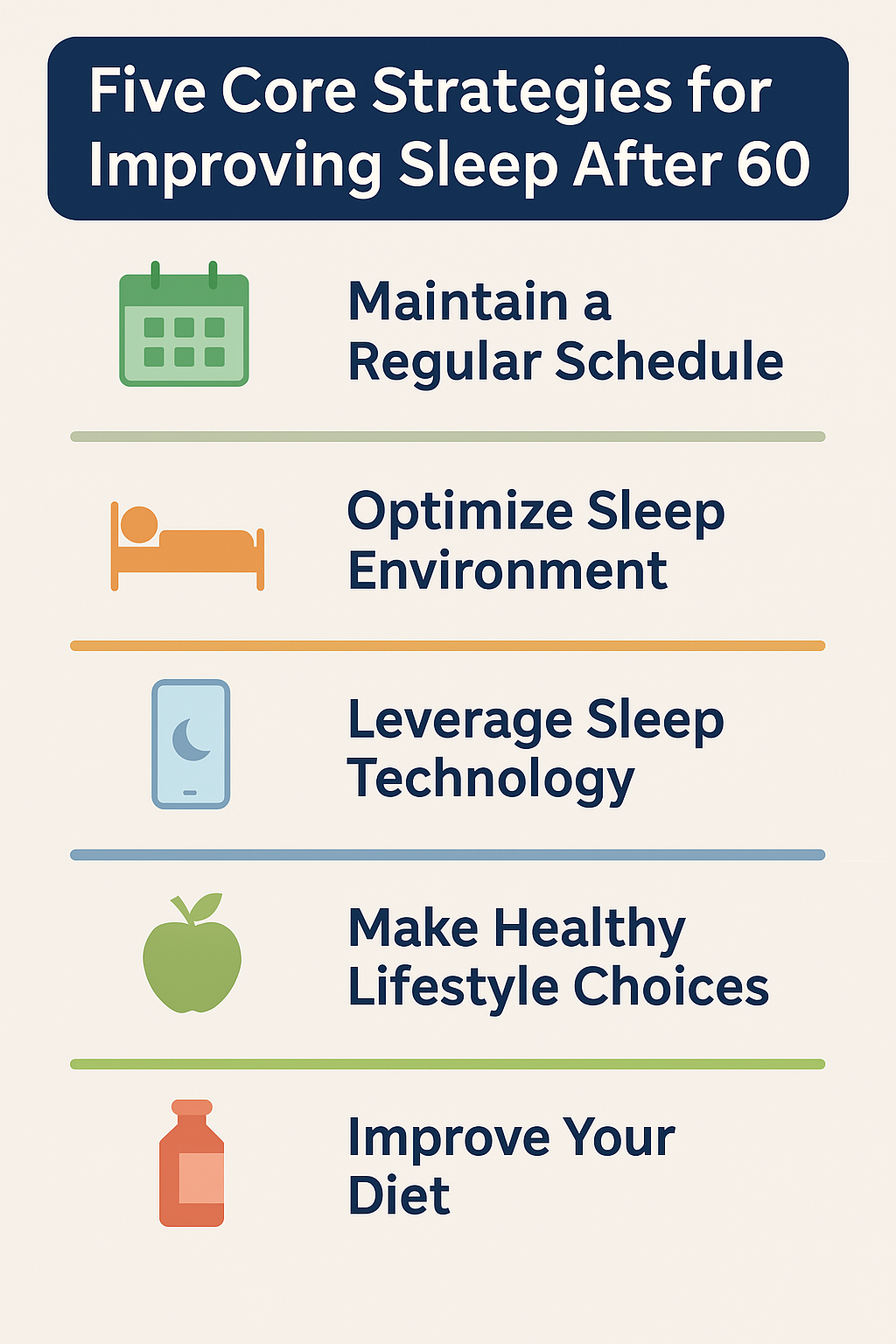
Dr. Graves: By tackling the 3 pillars: lifestyle, technology, and nutrition. These are levers we can pull to realign the body’s clock, deepen sleep, and restore vitality.
🌙 Sleep Optimization Self-Check: Are You Supporting Your Sleep After 60?
🔬 What Changes in Sleep After 60?
Phase Advancement: The circadian rhythm tends to shift earlier — sleepiness and wake times move forward.
Less Deep Sleep: Time spent in slow-wave (deep) sleep decreases, making sleep feel lighter and less refreshing.
More Fragmentation: Nighttime awakenings increase due to health issues, bladder changes, or lower sleep efficiency.
Sensitivity to Light/Noise: Aging brains have reduced filtering ability during sleep, making them more reactive to stimuli.
📚 The Journal of Sleep Research (2021) confirms that sleep consolidation decreases with age, but targeted interventions can counteract much of this decline.
🏃 Lifestyle Hacks: Behavior That Builds Better Sleep
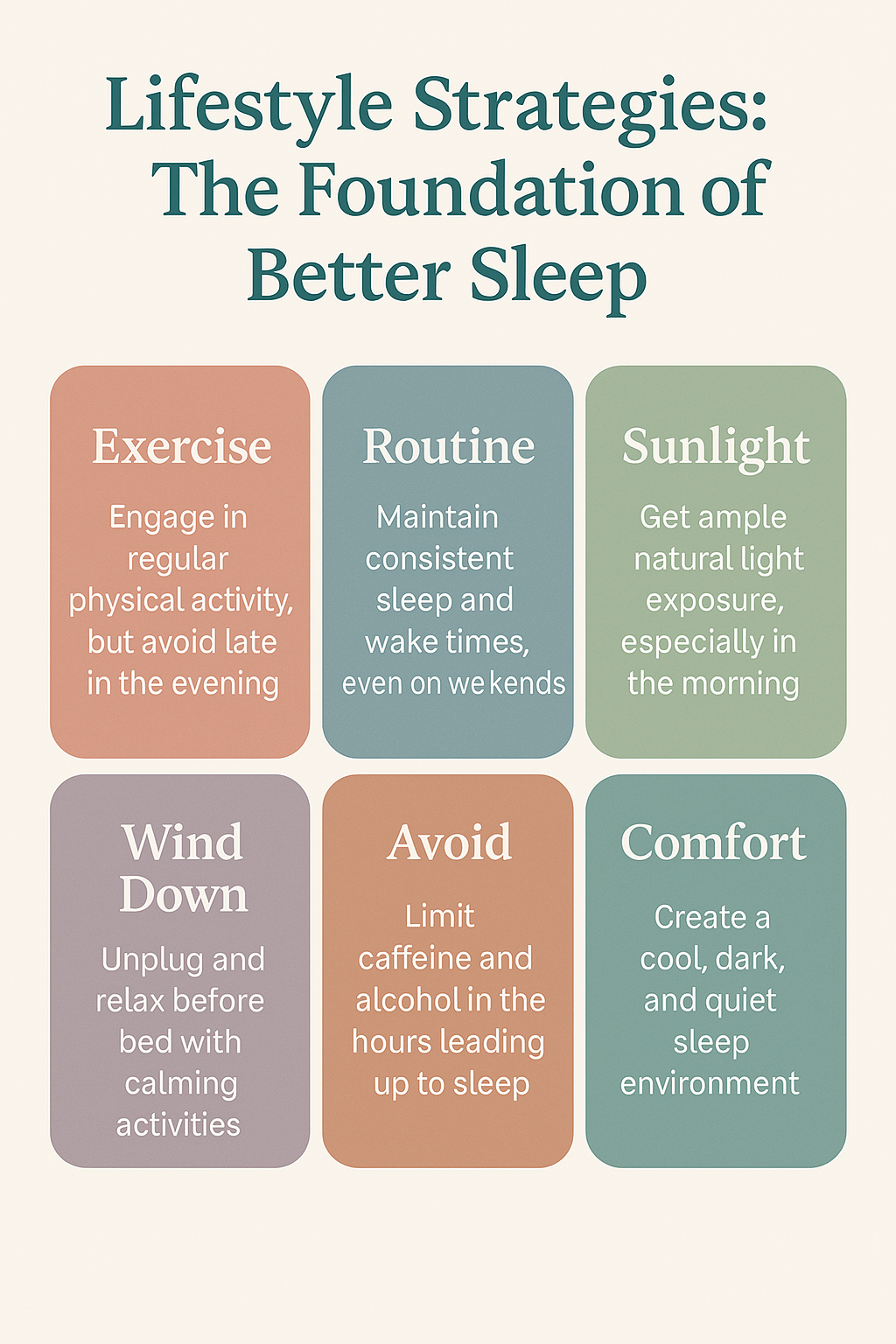
Morning Light Exposure: 30 minutes of bright light before 10 AM can shift the circadian clock and improve nighttime melatonin release.
Consistent Sleep-Wake Times: Going to bed and waking up at the same time daily anchors the sleep system.
Movement & Exercise: Even 20–30 minutes of walking, yoga, or tai chi improves sleep depth.
Bedroom as a Sleep Zone: No screens, bright lights, or work in bed.
Evening Wind-Down Routine: Include warm showers, calming music, light stretching, or reading.
Limit Stimulants: No caffeine past 1–2 PM. Avoid alcohol 2–3 hours before bed.
📚 Sleep Health (2020) showed that seniors who implemented just 2 lifestyle changes saw 28% improvement in sleep quality over 6 weeks.
🔌 Tech That Helps: Digital Tools for Deeper Sleep
White Noise & Soundscapes: Apps like Calm or RainRain reduce nighttime awakenings.
Wearables: Devices like Oura Ring or Fitbit track REM, HRV, and disturbances, guiding better routines.
Light Therapy Lamps: Recalibrate the circadian clock, especially during winter months.
Blue Light Blockers: Glasses or screen filters help preserve melatonin levels.
Smart Alarms: Wake you during light sleep phases, reducing grogginess.
CBT-I Apps: Digital versions of Cognitive Behavioral Therapy for Insomnia offer structured programs (e.g., Sleepio).
📚 Frontiers in Aging Neuroscience (2022) highlighted that older adults using guided sleep apps had a 33% reduction in sleep onset latency.
Tryptophan Sources: Turkey, eggs, and oats — precursors to serotonin and melatonin.
Complex Carbs at Dinner: Brown rice, quinoa — help with tryptophan transport.
Tart Cherry Juice: Natural melatonin booster.
Avoid Sugar & Heavy Fats: These disrupt sleep and cause blood sugar swings.
Hydration Timing: Hydrate early in the day; reduce intake after 7 PM to avoid nocturia.
📚 Nutrients Journal (2023) found that older adults who consumed magnesium and tryptophan-rich diets fell asleep 17% faster and slept longer overall.
🔍 FAQ – Sleep After 60
Q1: Is poor sleep after 60 inevitable? No. While sleep architecture changes, it's not irreversible. Many habits and tools can improve both sleep quality and duration.
Q2: Can melatonin supplements help? Yes — in small, time-released doses (0.3–1 mg), especially if used under medical guidance.
Q3: What’s the #1 mistake older adults make with sleep? Inconsistency. Irregular bedtimes and wake times confuse the body clock.
Q4: Are naps harmful or helpful? Short naps (20–30 mins) early in the afternoon can help. Long or late naps can interfere with nighttime sleep.
Q5: What tech is best for sleep tracking over 60? Oura Ring, Fitbit, or Withings — they monitor movement, heart rate, and patterns with user-friendly interfaces.
✅ Conclusion: Sleep After 60 Can Be Restored
Aging doesn’t mean surrendering to sleepless nights. By understanding your body’s changes and using the right tools — from behavior to tech to nutrition — you can reclaim restful, refreshing sleep. It’s not just about sleep; it’s about preserving memory, mood, immunity, and longevity.
💬 Have you tried any sleep hacks after 60? What’s worked for you — and what hasn’t? Share your story in the comments. Let’s build better sleep together.