TL;DR Sleep trackers can offer meaningful insights into the sleep quality of older adults, but not all devices are accurate or useful. Understanding what metrics matter, how to interpret them, and how to pair trackers with sleep-improving behaviors is key to better rest after 60.
🧠 Expert Conversation: Should Seniors Trust Sleep Trackers?
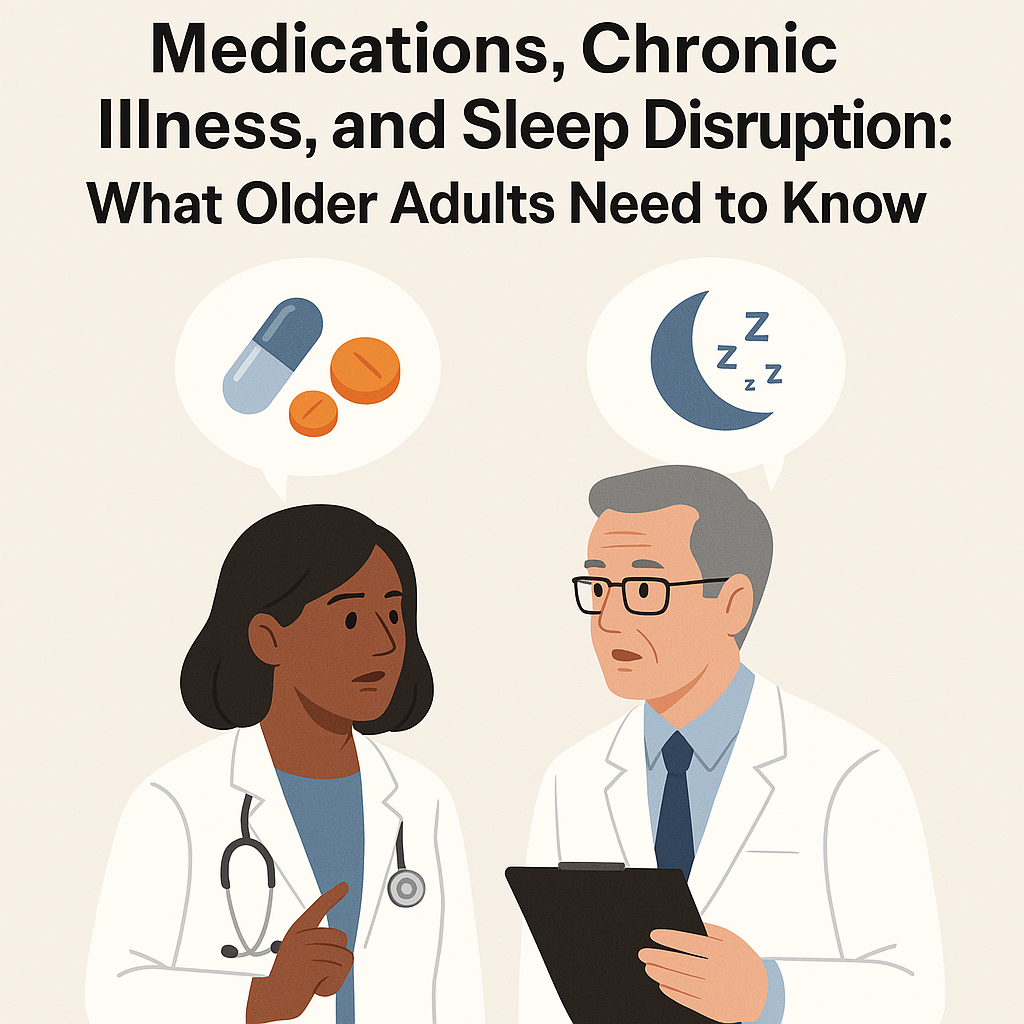
[Dr. Melissa Quade (Gerontologist) & Dr. Erik Tanaka (Sleep Technologist)]
Dr. Quade: Erik, wearable sleep trackers are everywhere now. But do they actually help older adults sleep better?
Dr. Tanaka: That depends on how they're used. Most consumer-grade trackers estimate sleep stages based on movement and heart rate, not brain waves. So they’re not medical-grade accurate — but they can be very helpful for spotting patterns.
Dr. Quade: So they’re not useless, but not diagnostic either?
Dr. Tanaka: Exactly. They give trends. If someone sees they wake up frequently or have short REM duration every night, that’s a signal to investigate further. Trackers work best when paired with behavioral changes, not used alone.
🧬 What Happens to Sleep in Aging — And Why It Matters
More Fragmented Sleep: Nighttime awakenings are more frequent due to bladder changes, pain, or temperature sensitivity.
Circadian Rhythm Advances: Seniors often become sleepy earlier in the evening and wake up earlier.
Shorter REM and Deep Sleep: Time spent in restorative stages decreases, impacting memory and immune function.
Increased Light Sleep: More time is spent in Stage 1 & 2, making sleep feel less refreshing.
📚 Journal of Sleep Research (2021): Older adults lose about 80% of their slow-wave sleep by age 70, making sleep tracking even more relevant.
📱 Popular Sleep Trackers and Their Features for Seniors
TrackerProsCons
Oura Ring
Comfortable, tracks HRV, temp, sleep trends
Expensive, no screen
Fitbit Charge
Easy to use, good app interface
Limited accuracy in REM detection
Apple Watch
Broad features, heart metrics, app sync
Bulkier, may disrupt sleep
Withings Scan
Advanced sleep apnea detection via mattress pad
Requires setup, less portable
Whoop Strap
Great for trends and recovery insights
Monthly subscription model
📚 Nature Aging (2022): Oura and Withings rated highest for usability in adults 60–80 years.
🔎 Which Metrics Matter Most?
Total Sleep Time (TST): Less than 6 hours regularly can impact cognition.
Sleep Efficiency: Time asleep vs. time in bed. Below 85% is often problematic.
Wake After Sleep Onset (WASO): Long periods of night wakefulness decrease restfulness.
REM & Deep Sleep Ratios: Crucial for memory, mood, and physical recovery.
Heart Rate Variability (HRV): Low HRV may signal stress, illness, or poor recovery.
🧠 Tip: Don’t obsess over individual nights — trends over time are more meaningful.
⌚ Sleep Tech & Tracking Self-Check: Are Your Tools Helping or Hurting?
🛠️ How to Use Trackers Effectively (Not Obsessively)
Track at Least 2 Weeks: Single-night readings are too variable.
Pair With a Sleep Diary: Record bedtime, stress level, meals, exercise.
Use Data to Drive Action: Spot trends (e.g., worse sleep after wine?) and make changes.
Don’t Panic Over REM or Deep Drops: They vary naturally — consistent poor scores are what matter.
Combine With CBT-I Strategies: Track how behavior shifts affect sleep.
Share Reports With Doctors: Bring in 2–4 weeks of data to appointments.
📚 Sleep Health Journal (2023) found that seniors who used trackers + diaries improved sleep satisfaction by 32%.
💬 Real-Life Insight: Lily’s Story
“I always thought I was sleeping fine — until my tracker showed I was waking up 11 times a night. It made sense why I was tired. I cut caffeine, started walking earlier in the day, and slept through the night for the first time in years.” — Lily M., age 68
🔍 FAQ – Sleep Tracking for Older Adults
Q1: Are sleep trackers accurate for seniors? They estimate based on heart rate and motion, not brainwaves. So they’re not precise, but very useful for trends and patterns.
Q2: Can a sleep tracker diagnose sleep apnea or insomnia? No. They can only suggest possible issues. Diagnosis requires a sleep study or clinician evaluation.
Q3: Which sleep tracker is easiest to use for older adults? The Oura Ring and Fitbit Inspire have high usability scores due to comfort and simple interfaces.
Q4: Can sleep tracking cause anxiety or obsession? Yes — if overused or misinterpreted. The goal is guidance, not perfection. Trackers should empower, not stress.
Q5: Should seniors share sleep data with their doctors? Absolutely. A few weeks of trend data can lead to better medication timing, lifestyle adjustments, or further testing.
✅ Conclusion: Track the Right Way — and Sleep Smarter After 60
Sleep trackers are not miracle devices — but they can shine a light on hidden sleep problems and help seniors make smarter choices. When paired with behavioral changes, sleep diaries, and medical support, they become powerful allies in the quest for deep, refreshing rest.
💬 Do you use a sleep tracker — or want to start? What helped you most, and what didn’t? Share your tips or questions below!