✅ TL;DR (3-Line Summary)
- Circadian fasting combines intermittent fasting with your body’s internal clock for maximum metabolic, hormonal, and sleep benefits.
- Early Time-Restricted Eating (eTRE)—eating earlier in the day—is more effective than late fasting for fat loss, insulin sensitivity, and inflammation control.
- Aligning your fasting window with natural light-dark cycles amplifies autophagy, energy, and circadian rhythm balance.
🧑⚕️ Expert Dialogue: Dr. Claire (Chronobiologist) & Dr. Evan (Functional Nutritionist)
Dr. Evan: Claire, intermittent fasting is trending everywhere—from Silicon Valley biohackers to integrative doctors. But most people ignore the timing part. They fast from 12pm to 8pm and call it healthy.
Dr. Claire: Exactly. What they’re missing is circadian alignment. Fasting isn’t just about “not eating”—it’s about when you start and stop. The body has built-in metabolic clocks that determine how efficiently you process food depending on the time of day.
Dr. Evan: That’s the beauty of circadian fasting. You align your eating window with your natural biological rhythm. The earlier you eat, the better your insulin sensitivity, gut motility, and fat oxidation.
Dr. Claire: Not to mention improved sleep and hormonal regulation. When you compress your eating into a daylight window—say, 8am to 4pm—you’re syncing with the sun, not fighting it.
⏱️ What Is Circadian Fasting?
Circadian fasting is a form of intermittent fasting that aligns the eating window with the body’s natural circadian rhythm—our 24-hour biological clock.
This rhythm affects nearly every system in the body, including:
- Insulin sensitivity
- Cortisol secretion
- Melatonin production
- Gut microbiome activity
- Leptin and ghrelin (hunger hormones)
Unlike standard intermittent fasting (like the popular 16:8 window), circadian fasting emphasizes early time-restricted eating (eTRE)—eating during daylight hours and finishing before melatonin rises in the evening.
🧠 Why Fasting Timing Matters: The Circadian Science
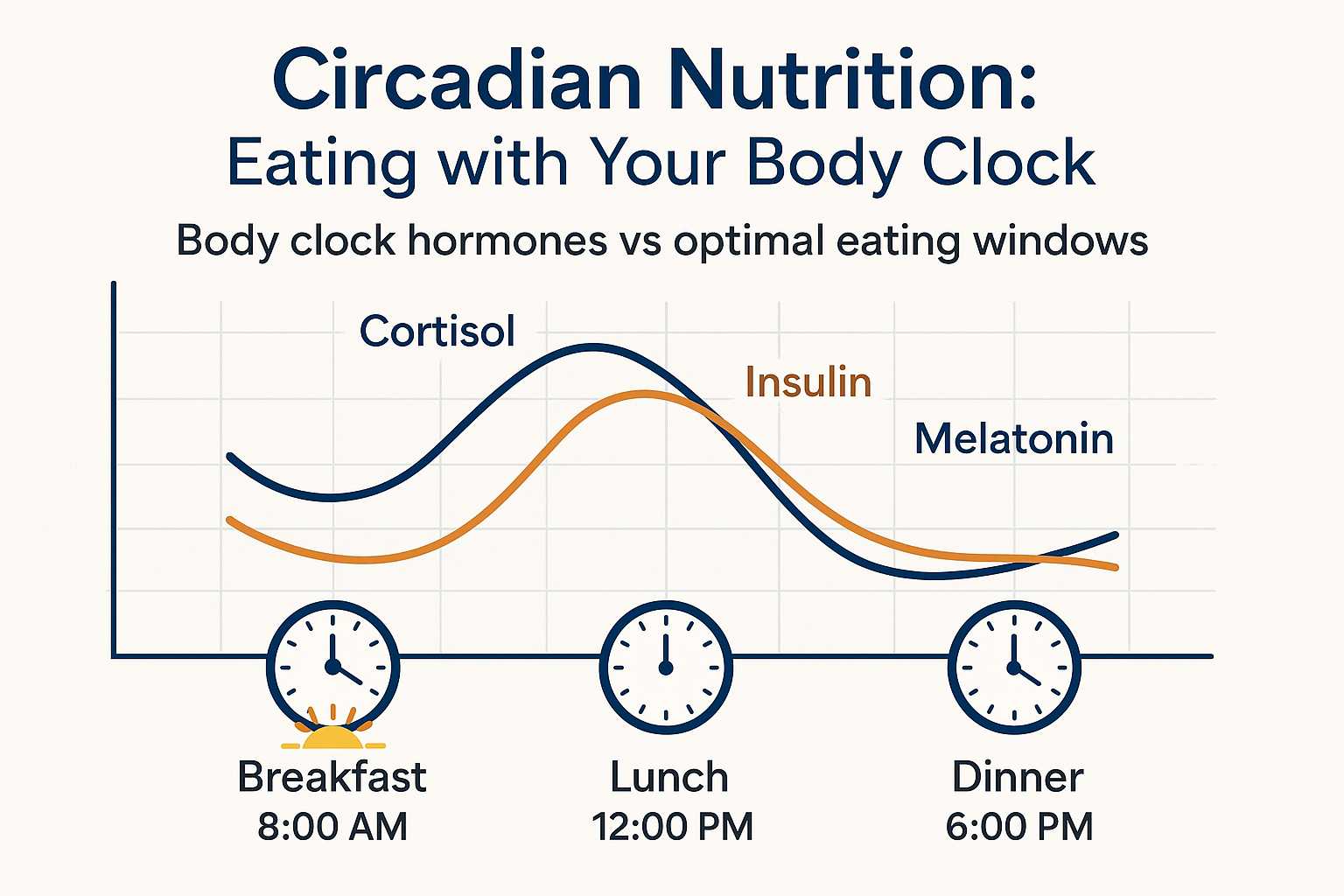
Your metabolism is not the same at 8am and 8pm.
Morning:
- Insulin sensitivity is at its peak
- Digestive enzymes are more active
- The thermic effect of food (TEF) is stronger
- Cortisol supports nutrient breakdown
Evening:
- Melatonin rises (reducing insulin function)
- Fat oxidation slows down
- Glucose remains elevated longer
- Digestion weakens, leading to more fat storage
🔍 Eating late at night—even if in a fasting window—disrupts the circadian system and negates the benefits of fasting.
📊 What Research Shows About eTRE
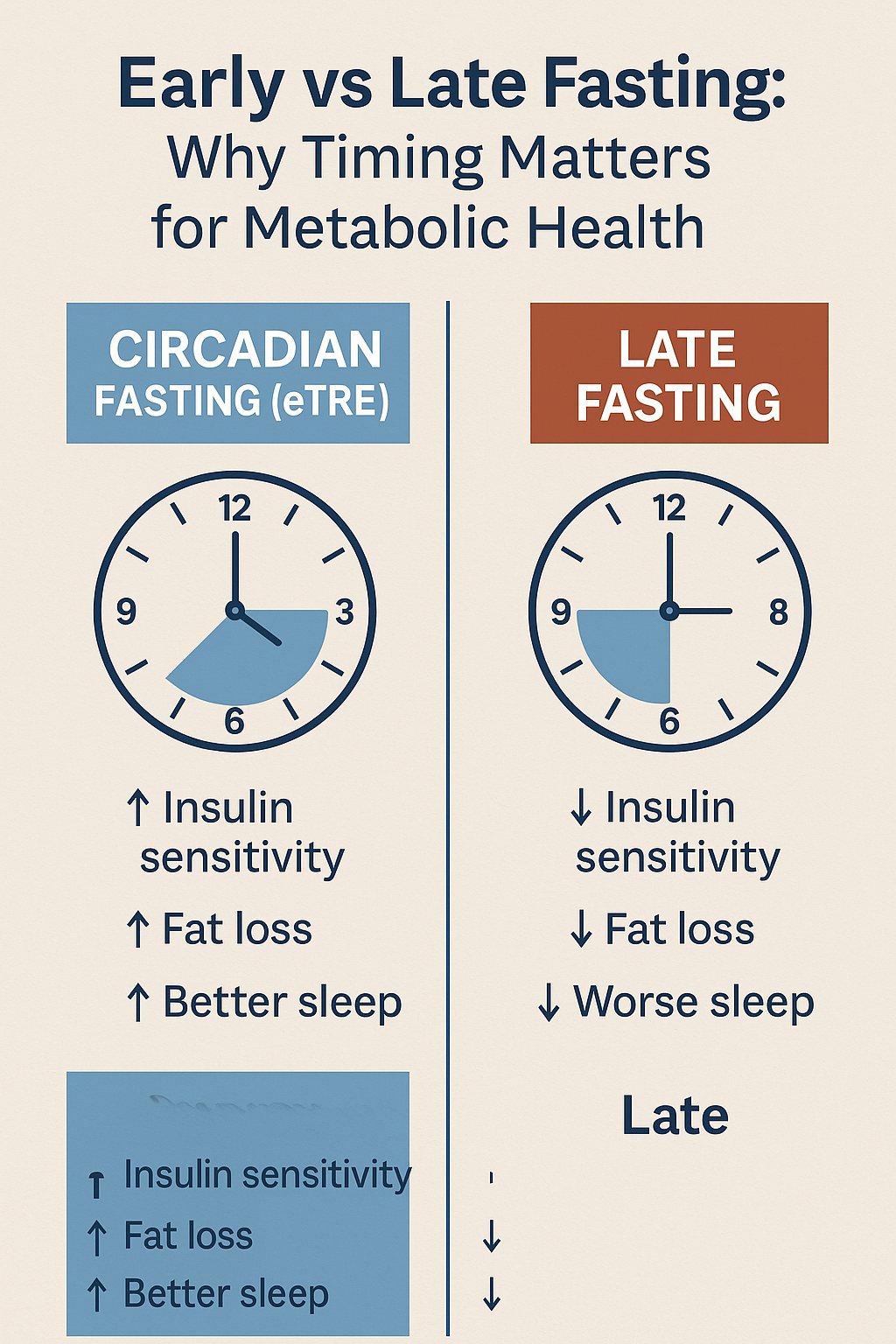
A 2018 study published in Cell Metabolism compared two groups:
- Group 1: 8am–2pm eating window (eTRE)
- Group 2: 12pm–8pm eating window (late TRE)
Results:
- Group 1 had better insulin sensitivity, lower fasting glucose, and greater fat oxidation
- Even without calorie differences, Group 1 experienced less hunger and better sleep
Another study in Obesity (2020) found that circadian fasting reduced CRP, a key inflammation marker, and improved sleep efficiency.
🍽️ Recommended Fasting Schedules Based on Circadian Biology
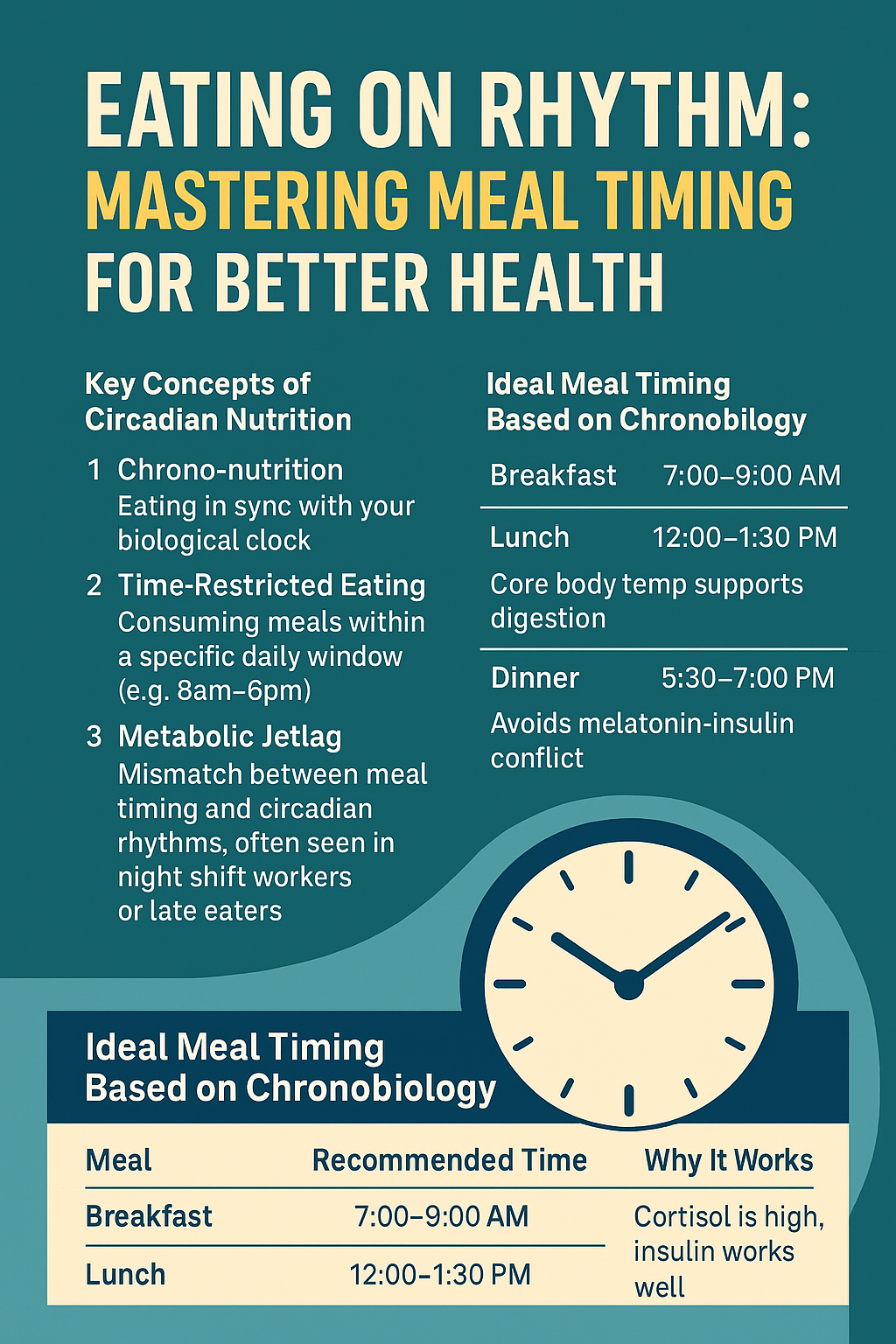
| eTRE (Early TRE) | 8am–4pm | Optimal metabolism, weight loss |
| 12:12 | 7am–7pm | Gentle rhythm reset, sleep support |
| 10:14 | 6am–4pm | Insulin sensitivity, adrenal balance |
| 16:8 (late) | 12pm–8pm | Suboptimal circadian alignment ❌ |
✅ The earlier the eating window, the stronger the circadian benefits.
🔬 Benefits of Circadian Fasting
- Improved Insulin Sensitivity
Eating during the day helps your body process glucose efficiently. - Reduced Inflammation
eTRE has been shown to reduce CRP, IL-6, and TNF-alpha levels. - Better Fat Oxidation
Your body burns more fat earlier in the day, especially in a fasted state. - Increased Autophagy
Cellular cleanup is enhanced when eating and sleeping cycles are aligned. - Improved Sleep Quality
No food after 6pm = better melatonin production and sleep depth. - Hormonal Harmony
Leptin, ghrelin, and cortisol become rhythmically stable.
⏱️ Is Your Fasting Aligned with Your Body Clock?
This 10-question quiz reveals how well your intermittent fasting aligns with your natural circadian rhythm. Results appear below instantly.
❓ FAQ – Common Questions About Circadian Fasting
Q1: Can I still drink coffee in the morning during my fast?
Yes, but black coffee only. Adding cream or sugar breaks your fast.
Q2: What if I work night shifts?
Circadian misalignment is harder to fix here. Try to consolidate meals within your most active hours and avoid eating right before sleep.
Q3: Will I lose muscle with circadian fasting?
Not if you eat enough protein during your eating window and do resistance training. In fact, early eating preserves more lean mass than late eating.
Q4: What if I’m not hungry in the morning?
Start light—try a smoothie or eggs. Your circadian rhythm adapts over time.
Q5: Is this safe for women or people with thyroid issues?
Yes, especially in gentler forms like 12:12 or 10:14. Always listen to your body and consult your practitioner.

✅ Practical Steps to Start Circadian Fasting
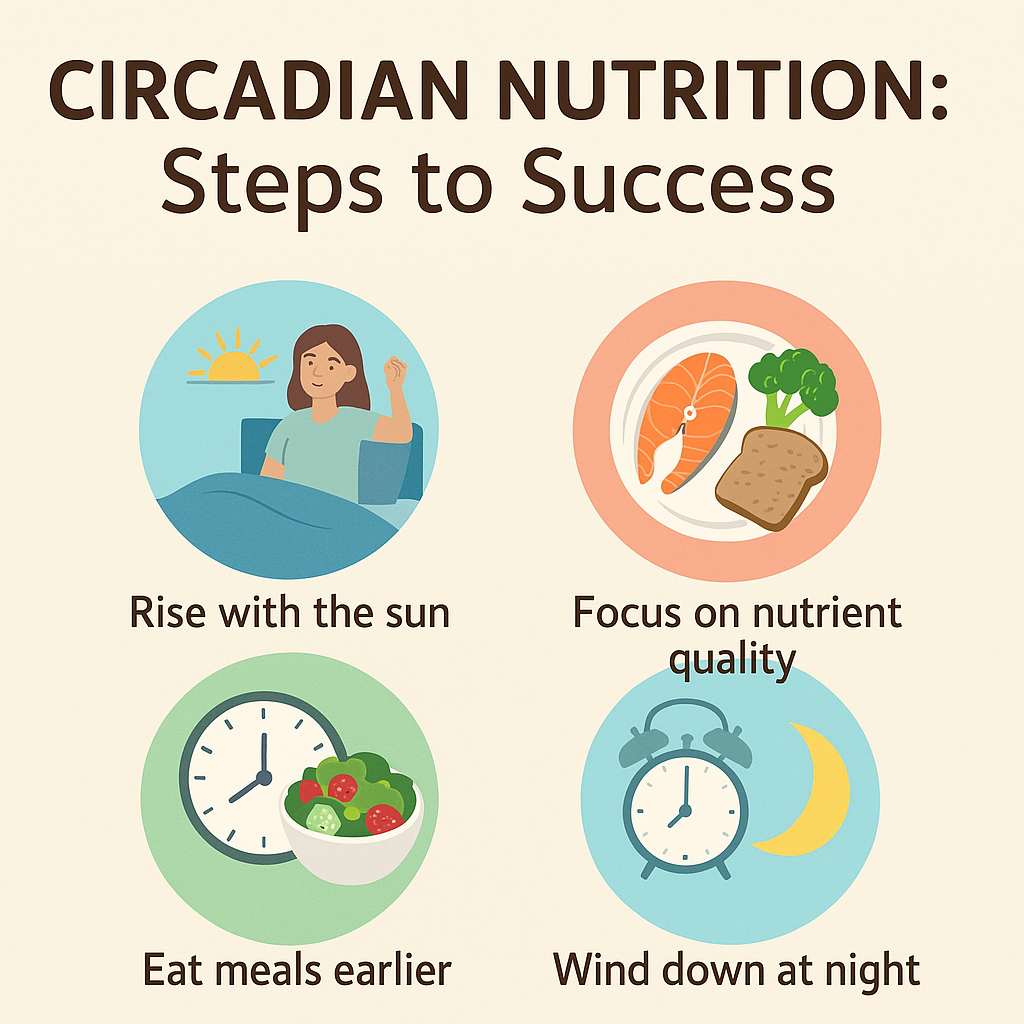
- Shift your dinner earlier each day (aim for 5:30–6:30 PM)
- Finish your last bite 2–3 hours before bedtime
- Eat within 1–2 hours of waking
- Set a daily eating window aligned with natural light (8am–4pm is ideal)
- Track how your energy, digestion, and sleep improve over 1–2 weeks
Dr. Claire: The key is consistency, not perfection. Even doing this 5 days a week can re-align your system.
Dr. Evan: And once your body syncs with the clock, you won’t want to eat late anymore—it’ll feel unnatural.
🧭 Conclusion: Fast with the Sun, Heal from Within
Circadian fasting isn’t a diet.
It’s a biological reset—a way to nourish your body on time.
When you eat in harmony with your body clock, you don’t just burn fat—you boost energy, sleep deeper, think clearer, and age slower.
So instead of asking how long should I fast?
Ask: “When does my biology want to eat?”


