TL;DR (3-Line Summary)
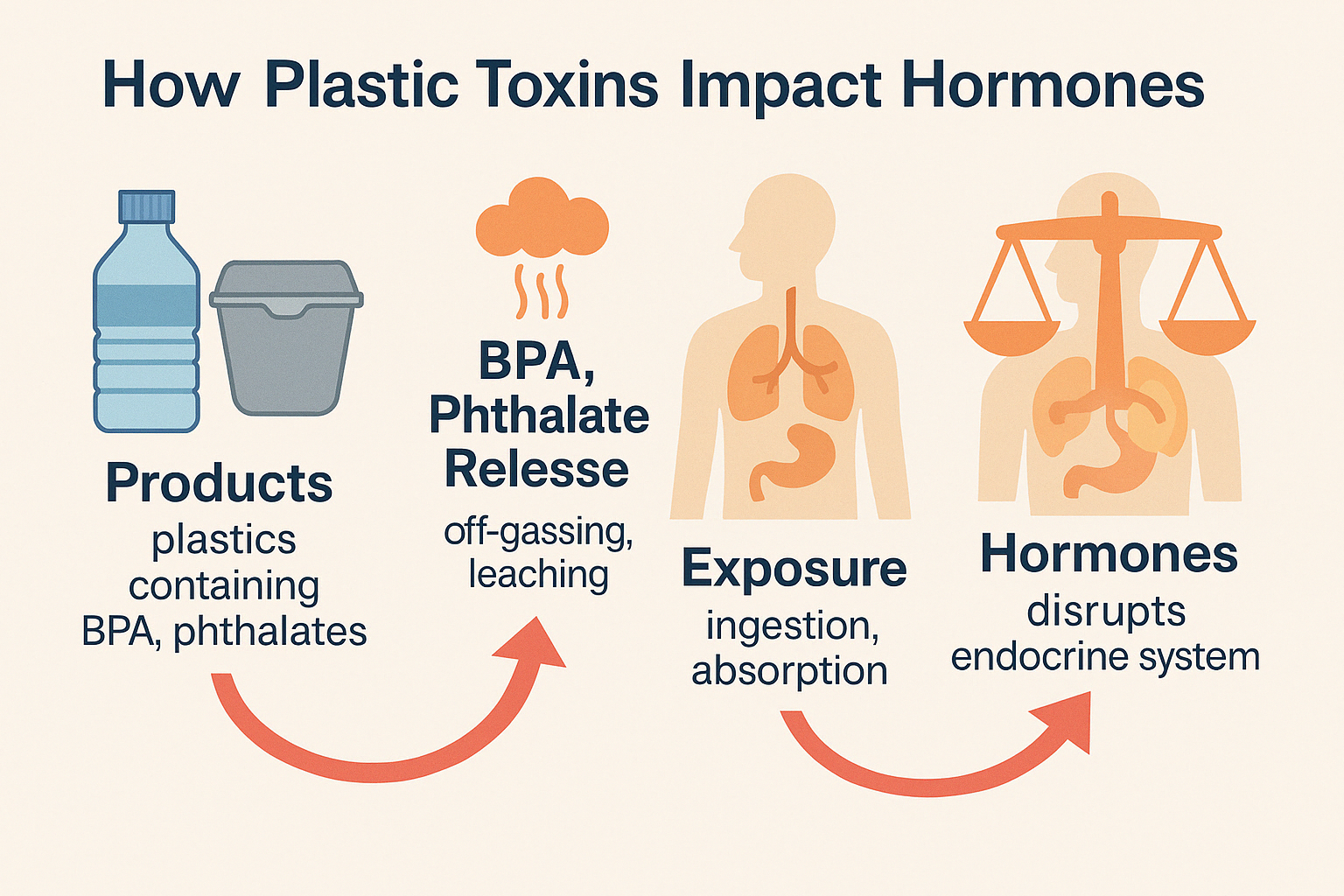
Plastics are convenient—but they're also a major source of endocrine-disrupting chemicals (EDCs) like BPA and phthalates. These hidden toxins leach from bottles, food containers, and even receipts, potentially altering hormone levels, metabolism, and fertility. Reducing your exposure is one of the most practical ways to reclaim hormonal balance.
🧠 Expert Dialogue: Dr. Lucia (Endocrinologist) & Dr. Stevens (Environmental Scientist)
Dr. Lucia: People often think hormone problems are just about stress or aging. But in reality, chemicals like BPA and phthalates are hijacking our hormone systems every day.
Dr. Stevens: Absolutely. Plastics are a daily exposure vehicle—water bottles, microwave containers, packaging, toys. These chemicals leach more when heated or aged.
Dr. Lucia: And it’s not just women. BPA affects testosterone in men, and phthalates have been linked to lower sperm count and quality.
Dr. Stevens: Not to mention developmental issues in kids. We now have data linking prenatal exposure to behavioral and reproductive problems in children.
Dr. Lucia: What’s scary is that these exposures are so subtle. You don’t need to feel sick right away—but long-term disruption is silently brewing.

☢️ Common Sources of BPA and Phthalates
- Plastic water bottles (especially when exposed to heat)
- Food cans lined with BPA resin
- Vinyl shower curtains and flooring
- Takeout containers and coffee cup lids
- Store receipts (thermal paper)
- Personal care products with synthetic fragrance
Scientific Insights:
- A 2022 study in JAMA found that urinary BPA levels were associated with increased insulin resistance and obesity risk.
- CDC data shows that over 90% of people tested had detectable levels of phthalate metabolites.
- A 2021 review in Environmental Research connected prenatal BPA exposure to early puberty and thyroid disruption.
🧍 Real-Life Case: The Plastic Trap
Case: Jordan, 29, suffered from unexplained weight gain, acne, and low energy. After testing, he showed elevated phthalate and BPA levels.
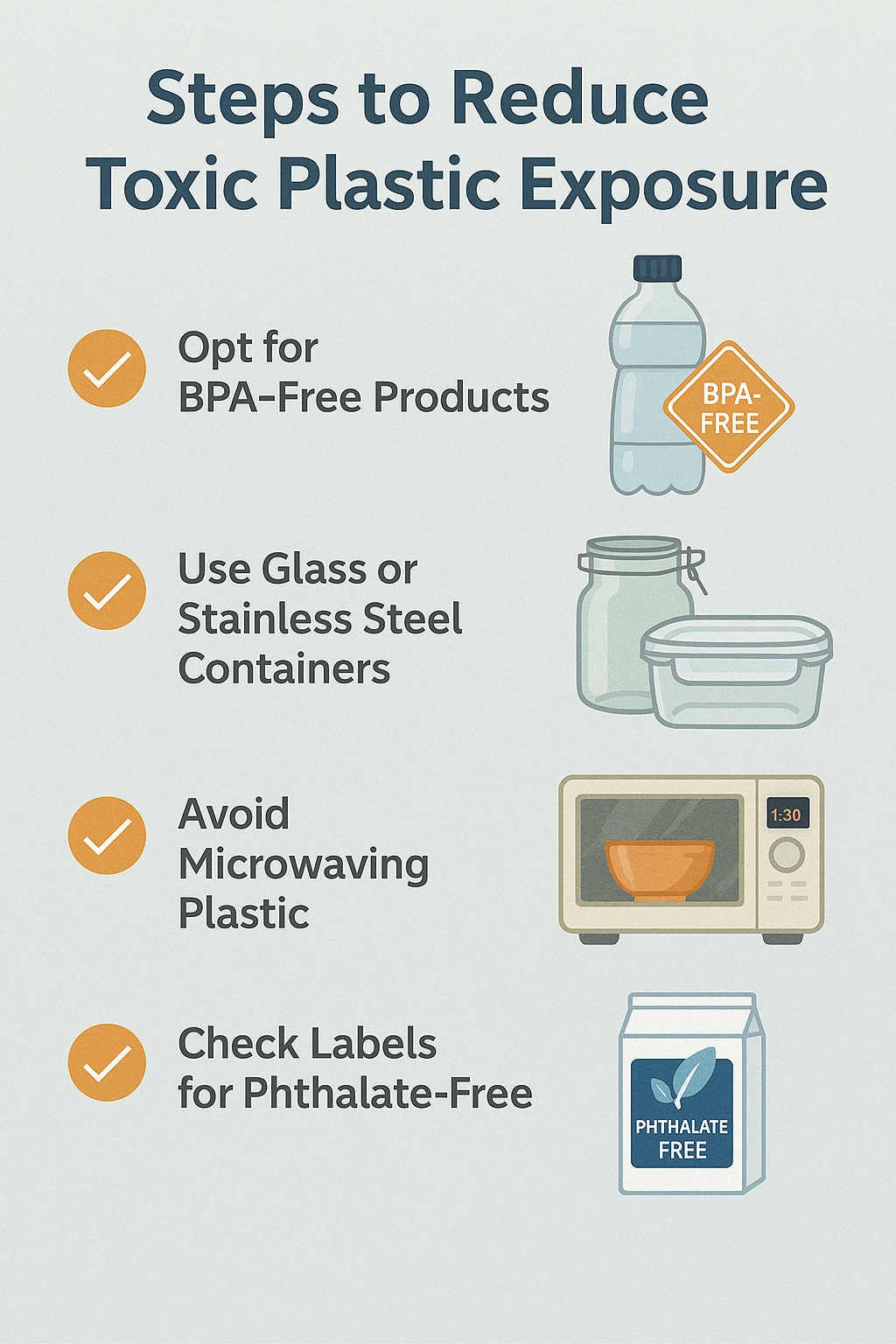
Intervention: He swapped plastic food containers for glass, filtered tap water, avoided microwaving in plastic, and used EWG-verified personal care products. In 3 months, his energy returned and hormone markers improved.
Lesson: Sometimes, the most everyday objects are the ones doing the most damage.
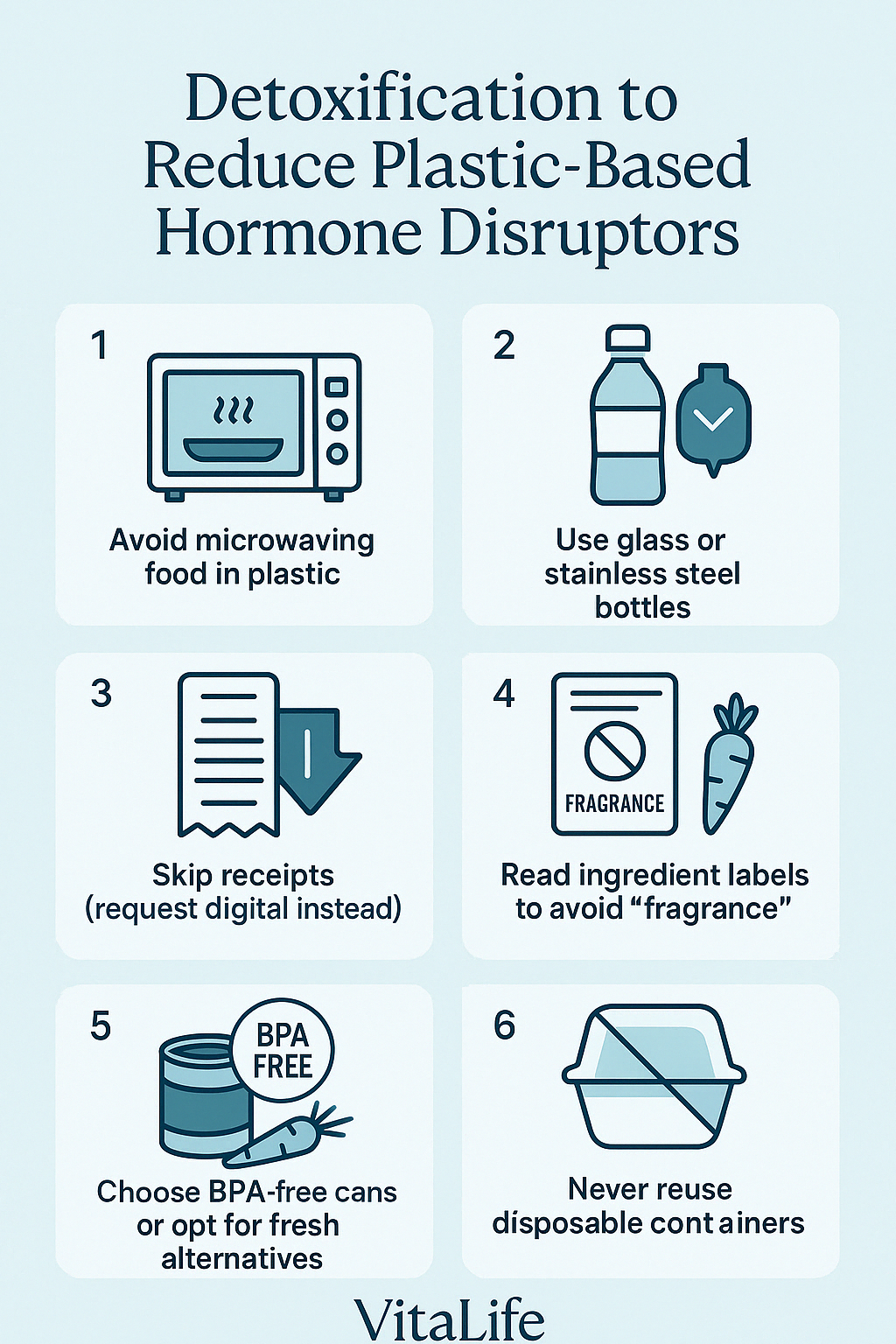
🧼 How to Detox from Plastic-Based Toxins
- Avoid microwaving food in plastic
- Use stainless steel or glass water bottles
- Skip the receipt – ask for digital copies when possible
- Read labels – avoid “fragrance” and choose phthalate-free
- Choose BPA-free cans – or go fresh/frozen when you can
- Never reuse disposable plastic containers
☣️ Plastic Exposure Risk Quiz
❓ FAQ (Frequently Asked Questions)
1. What are BPA and phthalates exactly? BPA (bisphenol A) and phthalates are synthetic chemicals used in plastics. They mimic or block hormones like estrogen and testosterone.
2. How do they enter the body? Through ingestion, skin absorption, and inhalation—especially from heated or degraded plastic items.
3. Are “BPA-free” products safe? Not always. Many use BPS or BPF as replacements, which may be equally harmful.
4. How long do they stay in the body? Phthalates are cleared in a few days, but daily exposure keeps levels high. BPA is also quickly metabolized, but constant re-exposure is the issue.
5. Can diet help eliminate these toxins? Yes. Antioxidant-rich foods, cruciferous vegetables, and hydration support liver detox. Fiber helps excrete fat-stored toxins.
6. Are men affected as much as women? Yes. BPA and phthalates impact testosterone, fertility, and metabolic function in men as well.
✅ Conclusion
Plastics have shaped the modern world—but they’re also quietly shaping our health. The chemicals they release aren’t just “inert materials.” They mimic hormones, confuse receptors, and interfere with systems you rely on every day. But with mindful changes, you can reduce your plastic burden and restore balance to your body.
💬 Do You Live Plastic-Free?
Have you taken steps to cut down on BPA and phthalates? Share your tips or struggles—we're all in this together.


