Sleep Reset-part 2
TL;DR
⏰ Your body runs on a 24-hour rhythm—but modern life constantly pulls it out of sync.
🌞 From late-night scrolling to skipped morning light, tiny habits shift your biological clock.
🔁 This guide explains the science of circadian confusion and how to gently reset your rhythm.
👨⚕️ Expert Dialogue: "Why Do I Feel Off Even When I Sleep Enough?"
Avery (Reader): "Dr. Lane, I’m technically getting 7 hours of sleep, but I feel like I’m jet-lagged every day. What gives?"
Dr. Lane (Chronobiologist): "You’re not alone. This is classic circadian confusion—a mismatch between your biological clock and your lifestyle. Think of it as internal jet lag."
Avery: "But I sleep and wake at roughly the same time."
Dr. Lane: "Yes, but your body needs more than timing—it needs cues. Light, food, movement. If you miss morning sunlight, eat late, or stay under blue light until midnight, your brain stays in 'daytime mode.'"
Avery: "So it’s not just sleep quantity—it’s about alignment?"
Dr. Lane: "Exactly. Your circadian rhythm needs daily calibration. Otherwise, energy, hormones, digestion, even mood—everything goes off track."
🔬 The Neuroscience Behind Circadian Confusion
1. 🌅 The Suprachiasmatic Nucleus (SCN)
- This tiny part of the hypothalamus is your body’s master clock.
- It syncs your internal systems with external cues—especially light and darkness.
2. 💡 Digital Jet Lag
- Exposure to screens and artificial light after sunset disrupts melatonin production.
- The term "social jet lag" describes the gap between weekend and weekday rhythms—linked to depression and metabolic disorders (Roenneberg et al., 2012).
3. 🧠 Cortisol + Melatonin Feedback Loop
- Cortisol should peak in the morning, while melatonin peaks at night.
- Irregular routines flatten this rhythm—leading to fatigue, anxiety, and sleep issues.
4. 🔁 Chrononutrition: Timing Matters
- Your metabolism follows a circadian pattern too.
- Eating late raises blood sugar and body temperature, disrupting nighttime repair cycles (Sato et al., 2020).

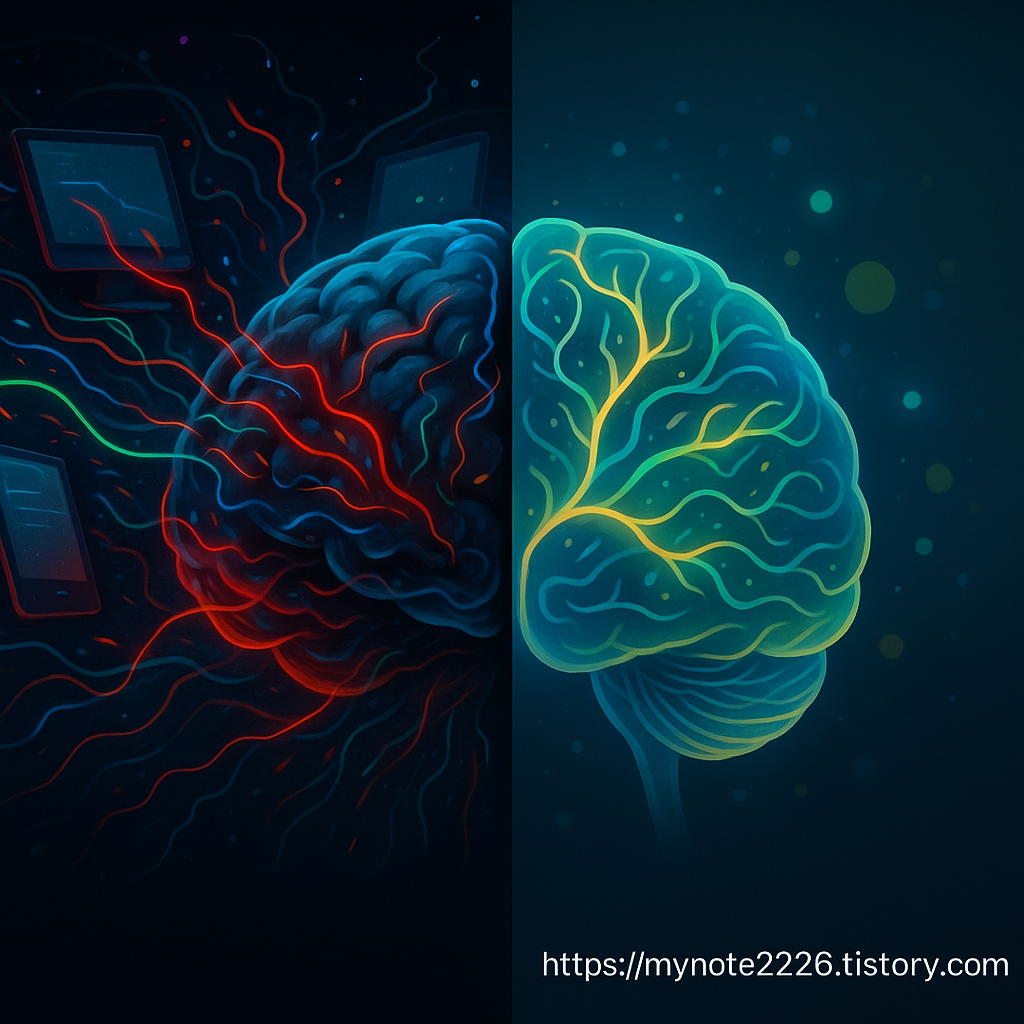
alt text: Diagram of "Biological Clock vs. Modern Life" – showing SCN, hormones, digital light exposure.
📖 Reader Story: "My Clock Was Broken—Until I Tuned It"
“I didn’t realize my 2am Netflix habit was ruining more than my mornings. I felt foggy, irritable, and out of sync with life. When I started going outside before 9am, dimming lights after dinner, and eating at the same time daily, it was like my brain exhaled. My energy returned—and so did my motivation.”
🧪 Self-Check: Are You Experiencing Circadian Confusion?
alt text: Chart: "Aligned vs Misaligned Daily Rhythms" with examples of ideal wake/sleep/eat/light schedules
❓ FAQ – Understanding Your Inner Clock ⏱️🌙🔬
Why you feel tired at 2 PM or wide awake at midnight might not be random.
1. What is the "inner clock" and how does it work?
Your inner clock—also known as your circadian rhythm—is your body’s 24-hour timing system.
It’s not just about sleep. It controls your energy, mood, digestion, hormone release, and even your body temperature.
🧠 It’s like your brain’s invisible conductor, signaling when to wake, eat, focus, or rest.
This rhythm is synced by light, meals, movement, and sleep-wake cycles.
Disrupt it, and everything from your metabolism to your memory can feel off.
2. Why do I feel alert at night and sluggish in the morning—even with enough sleep?
That’s a sign your clock may be out of sync with your environment or habits.
Blue light from screens at night, inconsistent bedtimes, skipping sunlight in the morning—all of this confuses your brain.
😴 Result? Your brain thinks it’s daytime at midnight and morning at 10 AM.
A misaligned clock can lead to poor focus, mood swings, and even metabolic slowdown—despite “8 hours in bed.”
3. Can stress or late-night work reset my clock without me realizing it?
Yes—chronic stress, late work, or even traveling across time zones can shift your circadian rhythm.
Cortisol (your stress hormone) and melatonin (your sleep hormone) run on this internal clock.
🔥 When stress rises at the wrong time (like late at night), it delays melatonin, which delays sleep.
Over time, your sleep drive weakens, and your body gets stuck in “go mode” when it should be resting.
4. How does my inner clock affect digestion and metabolism?
Your clock doesn’t just control sleep—it also influences when your body expects to eat, digest, and burn calories.
That’s why eating late at night can raise blood sugar, disrupt fat storage, and affect weight gain.
🥗 Morning meals? Your gut is more insulin-sensitive and metabolically active.
🍕 Late-night snacks? Your body is in “slow mode,” making it harder to process food efficiently.
Chrononutrition is real—and your clock plays a starring role.
5. What are 3 simple ways to reset my inner clock naturally?
Good news: your clock wants to reset—it just needs the right cues.
✅ Morning sunlight (10–15 minutes within 1 hour of waking)
✅ Consistent sleep and wake time, even on weekends
✅ Early, light dinner and no screens 60–90 minutes before bed
🌅 Bonus: Try morning walks, blue light blockers at night, and avoid caffeine after 2 PM.

alt text: Flat lay of a circadian-friendly routine: analog clock, amber lamp, journal, breakfast smoothie, eye mask.
🔗 Internal Links
🔗 External Link
🧭 Navigation
🔙 Previous Post: The Sleep Crisis
🏠 Series Home
🔜 Next Post: Stages of Sleep: The Science of REM/NREM and Why Both Matter
📣 CTA – Let’s Reset Together ☀️🌒
You’re not lazy. You’re likely misaligned. Your brain, your hormones, your energy—they all crave rhythm.
✨ Let this be the sign you needed. Open your curtains in the morning. Dim the lights at night. Eat with the sun.
💬 Share your circadian “aha!” moments in the comments. Let’s rebuild a rhythm that restores us—not depletes us.
🔗 For more science-backed healing, visit https://wellpal.blogspot.com
'Sleep & Recovery' 카테고리의 다른 글
| 📱 Digital Disruption: How Technology Hijacks Your Mind & Health (17) | 2025.06.16 |
|---|---|
| Stages of Sleep: The Science of REM/NREM and Why Both Matter (15) | 2025.06.12 |
| 🌙 The Sleep Crisis: Why You're Always Tired and What Science Really Says (10) | 2025.06.11 |
| 🛌 Sleep Reset: Reclaim Your Brain, Body & Energy (12) | 2025.06.10 |
| Sleep & Aging Series Recap: What We’ve Learned from Episodes 1 to 8 (18) | 2025.04.13 |


