The Gut Health Revolution: How a Healthy Gut Transforms Your Overall Well-Being
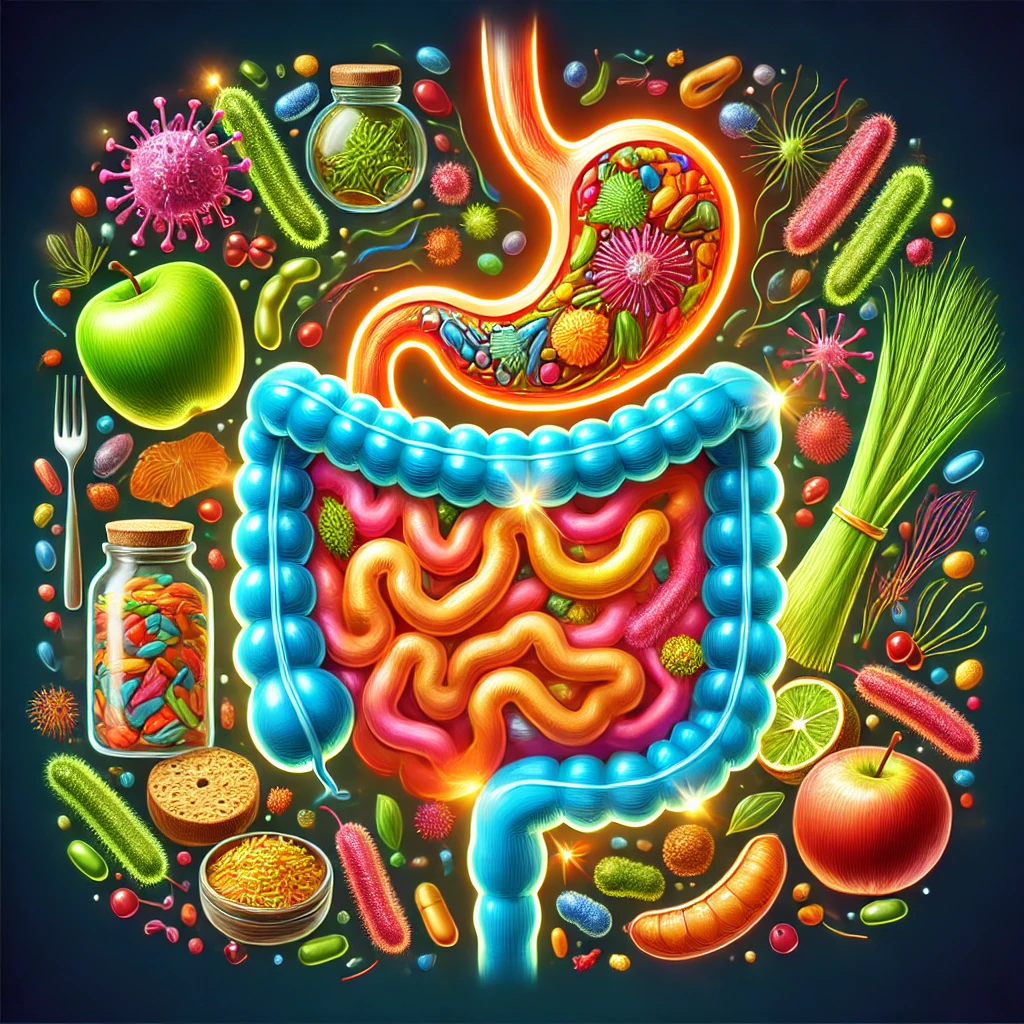
💬 A Conversation About Gut Health & Its Impact
Alex: Hey Sam, have you noticed how everyone’s talking about gut health these days?
Sam: Gut health? You mean digestion?
Alex: More than just digestion! A healthy gut affects everything from immunity and mental health to weight management.
Sam: Really? How does that work?
Alex: Let’s dive in!
What Is Gut Health?
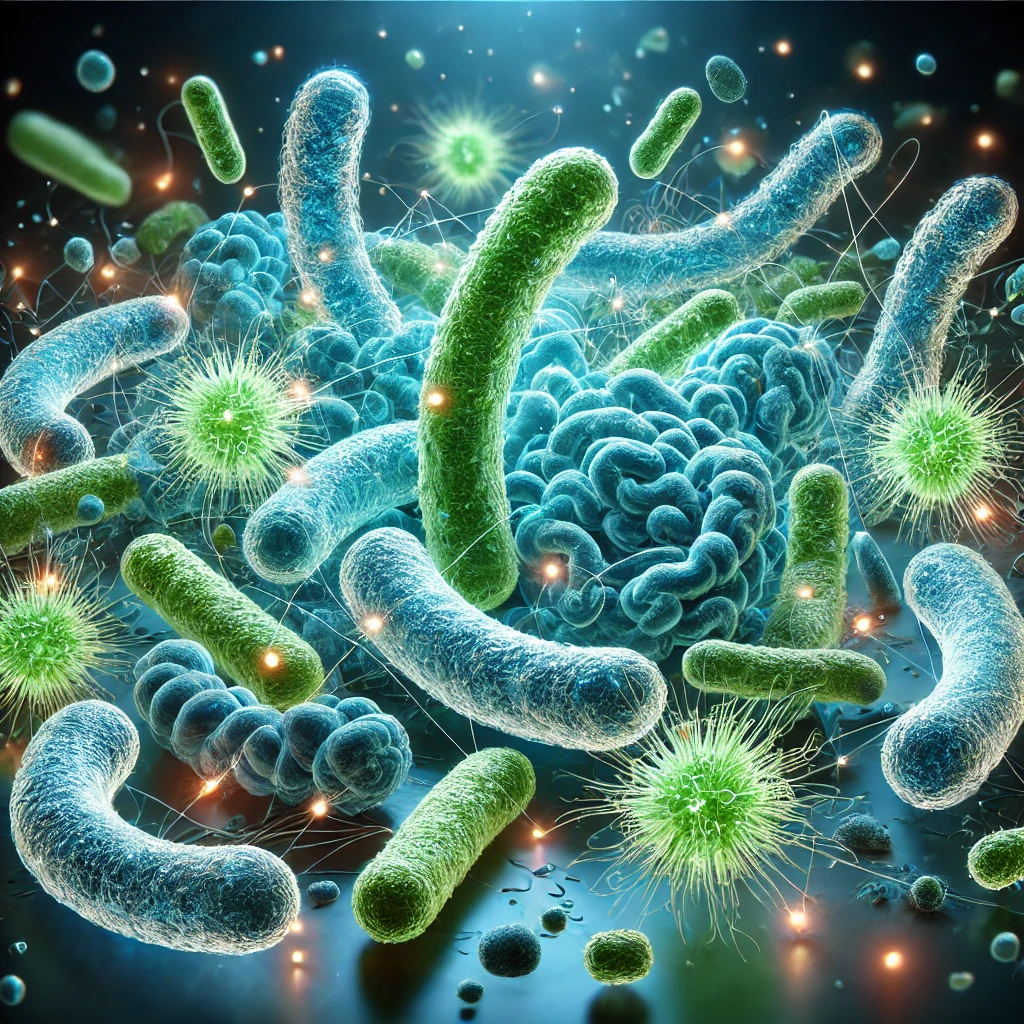
Sam: So, what exactly is gut health?
Alex: Gut health refers to the balance of microorganisms—bacteria, fungi, and other microbes—living in your digestive tract. These tiny organisms play a crucial role in processing food, absorbing nutrients, and defending against harmful pathogens.
Sam: So, it’s like an ecosystem inside our body?
Alex: Exactly! And keeping it balanced is essential for overall health.
🔍 Explanation & Evidence
A well-balanced gut microbiome contributes to digestion, metabolism, and immune function. Studies show that gut dysbiosis (an imbalance of gut bacteria) can lead to digestive disorders, inflammation, and metabolic diseases (National Institutes of Health, 2022). A diet rich in fiber, probiotics, and diverse plant-based foods supports a healthy gut ecosystem.
1️⃣ Gut Health & Immunity

Sam: How does the gut affect our immune system?
Alex: Around 70% of our immune system resides in the gut. A balanced microbiome helps the body distinguish between harmful invaders and healthy cells, reducing inflammation and autoimmune diseases.
Sam: So, a healthy gut means a stronger immune system?
Alex: Precisely! Research shows that people with a diverse gut microbiome are less likely to get sick and recover faster from illnesses.
🔍 Explanation & Evidence
The gut microbiota plays a major role in training the immune system. According to a study in Nature Reviews Immunology (2021), beneficial bacteria interact with immune cells to regulate inflammatory responses and prevent autoimmune diseases. Eating fermented foods and prebiotic-rich vegetables helps enhance immune function.
2️⃣ Gut Health & Mental Well-being
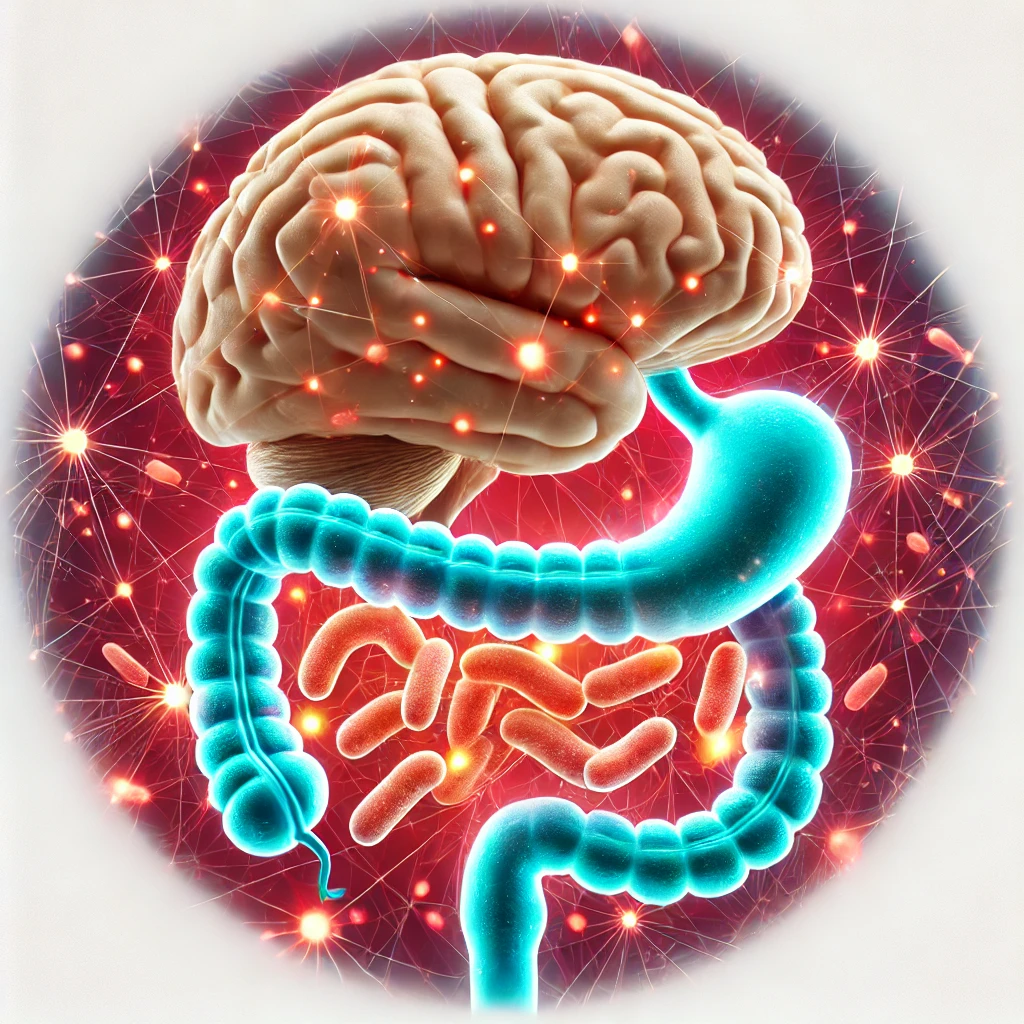
Sam: Can gut health really influence our mood?
Alex: Absolutely! The gut and brain are connected through the gut-brain axis. Your gut produces neurotransmitters like serotonin, which affect mood, anxiety, and cognitive function.
Sam: So, if my gut is unhealthy, I could feel more anxious or depressed?
Alex: Exactly! Studies suggest that an unbalanced gut microbiome can contribute to anxiety and depression, while a healthy gut can promote mental clarity and emotional stability.
🔍 Explanation & Evidence
Approximately 90% of serotonin (the "happy hormone") is produced in the gut, according to research published in Cell (2020). Gut bacteria influence neurotransmitter production, and an imbalance in gut flora has been linked to depression and anxiety disorders. Probiotics and fiber-rich foods can help support mental health.
3️⃣ Gut Health & Weight Management
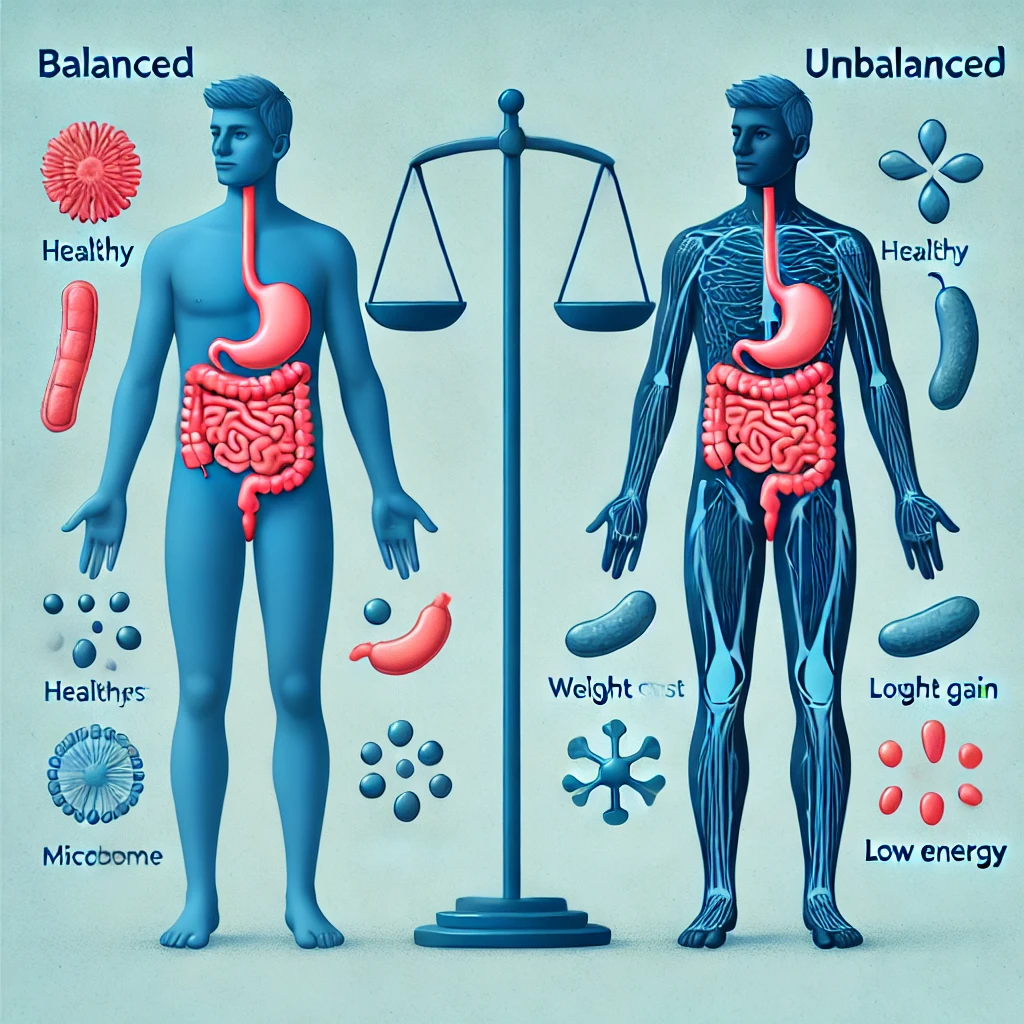
Sam: Can gut health impact my weight?
Alex: Definitely! Your gut microbiome regulates metabolism, controls appetite hormones, and influences fat storage. An imbalanced gut can lead to cravings, slow metabolism, and weight gain.
Sam: So, it’s not just about eating less and exercising more?
Alex: Correct! Research shows that certain gut bacteria help regulate body weight, meaning a well-balanced gut can support long-term weight management.
🔍 Explanation & Evidence
A 2021 study in Nature Metabolism found that gut bacteria diversity is linked to BMI and fat metabolism. People with a diverse microbiome tend to burn fat more efficiently and maintain a healthier weight. Fiber, probiotics, and avoiding ultra-processed foods can support weight control.
How to Improve Gut Health

Sam: So, how do I keep my gut healthy?
Alex: Here are some science-backed tips:
- Eat a Diverse Diet: Include a variety of fruits, vegetables, and whole grains to feed good bacteria.
- Consume Fermented Foods: Yogurt, kimchi, sauerkraut, and kombucha introduce beneficial probiotics.
- Reduce Processed Foods: High-sugar, high-fat diets disrupt gut microbiome balance.
- Stay Hydrated: Water supports digestion and intestinal health.
- Manage Stress: Chronic stress negatively impacts gut bacteria, so mindfulness and relaxation are key.
🔍 Explanation & Evidence
Research from The American Journal of Clinical Nutrition (2022) suggests that gut health improves significantly with a diet rich in fiber, polyphenols, and fermented foods. These elements help maintain beneficial bacteria and reduce inflammation in the gut.
💬 Final Thoughts: Join the Conversation!

Sam: I had no idea gut health was this important!
Alex: It’s amazing how interconnected everything in our body is, right?
Sam: Definitely. I’m going to start paying more attention to my gut health.
Alex: That’s the first step!
📢 What are your favorite gut-friendly habits? Share your tips in the comments! 👇
'Nutrition & Diet' 카테고리의 다른 글
| 🍔 Ultra-Processed Foods: The Hidden Health Crisis (0) | 2025.03.17 |
|---|---|
| 🍔 The Hidden Health Risks of Ultra-Processed Foods (0) | 2025.03.16 |
| THE RISE OF ULTRA-PROCESSED FOODS: HOW CONVENIENCE IS IMPACTING OUR HEALTH (15) | 2025.03.14 |
| THE IMPACT OF ULTRA-PROCESSED FOODS ON HEALTH (0) | 2025.03.13 |
| 🌿 The Microbiome Revolution: How Gut Bacteria Shape Your Health and Mind (2) | 2025.03.12 |


