A Conversation on Health & Food Choices
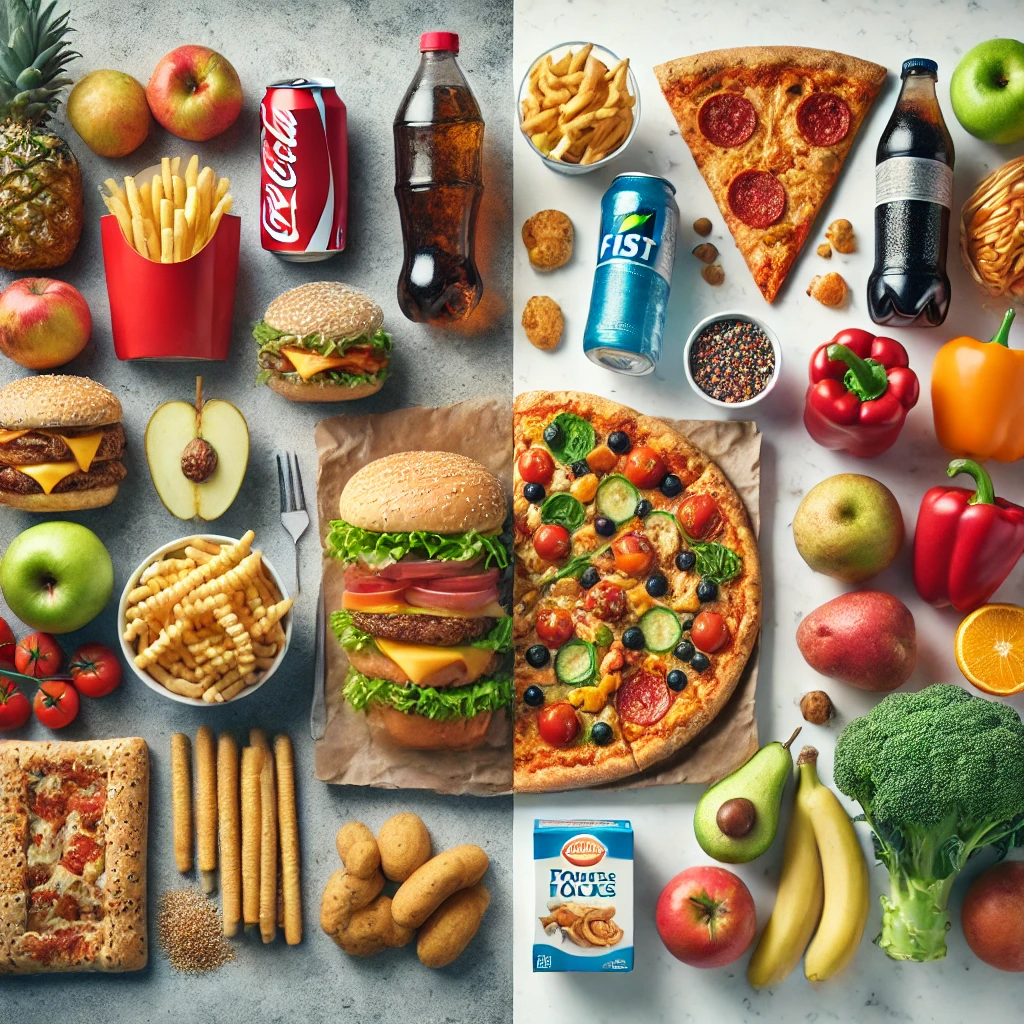
Alex: I've been thinking a lot about healthy eating lately, and I keep hearing that ultra-processed foods (UPFs) are bad for our health.
Sam: That's right! Ultra-processed foods are often loaded with artificial additives, preservatives, and sweeteners. They go through extensive processing, which makes them less nutritious than whole foods. Examples include fast food, instant noodles, and sodas.
Alex: So why do people still consume them so much?
Sam: Mainly because they are convenient and inexpensive. They are quick to prepare, taste good, and are often addictive due to their high salt, sugar, and fat content.
Alex: But I've seen research showing that they can be really harmful to our health.
Sam: Exactly. Studies have linked ultra-processed foods to obesity, diabetes, heart disease, and even mental health issues. For instance:
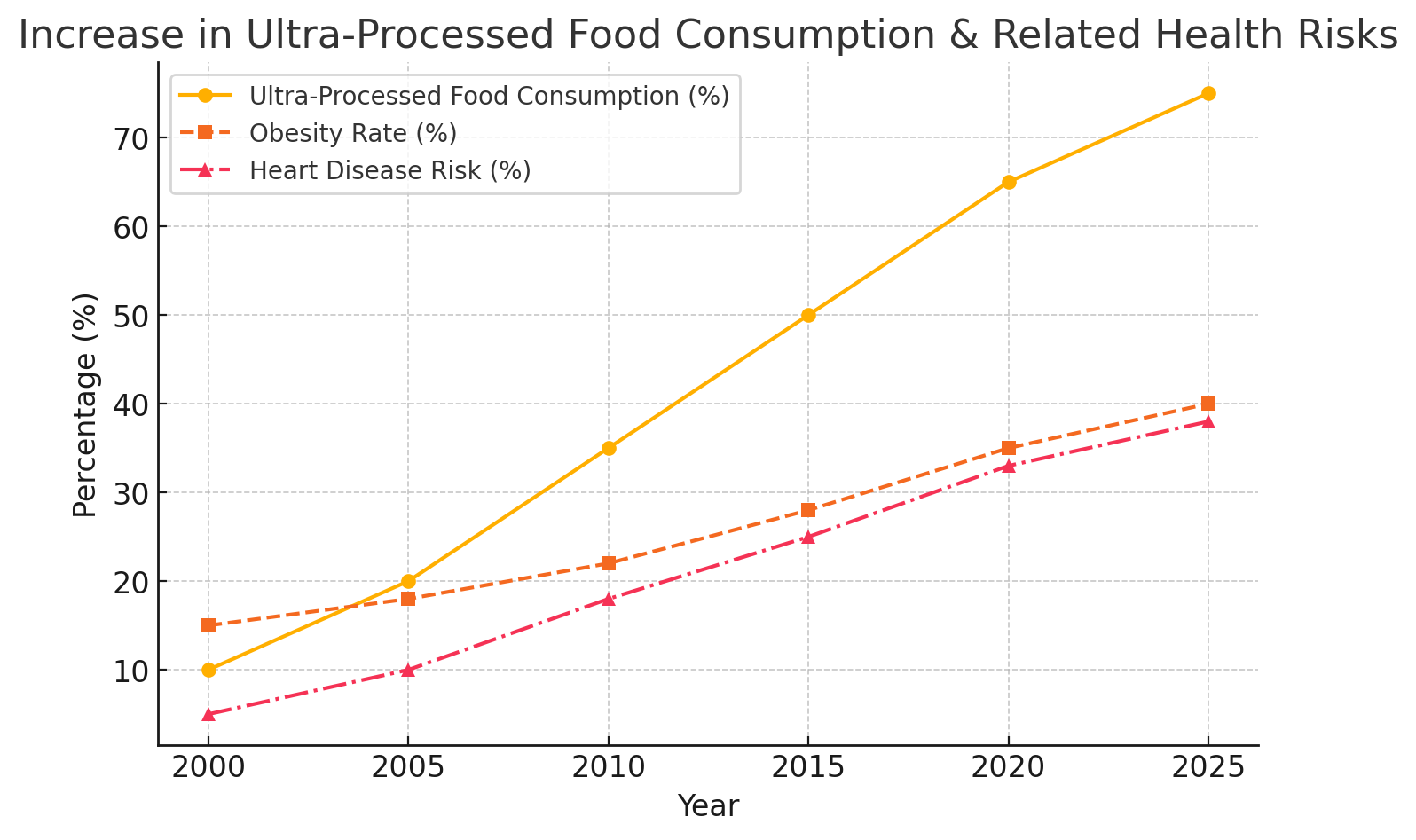
- A 2019 study published in The BMJ found that a 10% increase in ultra-processed food consumption was associated with a 12% higher risk of cardiovascular disease and a 13% higher risk of coronary heart disease.
- The NutriNet-Santé Study in France, involving over 100,000 participants, concluded that higher UPF consumption led to a higher risk of premature death.
- Research from JAMA Psychiatry (2022) found that a diet high in ultra-processed foods was linked to an increased risk of depression and anxiety.
Alex: What can we do to reduce our intake of ultra-processed foods?
Sam: The key is to prioritize whole, minimally processed foods. Fresh fruits, vegetables, whole grains, and home-cooked meals are great alternatives. Reading ingredient labels and avoiding heavily processed items can also help.
How to Reduce Ultra-Processed Foods in Your Diet
1. Plan Your Grocery Shopping
- Focus on fresh ingredients and avoid processed foods.
- Read labels and choose products with fewer artificial additives.
2. Cook at Home More Often
- Preparing meals yourself is a great way to control what goes into your food.
- If cooking feels overwhelming, start with simple dishes like salads, stir-fries, or overnight oats.
🍔 Self-Check: Are You Overeating Ultra-Processed Foods?
Answer honestly to discover your Ultra-Processed Food Risk Level! 🚦
3. Choose Healthier Snacks
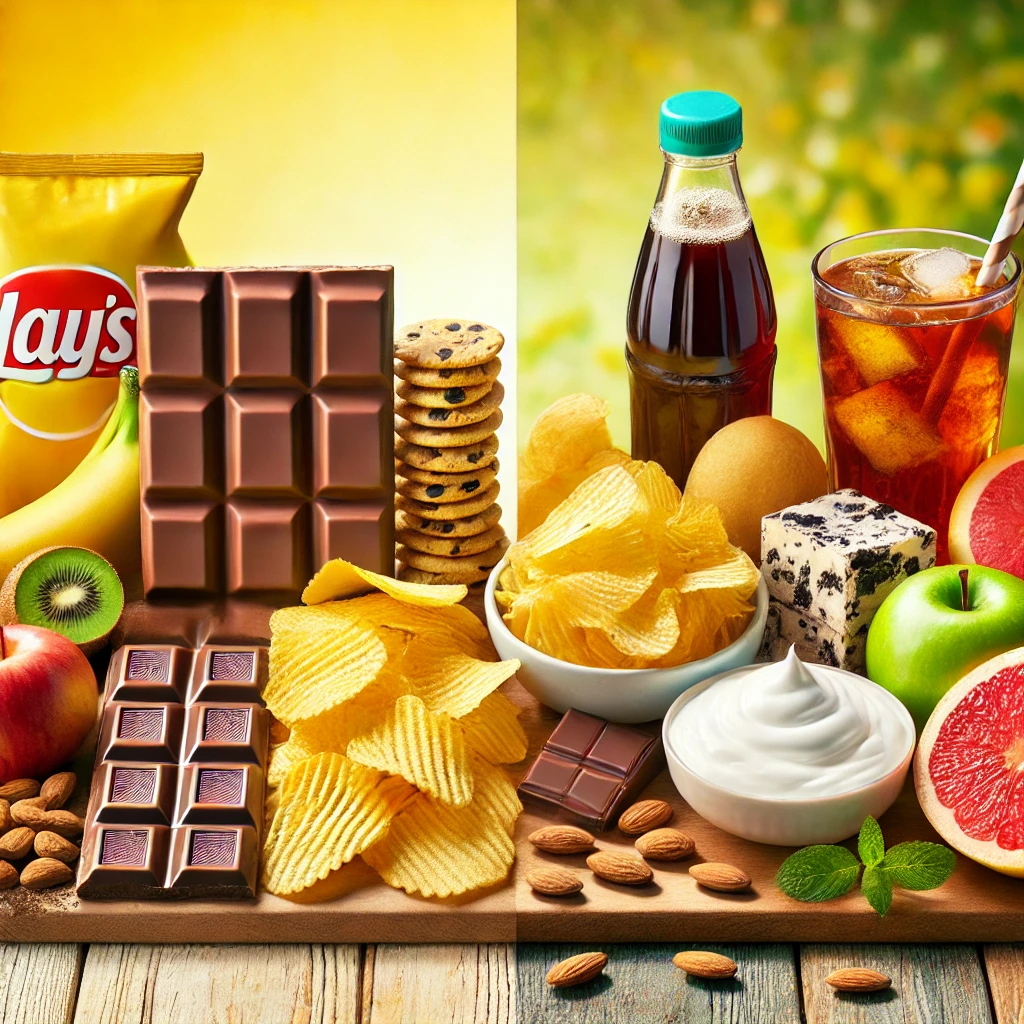
- Opt for nuts, fruit, and yogurt instead of processed chips and cookies.
- Avoid high-sugar energy bars or artificially flavored snacks.
4. Watch Your Drinks Too!
- Swap sugary sodas for water, herbal tea, or natural fruit juice.
- Many bottled drinks contain hidden sugars, so always check labels.
5. Follow Healthy Eating Trends
- Check out social media for healthy recipes and meal ideas.
- Follow nutrition experts or dietitians for reliable advice.
The Bigger Picture: Why It Matters

Avoiding ultra-processed foods is about more than just personal health—it has global implications:
- Obesity Epidemic: According to the World Health Organization (WHO), worldwide obesity has tripled since 1975, largely due to poor dietary habits.
- Chronic Diseases: The Centers for Disease Control and Prevention (CDC) reports that heart disease, diabetes, and certain cancers are directly linked to diet.
- Environmental Impact: The mass production of ultra-processed foods contributes to deforestation, excessive plastic waste, and carbon emissions.
Conclusion: Your Health, Your Choice
Ultra-processed foods are convenient but can be detrimental to long-term health. By making small changes—like cooking more at home and choosing whole foods—we can significantly improve our well-being.
💬 What do you think? Have you tried cutting down on ultra-processed foods? Share your experiences and tips in the comments below! 😊


