THE RISE OF ULTRA-PROCESSED FOODS: HOW CONVENIENCE IS IMPACTING OUR HEALTH
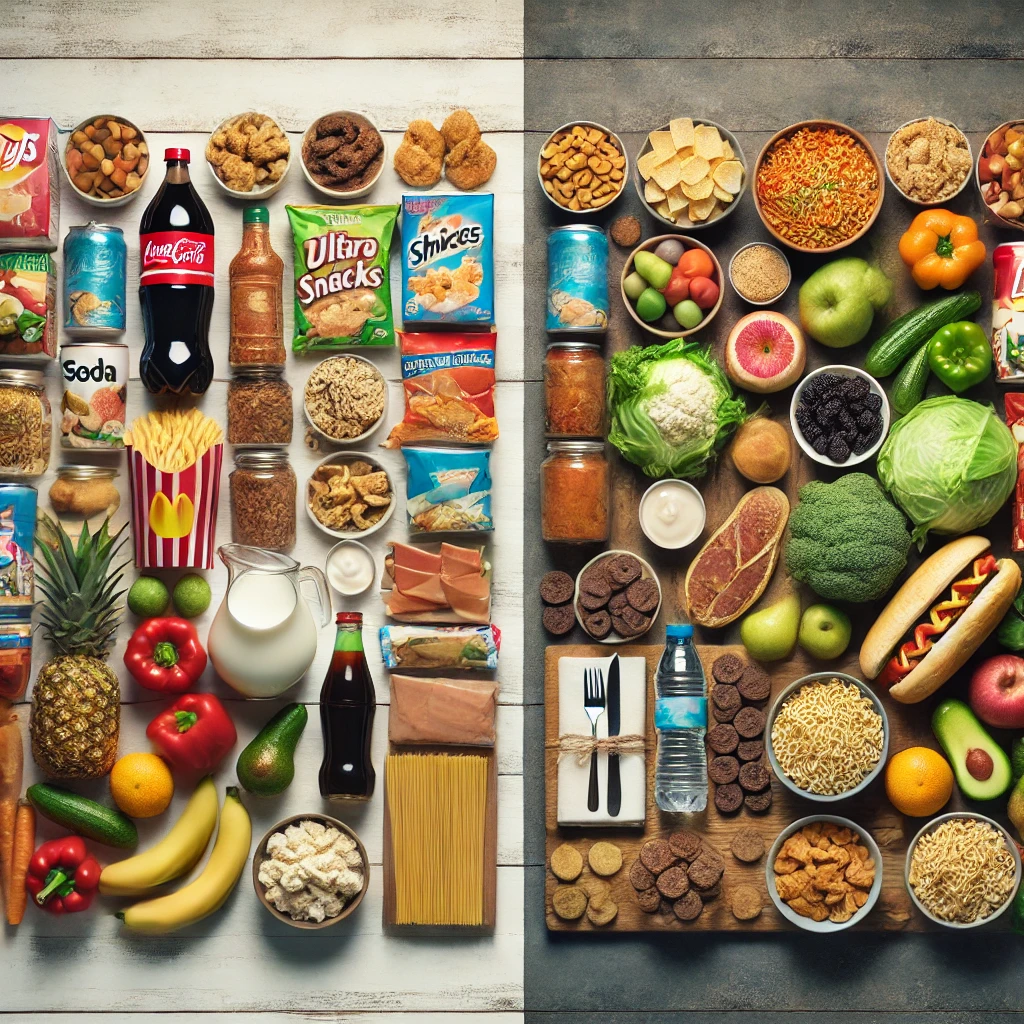
📊 Shocking Statistics: How Common Are Ultra-Processed Foods?
Did you know that over 50% of daily calories in many developed countries come from ultra-processed foods? A study published in The BMJ found that every 10% increase in ultra-processed food consumption is linked to a 12% higher risk of cardiovascular disease.
If your diet consists of packaged snacks, sodas, and ready-to-eat meals, you may be unknowingly increasing your risk of chronic health issues!
💬 A Conversation on Ultra-Processed Foods & Health
Alex: Hey Sam, have you noticed how ultra-processed foods are everywhere these days?
Sam: Absolutely, Alex. From frozen pizzas to sugary cereals, they dominate supermarket shelves.
Alex: I wonder how they affect our health in the long run.
Sam: That’s a great question! Let’s dive into it.
🍔 What Are Ultra-Processed Foods?
Alex: First off, what exactly are ultra-processed foods?
Sam: Ultra-processed foods are industrially formulated products made with five or more ingredients. They often contain additives not commonly found in home-cooked meals, such as hydrogenated oils, artificial flavors, preservatives, and emulsifiers.
Alex: So, things like instant noodles, energy bars, and soft drinks?
Sam: Exactly. These foods are engineered for convenience, long shelf life, and hyper-palatability.
📈 The Growing Prevalence of Ultra-Processed Foods
Alex: How common are these foods in our daily diets?
Sam: Studies show that in the United States, Canada, and the UK, ultra-processed foods make up 50-60% of the average diet. Their affordability and ease of access make them a dominant choice.
🚨 Health Risks of Ultra-Processed Foods
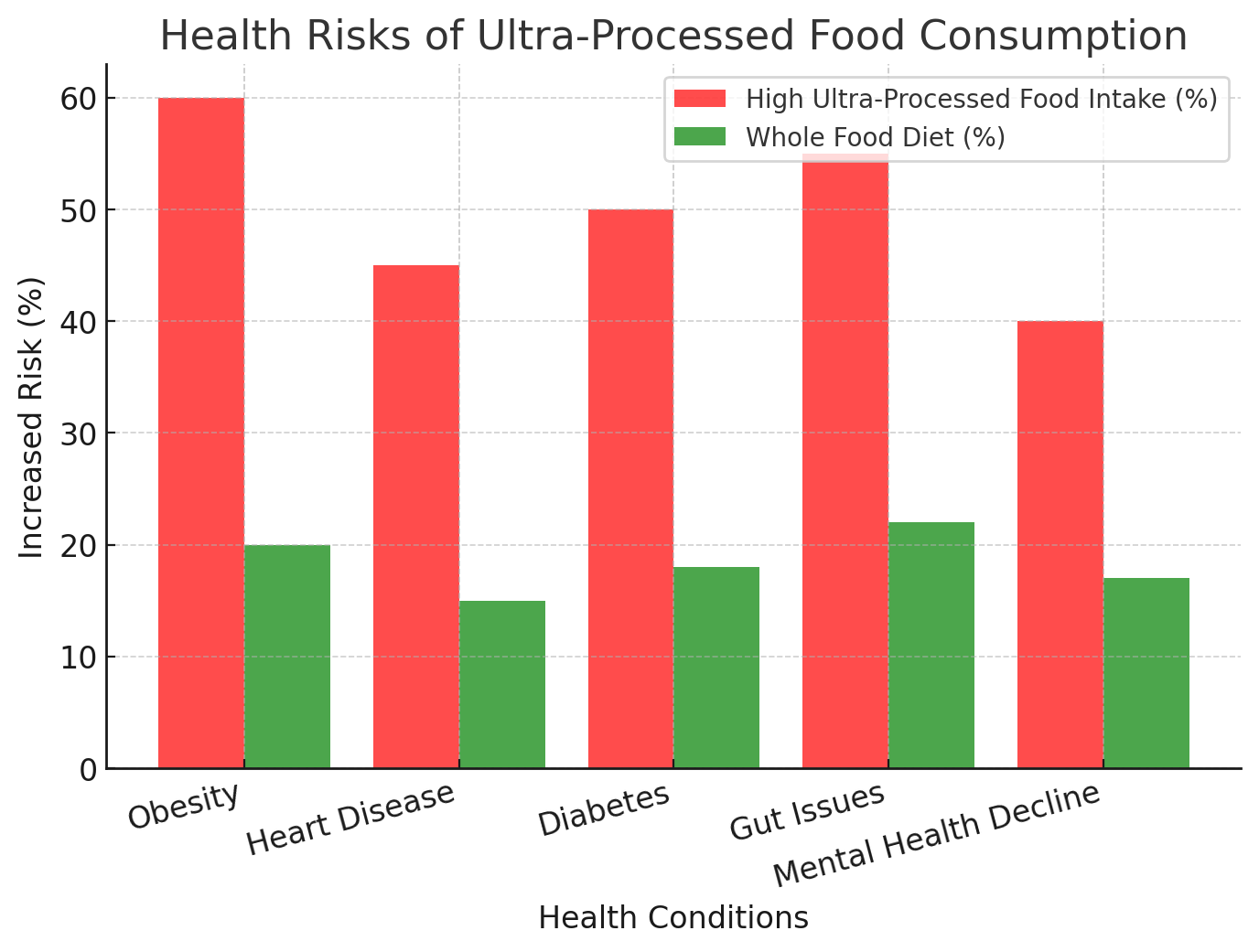
1. Obesity & Metabolic Disorders
- High in added sugars and unhealthy fats, ultra-processed foods contribute to weight gain and insulin resistance.
- A study in Cell Metabolism found that people consuming a diet high in ultra-processed foods ate 500 more calories per day than those on a whole-food diet.
2. Increased Risk of Cardiovascular Disease
- These foods are loaded with sodium and trans fats, elevating blood pressure and cholesterol levels.
- Research from The BMJ indicates that frequent consumption increases heart disease risk by 12%.
3. Disrupted Gut Microbiome
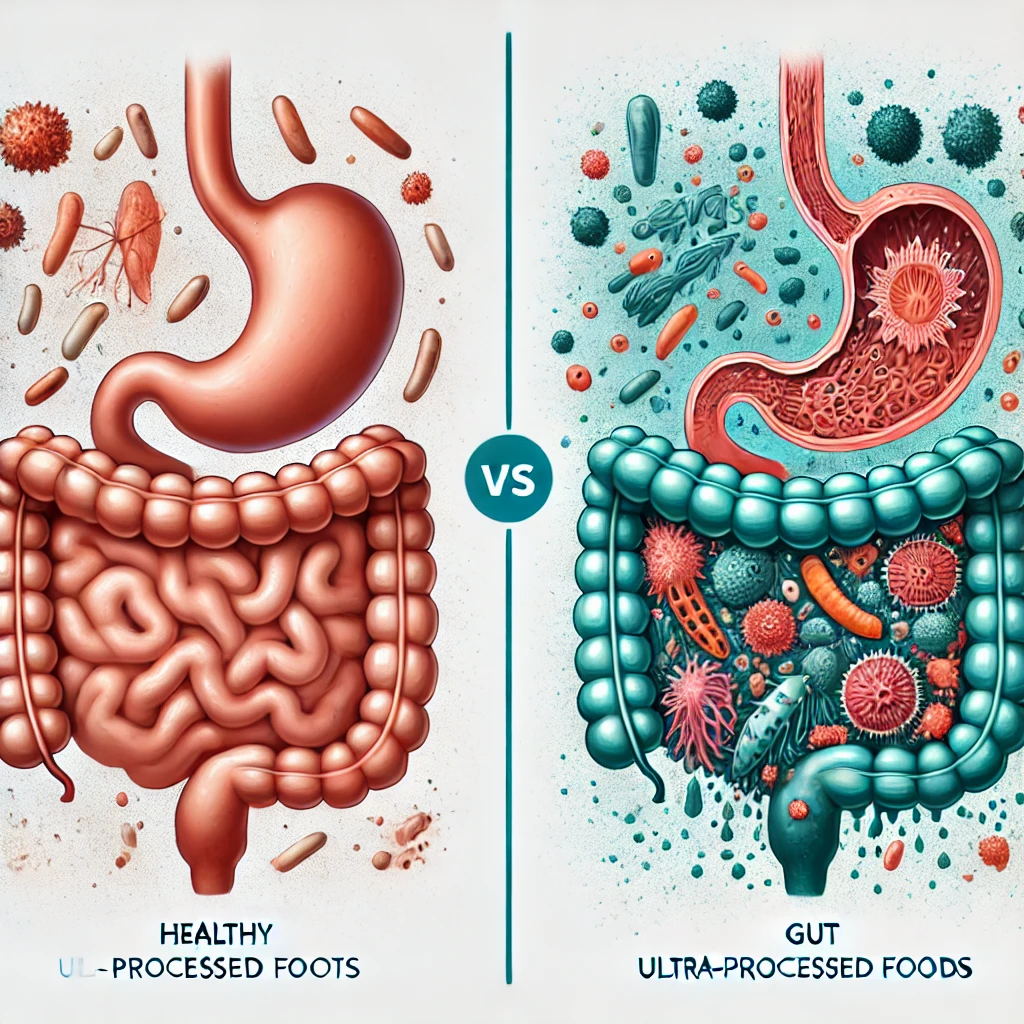
- Artificial additives and emulsifiers can disrupt gut bacteria, leading to inflammation and digestive issues.
4. Higher Risk of Cancer
- A study published in The Lancet Oncology suggests that ultra-processed foods may be linked to a higher risk of colorectal and breast cancer due to their chemical additives.
5. Mental Health Decline
- Diets high in processed foods are associated with increased anxiety, depression, and cognitive decline.
- A study from Public Health Nutrition found that people consuming high amounts of ultra-processed foods were 33% more likely to develop depression.
🧐 Why Are Ultra-Processed Foods So Addictive?
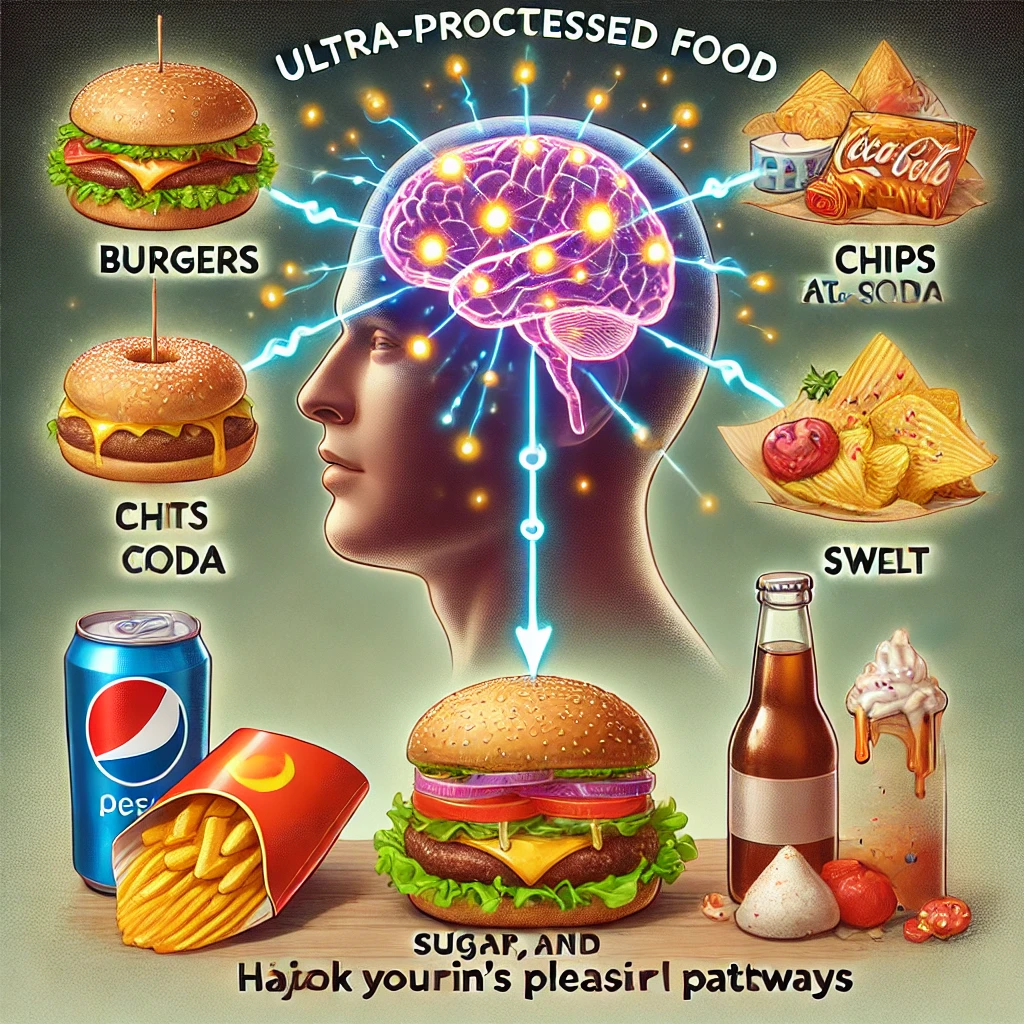
Alex: Why do people crave these foods so much?
Sam: They’re designed to be addictive! The combination of sugar, fat, and salt stimulates the brain’s reward system, triggering cravings and overconsumption.
Alex: So, the more we eat them, the more we want them?
Sam: Exactly! This leads to a vicious cycle of poor eating habits and health decline.
🦠 Impact on Gut Health
Alex: Do ultra-processed foods affect digestion?
Sam: Yes, emulsifiers and artificial sweeteners damage gut bacteria, leading to increased inflammation, digestive disorders, and even autoimmune diseases.
🌎 Economic & Social Factors: Why Do People Choose Ultra-Processed Foods?
- Affordability: Ultra-processed foods are often cheaper than whole, fresh foods.
- Convenience: Busy lifestyles make ready-to-eat meals appealing.
- Aggressive Marketing: Processed food brands spend billions on advertising, targeting children and low-income communities.
🍟 How Processed Is Your Diet?
Take this quick 7-question quiz to find out if ultra-processed foods are impacting your health!
🥗 What Can You Do? 5 Ways to Reduce Ultra-Processed Foods
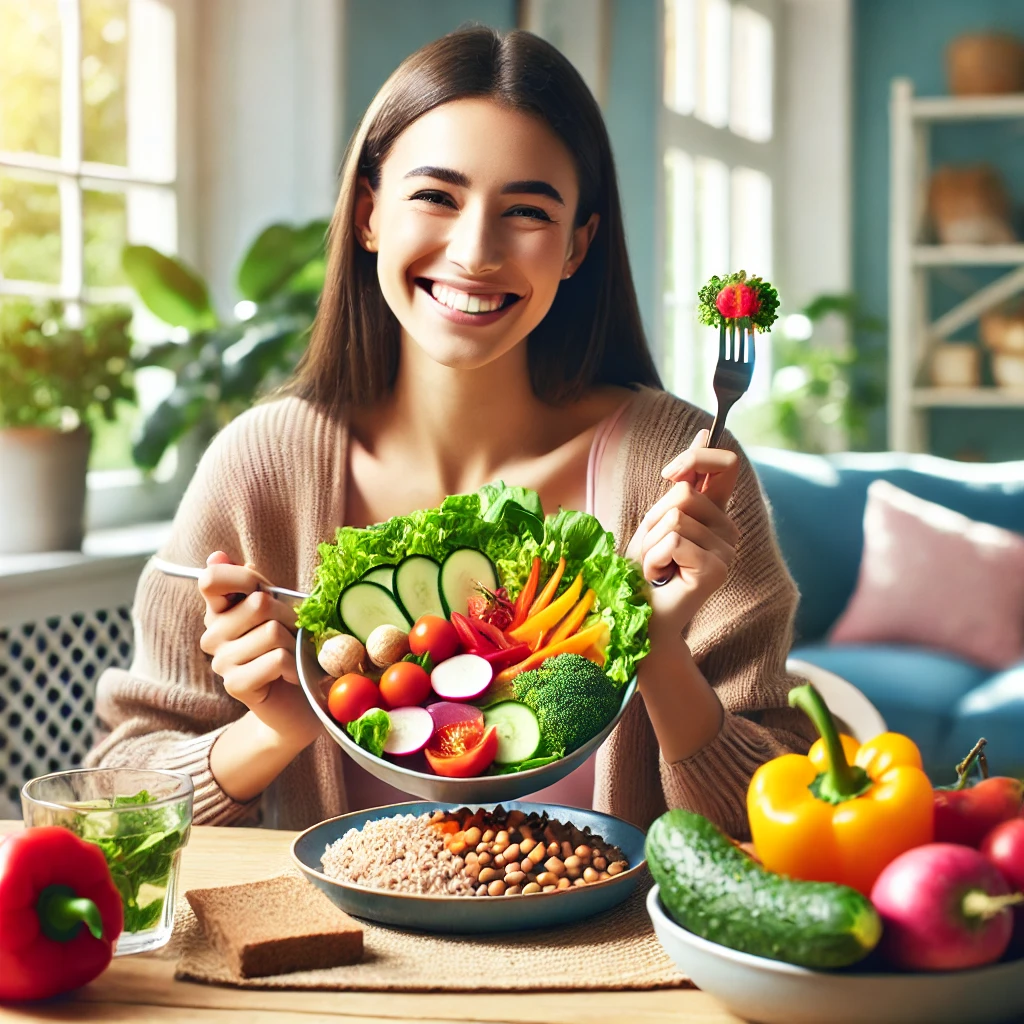
1. Read Ingredient Labels 🏷️
- Avoid products with long ingredient lists, artificial additives, and high sugar content.
2. Cook More at Home 🍳
- Home-cooked meals allow full control over ingredients and reduce processed food intake.
📊 Quick Poll: Would You Try a 7-Day Whole Food Challenge?
3. Prioritize Whole Foods 🥦
- Focus on fruits, vegetables, whole grains, lean proteins, and healthy fats.
4. Plan Your Meals 📝
- Meal prepping prevents reliance on convenience foods.
5. Reduce Sugary & Processed Snacks 🍪🚫
- Swap processed snacks for nuts, seeds, fresh fruit, or yogurt.
🏆 The Bigger Picture: Why This Matters
Reducing ultra-processed foods isn’t just about weight—it’s about preventing chronic diseases, improving mental health, and living a longer life.
- Better Energy Levels 🚀
- Stronger Immune System 🛡️
- Lower Risk of Heart Disease & Diabetes ❤️
- Improved Mood & Cognitive Function 🧠
💬 Final Thoughts: Join the Conversation!
Ultra-processed foods have become a global health concern, but awareness and small changes can make a huge difference!
💬 Let's Talk!
What processed food is hardest for you to give up?
What's your favorite whole food snack?
👇 Share your answers in the comments! Let's inspire each other. 👇


