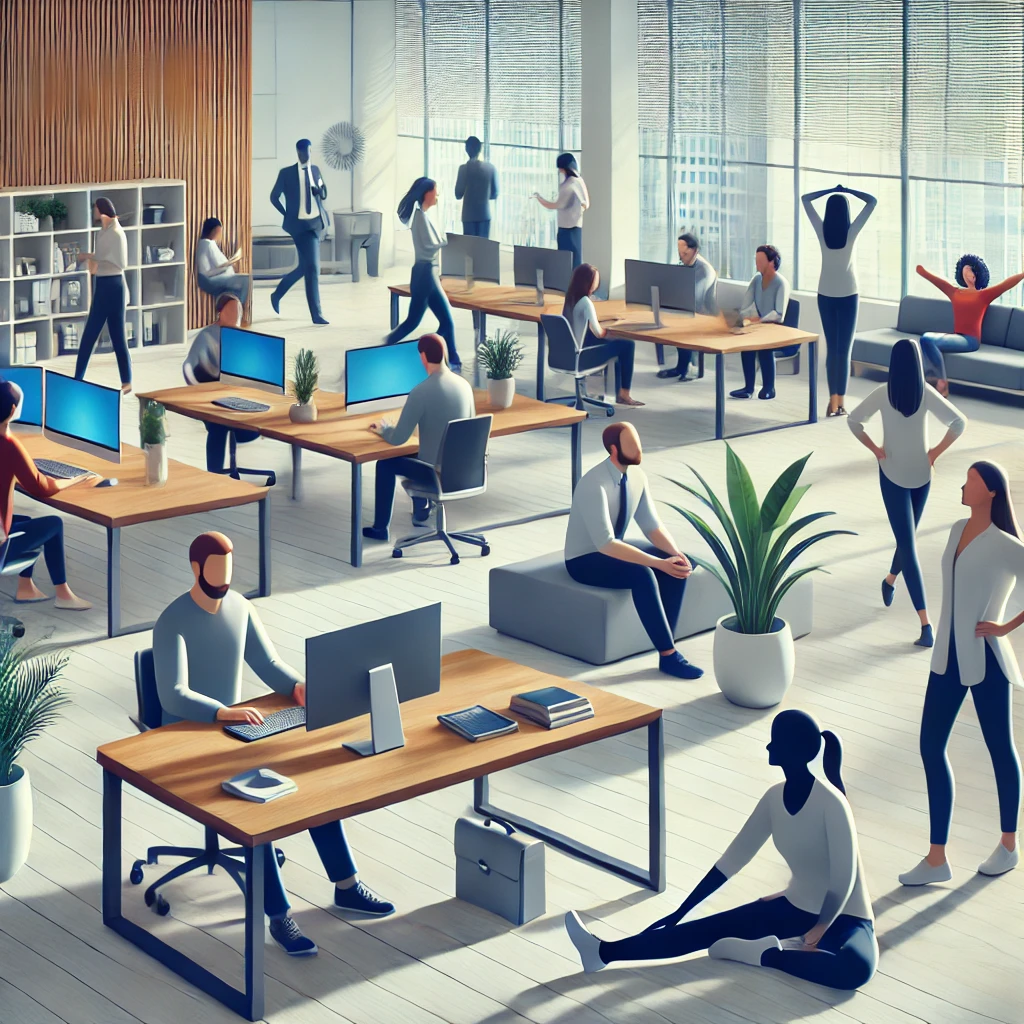
Mental health is becoming an increasingly important issue in professional environments. With rising work-related stress, burnout, and the pressures of modern corporate culture, it's crucial to address mental well-being in the workplace. But how can employers and employees create a healthier work environment? Let’s explore this through a conversation. 👇
💬 A Conversation on Mental Health at Work

Emma: Hey Alex, have you noticed how many people seem to be struggling with stress and burnout at work these days?
Alex: Yeah, absolutely. It feels like almost everyone is dealing with some level of mental fatigue. What do you think is causing it?
Emma: I think it’s a mix of things—long working hours, job insecurity, high expectations, and even the pressure to be available 24/7 thanks to emails and work chats. 📧
Alex: That’s so true. The whole “hustle culture” makes people feel guilty for taking breaks, but that just leads to more exhaustion. 😓
Emma: Exactly! And many workplaces still don’t take mental health seriously. They focus so much on productivity but ignore the fact that stressed employees are less productive in the long run.
Alex: So what do you think companies should do to improve mental well-being at work?
Emma: For starters, promoting a work-life balance should be a priority. Flexible work hours, remote work options, and encouraging employees to actually use their vacation days would help. 🌿
Alex: Agreed! And there should be more mental health resources, like therapy support or wellness programs. Companies invest in training for technical skills—why not mental well-being?
Emma: Absolutely! Even something as simple as normalizing mental health conversations and reducing the stigma around it could make a big difference.
Alex: I love that idea! And employees should also set personal boundaries, like not checking emails after work hours or taking regular breaks.
Emma: That’s a great point! The responsibility isn’t just on the company—employees need to advocate for their own well-being too.
Alex: Exactly! So what do you guys think? How can we improve mental health at work? Let’s discuss in the comments! 👇💬
🔎 Understanding Workplace Mental Health: Causes & Solutions
The conversation above highlights key factors affecting workplace mental health. Let’s break them down further.
🚨 Causes of Workplace Mental Health Issues
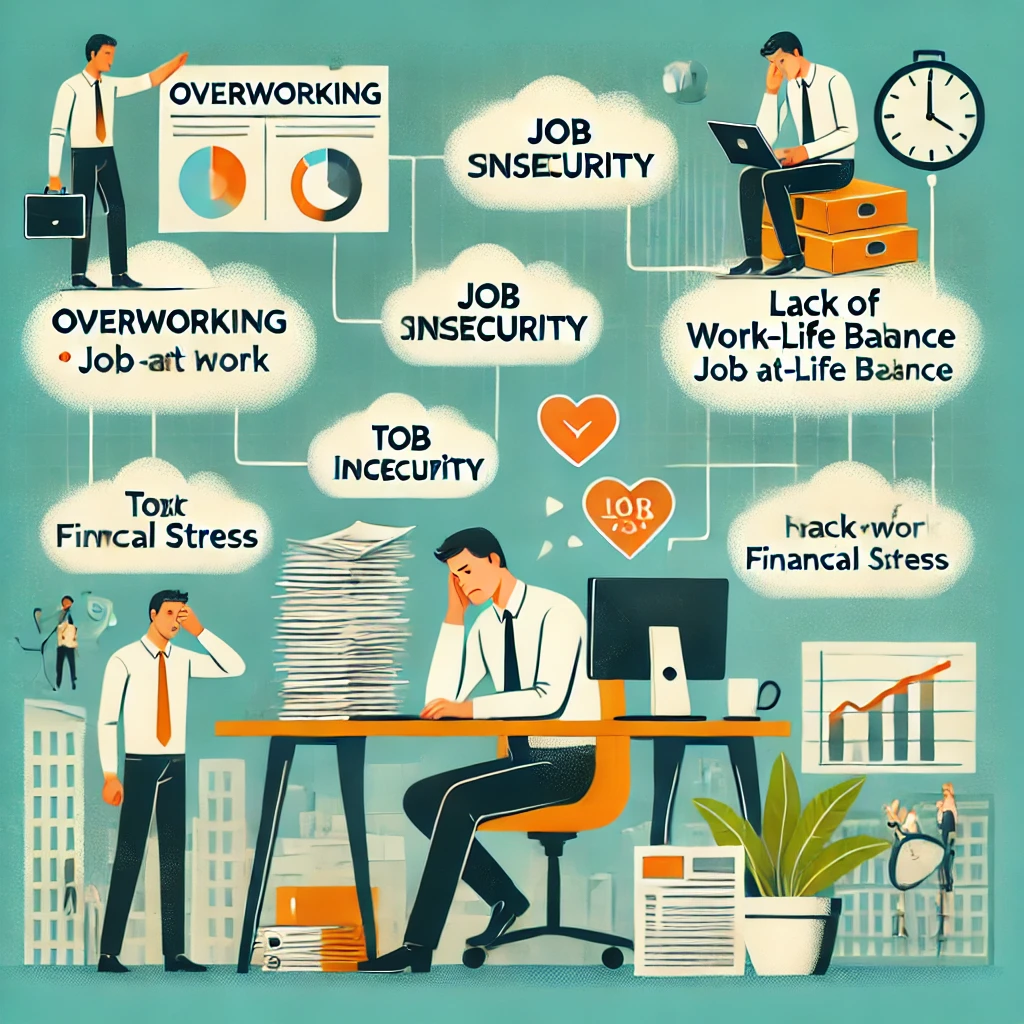
🔹 Workload & Overworking
- Unrealistic deadlines and high expectations lead to chronic stress.
- Employees often feel pressured to work overtime, affecting their well-being. ⏳
🔹 Lack of Work-Life Balance
- The “always-on” culture prevents employees from properly disconnecting.
- Remote work can blur boundaries between work and personal life. 🏠💼
🔹 Toxic Work Environment
- Poor leadership, micromanagement, and lack of employee support create stress.
- Workplace bullying and unrealistic competition can negatively impact mental health. 😞
🔹 Job Insecurity & Financial Stress
- Fear of layoffs or unstable contracts leads to anxiety.
- Employees may overwork to prove their value, worsening burnout. 💰
✅ Solutions for a Healthier Work Environment
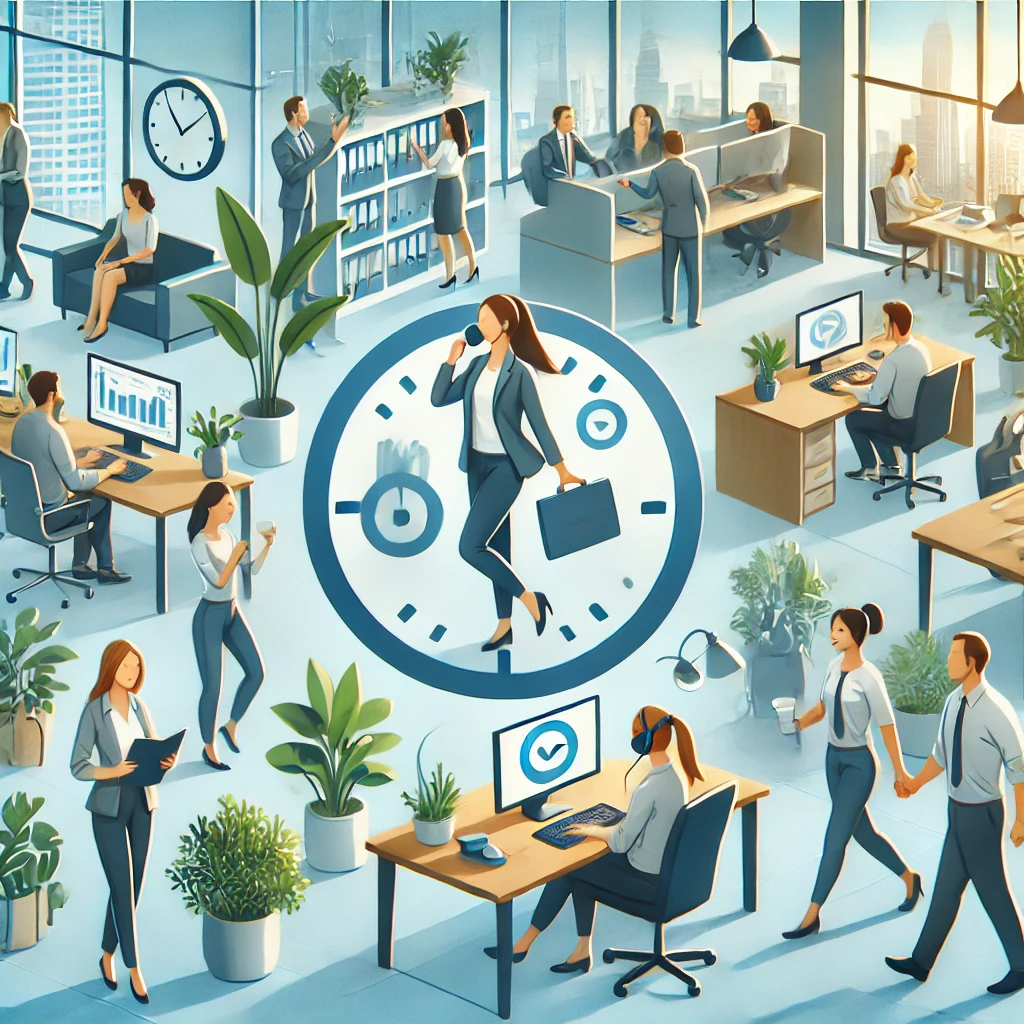
💡 Encouraging Work-Life Balance
- Implement flexible working hours and remote work options. 🏡
- Encourage employees to take breaks and vacations.
✨ Is Your Workplace Supporting Your Mental Health? ✨
💡 Providing Mental Health Resources
- Offer counseling services or stress management programs.
- Provide mental health days separate from sick leave. 📅
💡 Creating a Positive Work Culture
- Foster an open and supportive environment for mental health discussions.
- Train managers to recognize stress signs in employees and offer support.
💡 Empowering Employees
- Encourage setting healthy boundaries (e.g., no emails after work hours).
- Promote mindfulness practices like meditation and stress management workshops. 🧘
🔥 Conclusion

Workplace mental health is not just an individual issue—it’s a shared responsibility between employees and employers. By focusing on work-life balance, mental health resources, and positive workplace culture, companies can boost productivity while ensuring well-being.
💭 What are your thoughts? How can workplaces better support mental health? Let’s discuss in the comments! 👇💬


