
In today's fast-paced world, many individuals experience moments of forgetfulness, lack of focus, or mental clarity—commonly referred to as 'brain fog'. While not a medical diagnosis, brain fog can significantly impact daily life. Let's delve into this phenomenon through a conversation, followed by an analysis of its causes and potential solutions.
💬 A Conversation on Brain Fog

Alice: Hey Bob, have you ever had those days where you just can't seem to think clearly? Like, everything feels... foggy?
Bob: Oh, absolutely. Sometimes I sit at my desk, staring at the screen, and can't remember what I was about to do. It's frustrating!
Alice: Sounds like you're experiencing brain fog. It's that feeling of mental cloudiness that makes concentration tough.
Bob: Brain fog, huh? What's causing it? Is it just lack of sleep or something more?
Alice: Several factors can contribute. Stress, poor diet, hormonal changes, and even certain medications can play a role. For instance, chronic stress increases cortisol levels, which can impair cognitive function over time.
Bob: Interesting. I have been stressed lately and my diet hasn't been the best. Could that be it?
Alice: Quite possibly. Additionally, conditions like thyroid imbalances or autoimmune diseases can manifest as brain fog. Even dehydration can affect how sharp we feel.
Bob: Wow, I had no idea so many things could lead to this. How do I clear this fog?
Alice: First, addressing lifestyle factors is crucial. Ensuring adequate sleep, maintaining a balanced diet, and managing stress through activities like meditation or exercise can help. If the fog persists, consulting a healthcare professional to rule out underlying conditions is a good step.
Bob: Makes sense. I should probably drink more water and maybe cut back on junk food too.
Alice: Definitely! Hydration and nutrition play significant roles in cognitive function. Also, taking regular breaks during work to rest your mind can be beneficial.
Bob: Thanks, Alice. I'll start making some changes and see if it helps lift this fog.
🔍 Understanding Brain Fog: Causes and Solutions
The conversation above sheds light on the elusive nature of brain fog. Let's explore its potential causes and remedies in more detail.
🚨 Causes of Brain Fog
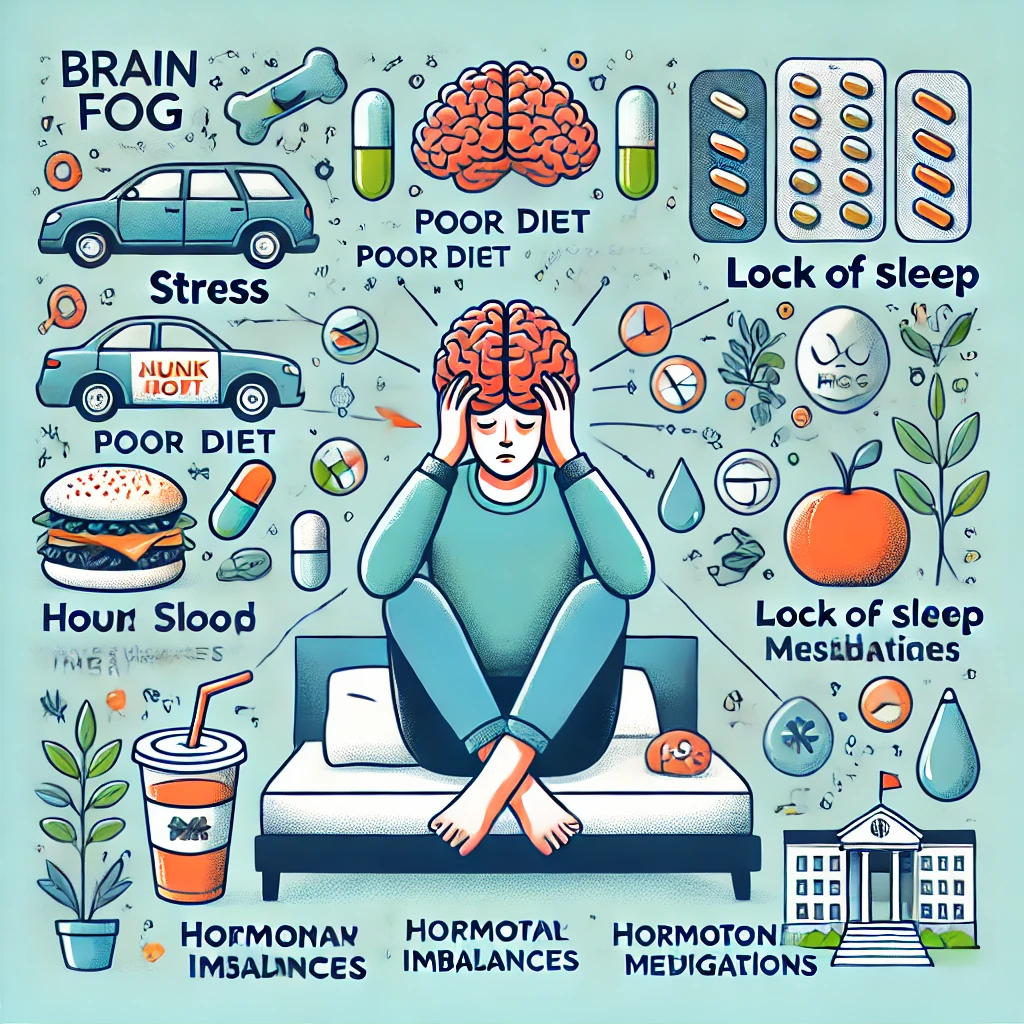
✨ Brain Fog Self-Assessment ✨
- Stress
- Chronic stress elevates cortisol levels, which can interfere with memory and cognition.
- Poor Diet
- Diets high in sugar and unhealthy fats can lead to inflammation, affecting brain function.
- Lack of Sleep
- Insufficient or poor-quality sleep impairs the brain's ability to function optimally.
- Hormonal Changes
- Fluctuations in hormones, such as during menopause or thyroid imbalances, can affect cognitive clarity.
- Medications
- Some medications have side effects that include cognitive impairment.
- Medical Conditions
- Conditions like fibromyalgia, chronic fatigue syndrome, or autoimmune diseases can present with brain fog as a symptom.
- Dehydration
- Even mild dehydration can affect attention and short-term memory.
✅ Solutions to Combat Brain Fog

- Manage Stress
- Incorporate stress-reducing techniques such as yoga, meditation, or deep-breathing exercises.
- Improve Diet
- Consume a balanced diet rich in fruits, vegetables, lean proteins, and omega-3 fatty acids to support brain health.
- Prioritize Sleep
- Aim for 7-9 hours of quality sleep per night to allow the brain to rest and rejuvenate.
- Stay Hydrated
- Ensure adequate water intake throughout the day to maintain optimal cognitive function.
- Exercise Regularly
- Engage in regular physical activity to boost blood flow to the brain and enhance mental clarity.
- Consult a Professional
- If brain fog persists, seek medical advice to identify and address any underlying health issues.
🔥 Conclusion

Brain fog is a common but often overlooked condition that can significantly impact daily life. By understanding its causes—ranging from lifestyle factors to medical conditions—and implementing targeted strategies, individuals can improve their cognitive clarity and overall quality of life.
Have you experienced brain fog? What strategies have helped you overcome it? Share your thoughts in the comments below!


