
Struggling to get quality sleep? You’re not alone.
Discover what really works—from expert tips to proven sleep habits.
Your journey to deeper, more restful nights starts here.
Engaging in expert-level conversations reveals truths hidden behind wellness myths.
🎧 Expert Dialogue: Let’s Talk About Sleep
Host (Dr. Lara Kim, Holistic Wellness Expert):
"Reuben, I keep seeing clients who complain about sleep—but they don’t know what’s actually wrong. It’s not just stress. It’s their entire routine."
Guest (Dr. Reuben Patel, Sleep Psychologist):
"Absolutely. Many people assume sleep is a switch you flip. But your brain is like a dimmer—it needs winding down. The biggest mistake I see? Using screens up to the minute they go to bed."
Dr. Kim:
"Oh yes, blue light wreaks havoc on melatonin. I always suggest clients avoid phones at least an hour before bed—and instead, pick up a book or stretch lightly."
Dr. Patel:
"That’s smart. Also, consistent wake times are underrated. You can’t outsmart your circadian rhythm by sleeping in on weekends."
Dr. Kim:
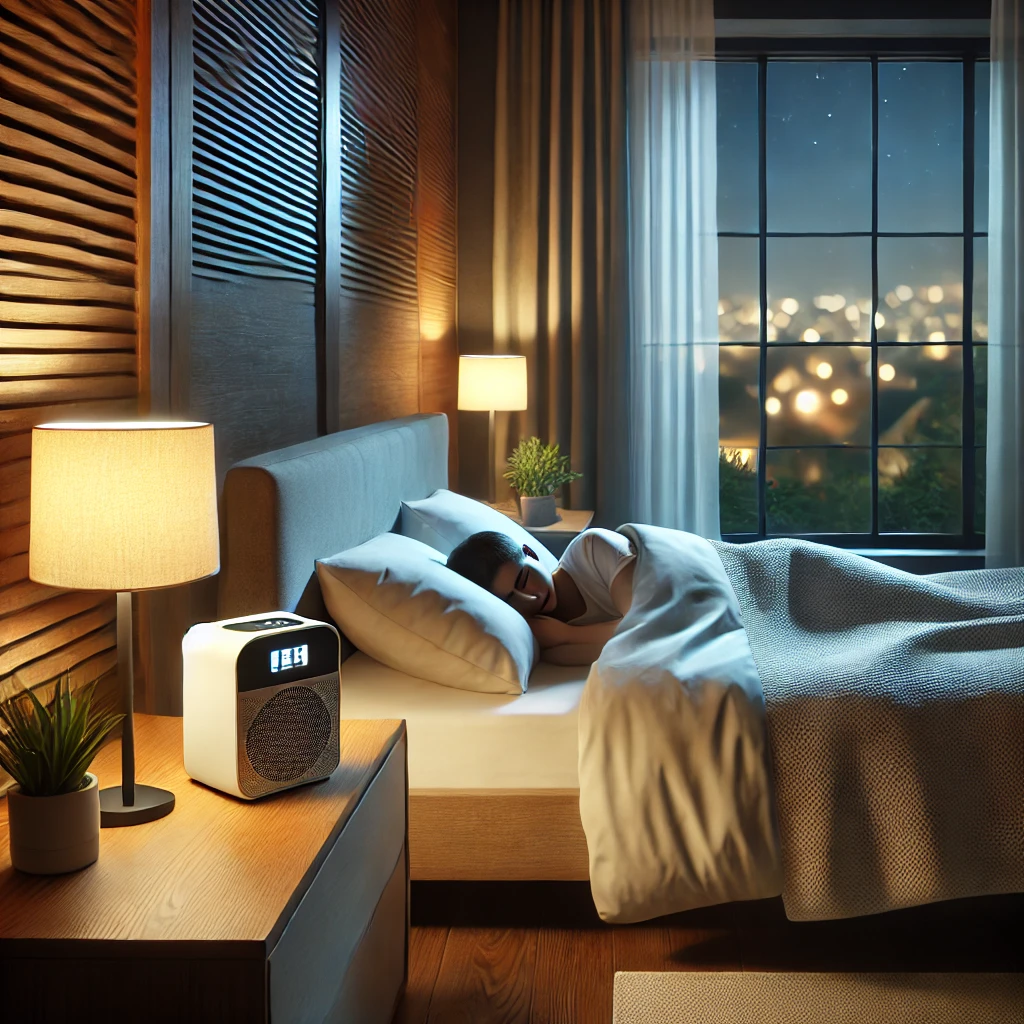
"Exactly. And temperature! The sweet spot is around 65°F. Plus, white noise machines can really help for light sleepers."
The right environment can mean the difference between tossing and turning or truly recharging.
🔍 Evidence-Based Sleep Tips: What the Science Says
1. 🌙 Light & Circadian Rhythm
Blue light suppresses melatonin production, delaying sleep onset. A 2015 study in PNAS showed that screen time before bed reduced melatonin levels by over 50%.
Tip: Install f.lux or use Night Shift mode. Or better yet—ditch screens 60–90 minutes before bed.
2. ⏰ Sleep Timing Consistency
Your body has an internal 24-hour clock. Disrupting it—like sleeping in on weekends—confuses your system.
A study by Harvard Medical School found irregular sleep schedules increase the risk of obesity and depression, even if sleep duration is adequate.
3. 🌡️ Optimize Your Sleep Environment

- Temperature: 60–67°F (15.5–19.4°C) ideal for most people.
- Sound: White noise helps block out sudden noises.
- Light: Total darkness increases melatonin production.
Natural supplements can support your efforts—when used wisely.
💊 Natural Supplements That Actually Work
SupplementFunctionNotes
| Melatonin | Regulates circadian rhythm | Use for jet lag or shifting sleep schedule |
| Magnesium Glycinate | Calms the nervous system | Best taken 1 hour before bed |
| L-Theanine | Promotes relaxation | Found in green tea |
| CBD (Cannabidiol) | May reduce anxiety | Use low doses to start |
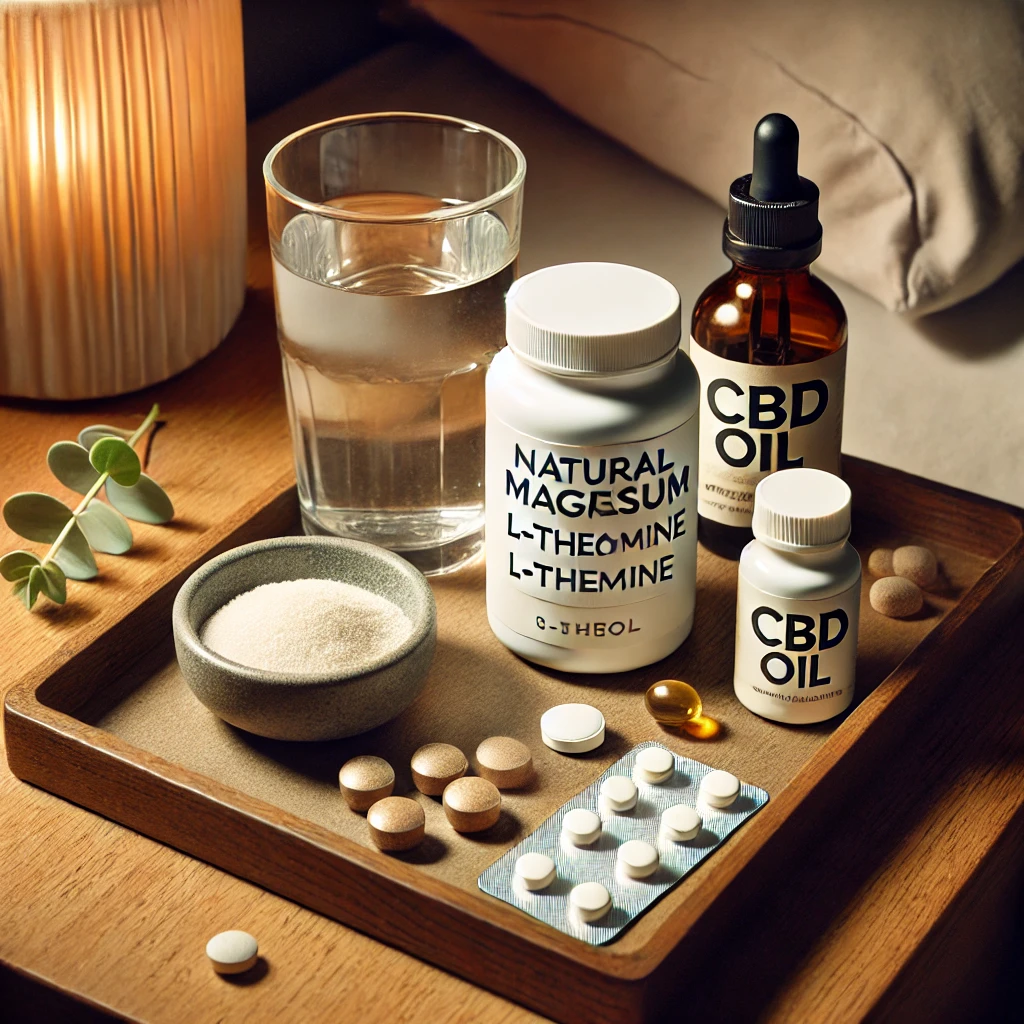
📌 Reminder: Always consult your healthcare provider before starting supplements.
📜 Real-World Example: Emma's Story
Emma, a 34-year-old teacher from Oregon, struggled with insomnia for years.
“I thought I just had anxiety. But after tracking my habits, I realized my 10 PM phone scroll, inconsistent bedtime, and late coffee were sabotaging me. I started journaling before bed and cut caffeine after lunch. I now fall asleep in 15 minutes—and wake up refreshed.”
Supportive tools make healthy sleep habits easier to stick with.
🛌 Must-Have Tools for Better Sleep
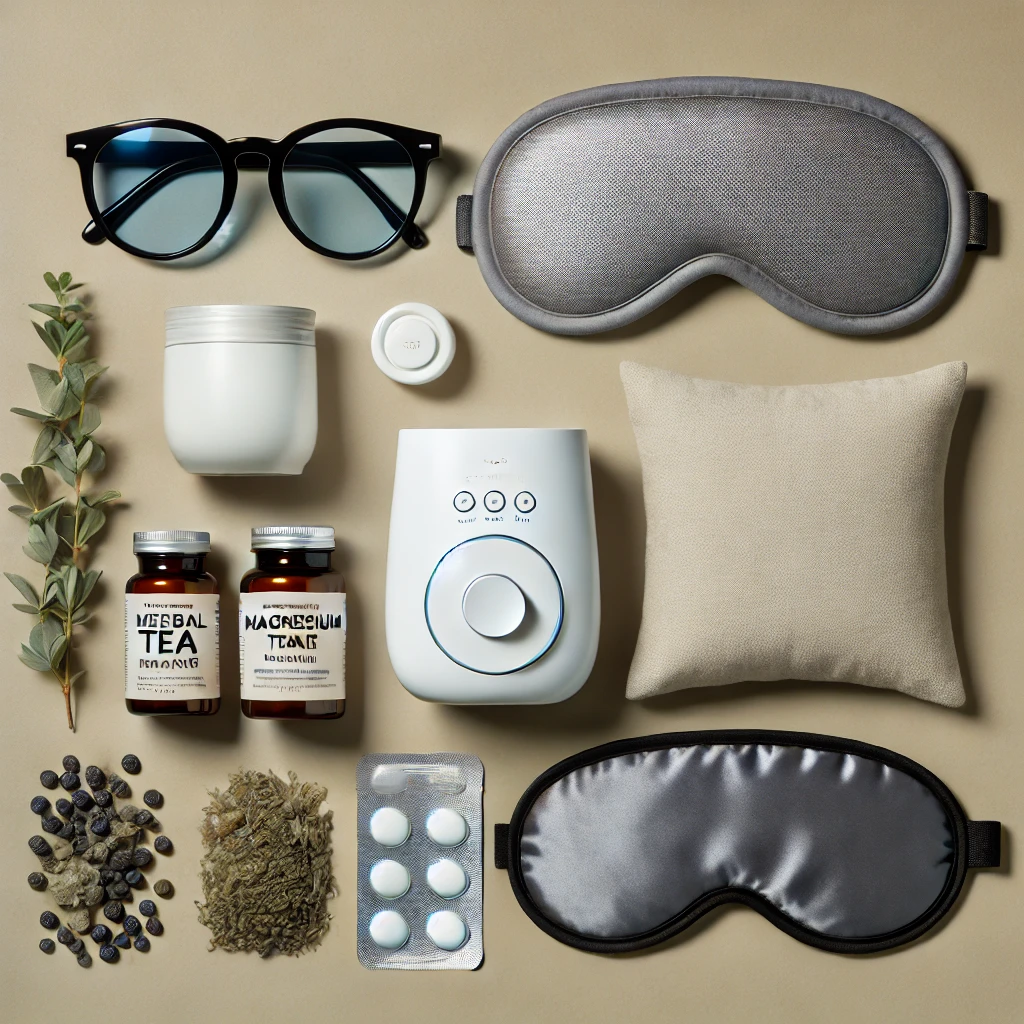
- 🌿 Blue Light Blocking Glasses
- 🎧 White Noise Machine
- 🧼 Magnesium Supplement Powder
- ☕ Herbal Tea Blends
- 😴 Blackout Sleep Mask
(You can find these on Amazon or your local wellness store!)
❓ FAQ: What You’re Still Wondering
Q: What is “sleep hygiene”?
A: Behaviors and environmental factors that promote quality sleep—like consistent bedtimes and a tech-free bedroom.
Q: Is it okay to nap during the day?
A: Short naps (20–30 mins) can help. Avoid long naps or late ones—they may disrupt nighttime sleep.
Q: How long does it take to fix a broken sleep cycle?
A: Usually 1–2 weeks of consistency is enough to reset your rhythm.
💬 What About You?
We’d love to hear from you!
🛌 What’s your biggest sleep struggle?
💪 What lifestyle change helped you sleep better?
🌝 Have you tried any of the supplements or tools mentioned?
👇 Drop your thoughts, questions, or personal tips in the comments below—let’s help each other rest better!


