TL;DR
Aging alters our circadian rhythms and reduces melatonin production, leading to lighter, fragmented sleep. Sleep pressure builds faster in older adults, causing more daytime drowsiness. Lifestyle factors and chronic illnesses also play a key role.
🧓 Sleep and Aging: Understanding the Link
[Expert Conversation: Dr. Emily Ross (Sleep Scientist) & Dr. Jason Kim (Gerontologist)]
Dr. Kim: Emily, many of my patients over 60 complain that they feel sleepier during the day but struggle to stay asleep at night. What's happening here?
Dr. Ross: It’s a common issue. As we age, our sleep architecture changes. One major shift is the reduction of slow-wave sleep — that deep, restorative phase. Older adults spend less time in this stage and more in lighter sleep, which is easier to disrupt.
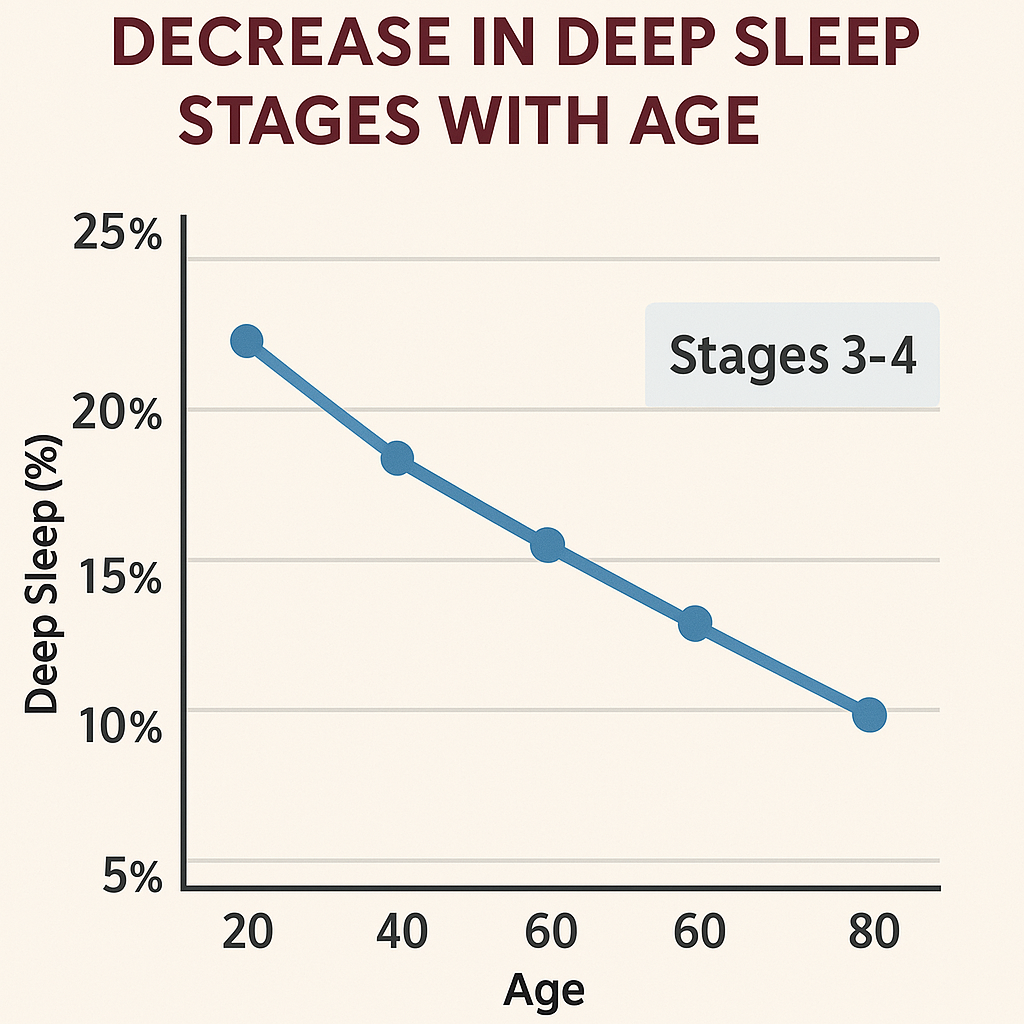
📚 Scientific Insight: According to a 2008 study in Sleep, adults over 60 showed a 70% reduction in slow-wave sleep compared to younger adults, contributing to more fragmented and less restorative sleep cycles.
Dr. Kim: That would explain why they're waking up so frequently at night. Is this tied to the circadian rhythm?
Dr. Ross: Exactly. The circadian rhythm, which regulates our sleep-wake cycle, shifts earlier with age. It’s called phase advance. Older adults tend to get sleepy earlier in the evening and wake earlier in the morning. But even if they go to bed early, they might not be getting enough consolidated rest.
📚 Scientific Insight: Research published in Chronobiology International shows that the internal biological clock advances by 1-2 hours in older adults, leading to earlier bedtimes and wake times.
Dr. Kim: Does melatonin play a role here?
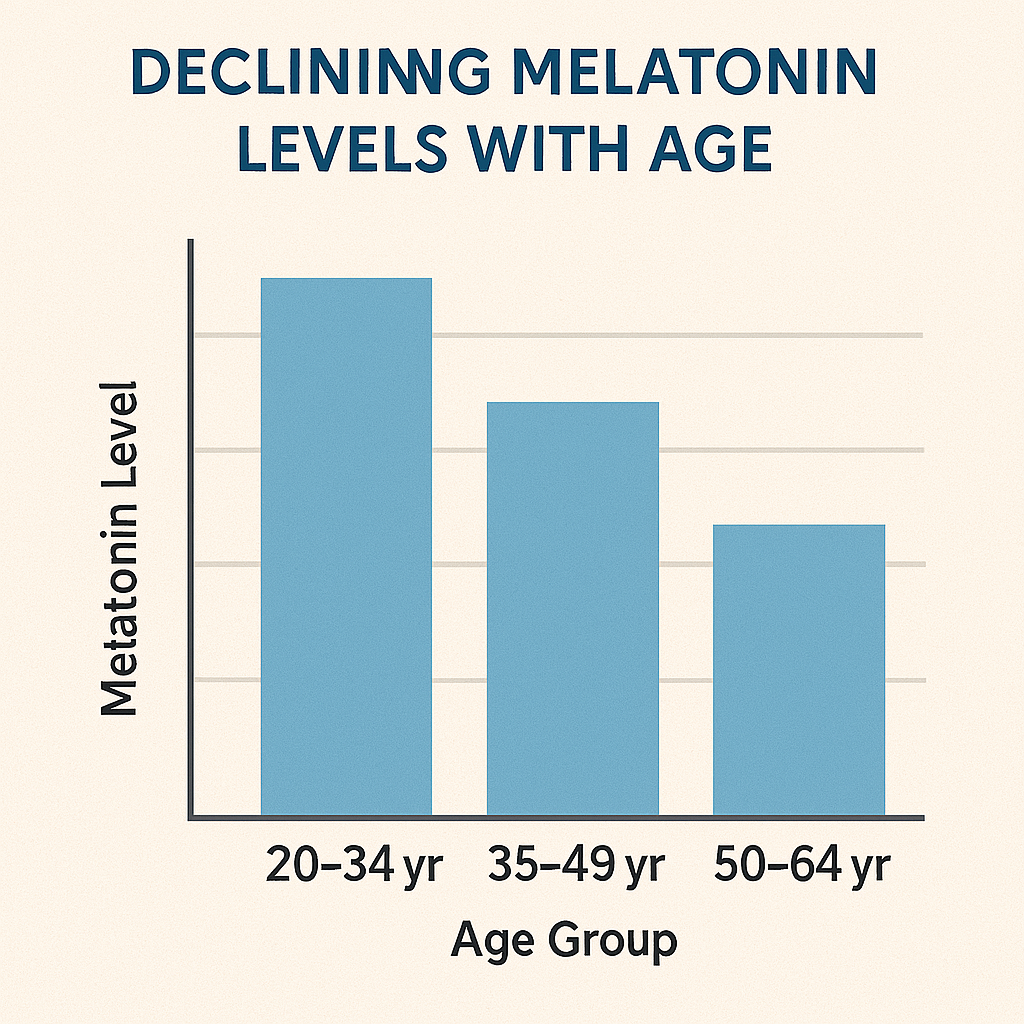
Dr. Ross: Absolutely. Melatonin levels naturally decline with age. Since it’s the hormone that signals your brain it’s time to sleep, lower levels can make falling and staying asleep more difficult.

📚 Scientific Insight: A 1999 study from The Journal of Clinical Endocrinology & Metabolism found that nighttime melatonin levels in older adults can be as much as 50% lower than in younger individuals.
Dr. Kim: How about sleep pressure? Do older adults build up the same need for sleep during the day?
Dr. Ross: Interestingly, sleep pressure — the biological need for sleep — can build up more rapidly in older adults. But their sleep isn’t as efficient, so they don’t get the same rest in the hours they do sleep. That’s part of why they feel more tired during the day.
📚 Scientific Insight: A 2004 article in Neurobiology of Aging concluded that older adults experience faster accumulation of adenosine (a sleep pressure biomarker), but diminished homeostatic response to that pressure.
📝 Sleep Self-Assessment
Is your sleep changing with age? Take this short self-check to reflect on your patterns.
Dr. Kim: I also notice many older adults take naps. Is that helping or hurting their sleep quality?
Dr. Ross: It depends. A short nap — say 20 to 30 minutes — can be beneficial. But long or late-day naps can reduce sleep drive at night, making insomnia worse. Strategic napping is key.
Dr. Kim: And then we have all the lifestyle and health factors — chronic pain, medications, less physical activity.
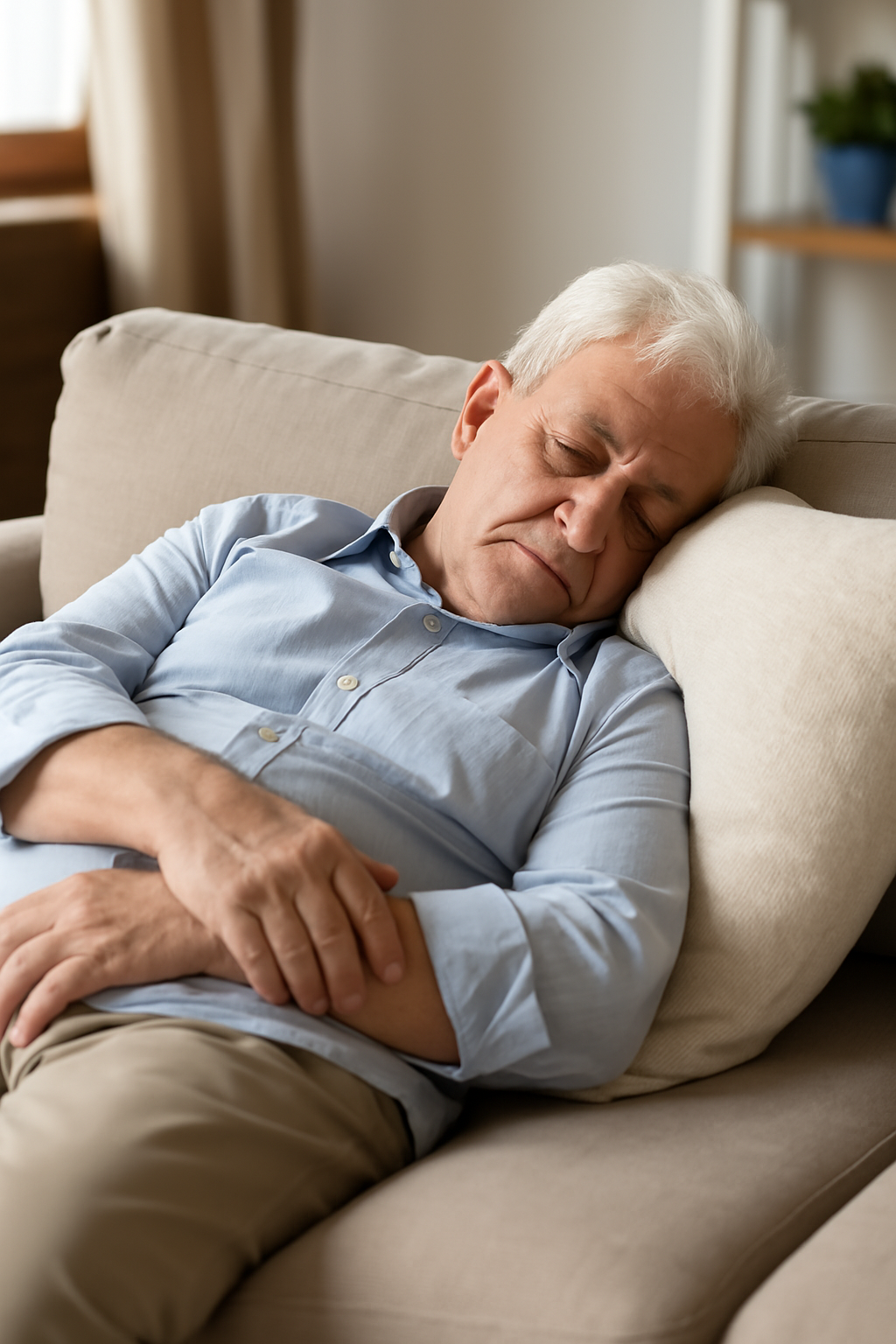
Dr. Ross: Yes, those play a huge role. Many medications interfere with sleep cycles. Conditions like arthritis or nocturia can fragment sleep. Reduced sunlight exposure affects circadian regulation too.
Dr. Kim: So improving sleep in older adults isn’t just about bedtime habits.
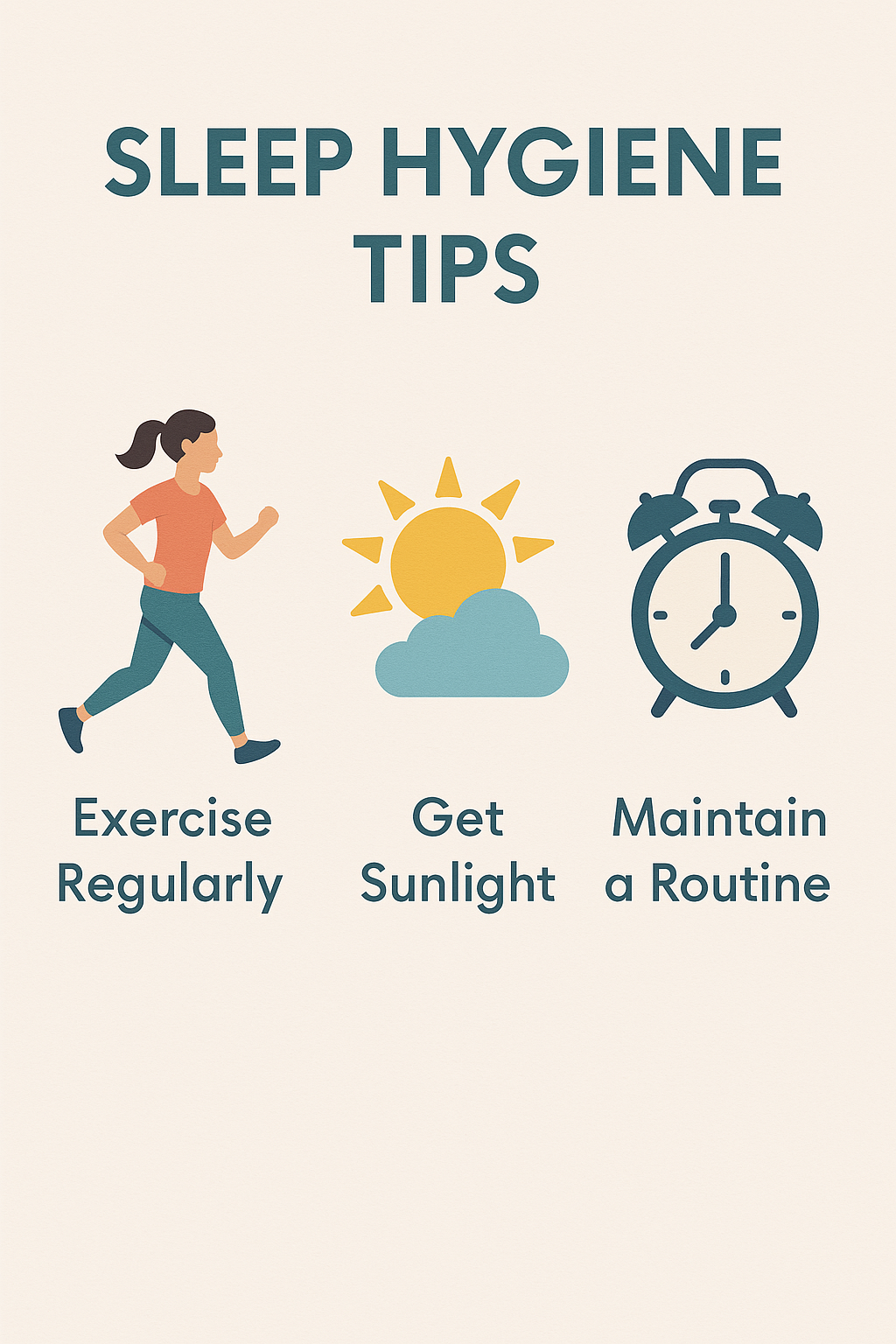
Dr. Ross: Exactly. It’s about a holistic approach: managing health conditions, optimizing light exposure, staying active, and sometimes using sleep-enhancing tools.
🔍 Frequently Asked Questions About Aging and Sleep
Q1: Is it normal to wake up more often at night as we age?
Yes, but it’s not always healthy. Frequent waking can be caused by lighter sleep stages, medical conditions, or medications. While it’s common, it can reduce overall sleep quality and contribute to daytime fatigue. Research in The Lancet Healthy Longevity has shown that fragmented sleep is linked to cognitive decline and cardiovascular risks in older adults.
Q2: Can older adults still get deep sleep?
To some extent. While deep sleep naturally declines, strategies like consistent sleep schedules, physical activity, and limiting caffeine can help maximize restorative sleep. Cognitive behavioral therapy for insomnia (CBT-I) has also been shown to increase slow-wave sleep.
Q3: Should seniors avoid naps altogether?
No. Naps can be helpful if used correctly. The best nap is around 20–30 minutes, ideally before 3 PM, to avoid interfering with nighttime sleep. Studies in Sleep Health support strategic napping for improving mood and cognitive function in seniors.
Q4: How does light exposure impact sleep in aging?
Morning sunlight exposure helps reset circadian rhythms and boost melatonin production at night. Many older adults spend less time outdoors, which can worsen sleep quality. Light therapy has been clinically proven to improve sleep in older adults with insomnia or circadian rhythm disorders.
Q5: Are sleep aids recommended for older adults?
Generally not as a first option. Over-the-counter or prescription sleep aids can have side effects like dizziness or confusion. Behavioral approaches like CBT-I or improving sleep hygiene are preferred. Long-term use of sedatives is linked to increased fall risk and cognitive impairment in the elderly.
✅ Conclusion: Sleep Doesn't Have to Decline With Age
Aging brings unavoidable changes to sleep architecture, circadian timing, and hormone production. However, it doesn't mean poor sleep is inevitable. With the right lifestyle adjustments — including light exposure, physical activity, strategic napping, and careful medication review — older adults can maintain restful, restorative sleep well into later life.
💬 Let’s Talk!
Have you or a loved one noticed changes in sleep with age? What strategies have worked best for you? Drop a comment below and join the conversation!
'Sleep & Recovery' 카테고리의 다른 글
| Why Do Older Adults Wake Up Too Early?-Sleep & Aging series : Part-5 (22) | 2025.04.11 |
|---|---|
| Why Does Sleep Fragment as We Age?-Sleep & Aging series : Part-2 (19) | 2025.04.11 |
| 💩 Magnesium for Sleep: Does It Really Work? (14) | 2025.03.29 |
| 💤 Deep Sleep Decoded: A Real Conversation Between Experts on How to Sleep Better (13) | 2025.03.29 |
| Social Jet Lag: The Hidden Sleep Crisis You Didn’t Know You Had (1) | 2025.03.24 |


