🔍 TL;DR (3-Sentence Summary)
- Histamine intolerance is an often-overlooked condition where the body struggles to break down histamine, leading to a wide range of symptoms including fatigue, anxiety, digestive issues, and brain fog.
- It’s frequently misdiagnosed as allergies, mood disorders, or even autoimmune disease — but it’s rooted in enzyme deficiencies and gut dysfunction.
- With targeted dietary strategies, enzyme support, and gut healing, many people can dramatically reduce their symptoms and restore mental clarity.
🎙️ Moderator (Julia Bennet, Integrative Health Writer):
Welcome to Hidden Triggers, where we explore the root causes behind modern health struggles. Today we’re diving into a condition that’s gaining traction in both research and real life: Histamine Intolerance.
Joining me are two experts:
- Dr. Talia Monroe, functional medicine physician and hormone specialist
- Dr. Evan Sato, gut health researcher and microbiome specialist
🧬 Topic 1: What Is Histamine and Why Do We Need It?
Julia: Let’s start with the basics. What is histamine?
Dr. Monroe:
Histamine is a natural compound involved in immune response, digestion, and neurological signaling. It’s essential — it helps your stomach make acid, supports brain alertness, and responds to injury or allergens.
Dr. Sato:
Exactly. The problem isn’t histamine itself. It’s when your body can’t break it down fast enough — usually due to low activity of an enzyme called diamine oxidase (DAO) or gut lining damage. That’s when histamine starts to accumulate.
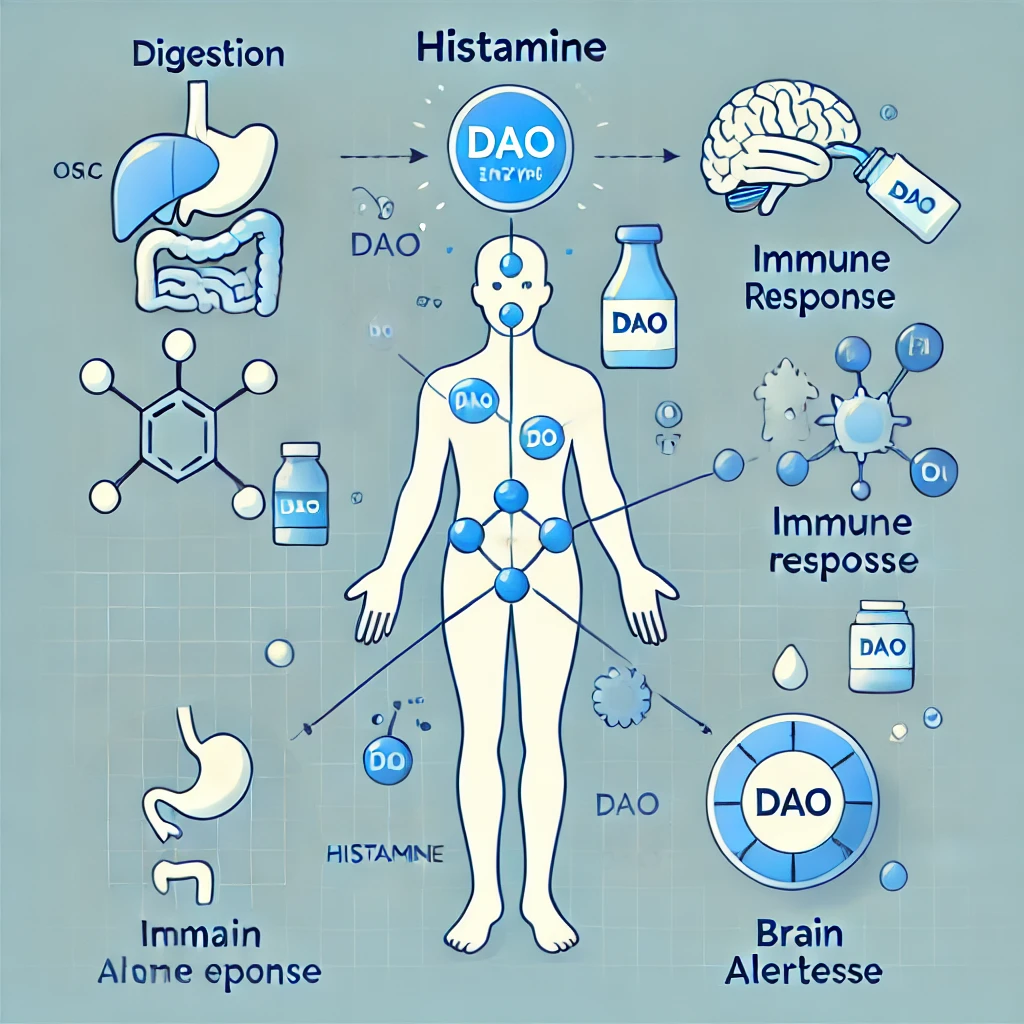
Alt text: "Simple diagram showing histamine functions and how DAO enzyme breaks it down."
🧠 Topic 2: What Happens When Histamine Builds Up?
Julia: What are the symptoms people experience?
Dr. Monroe:
They’re often mistaken for other conditions. People report brain fog, anxiety, panic attacks, headaches, bloating, runny nose, hives, insomnia, and even irregular heartbeat.
Dr. Sato:
Because histamine affects so many systems — nervous, immune, digestive — symptoms can seem unrelated. That’s why many cases go undiagnosed for years.
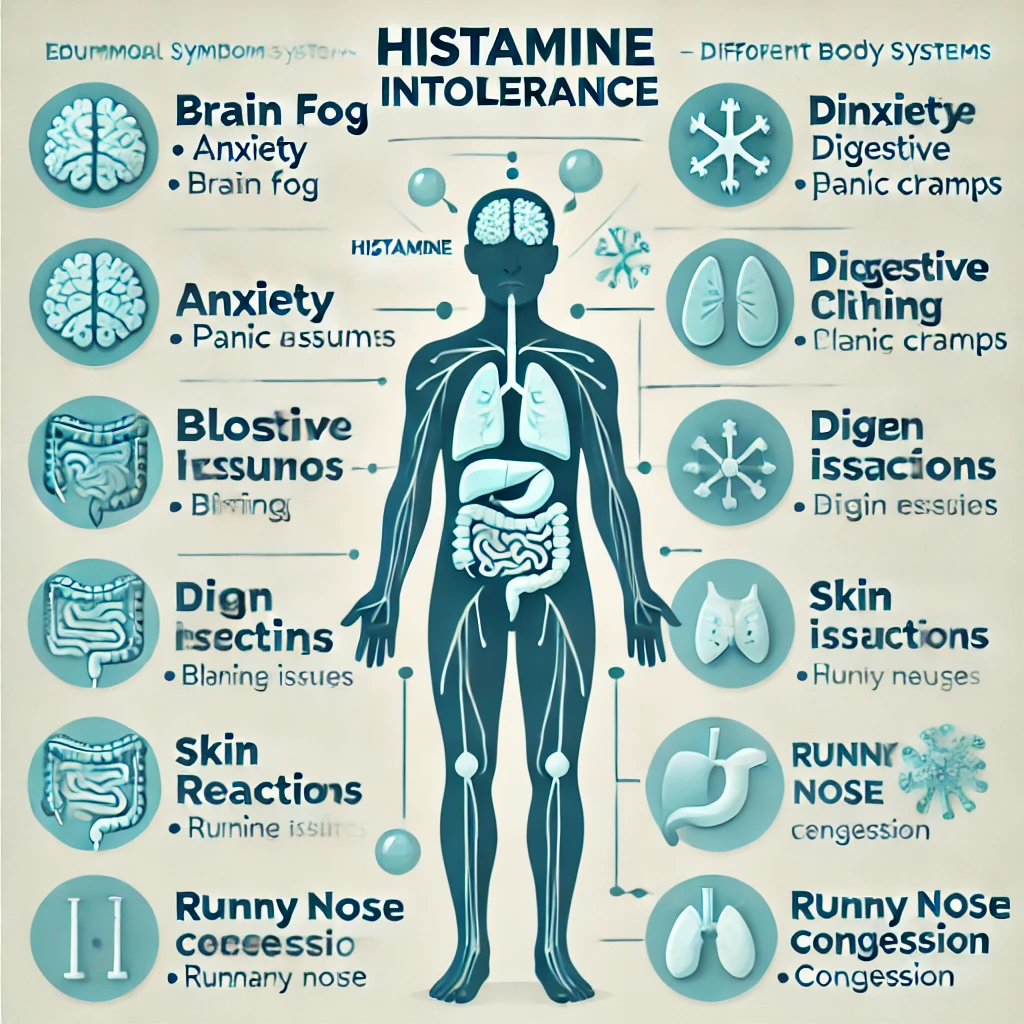
Alt text: "Infographic listing common histamine intolerance symptoms across multiple body systems."
🔍 Topic 3: What Causes Histamine Intolerance?
Julia: Is it genetic? Environmental?
Dr. Monroe:
Both. Some people are born with low DAO activity, but it’s also triggered by things like gut infections, leaky gut, chronic stress, nutrient deficiencies, or certain medications (like NSAIDs, antibiotics, and antidepressants).
Dr. Sato:
And diet plays a huge role. Fermented foods, aged cheeses, alcohol, cured meats, tomatoes, and spinach are naturally high in histamine. Eating too many of these — especially with poor gut health — can tip the balance.
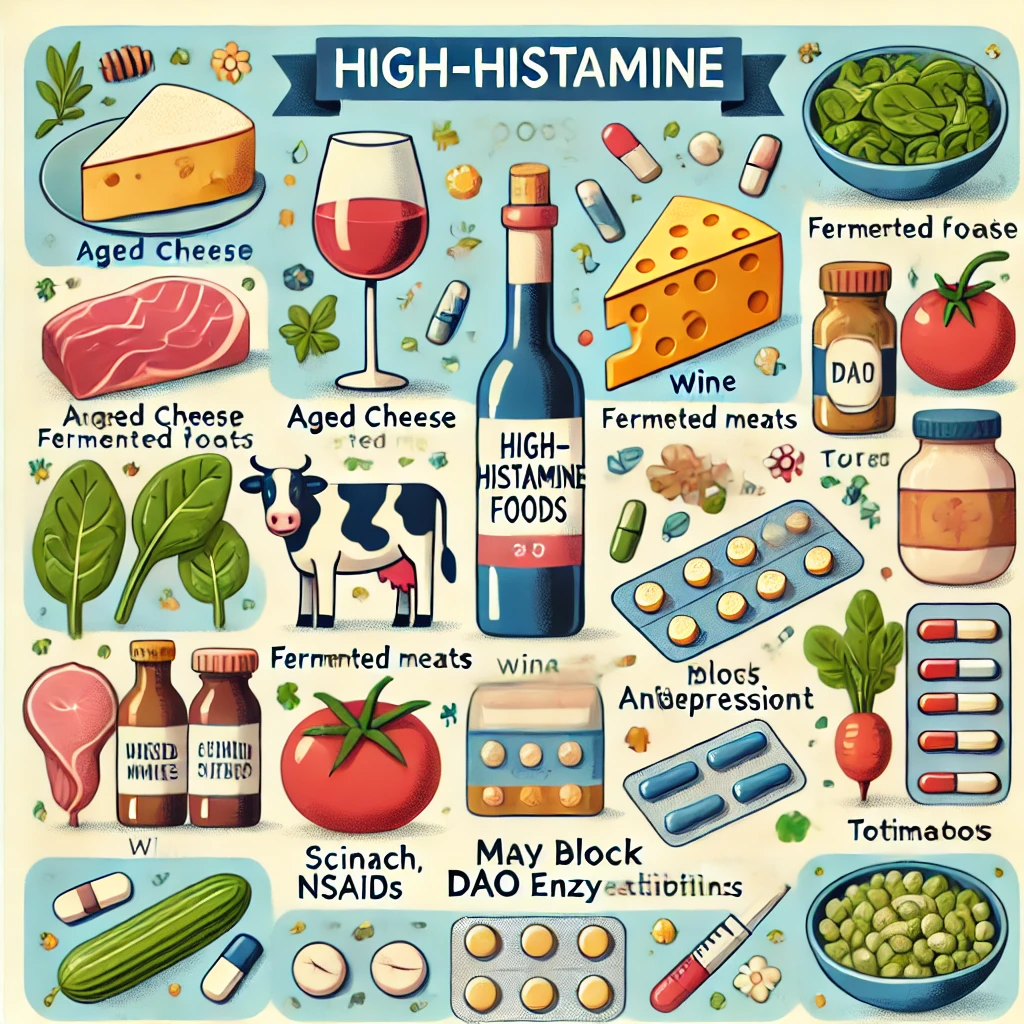
Alt text: "Chart of high-histamine foods and medications that may block DAO activity."
⚖️ Topic 4: How Is It Diagnosed?
Julia: That sounds tricky to pinpoint.
Dr. Monroe:
It is. There’s no single definitive test. Many diagnoses are based on symptom tracking, elimination diets, and response to DAO supplements.
Dr. Sato:
Functional practitioners often combine symptom history with gut health analysis, histamine challenge diets, and sometimes lab testing for DAO levels or histamine metabolites in urine.
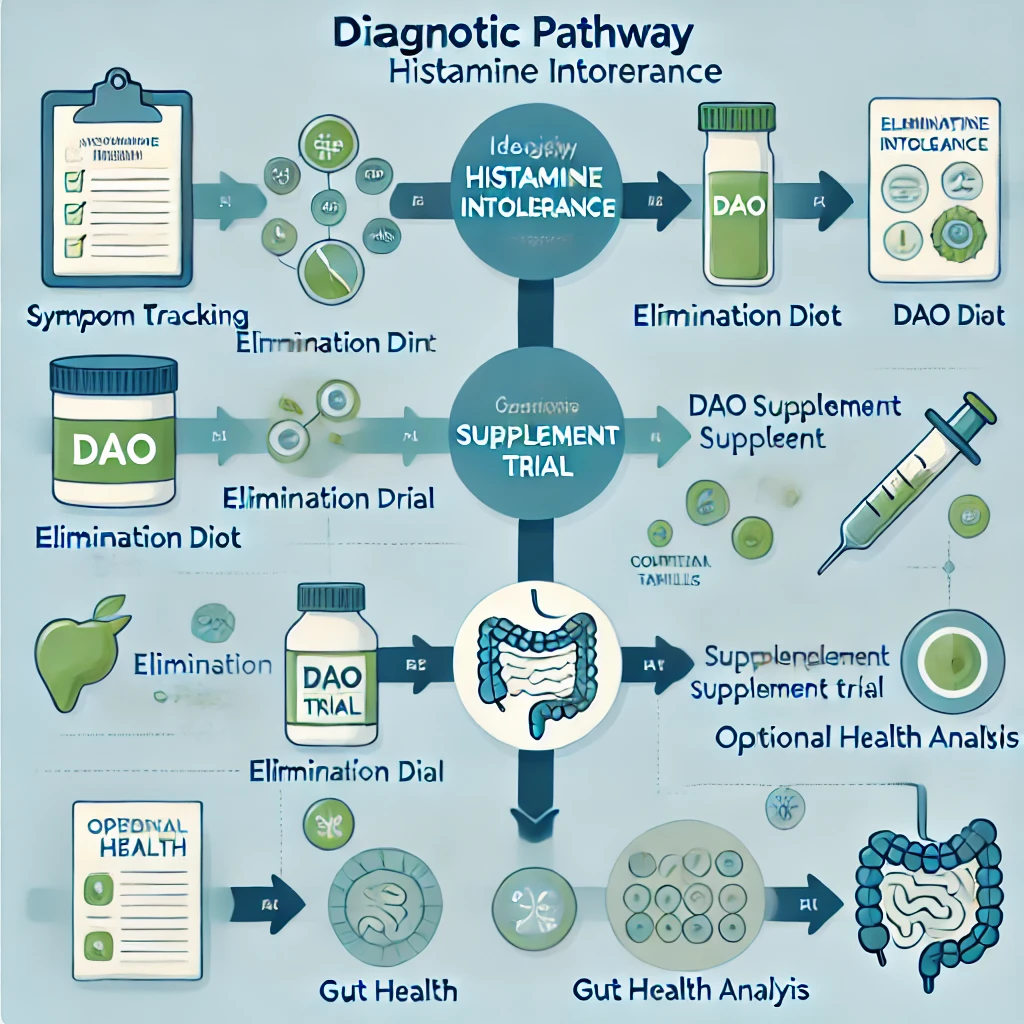
Alt text: "Diagnostic pathway flowchart for identifying histamine intolerance."
🌿 Topic 5: What Can You Do About It?
Julia: So what actually helps?
Dr. Monroe:
Step one is to reduce dietary histamine load — at least temporarily. That means avoiding high-histamine foods and those that block DAO.
Dr. Sato:
Support your gut lining with nutrients like zinc, vitamin C, and quercetin, and restore microbial balance with probiotics. DAO supplements can also help, especially around meals.
Dr. Monroe:
Stress management, good sleep, and avoiding environmental mold can also reduce your body’s histamine burden.
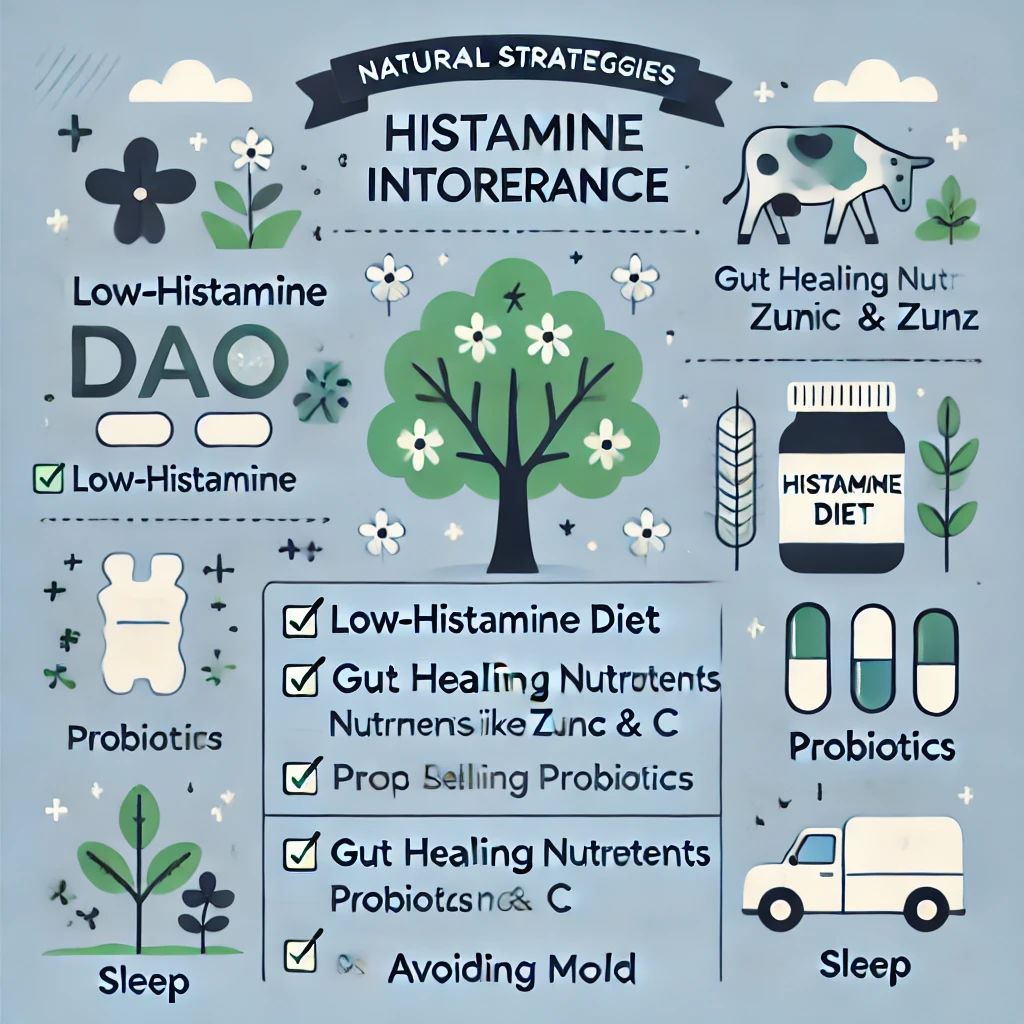
Alt text: "Checklist-style infographic showing natural strategies to manage histamine intolerance."
❓ FAQ: Histamine Intolerance
🌶️ Q1: Is histamine intolerance the same as a food allergy?
A: No. Allergies are immune responses; histamine intolerance is a metabolic imbalance due to poor histamine breakdown.
🍷 Q2: Why do I feel worse after drinking wine or eating cheese?
A: Both are high in histamine and can overwhelm your body’s clearance capacity — especially if your DAO levels are low.
🧪 Q3: Can histamine intolerance go away?
A: In many cases, yes. It can be reversed or improved by healing the gut, improving nutrient status, and reducing histamine exposure.
💊 Q4: Do antihistamines help?
A: Sometimes — but they only block symptoms. Addressing the root cause (like DAO deficiency or gut issues) is more effective long term.
🍽️ Q5: What diet works best?
A: A low-histamine diet, paired with gut healing and possibly DAO supplementation, works best. But it should be personalized with professional guidance.
💬 Have you ever experienced strange reactions to food, stress, or alcohol? It might not be “in your head.” It could be histamine intolerance — and now you know what to do.


