Barometric pressure, inflammation, and the science behind weather-related joint pain
✅ TL;DR (3-Line Summary)
- Drops in barometric pressure before rainstorms can affect joint structures, especially in people with arthritis or inflammation.
- Changes in atmospheric conditions may lead to swelling, stiffness, and nerve sensitivity in joints.
- While weather doesn’t cause joint problems, it can significantly amplify symptoms—and the right strategies can help manage them.
🧠 Expert Dialogue: Dr. Karen (Rheumatologist) & Dr. Theo (Atmospheric Physiologist)
Dr. Theo: Karen, I’ve been asked more times than I can count: “Is it going to rain? My knees are acting up.” Is there any science behind that old saying?
Dr. Karen: Absolutely—and it’s not just an old wives’ tale. A growing body of research suggests that drops in barometric pressure, especially just before a rainstorm, can worsen symptoms in people with arthritis, fibromyalgia, or other chronic joint conditions.
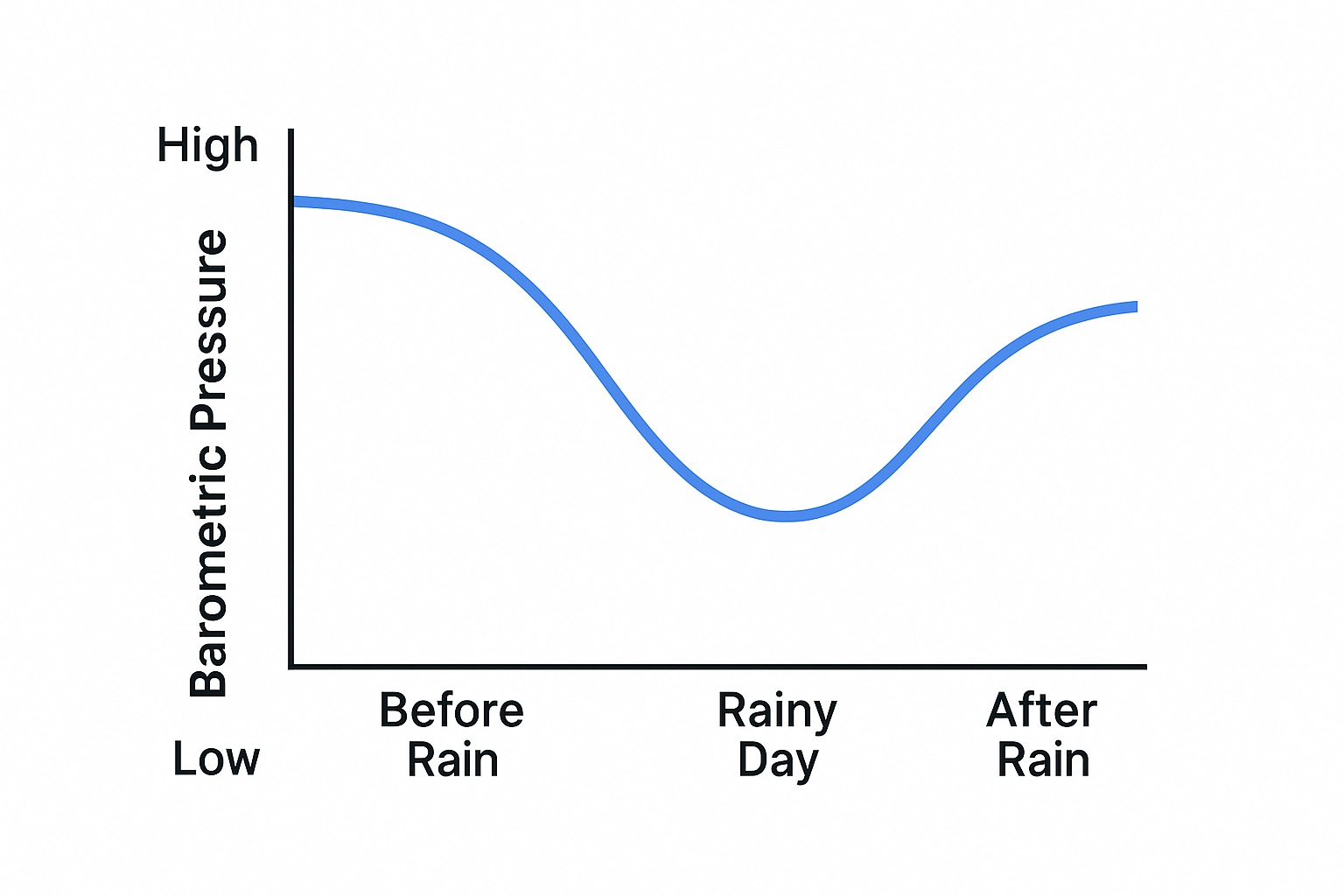
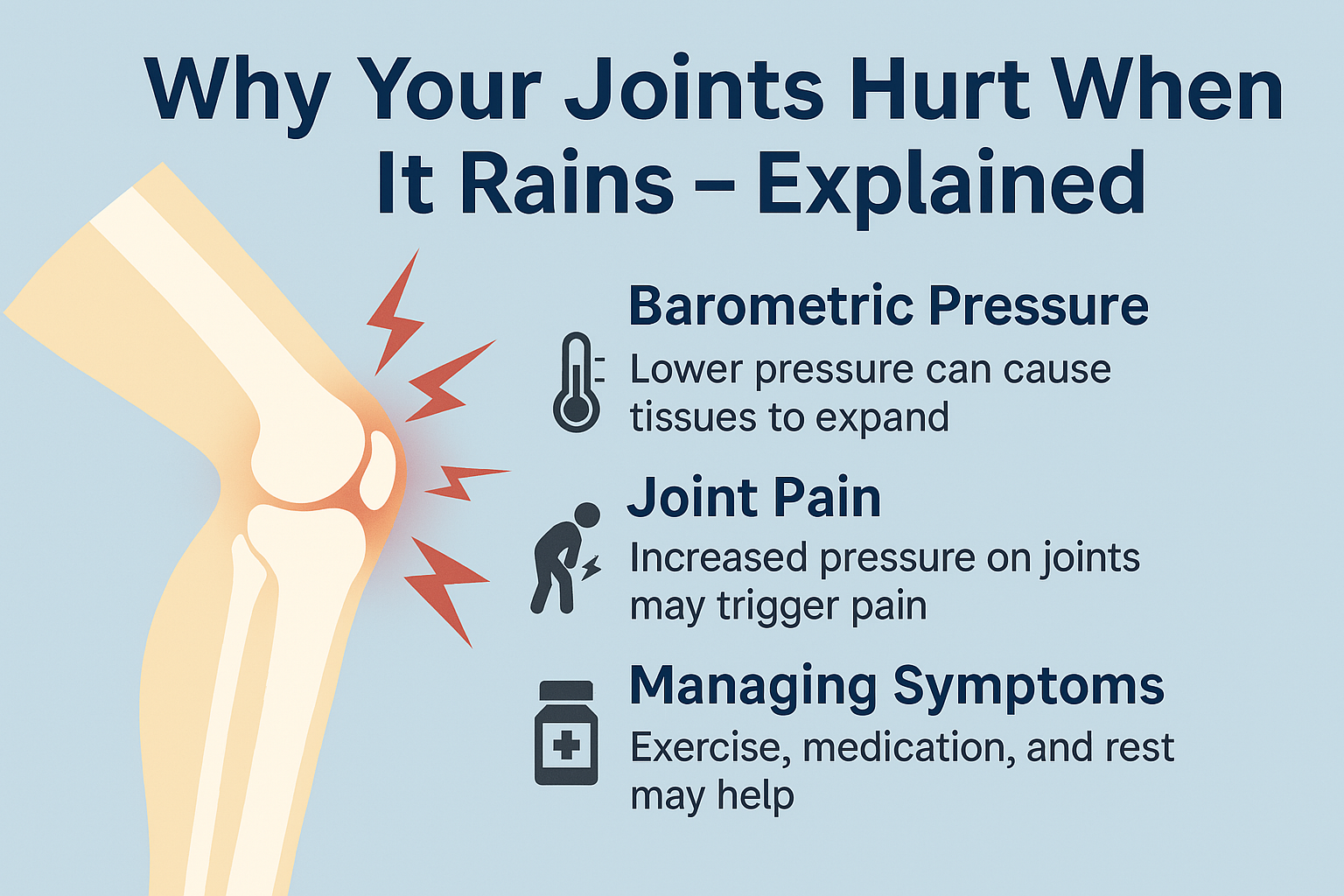
Dr. Theo: That makes sense from a physics standpoint. When barometric pressure drops, there's less atmospheric force pushing against the body. That could allow tissues in the joints to expand slightly, leading to swelling and irritation.
Dr. Karen: Right. Especially in inflamed joints, like in osteoarthritis, where cartilage is already degraded and nerves are more exposed. Even subtle changes in pressure can increase pain receptor sensitivity.
Dr. Theo: But it’s not just pressure, is it? Humidity, temperature, wind speed—all of those seem to interact.
Dr. Karen: Yes, but barometric pressure is the biggest trigger. A 2015 study in the journal Pain found that people with chronic pain conditions like arthritis or migraine reported increased pain most consistently when pressure dropped suddenly—even if temperature remained stable.
☔ Joint Pain & Rain Sensitivity – Personalized Self Check
🔍 What Happens Inside Your Joints When It Rains
- Synovial fluid may become more viscous in colder, damp air
- Capsule tissue surrounding joints can swell due to less external pressure
- Inflamed tissues push against sensitive nerve endings
- Reduced circulation in cold, moist weather may worsen stiffness
Dr. Theo: Is there a reason why older adults or people with arthritis seem more affected?
Dr. Karen: As we age, cartilage wears down, and the joint lining becomes thinner. That makes nerves more susceptible to external stressors, including pressure and humidity. It’s like removing insulation around a wire—everything becomes more reactive.
Dr. Theo: And what about fibromyalgia or chronic fatigue syndrome? Those don’t involve structural joint issues per se.
Dr. Karen: True, but both involve central sensitization—where the nervous system becomes hyper-reactive. In those patients, even minor shifts in weather can trigger widespread pain.
📊 Key Research Findings
- A 2019 UK Biobank study found a link between humidity, low pressure, and increased joint pain reports among over 2,500 arthritis patients.
- MRI studies have shown increased joint fluid retention and swelling during low-pressure periods.
- Patients with weather sensitivity often report pain flares 12–24 hours before rain begins.
🌀 Beyond the Joints: Mood, Sleep & Circulation
Dr. Theo: There’s also a neuropsychological component, isn’t there? Some people feel more tired, depressed, or anxious during low-pressure systems.
Dr. Karen: Yes, low-pressure weather systems have been linked to changes in serotonin activity, melatonin production, and even blood viscosity. That can make pain feel worse and recovery slower.
Dr. Theo: It’s a full-body cascade, not just a knee or shoulder issue.
Dr. Karen: Exactly. That’s why we’re now recommending more holistic strategies—like combining movement, heat therapy, mood support, and barometric tracking for pain-prone patients.
🔧 Management Strategies for Rain-Related Joint Pain
- Stay warm and layered: Heat improves blood flow and reduces stiffness
- Use heat packs: Local heat helps relieve fluid pressure in joints
- Gentle movement: Stretching, tai chi, or joint mobility exercises
- Track weather patterns: Use apps to anticipate low-pressure periods
- Stay hydrated: Dehydration worsens joint stiffness and muscle tension
- Support your mood: Light therapy and serotonin-boosting foods help reduce pain perception

🙋♀️ FAQ – Rain & Joint Pain
Q1. Is joint pain before it rains real or psychological?
It's real. Multiple studies have shown physical changes in joint tissues during drops in barometric pressure, especially in people with arthritis or nerve hypersensitivity.
Q2. Why does my pain start before it actually rains?
Barometric pressure usually starts to fall 12–24 hours before rainfall. That pressure drop—not the rain itself—is what your body reacts to.
Q3. Does everyone feel joint pain from weather changes?
No. Pain sensitivity to weather varies. Factors include age, inflammation level, hydration, sleep quality, and nervous system sensitivity.
Q4. Are certain joints more sensitive to weather?
Yes. Weight-bearing joints like knees and hips, and frequently-used joints like hands and shoulders, are commonly affected.
Q5. Can pain be prevented with medication?
Over-the-counter NSAIDs may help during high-pain periods, but non-drug strategies—like warmth, stretching, and barometric awareness—are often more sustainable.
Q6. Are there any tools to track pain and weather together?
Yes! Apps like MyPainDiary, WeatherX, and PainCast let you log pain levels alongside weather changes to identify personal patterns.

🧭 Final Thoughts: Weather as a Wellness Signal
Pain before it rains isn’t just folklore—it’s a measurable, physiological response in a sensitized body.
If your joints seem to predict the weather better than your local meteorologist, you’re not imagining it.
Instead of fearing it, use that awareness as a biofeedback tool. With the right habits, environmental understanding, and support strategies, you can stay mobile, balanced, and pain-aware, no matter the forecast.
💬 Let’s Hear From You!
Do your joints react to the weather?
What tips have helped you cope on rainy days?
👉 Share your story in the comments. Let’s make pain awareness part of prevention—together.


