How damp environments can aggravate chronic pain, swelling, and immune response
✅ TL;DR (3-Line Summary)
- High humidity can worsen inflammation and chronic pain by affecting tissue pressure, sweat evaporation, and immune responses.
- Conditions like arthritis, fibromyalgia, and eczema are often aggravated in humid environments.
- The body’s ability to regulate inflammation depends on both internal homeostasis and external climate control.
👩⚕️ Expert Dialogue: Dr. Marla (Immunologist) & Dr. James (Environmental Physiologist)
Dr. Marla: James, most people think of humidity as just uncomfortable—but for patients with chronic inflammatory conditions, it can be more than that. It can be debilitating.
Dr. James: I hear that often, especially from people with joint pain, skin inflammation, or autoimmune flares. Humid air increases atmospheric water vapor, which can cause the extracellular fluid in tissues to expand. That puts mechanical pressure on nerves and capillaries.
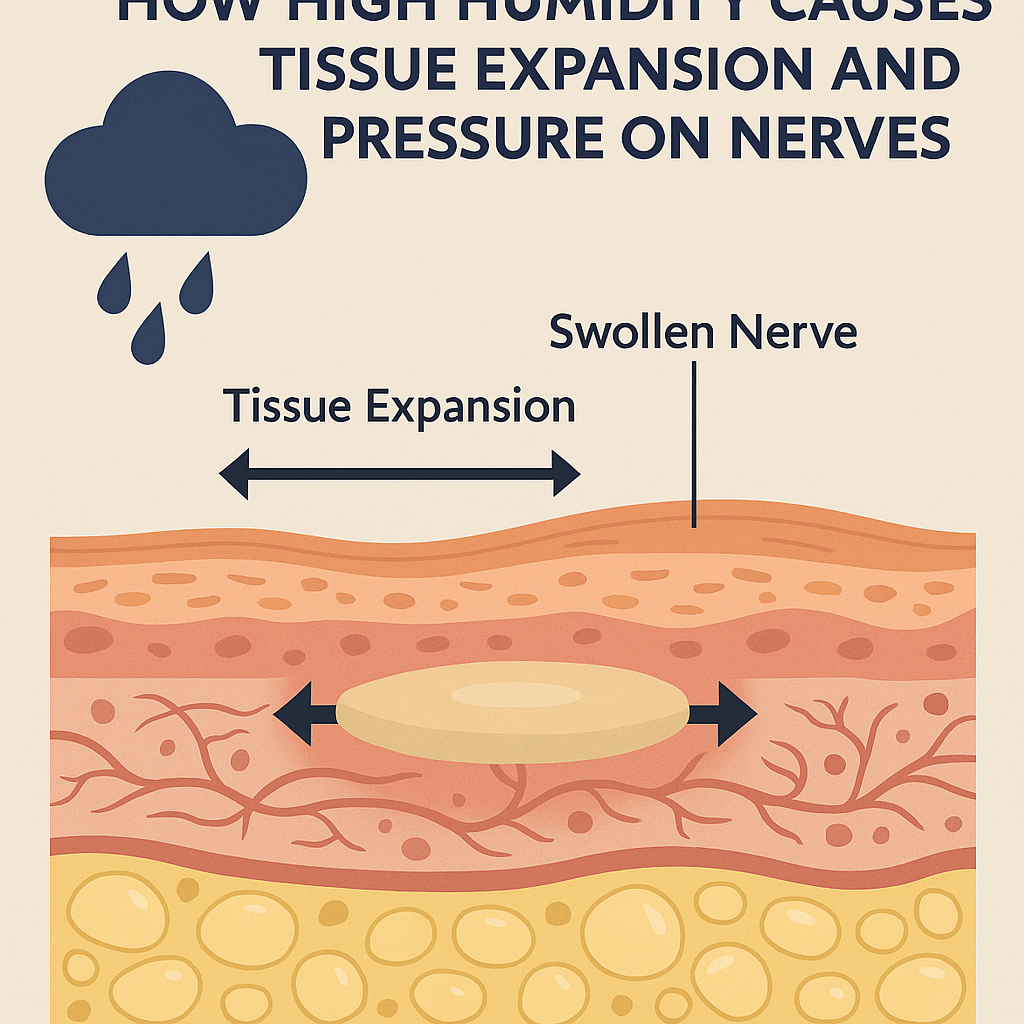
Dr. Marla: And let’s not forget the role of baroreceptors. These pressure sensors in the body become more reactive in moist, low-pressure environments, which may increase pain signaling pathways, especially in patients with fibromyalgia or RA.
💧 Humidity & Inflammation Self-Assessment
🔬 How Humidity Affects the Body at a Cellular Level
- Water retention increases in connective tissues, leading to swelling
- Sweat evaporation slows, impairing heat and toxin release
- Skin barrier function weakens, increasing susceptibility to flare-ups
- Blood vessel dilation in response to heat/humidity triggers inflammation
- Cytokine activity may increase due to immune system stress
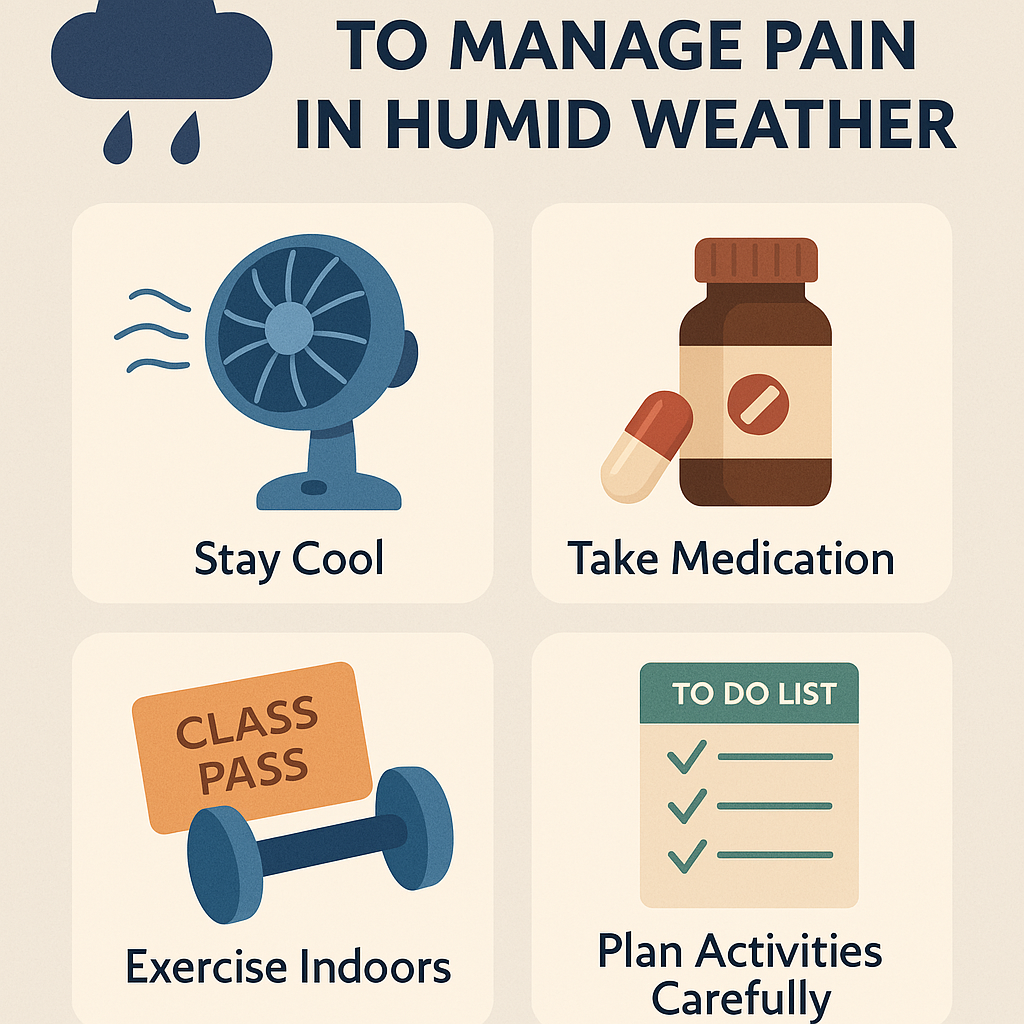
Dr. James: One thing patients notice is a sense of heaviness or puffiness, especially in hands, feet, or joints.
Dr. Marla: That’s because excess moisture interferes with the lymphatic system, which is crucial for draining waste and managing inflammation. When the system slows, inflammatory proteins like TNF-alpha and interleukins hang around longer than they should.
📊 Conditions Often Worsened by High Humidity
- Rheumatoid arthritis (RA): more joint swelling and stiffness
- Osteoarthritis (OA): higher pain intensity during humid seasons
- Fibromyalgia: increased allodynia and fatigue
- Eczema/psoriasis: more itching and flare-ups
- Migraine: higher incidence during humid heatwaves
- Asthma: airway inflammation worsened by mold & allergens
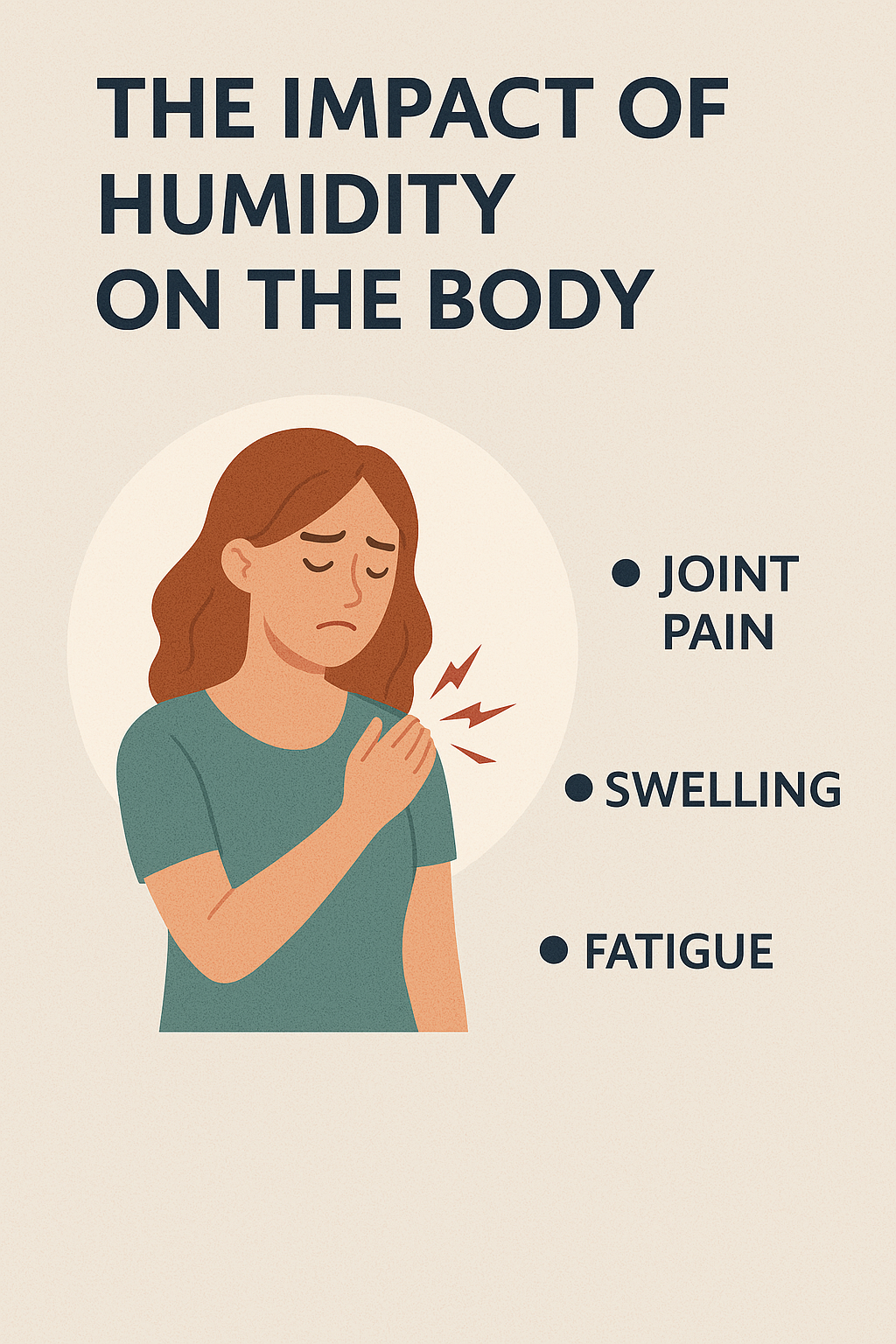
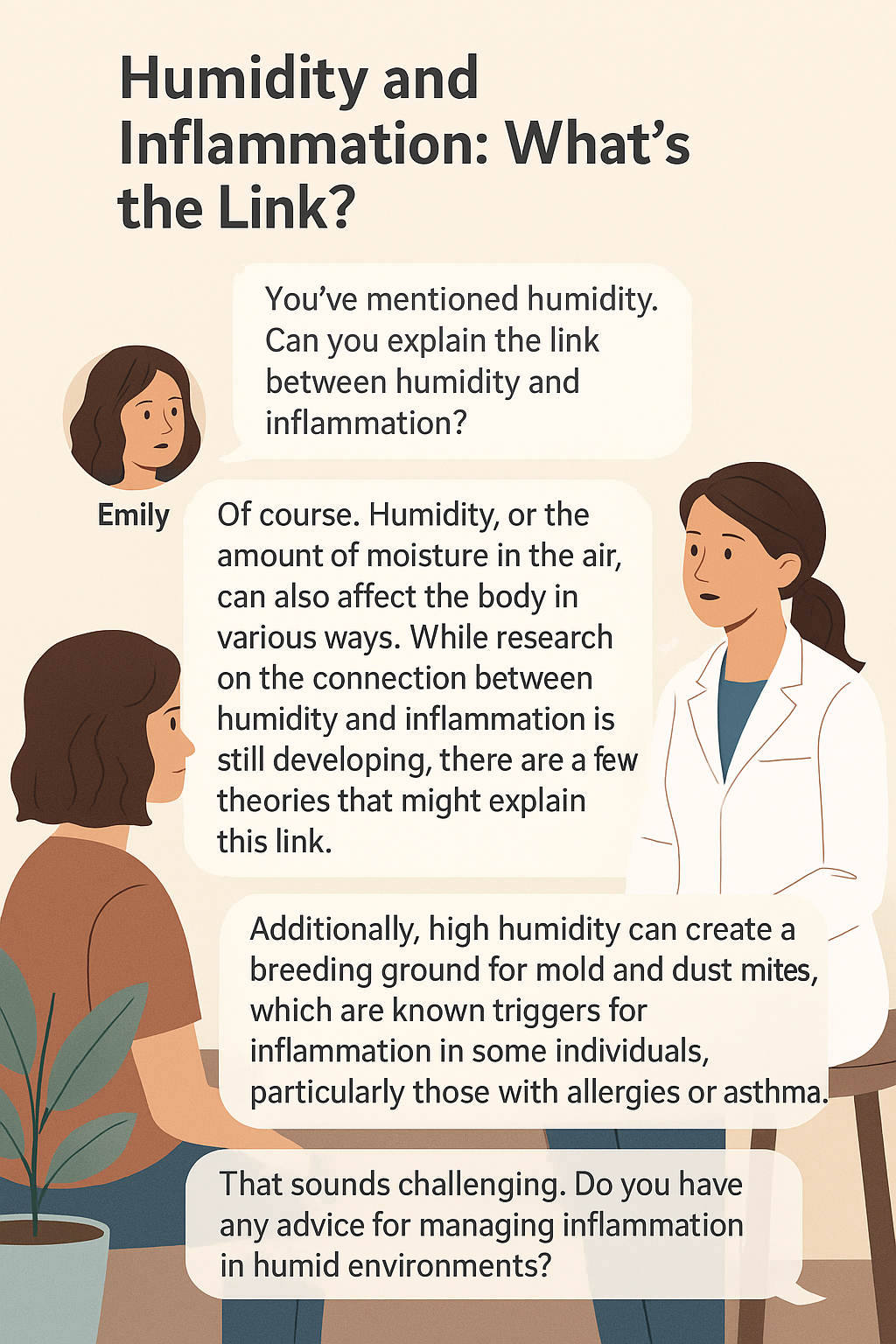
Dr. James: Another overlooked factor is mold and indoor allergens. High humidity environments often breed dust mites and mold spores—major immune system irritants that amplify inflammation in the gut, lungs, and skin.
Dr. Marla: Exactly. Many of my autoimmune patients don’t realize they’re breathing in hidden inflammatory triggers, especially in homes without dehumidifiers or proper ventilation.
🏠 Environmental Triggers That Increase Inflammation
- Relative humidity over 60%
- Poor indoor ventilation
- Hidden mold in HVAC systems
- Dust mite populations in bedding
- Synthetic carpets and furniture that trap moisture
- Shower rooms or basements without airflow
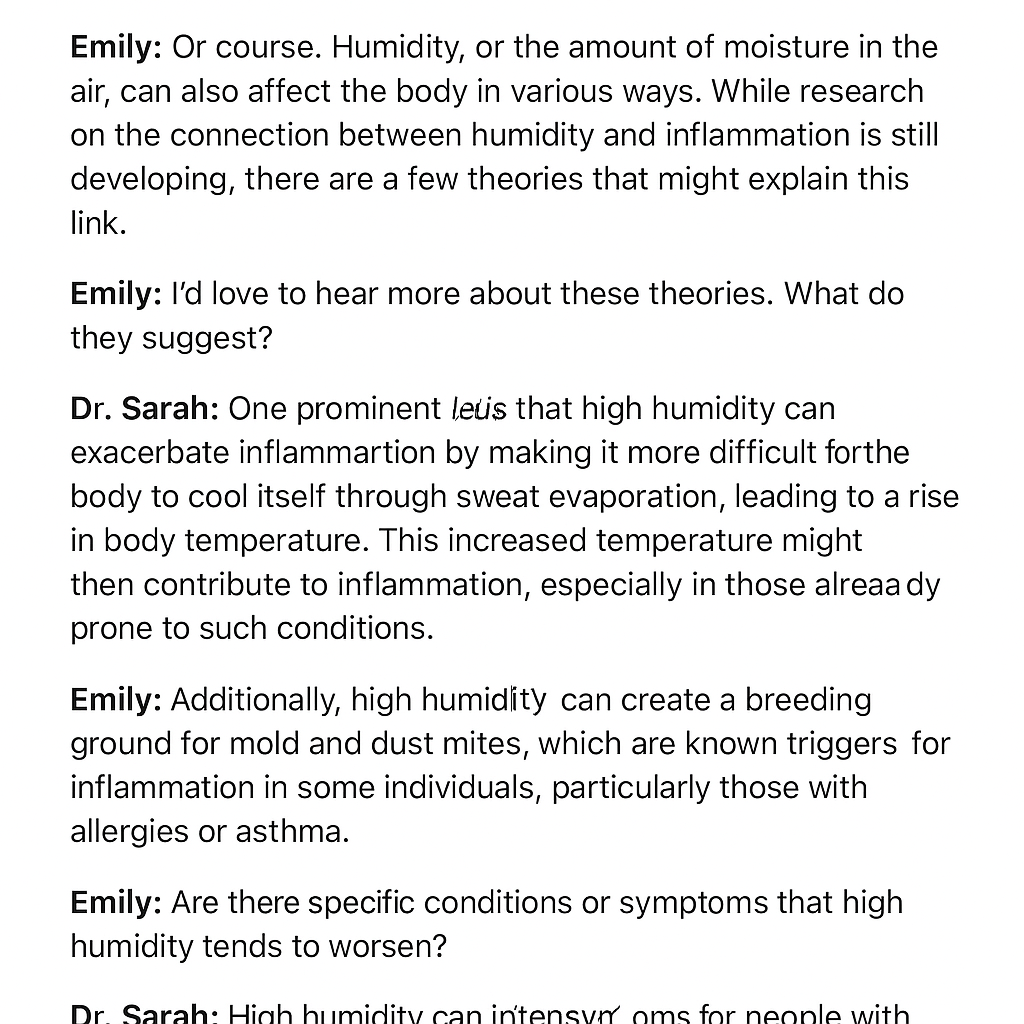
🌿 What You Can Do to Lower Humidity-Driven Inflammation
Dr. Marla: The goal isn’t to fear moisture—but to control your microclimate. That starts with tracking and modifying humidity inside your living space.
Dr. James: I recommend patients use digital hygrometers to monitor indoor air, and aim to stay between 40–50% RH (relative humidity). Also, be mindful of clothing—synthetic fabrics can trap heat and sweat.
✅ Daily Strategies to Stay Comfortable in Humid Conditions
- Use dehumidifiers and air purifiers in closed rooms
- Avoid long hot showers—ventilate bathrooms immediately after use
- Wear breathable, moisture-wicking fabrics (cotton, bamboo)
- Clean AC filters and look for mold buildup
- Eat anti-inflammatory foods (berries, greens, turmeric, omega-3s)
- Drink enough water—hydration supports lymphatic function
- Stretch daily to stimulate circulation and lymphatic drainage
🙋♀️ FAQ – Humidity & Inflammation
Q1. Can humidity really make arthritis or joint pain worse?
Yes. Humidity can cause tissue swelling, restrict lymph flow, and impair cooling. This increases mechanical pressure and inflammatory pain, especially in joints.
Q2. Why do I feel more tired or puffy when it’s humid?
Excess moisture slows sweat evaporation and increases water retention in tissues, often leading to fatigue, bloating, and joint heaviness.
Q3. Is high humidity dangerous for autoimmune conditions?
It can be. It worsens inflammation, impairs detoxification, and increases environmental triggers like mold, which can spark autoimmune flares.
Q4. Can humid air trigger skin issues like eczema or psoriasis?
Yes. Humid environments weaken the skin barrier, increase sweating, and expose the skin to microbial overgrowth—leading to flare-ups.
Q5. What humidity level is best for people with inflammation?
Aim for 40–50% indoor relative humidity. Too low causes dryness and irritation, while too high increases swelling and mold risk.
Q6. Can I naturally support my body during humid seasons?
Yes. Focus on anti-inflammatory diets, movement, good air circulation, clean fabrics, and stress reduction. Even breathing exercises can improve lymphatic flow and inflammation control.
🧭 Final Thoughts: Make Peace with the Air You Live In
Humidity isn't just a weather annoyance—it’s a biological stressor for many with chronic pain and inflammation.
But with knowledge and daily action, you can reduce its impact, restore comfort, and protect your health—regardless of the climate.
Control your air. Support your body. Live with ease.
💬 Let’s Talk
Does your pain or fatigue get worse in humid environments?
Do you use tools or routines that help?
👉 Drop your thoughts in the comments! Your experience may help someone else feel better tomorrow.


