Exploring the science behind joint pain, stiffness, and winter’s bite.
✅ TL;DR (3-Line Summary)
- Cold weather does not cause arthritis, but it can exacerbate symptoms like pain, stiffness, and reduced mobility.
- The likely culprits include temperature-related vasoconstriction, increased joint fluid viscosity, and barometric pressure shifts.
- With the right strategies, you can keep your joints warm, loose, and resilient—even in the dead of winter.
👩⚕️ Expert Dialogue: Dr. Lily (Rheumatologist) & Dr. Evan (Sports Medicine Physician)
Dr. Lily: Evan, cold weather and arthritis—it’s a classic combination people complain about every winter. But is there any real science behind it?
Dr. Evan: There is, actually. Cold itself doesn’t cause joint damage, but it does trigger symptoms in people with existing arthritis—especially osteoarthritis and rheumatoid arthritis. The cold leads to vasoconstriction, reducing blood flow to muscles and joints. That causes stiffness and pain.
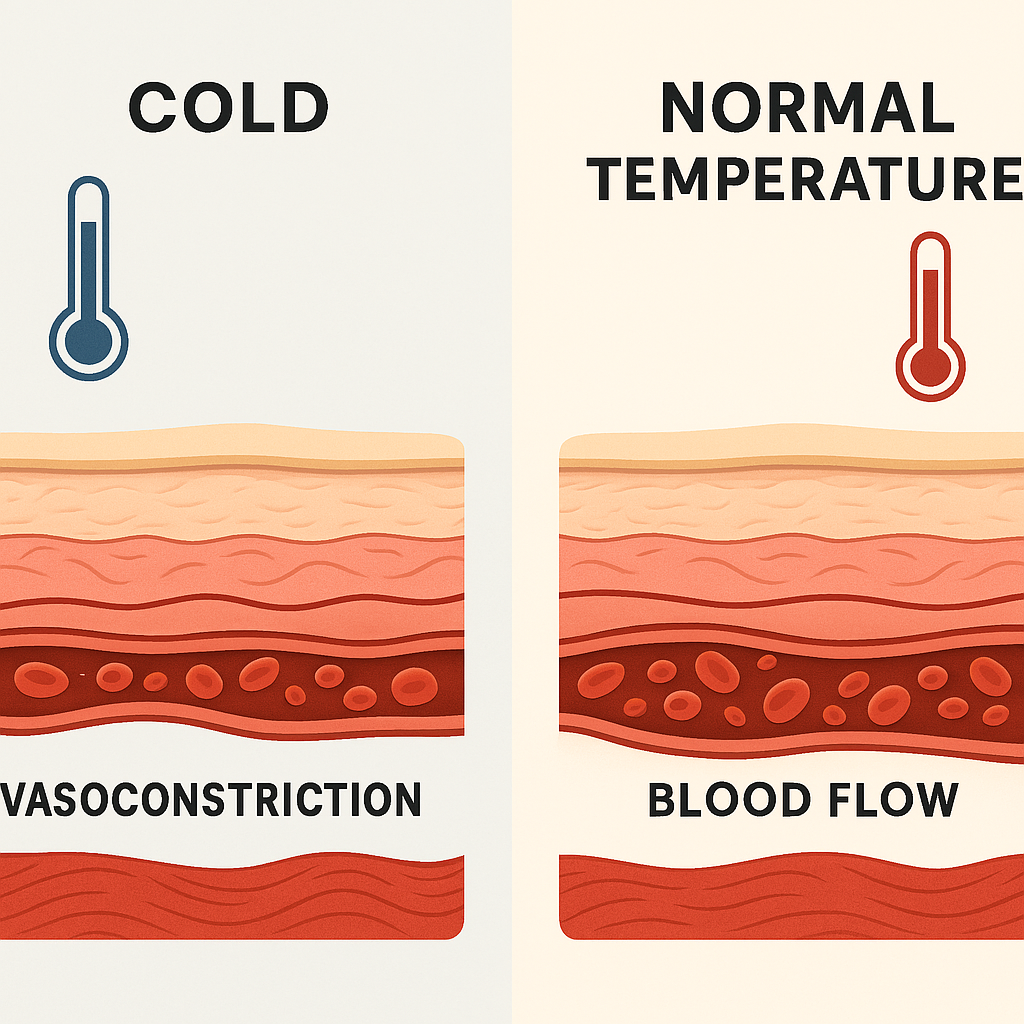
Dr. Lily: And let’s not forget synovial fluid—the lubricating fluid in our joints. It tends to thicken in colder temperatures, making joints less mobile and more prone to creaking or tightness.
Dr. Evan: That’s a key point. Cold also makes muscles less elastic, increasing the strain around already-sensitive joints. The result? Pain, restricted range of motion, and morning stiffness that lingers longer than usual.
❄️ Cold Weather & Arthritis – Self-Assessment
🔬 What Cold Weather Actually Does to Your Body
- Vasoconstriction: Narrows blood vessels, reducing oxygen flow to joints
- Thicker synovial fluid: Slows joint movement and creates stiffness
- Tissue contraction: Cold air tightens tendons and ligaments
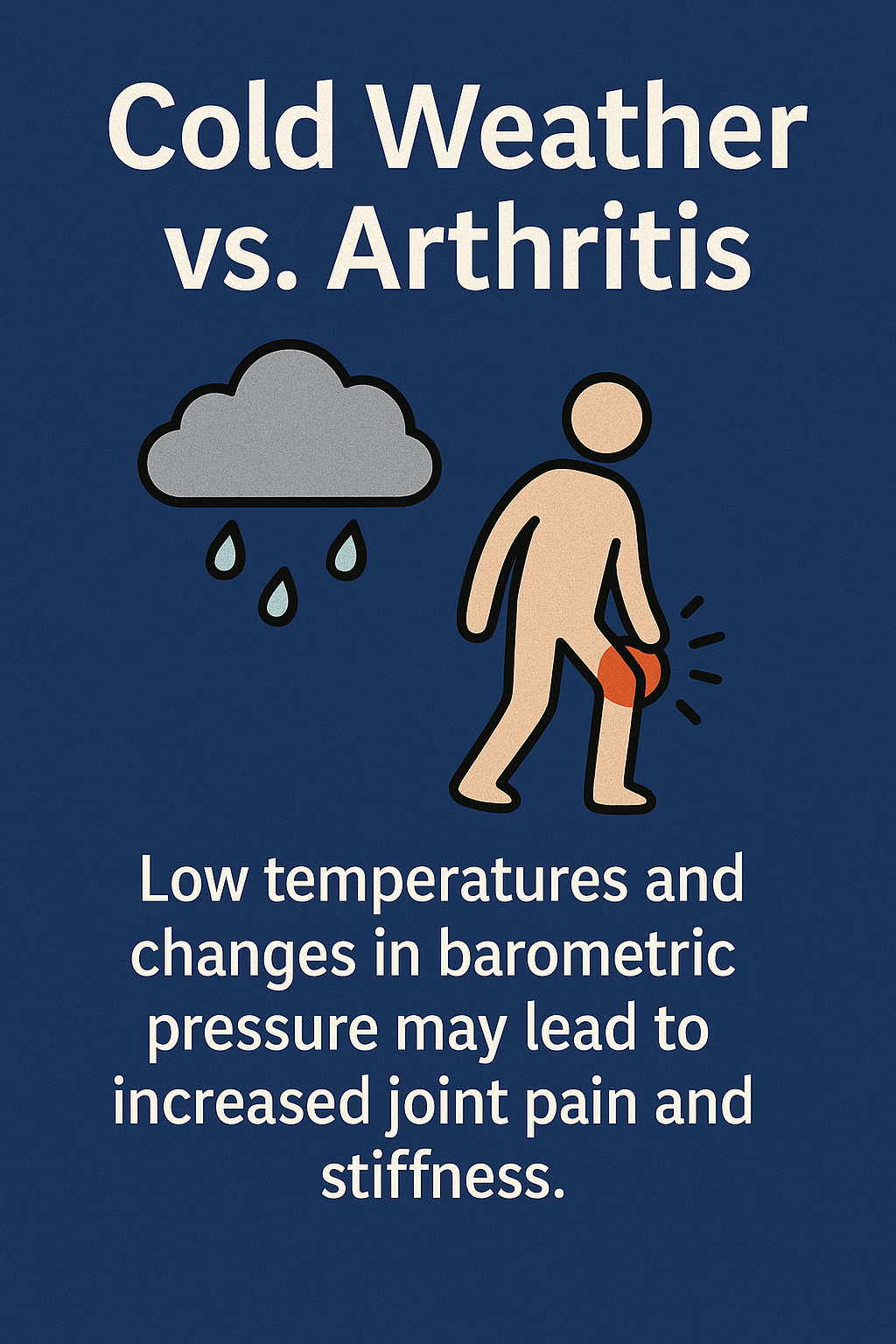
- Pressure shifts: Lower barometric pressure may increase joint swelling
- Increased sedentary behavior: Cold keeps people less active, compounding stiffness
Dr. Lily: We also see that patients move less in winter, which leads to joint stagnation. Without movement, joint capsules tighten, and inflammation can accumulate.
Dr. Evan: Exactly. Even a few minutes of daily movement can counteract that. But I also see an uptick in injuries from people skipping warm-ups when it’s cold. That’s a recipe for flare-ups.

🧪 Research Spotlight
- A 2017 study published in Rheumatology International found that 67% of arthritis patients reported increased joint stiffness and pain in winter months, especially in the knees and hips.
- A meta-analysis (2021) showed cold exposure increased pain scores by up to 20% in people with osteoarthritis.
- Another study linked cold sensitivity to depression and pain perception, showing how mental health intertwines with winter joint discomfort.
🧭 Symptoms That Worsen in Cold Weather
- Morning stiffness that lasts longer than 30 minutes
- Sharp, stabbing pain in knees, hands, and feet
- Heaviness or "grinding" sensation in joints
- Swollen, red, or inflamed areas—especially after inactivity
- Decreased range of motion during cold spells

🧤 What You Can Do: Winter Joint Survival Guide
Dr. Evan: So what’s your go-to recommendation for patients during cold snaps?
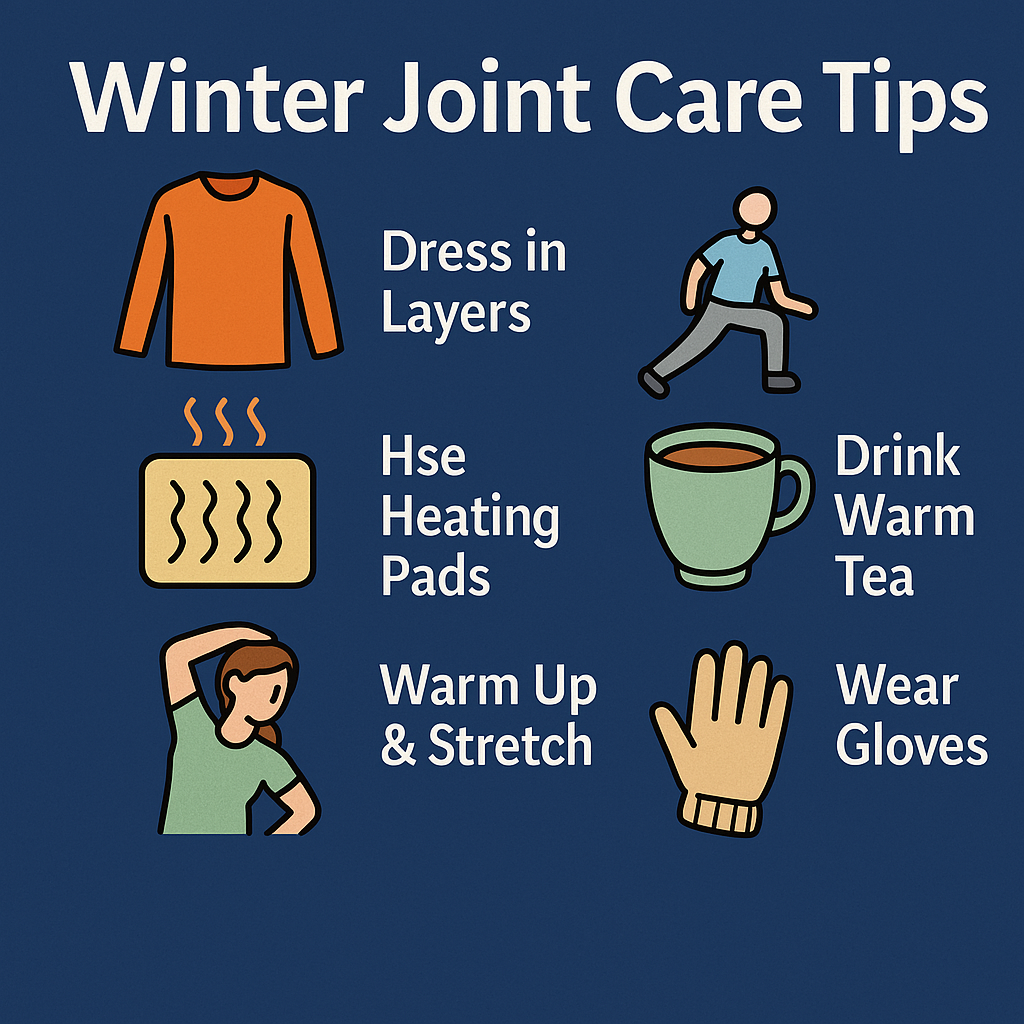
Dr. Lily: Keep the joints warm and moving. That means layered clothing, indoor stretches, and warming tools like heating pads or warm showers in the morning. Also, stay hydrated—dehydration is common in winter and worsens joint issues.
Dr. Evan: Great point. I also recommend low-impact activities like walking indoors, swimming in heated pools, or gentle yoga. Even 10 minutes can prevent that “cemented” joint feeling.
🧰 Simple Solutions for Cold-Induced Joint Pain
- Thermal wear: Gloves, thermal socks, and knee sleeves
- Heated blankets or pads for stiff areas
- Dynamic stretching: Do it before AND after going outside
- Warm liquids: Herbal teas help reduce stiffness and hydrate
- Anti-inflammatory diet: Rich in omega-3s and antioxidants
- Regular sleep: Cold can disrupt circadian rhythm and pain tolerance
☁️ Cold vs. Humidity vs. Pressure – What’s Really to Blame?
Dr. Lily: It’s rarely just one thing. Cold air, barometric pressure, and humidity often work together. Some patients flare when it’s dry and freezing, others when it’s damp and cold.
Dr. Evan: That’s where personalized tracking helps. Logging pain against weather patterns can reveal what affects you most. Tools like weather-pain diary apps are increasingly popular.
🙋♀️ FAQ – Cold Weather & Arthritis Pain
Q1. Does cold weather cause arthritis?
No. Cold weather doesn’t cause arthritis but can aggravate existing joint inflammation, especially in those with degenerative or autoimmune joint conditions.
Q2. Why do joints feel tighter or more painful in winter?
Cold constricts blood vessels (vasoconstriction), reduces joint fluid mobility, and tightens surrounding tissues—all of which increase stiffness and pain.
Q3. Are certain people more sensitive to cold-induced joint pain?
Yes. People with rheumatoid arthritis, osteoarthritis, fibromyalgia, and Raynaud’s syndrome tend to be more weather-sensitive due to inflammation and circulation issues.
Q4. How does barometric pressure influence pain in winter?
Barometric pressure often drops before cold fronts, allowing joints to expand and press on nerves. Combined with cold, this can amplify discomfort.
Q5. Can I prevent winter flare-ups completely?
You may not prevent them entirely, but with the right strategy—heat, movement, hydration, and sleep—you can dramatically reduce intensity and frequency.
Q6. Is exercise safe when it’s cold out?
Yes, but warm-ups are essential. Cold, stiff joints are more prone to injury. Opt for indoor, low-impact movement and avoid sudden, intense exertion outdoors.
Q7. What foods help reduce cold-weather pain?
- Ginger and turmeric: Natural anti-inflammatories
- Omega-3-rich foods (e.g., salmon, walnuts, flaxseed)
- Leafy greens and berries: Fight oxidative stress
- Avoid: processed sugars, alcohol, and excessive caffeine
🔚 Final Thoughts: Your Joints Deserve Winter Care
Cold weather doesn't have to mean months of aching joints and stiffness.
Understanding how temperature affects your body—and responding with care, movement, and awareness—can transform winter from a painful season into a manageable one.
Stay warm, stay mobile, and listen to your joints.
💬 Let’s Chat!
Do your joints act up in winter?
Have you found a favorite winter joint-care routine that works for you?
👉 Drop your story in the comments! Your tips could help someone else get through the season in less pain.


