TL;DR Aging alters sleep architecture, reducing restorative deep sleep and increasing the frequency of nighttime awakenings. These changes are linked to neurochemical shifts, health conditions, and environmental factors. However, certain lifestyle strategies can improve sleep consolidation.
🛌 Expert Conversation: Is Poor Sleep in Older Adults Inevitable?
[Dr. Emily Ross (Neurophysiologist) & Dr. Jason Kim (Geriatrician)]
Dr. Kim: Emily, many of my patients over 65 say they wake up several times during the night. Is fragmented sleep really a normal part of aging?
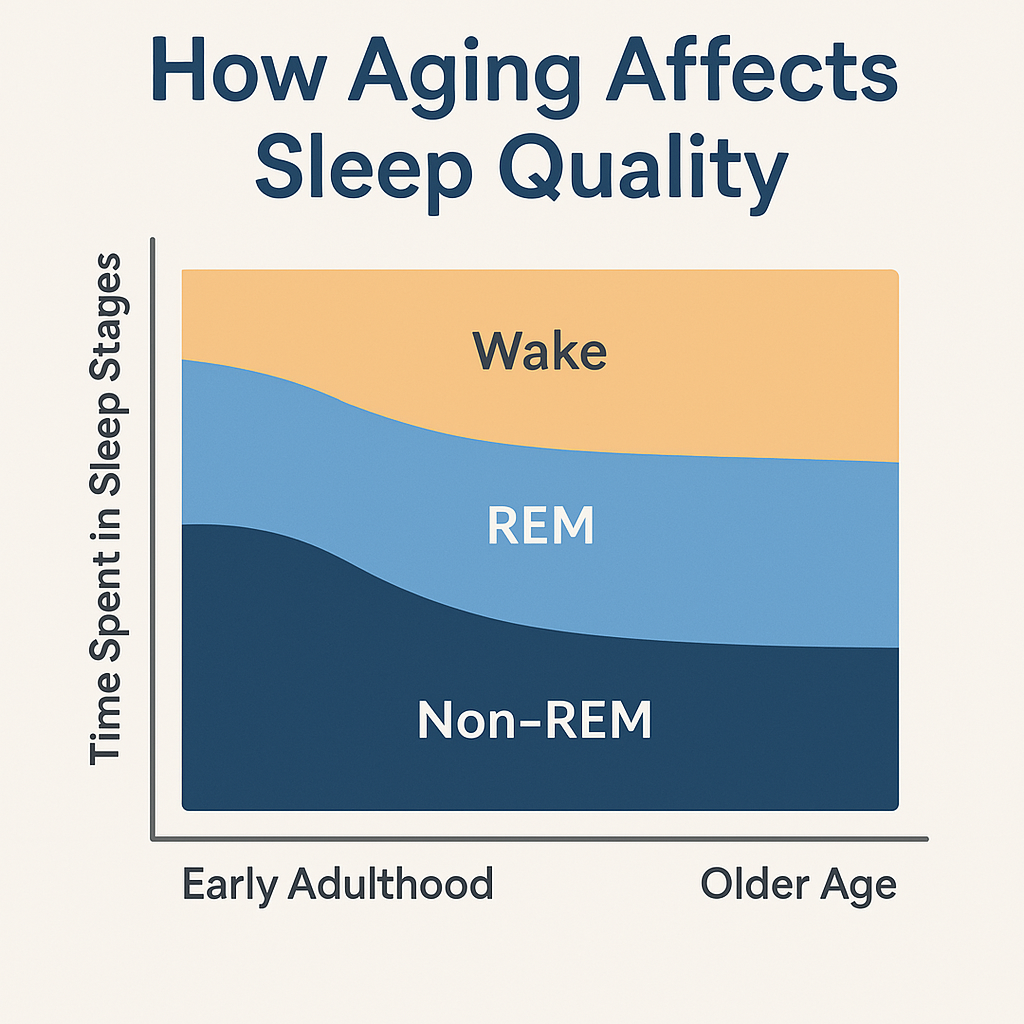
Dr. Ross: It’s extremely common, Jason. As we age, our sleep architecture changes significantly. The proportion of slow-wave sleep (SWS) and REM sleep decreases, while lighter stages like N1 and N2 increase.
Dr. Kim: So older adults can't stay in deep sleep as easily. What causes this shift?
Dr. Ross: Several physiological changes. Aging reduces the sensitivity to GABAergic neurotransmission and weakens the thalamocortical circuits involved in sleep maintenance. This makes sleep more fragile and harder to resume once interrupted.
Dr. Kim: Does this affect cognition or immunity?
Dr. Ross: Absolutely. Deep sleep helps clear neurotoxins, consolidate memory, and regulate immune function. Fragmented sleep has been linked to increased Alzheimer’s risk and impaired immune responses.
📚 Nature Aging (2022) reported that higher sleep fragmentation correlates with faster cognitive decline and has a strong connection to Alzheimer’s pathology.
Dr. Kim: What else contributes to fragmented sleep?
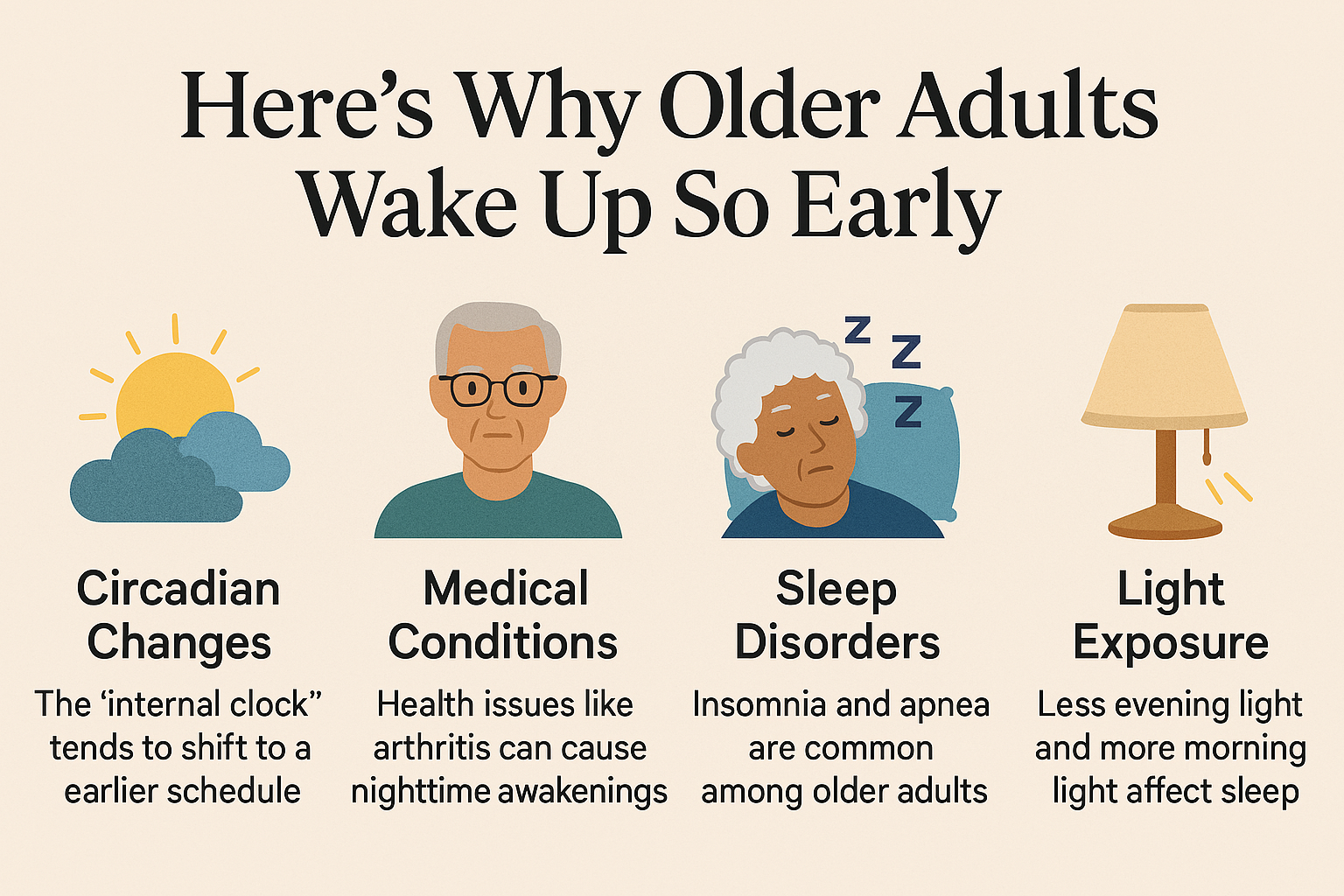
Dr. Ross: Nocturia, joint pain, restless leg syndrome, and especially sleep apnea — which affects over 30% of adults over 60 — are common causes.
Dr. Kim: And environmental triggers?
Dr. Ross: Yes. Older adults are more sensitive to noise and less adaptable to low-light environments. Diminished melatonin also weakens the stability of the sleep-wake system, making them more prone to awakenings.
🔬 The Science of Sleep Architecture Changes With Age
Increased Light Sleep (N1, N2): Deep sleep (N3) declines, while N1 becomes more dominant. This makes sleep more fragmented and less restorative.
Reduced Sleep Spindles: Sleep spindles help shield sleep from external stimuli. Their decline contributes to easier awakenings.
Lower REM Density: REM sleep is essential for emotional regulation and memory. Its decline with age further impacts cognitive processing.
📚 According to the Journal of Neuroscience (2021), reduced spindle activity with age disrupts hippocampal-cortical memory consolidation.
🧭 Strategies to Minimize Sleep Fragmentation
Optimize the Sleep Environment Use blackout curtains, white noise machines, and temperature control.
Strengthen Sleep Hygiene Limit caffeine, reduce screen time at night, maintain a consistent bedtime.
Reduce Nighttime Bathroom Trips Limit fluid intake in the evening, consider bladder training or medical support.
Light Therapy and Melatonin Support Expose yourself to morning sunlight; consider low-dose melatonin if needed.
Try Cognitive Behavioral Therapy for Insomnia (CBT-I) A proven non-drug treatment for improving sleep continuity.
📚 JAMA Internal Medicine reports that CBT-I can reduce nighttime awakenings by up to 30% in older adults.
🛌 Sleep Fragmentation Self-Check
Are you waking up too often at night? Take this short quiz to assess your sleep continuity.
🔍 FAQ: Common Questions About Aging and Sleep Quality
Q1: Is deep sleep impossible after 60? Not at all. While it may decline, it doesn’t disappear entirely. Healthy routines can preserve or even improve deep sleep.
Q2: Can sleep spindles be measured? Not through consumer devices, but a clinical polysomnography test (PSG) can assess spindle activity.
Q3: How do I know if I have sleep apnea? Loud snoring, daytime sleepiness, concentration issues, and morning headaches are red flags. Home sleep tests are available.
Q4: Is it safe to take melatonin daily? Low doses (0.3–1 mg) are generally safe short-term. Consult a healthcare provider for long-term use.
Q5: How much does sleep fragmentation affect cognition? Chronic sleep fragmentation impairs memory, focus, mood regulation, and may increase dementia risk.
✅ Conclusion: Sleep Disruption Is Common — But Manageable
Sleep fragmentation in aging is natural, but not inevitable. By focusing on personalized lifestyle adjustments and neuroscience-backed solutions, older adults can reclaim more consolidated, restorative sleep.
💬 What’s Your Experience? Do you or someone you know struggle with interrupted sleep? Share your story in the comments — your insight might help someone else improve their nights.