
Introduction
Emma and Jake are discussing their daily struggles. Emma has developed a good sleep routine, while Jake constantly feels exhausted. Let's listen to their conversation about the science of sleep and how to improve sleep quality for better health.
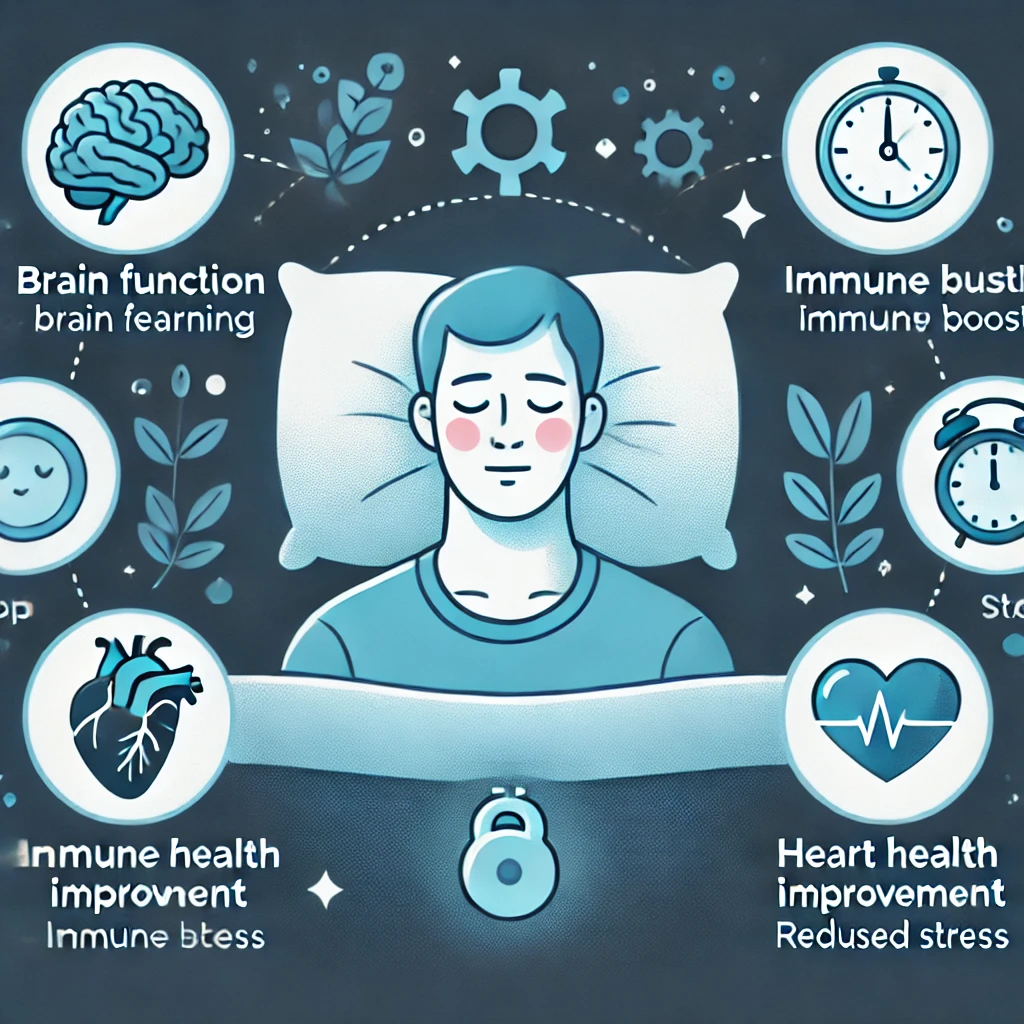
1️⃣ Why Is Sleep So Important?
Jake: Emma, I don’t get it. You always seem so full of energy, while I wake up feeling groggy no matter how many hours I sleep.
Emma: That’s because sleep quality matters more than sleep quantity. Just lying in bed for 8 hours isn’t enough if your sleep isn’t deep and restorative.
Jake: But what does “good sleep” even mean?
Emma: Great question! Good sleep consists of three key elements:
- Sufficient duration – At least 7-9 hours for adults (National Sleep Foundation).
- Uninterrupted deep sleep – Proper REM and deep sleep cycles.
- Consistent sleep schedule – Going to bed and waking up at the same time daily.
Jake: So, if I don’t get enough REM or deep sleep, I still feel tired?
Emma: Exactly! REM sleep helps with memory and learning, while deep sleep repairs your body and boosts immunity.
🔬 A 2019 study in the Journal of Neuroscience found that deep sleep removes toxins from the brain, reducing the risk of neurodegenerative diseases.
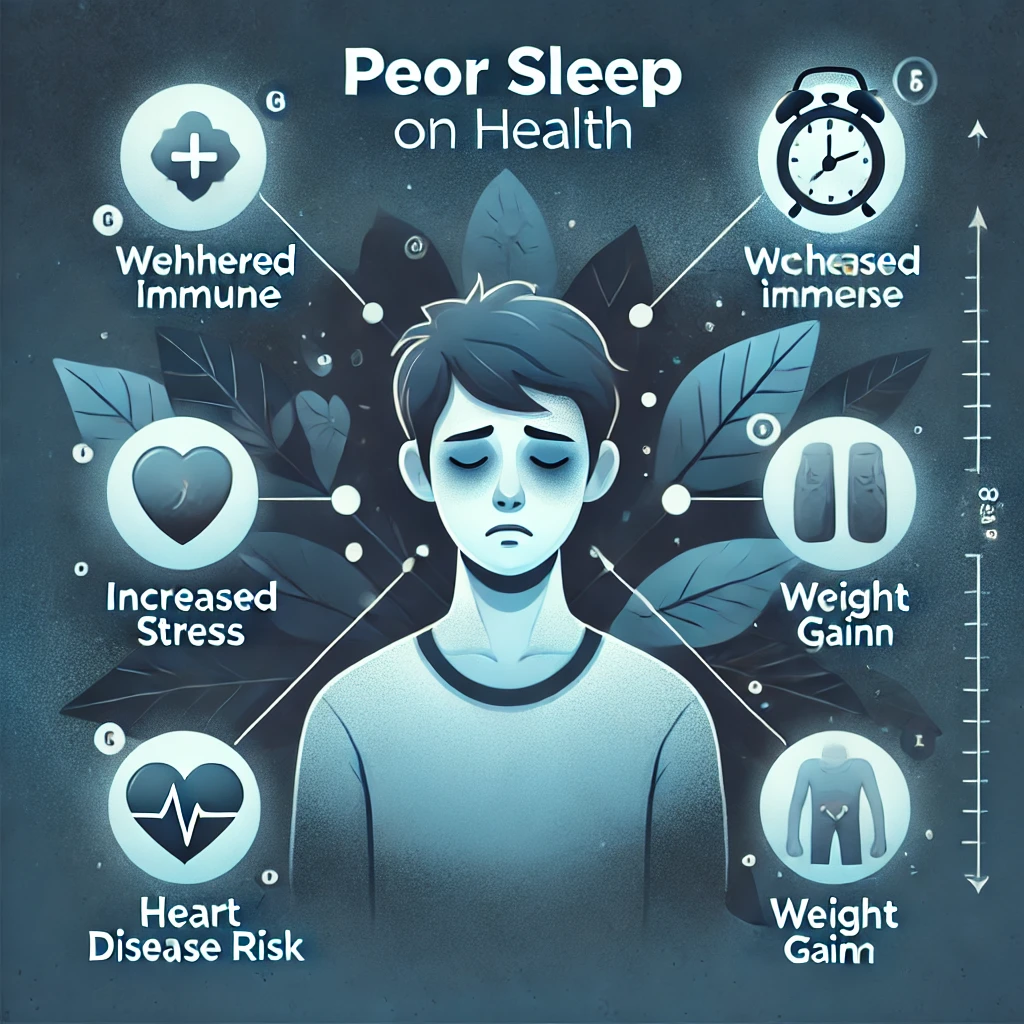
2️⃣ The Effects of Poor Sleep on Your Health
Emma: Chronic sleep deprivation has serious effects on your body:
🔹 Weakened immune system → You get sick more often (Mayo Clinic). 🔹 Increased stress & anxiety → Cortisol levels rise, making you feel on edge (American Psychological Association). 🔹 Higher risk of heart disease → Poor sleep is linked to high blood pressure and cardiovascular issues (Harvard Health). 🔹 Weight gain → Sleep deprivation disrupts hormones that regulate hunger, increasing appetite (National Institute of Health). 🔹 Reduced focus & memory → Lack of sleep affects cognitive function, making it harder to concentrate (National Sleep Foundation).
Jake: Wow, no wonder I feel sluggish all day. So how do I fix this?
Emma: Don’t worry! Science has some amazing sleep-boosting strategies.

3️⃣ Science-Backed Strategies for Better Sleep
📌 1. Maintain a Consistent Sleep Schedule
Emma: Going to bed and waking up at the same time daily regulates your circadian rhythm.
✅ Tip: Try to keep your sleep schedule consistent—even on weekends!
📌 2. Optimize Your Sleep Environment
Emma: A dark, cool, and quiet room helps you sleep better.
✅ What Helps:
- Room temperature: Keep it 60-67°F (15-19°C).
- Limit light exposure: Use blackout curtains or a sleep mask.
- Reduce noise: White noise machines can help block disruptive sounds.
📌 3. Limit Caffeine & Screens Before Bed
Emma: Blue light from screens blocks melatonin production, making it harder to fall asleep.
✅ What to Do:
- Avoid caffeine at least 6 hours before bedtime.
- Limit screen time 1 hour before sleep or use blue light filters.

📌 4. Try Relaxation Techniques
Emma: Meditation and deep breathing exercises can signal your body that it’s time to sleep.
✅ Techniques:
- 4-7-8 Breathing Method: Inhale for 4 sec, hold for 7 sec, exhale for 8 sec.
- Progressive Muscle Relaxation: Tense and release each muscle group.
📌 5. Watch Your Diet & Exercise
Emma: Eating the right foods and exercising can improve sleep quality.
✅ Best foods for sleep:
- Magnesium-rich foods (almonds, spinach) help relax muscles.
- Tryptophan-rich foods (turkey, dairy) increase melatonin.
✅ Exercise:
- Morning exercise improves sleep quality at night.
- Avoid intense workouts close to bedtime.

🌙 How Good Is Your Sleep Quality?
Final Thoughts
Jake: Okay, Emma, I get it. I’ll start small—maybe cutting screen time before bed and trying a sleep schedule.
Emma: That’s the spirit! Small changes can make a big difference.
💬 What are your best sleep tips? Share your experience in the comments below!


