THE HIDDEN DANGERS OF SLEEP DEPRIVATION: WHY YOU NEED MORE REST

Shocking Statistics: Are You Getting Enough Sleep?
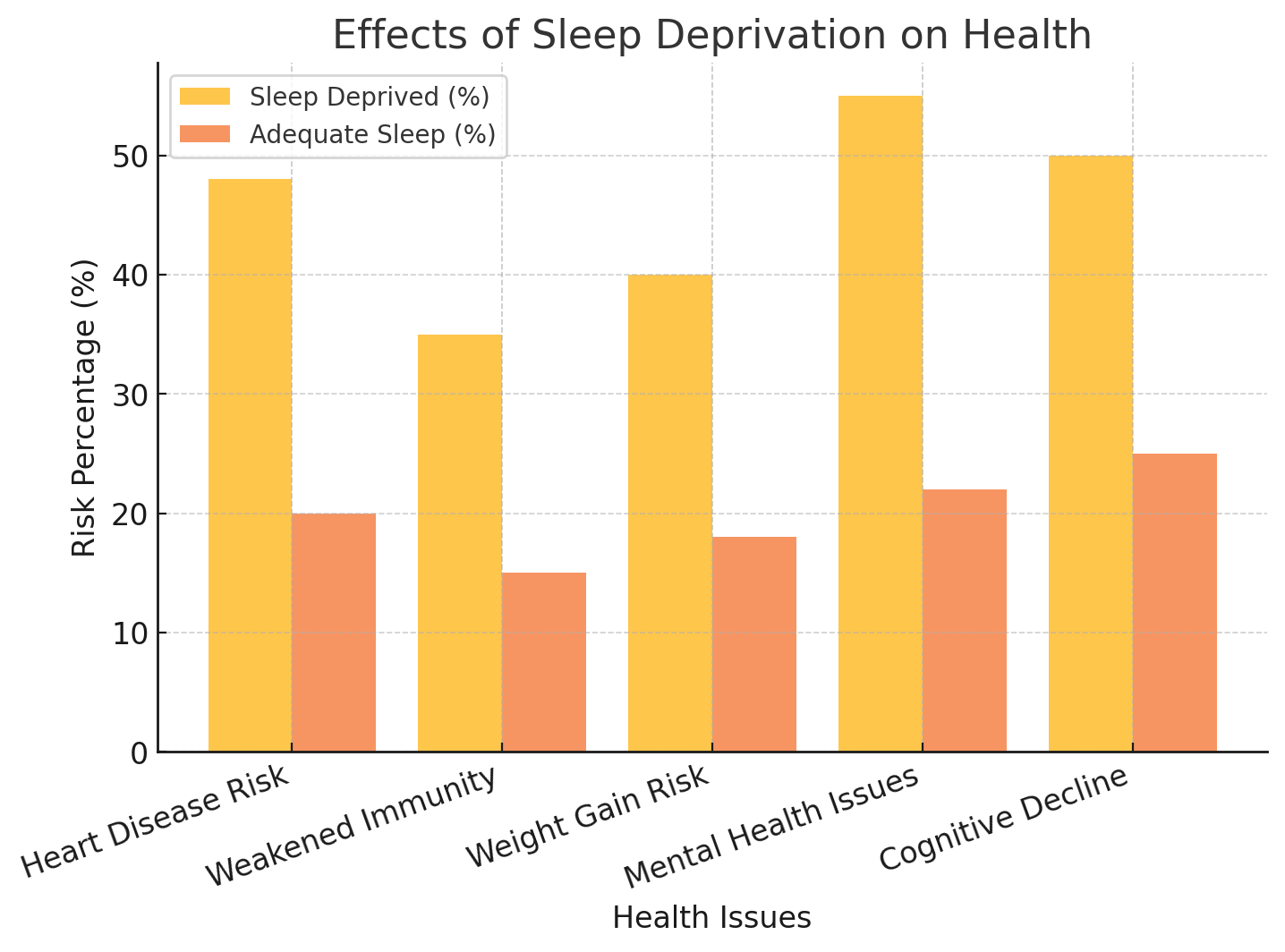
Did you know that 1 in 3 adults worldwide does not get enough sleep? According to the CDC, over 35% of adults in the U.S. sleep less than the recommended 7 hours per night. Sleep deprivation is linked to serious health risks, including heart disease, obesity, weakened immunity, and cognitive decline.
If you often feel exhausted, irritable, or struggle with concentration, you may be suffering from sleep deprivation!
A Conversation on Sleep & Health
Alex: I've been hearing that lack of sleep can seriously impact health. But how bad is it, really?
Sam: It's much worse than most people think! Chronic sleep deprivation is linked to an increased risk of heart disease, obesity, diabetes, and even mental health disorders like depression and anxiety.
Alex: I know I should get more sleep, but life is so busy. Can missing a few hours really make a difference?
Sam: Absolutely! Just one night of poor sleep can weaken your immune system and impair cognitive function. Long-term sleep deprivation increases the risk of chronic diseases and even shortens lifespan.
How Lack of Sleep Affects Your Health
- Weakened Immune System: Sleep is when the body repairs itself. Chronic sleep deprivation reduces the production of infection-fighting antibodies, making you more vulnerable to illnesses (Besedovsky et al., 2019).
- Heart Disease & High Blood Pressure: Studies show that people who sleep less than 6 hours per night have a 48% higher risk of heart disease (Liu et al., 2016).
- Weight Gain & Diabetes Risk: Lack of sleep disrupts hunger hormones, increasing cravings for unhealthy foods and raising the risk of obesity and diabetes (Spiegel et al., 2004).
- Mental Health Issues: Sleep deprivation is closely linked to depression, anxiety, and even an increased risk of suicidal thoughts (Baglioni et al., 2016).
- Cognitive Decline & Memory Problems: Poor sleep affects brain function, reducing concentration, memory retention, and decision-making skills. Long-term, it can contribute to neurodegenerative diseases like Alzheimer's (Xie et al., 2013).
What Science Says: Research & Studies
- A Harvard Medical School study found that chronic sleep deprivation increases the risk of early death by 12% (Harvard, 2021).
- Research in Nature Communications (2017) showed that adults who regularly get less than 6 hours of sleep are more likely to develop dementia (Nave et al., 2017).
- A Stanford University study linked poor sleep to increased cortisol levels, which contribute to stress and weight gain (Reynolds et al., 2020).
How to Improve Sleep Quality
1. Set a Consistent Sleep Schedule 🕰️
- Go to bed and wake up at the same time every day, even on weekends.
- Regulate your body's natural sleep cycle by sticking to a routine.
2. Create a Relaxing Bedtime Routine 🛁📖
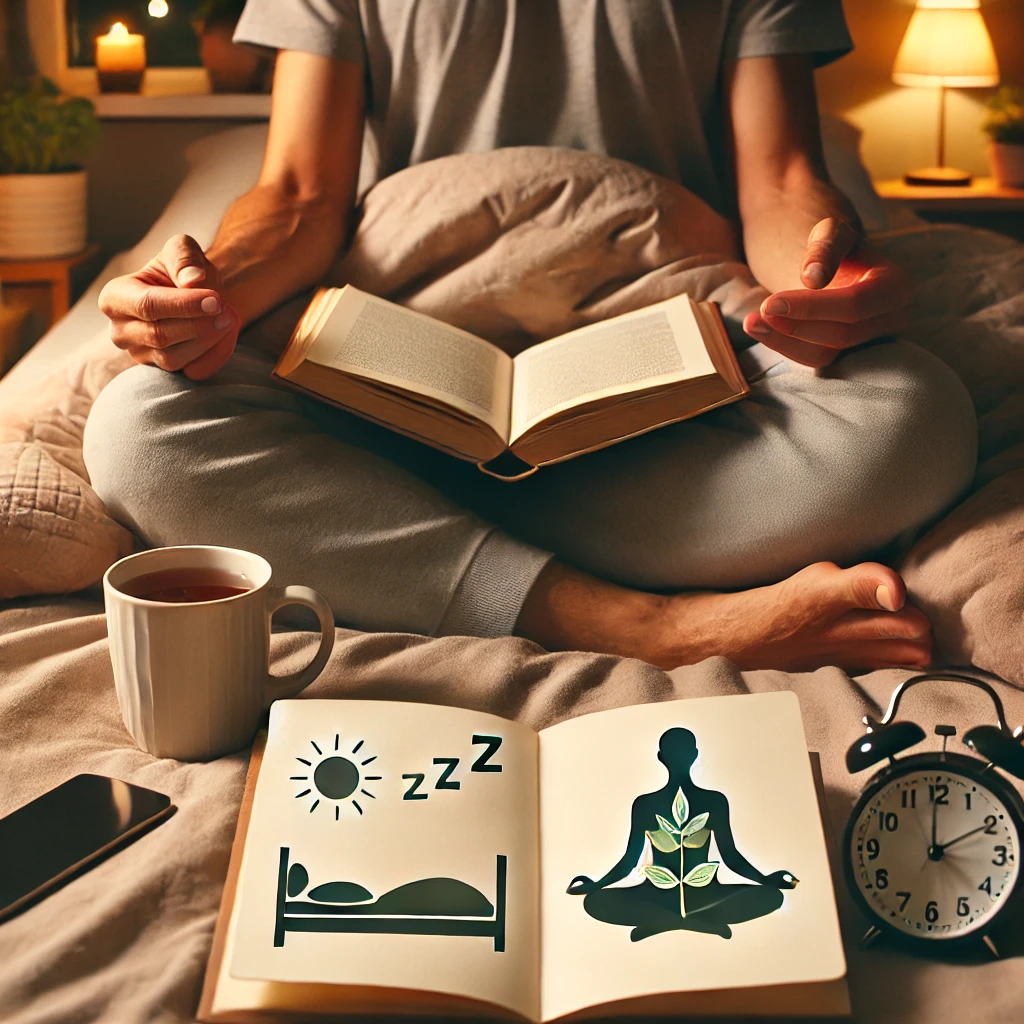
- Avoid screens 1 hour before bed (blue light disrupts melatonin production).
- Try reading, meditation, or a warm bath to signal your body it's time to sleep.
3. Optimize Your Sleep Environment 🛏️

- Keep your bedroom cool, dark, and quiet.
- Invest in a comfortable mattress and pillows.
- Avoid caffeine and heavy meals at least 3 hours before bedtime.
🛏️ Sleep Health Self-Check
Answer these 7 quick questions to find out if you’re getting enough quality sleep!
4. Get Sunlight Exposure & Exercise Daily ☀️🏃
- Sunlight helps regulate your circadian rhythm.
- Exercise in the morning or afternoon improves sleep quality at night.
5. Limit Alcohol & Stimulants 🚫🍷
- Alcohol may help you fall asleep, but it disrupts REM sleep, leading to lower sleep quality.
- Reduce caffeine intake after 2 PM to avoid nighttime restlessness.
The Bigger Picture: Why Sleep Matters
Getting enough sleep is not a luxury—it’s a necessity for your overall well-being.
- Stronger Immune System: Well-rested individuals get sick less often and recover faster.
- Better Mental Health: Good sleep lowers stress and improves mood.
- Longer Life Expectancy: Quality sleep is linked to a longer and healthier life.
Final Thoughts: Prioritize Your Sleep!
Lack of sleep can have serious consequences, but small changes to your routine can lead to better rest, improved health, and a higher quality of life.
📢 How many hours of sleep do you get each night? Have you struggled with sleep deprivation? Share your experience in the comments! And if you found this helpful, tag a friend who needs better sleep! 😴💤


