Introduction
Emma and Jake are having coffee, but Jake looks exhausted. Emma notices his dark circles and sluggishness. She asks him what’s wrong, leading to a conversation about sleep deprivation and its surprising effects on health.
1️⃣ Why Is Sleep So Important?
Emma: Jake, you look completely drained. What’s going on?
Jake: Ugh, I barely got four hours of sleep last night. Been doing that all week. I’m exhausted, but I figure I’ll catch up on sleep later.
Emma: Jake, sleep doesn’t work like a bank account. You can’t just "make up" lost sleep whenever you want. Chronic sleep deprivation has serious effects on your health.
Jake: Really? I know I’m tired, but what’s the worst that could happen?
🔬 A 2023 study in Nature Communications found that individuals who consistently sleep less than 6 hours per night have a 30% higher risk of heart disease, cognitive decline, and weakened immune function. (Source)
Emma: Let’s break down exactly how sleep deprivation affects you.
2️⃣ The Dangers of Sleep Deprivation
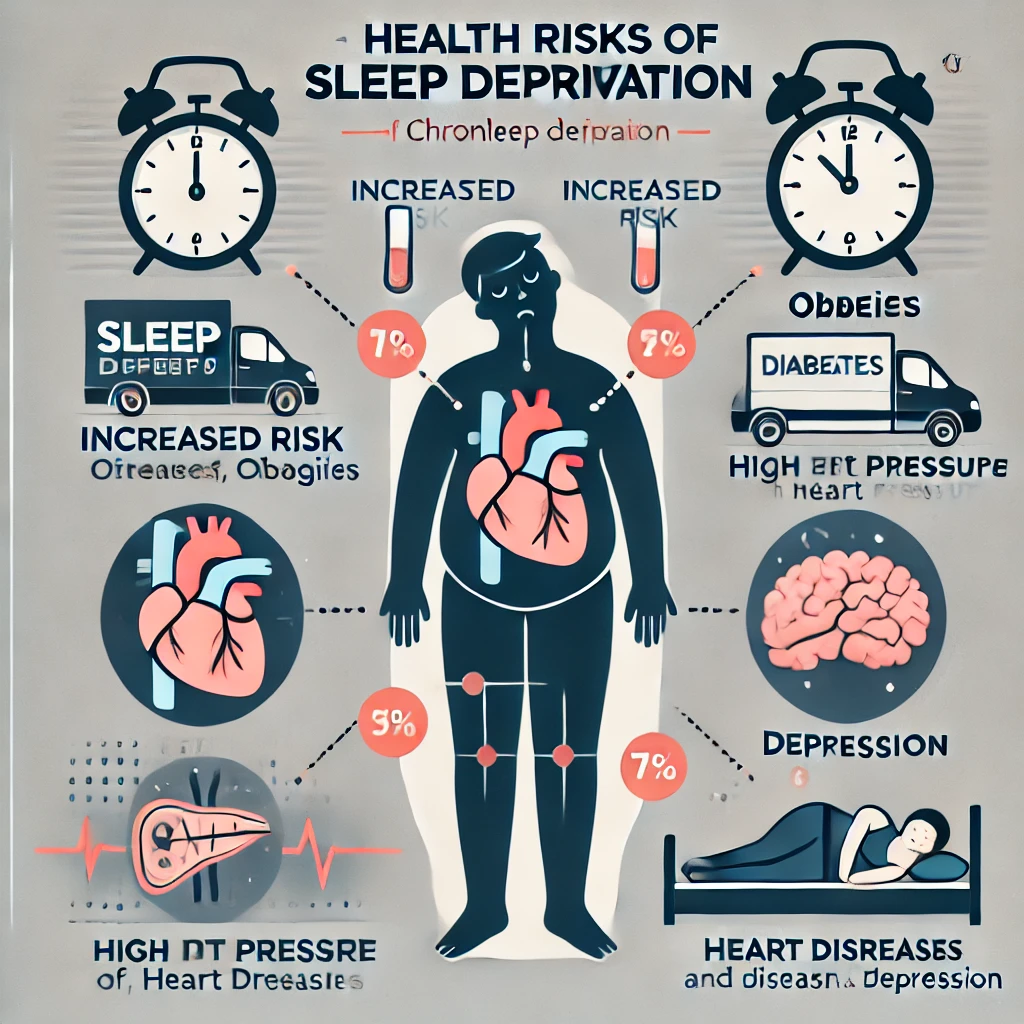
Emma: Sleep affects every system in your body. When you don’t get enough, here’s what happens:
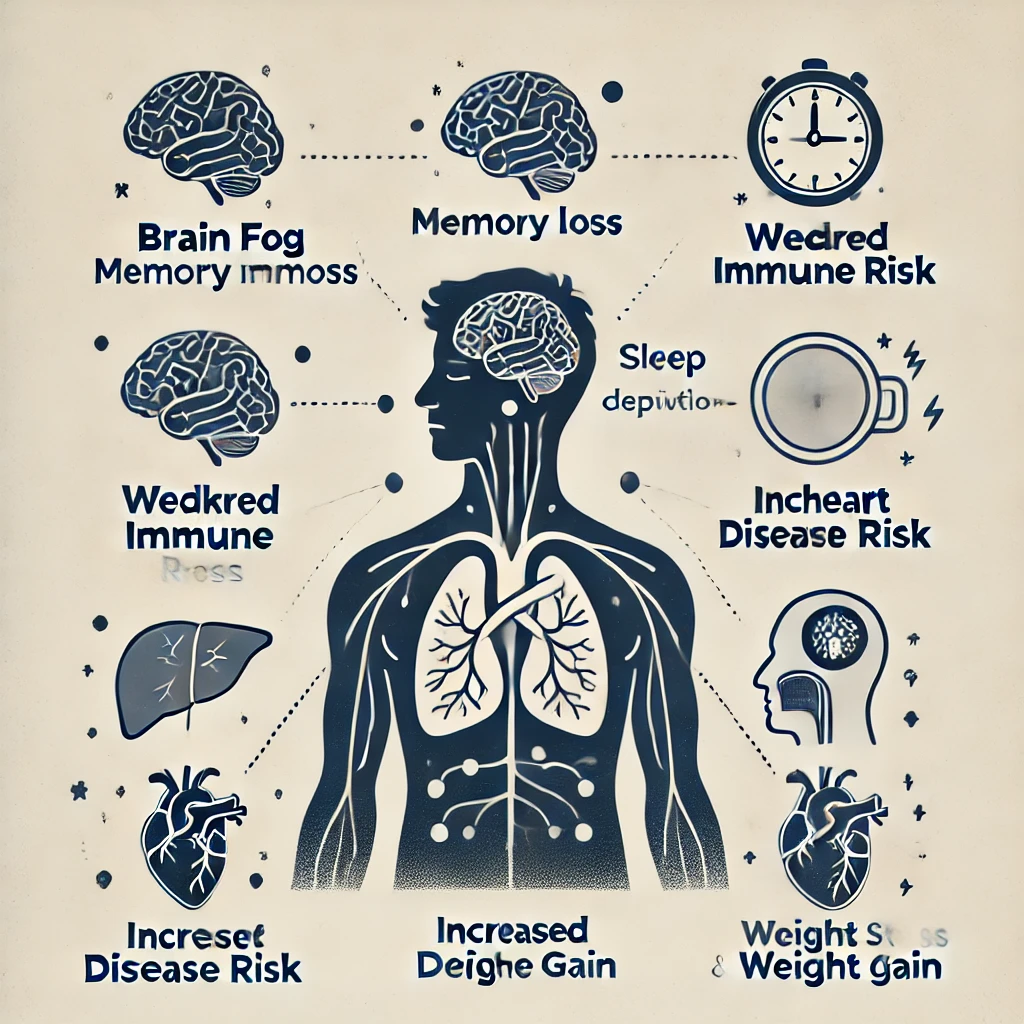
🔹 Brain Fog & Memory Loss → Poor sleep disrupts focus and decision-making (Harvard Medical School).
🔹 Higher Risk of Heart Disease → Less than 6 hours of sleep is linked to increased blood pressure and heart attacks (American Heart Association).
🔹 Weakened Immune System → Sleep is essential for immune function; sleep-deprived people get sick more often (National Institutes of Health).
🔹 Weight Gain & Diabetes Risk → Lack of sleep increases cravings and disrupts insulin regulation (Journal of Endocrinology).
🔹 Increased Anxiety & Depression → Sleep deprivation affects neurotransmitters, leading to mood disorders (JAMA Psychiatry).
Jake: Wait, so not sleeping enough makes me crave junk food and puts me at risk for heart disease? That’s scary.
Emma: Yup! And studies show that long-term sleep deprivation can even shorten your lifespan.
3️⃣ How to Improve Your Sleep for Better Health
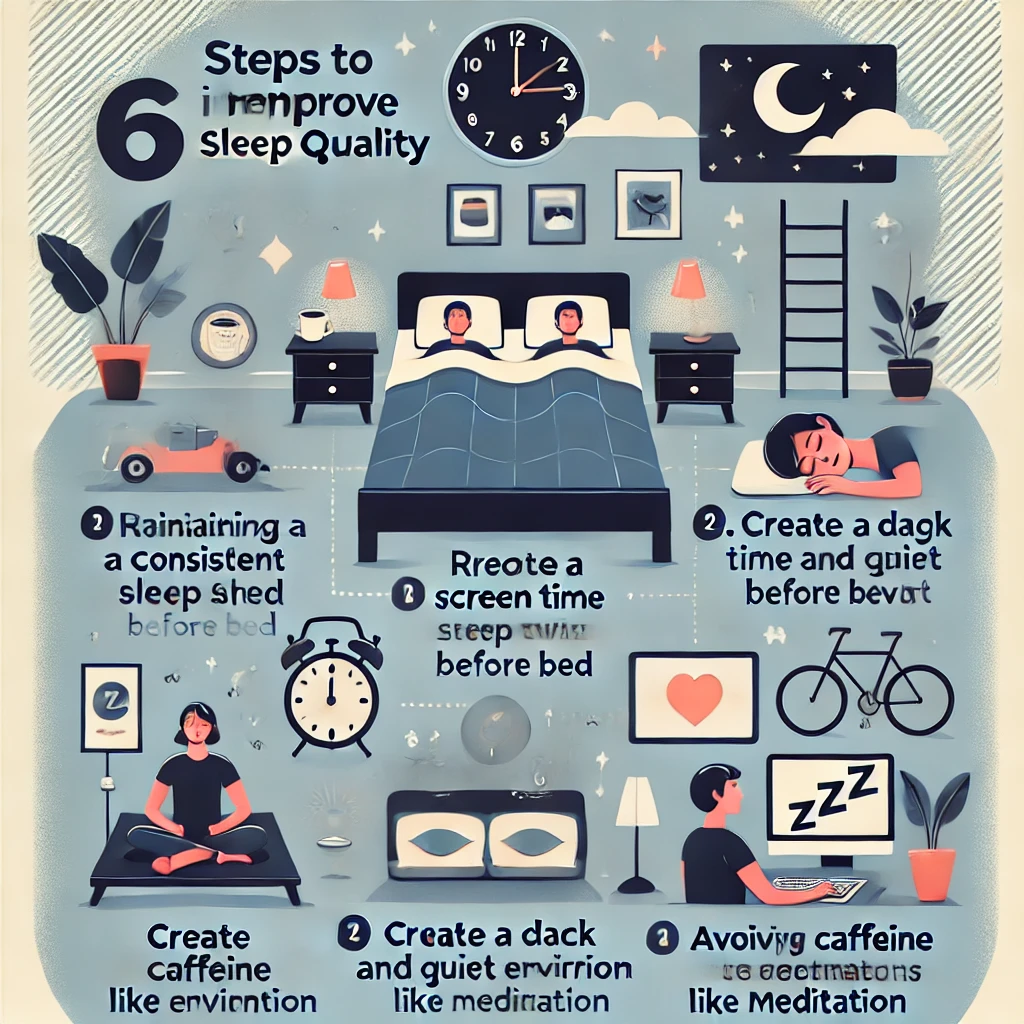
📌 1. Stick to a Consistent Sleep Schedule
Emma: Your body has an internal clock called the circadian rhythm. Messing with it leads to poor sleep quality.
✅ Tips:
- Go to bed and wake up at the same time every day (even on weekends).
- Avoid late-night naps that disrupt your schedule.
- Expose yourself to natural light in the morning to regulate your body clock.
🔬 A 2022 study in Sleep Medicine Reviews found that individuals with irregular sleep patterns had higher levels of stress hormones and poorer cognitive performance. This means that people who go to bed and wake up at different times every day have a harder time managing stress, feel more anxious, and struggle to concentrate. The study also found that these individuals experienced more daytime fatigue and were more likely to suffer from mood swings, making daily tasks feel even more difficult. (Source)
📌 2. Create a Sleep-Friendly Environment
Emma: Your bedroom should be optimized for quality sleep.
✅ What to do:
- Keep your bedroom cool, dark, and quiet.
- Remove electronic devices an hour before bedtime (blue light disrupts melatonin production).
- Use blackout curtains and white noise machines if needed.
📌 3. Avoid Caffeine & Heavy Meals Before Bed
Emma: What you consume affects your sleep cycle.
✅ Healthy habits:
- Stop caffeine intake at least 6 hours before bed.
- Avoid large meals right before sleeping.
- Drink herbal tea or warm milk to relax.
🔬 A 2021 study in Frontiers in Psychology found that individuals who practiced mindfulness-based relaxation techniques experienced a 40% improvement in sleep quality. The study observed that people who consistently practiced meditation for 10–15 minutes a day fell asleep more easily, stayed in deep sleep longer, and woke up fewer times during the night. This is because meditation helps reduce stress hormones (cortisol), stabilize the nervous system, and relax the body, making sleep more restorative. Researchers emphasized that regular meditation and relaxation techniques play a crucial role in alleviating insomnia and improving overall sleep quality. (Source)
📌 4. Practice Relaxation Techniques Before Bed
Emma: Stress and anxiety are major sleep disruptors.
✅ Ways to relax:
- Try deep breathing or meditation.
- Read a book instead of scrolling on your phone.
- Write down thoughts in a journal to clear your mind.
🔬 A 2021 study in Frontiers in Psychology found that individuals who practiced mindfulness-based relaxation techniques had 40% improved sleep quality. The study observed that people who practiced meditation or deep breathing for just 10–15 minutes a day experienced faster sleep onset, deeper sleep, and fewer nighttime awakenings. Researchers explained that meditation helps the body relax by reducing stress hormones (like cortisol), calming the nervous system, and easing muscle tension, which makes it easier to fall and stay asleep. They concluded that mindfulness and relaxation techniques are effective natural remedies for improving sleep quality and reducing insomnia. (Source)

🛌 7-Question Sleep Health Self-Check
Answer honestly and discover how your sleep habits are affecting your health!
Final Thoughts
Jake: Okay, Emma, I think I need to take sleep more seriously. I’ll start by setting a bedtime routine and cutting back on caffeine.
Emma: That’s a great first step! Sleep is the foundation of good health.
💬 How do you improve your sleep quality? Share your tips in the comments!


