🔍 TL;DR (3-Line SEO Summary)
Your skin may be warning you of something deeper—chronic inflammation inside your body.
Acne, eczema, and psoriasis are not just surface issues, but signs of immune dysregulation.
Learn how silent inflammation drives skin flares—and how to calm it from within.
🎙️ Expert Dialogue: “Could My Acne Actually Be an Inflammation Issue?”
Emma (Reader):
Dr. Greene, I’ve had breakouts for years. Nothing seems to work long term. Is it really just hormones or diet?
Dr. Greene (Integrative Health MD):
Skin is one of the clearest mirrors of internal inflammation. Acne, eczema, psoriasis—they’re not just skin deep. They reflect immune activity.
Emma:
But I’ve tried creams, antibiotics, and even eliminated dairy… My labs are all normal.
Dr. Greene:
That’s the tricky part. You may have silent inflammation driving these skin reactions. It's not always visible on routine tests—but it often starts in the gut or immune system.
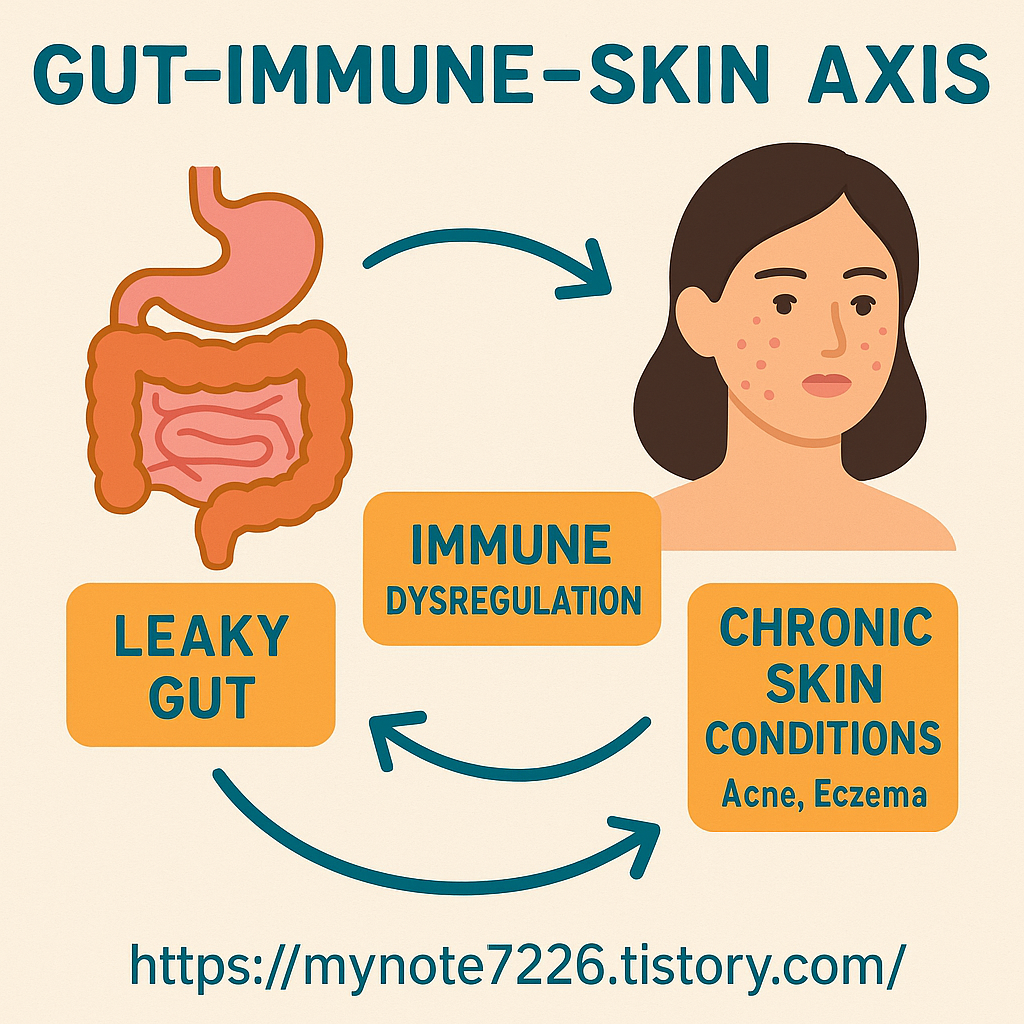
Alt Text : "Diagram showing the gut–immune–skin axis, illustrating how leaky gut and immune dysregulation contribute to chronic skin conditions like acne and eczema."
📊 Quick Poll
Have you experienced skin issues with no clear cause?
💬 Share your experience in the comments below!
🔬 Inflammation Beneath the Skin: How It All Connects
1. Acne: More Than Hormones
Acne is often linked to hormones, but chronic inflammation plays a bigger role than most realize.
- Inflammatory cytokines like IL-1β and IL-6 trigger oil glands
- Poor gut health increases systemic inflammation → skin congestion
- Refined carbs, dairy, and seed oils amplify this effect
🧪 A 2020 study in the “Journal of Inflammation Research” showed acne patients had significantly elevated IL-6 and TNF-alpha levels.
2. Eczema: A Leaky Barrier, Inside and Out
Eczema (atopic dermatitis) is strongly associated with both skin barrier defects and gut permeability.
- Inflammation weakens skin's lipid layer
- Triggers include gluten, dairy, food dyes, stress
- Often co-occurs with asthma and seasonal allergies
🧪 Children with eczema often show elevated IgE and pro-inflammatory gut bacteria.
3. Psoriasis: Autoimmunity on the Skin
Psoriasis is a chronic inflammatory condition—classified as an autoimmune disease.
- Triggered by overactive T cells attacking skin cells
- Linked to leaky gut, infections, stress
- High levels of IL-17, IL-23, and TNF-alpha
🧪 A 2021 meta-analysis found probiotics significantly reduced flare-ups in moderate psoriasis.
4. The Immune–Skin Axis
Your skin is an immune organ. Inflammation anywhere—especially the gut—can surface as a skin flare.
- 70% of immune cells live in the gut
- Dysbiosis → skin inflammation
- Fixing skin means fixing the inside first

Alt Text: "Infographic showing inflammatory triggers such as poor diet, stress, and toxins that lead to skin conditions including psoriasis, acne, and eczema."
❓ FAQ: Skin & Inflammation
Q1. Can I have inflammation without redness?
A: Yes. Internal inflammation may show as breakouts, dullness, or dry patches—without redness.
➡ You don’t need full-blown rashes to be inflamed.
Q2. Why do creams stop working after a while?
A: Because they treat the surface, not the source.
➡ Inflammation from food, stress, or gut imbalances will keep flaring the skin unless addressed.
Q3. What diet changes reduce skin inflammation?
A:
- Cut refined sugar and seed oils
- Increase omega-3s, greens, and zinc-rich foods
- Probiotics and polyphenols help regulate gut–skin immunity
Q4. Is there a test for skin-related inflammation?
A:You can check CRP, IgE, and food sensitivities. Stool testing can reveal gut–skin links.
➡ But symptom tracking is often the best start.
Q5. Can I heal skin conditions naturally?
A:In many cases, yes.
➡ Anti-inflammatory nutrition, gut support, stress reduction, and consistent sleep can dramatically reduce flare-ups.
👤 Reader Story: “My Skin Changed When I Healed My Gut”
“I battled eczema for 15 years. No cream helped long-term. Once I started healing my gut with bone broth, probiotics, and stress relief—my skin transformed.”
– Lena, 40, London
🧪 Self-Check: Is Your Skin Inflamed?
📌 If you deal with recurring acne, itchy patches, or rashes—without a clear trigger—chronic inflammation may be the cause.
👉 Try the 10-question Silent Inflammation Self-Test to see if your skin is reflecting deeper immune issues.
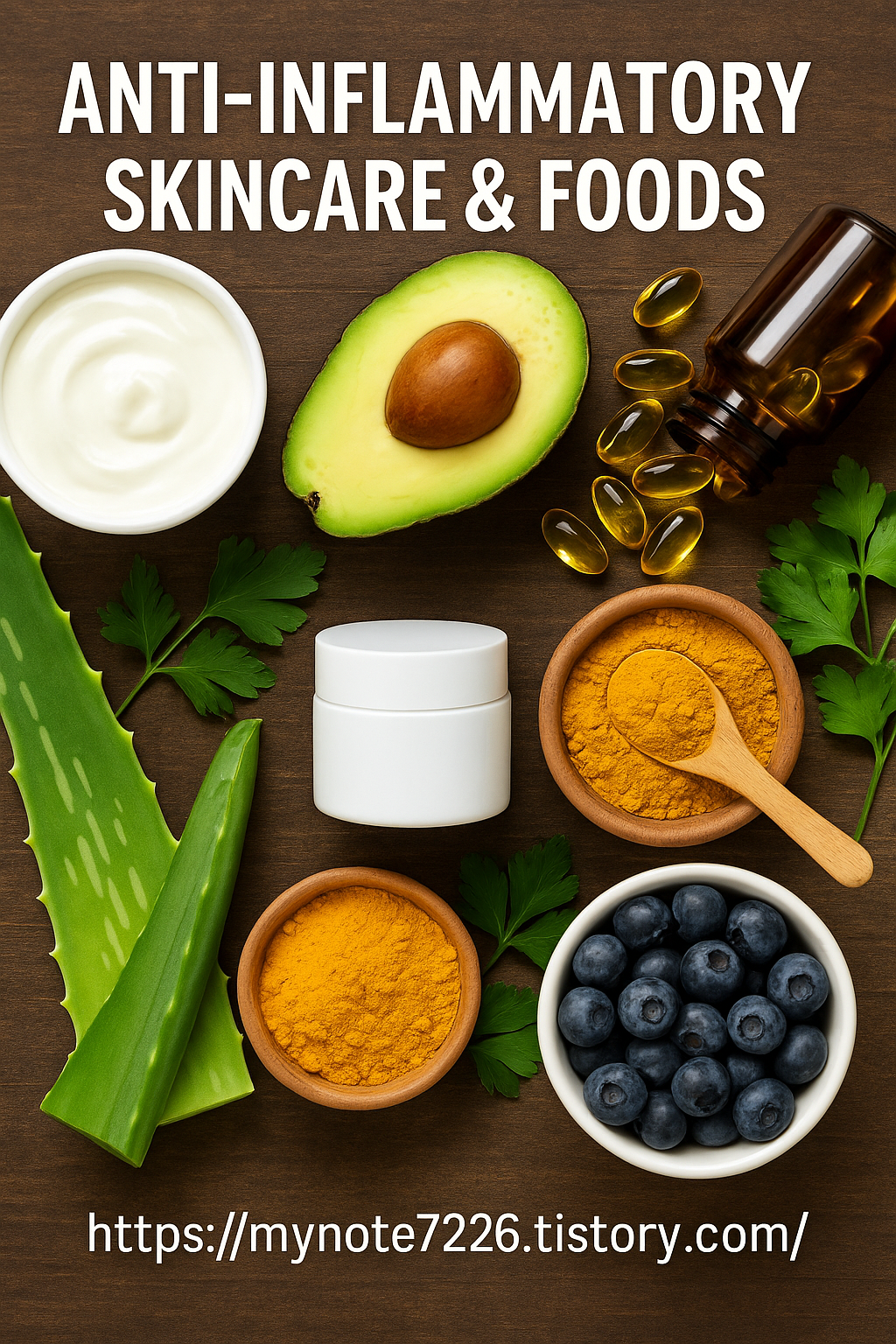
Alt Text: "Flat lay of anti-inflammatory skincare and foods, including aloe vera, turmeric, omega-3 supplements, and probiotic-rich yogurt, for naturally soothing skin inflammation."
📣 What’s Next?
In Part 5: Joint Pain & Autoimmunity, we explore how inflammation turns inward—causing pain, stiffness, and autoimmune attacks.
💬 Final Word
Your skin isn’t broken—it’s talking. Listen to it. Heal from within.


