🔍 TL;DR (3-Sentence Summary)
- Depression may not just be a disorder of the mind, but also a result of immune and inflammatory responses.
- Biomarkers like CRP, interleukins, and TNF-α are increasingly linked to depressive symptoms.
- Certain anti-inflammatory treatments and dietary strategies may help alleviate mood disorders.
🎙️ Moderator (Sophie Han, Clinical Neuroscience Writer):
Welcome to Mind & Molecule, the series where we explore the intersection of mental health and biology. Today’s spotlight: the Inflammation Hypothesis of Depression — a paradigm shift that suggests your mood may be more linked to your immune system than you think.
To unpack the science and controversy, we’re joined by:
- Dr. Ethan Rhodes, MD, psychiatrist and psychoneuroimmunology researcher
- Dr. Lena Kim, PhD, neuroinflammation specialist and nutritional neuroscientist
🧠 Topic 1: Is Depression Really In the Brain — or the Immune System?
Sophie: Dr. Rhodes, let’s start with the big picture. What is the inflammation hypothesis?
Dr. Rhodes:
Simply put, it proposes that chronic, low-grade systemic inflammation can alter brain function and contribute to depressive symptoms. Unlike the classic serotonin hypothesis, which centers on neurotransmitter imbalance, this model focuses on immune signaling molecules like cytokines.
Dr. Kim:
These cytokines — such as interleukin-6 (IL-6), tumor necrosis factor-alpha (TNF-α), and C-reactive protein (CRP) — can cross the blood-brain barrier. Once in the brain, they can:
- Disrupt dopamine and serotonin production
- Alter HPA axis regulation (the stress system)
- Impair neuroplasticity and synaptic function
Dr. Rhodes:
And this isn’t just theory — studies show elevated cytokine levels in patients with treatment-resistant depression and those with comorbid autoimmune or inflammatory conditions.
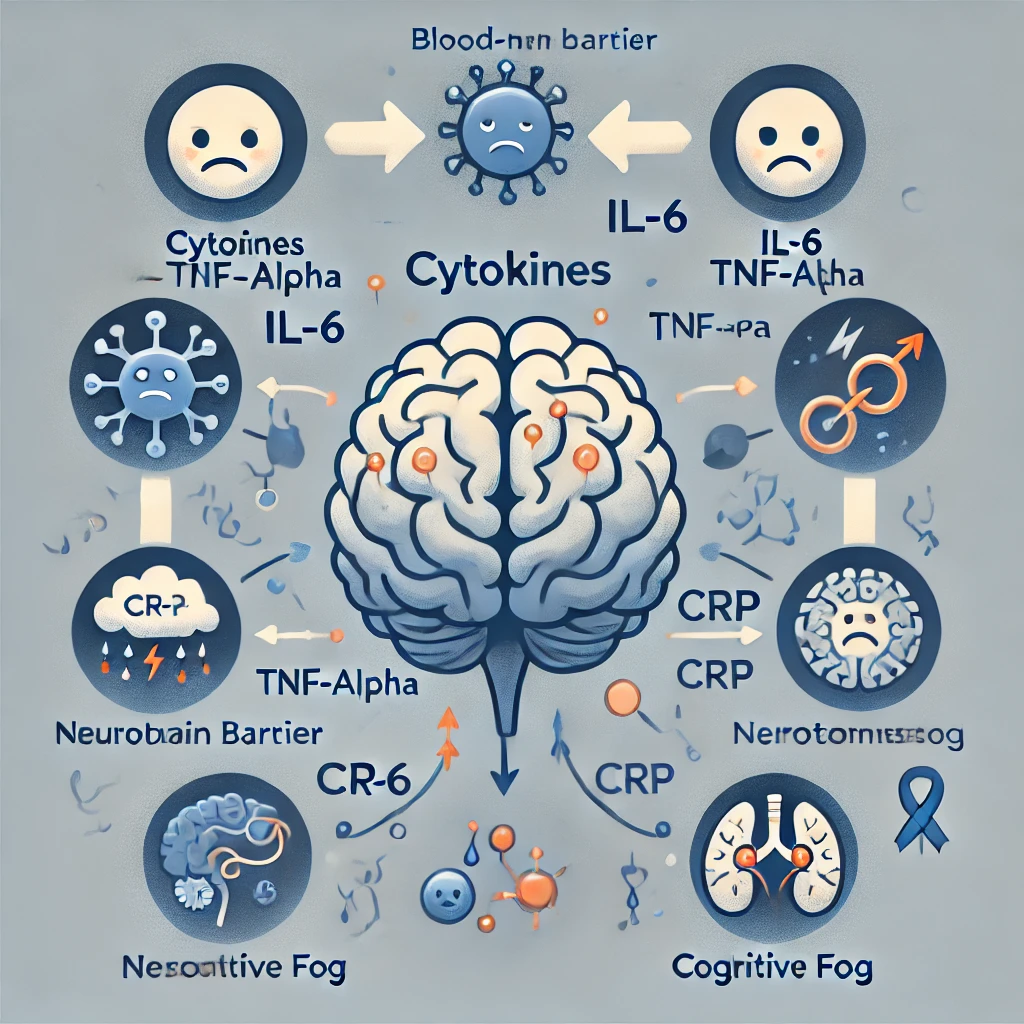
Alt text: “Illustration of cytokines affecting brain function and mood regulation in depression”
🔬 Topic 2: How Does Inflammation Actually Affect the Brain?
Sophie: Dr. Kim, can you walk us through the mechanism in more detail?
Dr. Kim:
Absolutely. Here’s a simplified breakdown:
- Chronic inflammation increases pro-inflammatory cytokines in the bloodstream.
- These molecules pass through or signal across the blood-brain barrier.
- Inside the brain, they activate microglia — the brain’s immune cells.
- This leads to oxidative stress, mitochondrial dysfunction, and reduced neurogenesis.
Dr. Rhodes:
Which translates to symptoms like:
- Fatigue
- Anhedonia (loss of pleasure)
- Brain fog
- Social withdrawal
Dr. Kim:
In other words, inflammation can create a “sick brain” state — even without external illness.
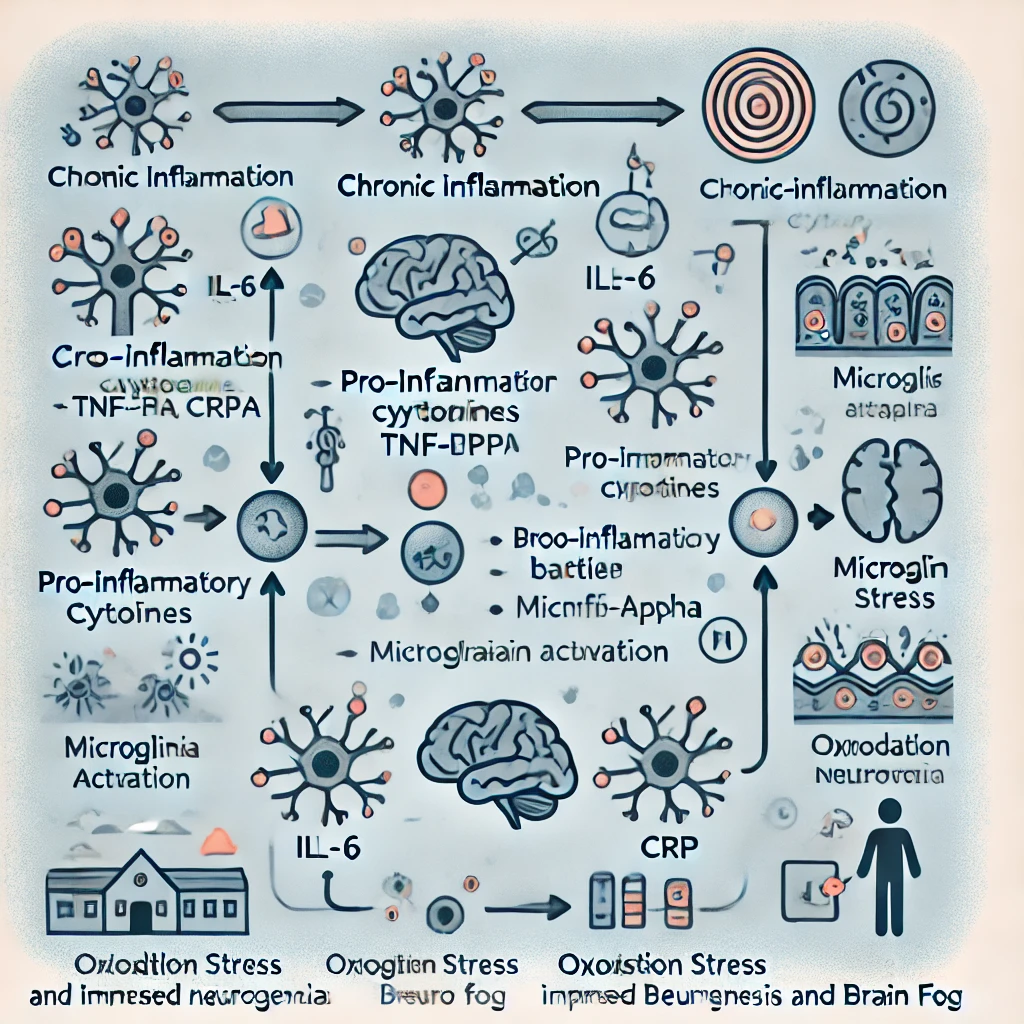
Alt text: "Flowchart showing the biological pathway from systemic inflammation to microglial activation, oxidative stress, and development of depressive symptoms in the brain"
💊 Topic 3: Can Anti-Inflammatory Treatments Help Depression?
Sophie: Are there treatments targeting this inflammation pathway?
Dr. Rhodes:
Yes, and this is one of the most exciting areas in psychiatry right now. Some examples include:
- NSAIDs (like celecoxib) in adjunct to antidepressants
- Omega-3 fatty acids (especially EPA)
- Probiotics to improve gut-brain communication
Dr. Kim:
Also:
- Low-dose naltrexone (LDN), which modulates glial activity
- Curcumin, a natural anti-inflammatory
- CRP-based stratification — tailoring treatment based on blood markers
Dr. Rhodes:
It’s not yet mainstream, but we’re moving toward a future of “inflammatory subtypes” of depression with targeted interventions.
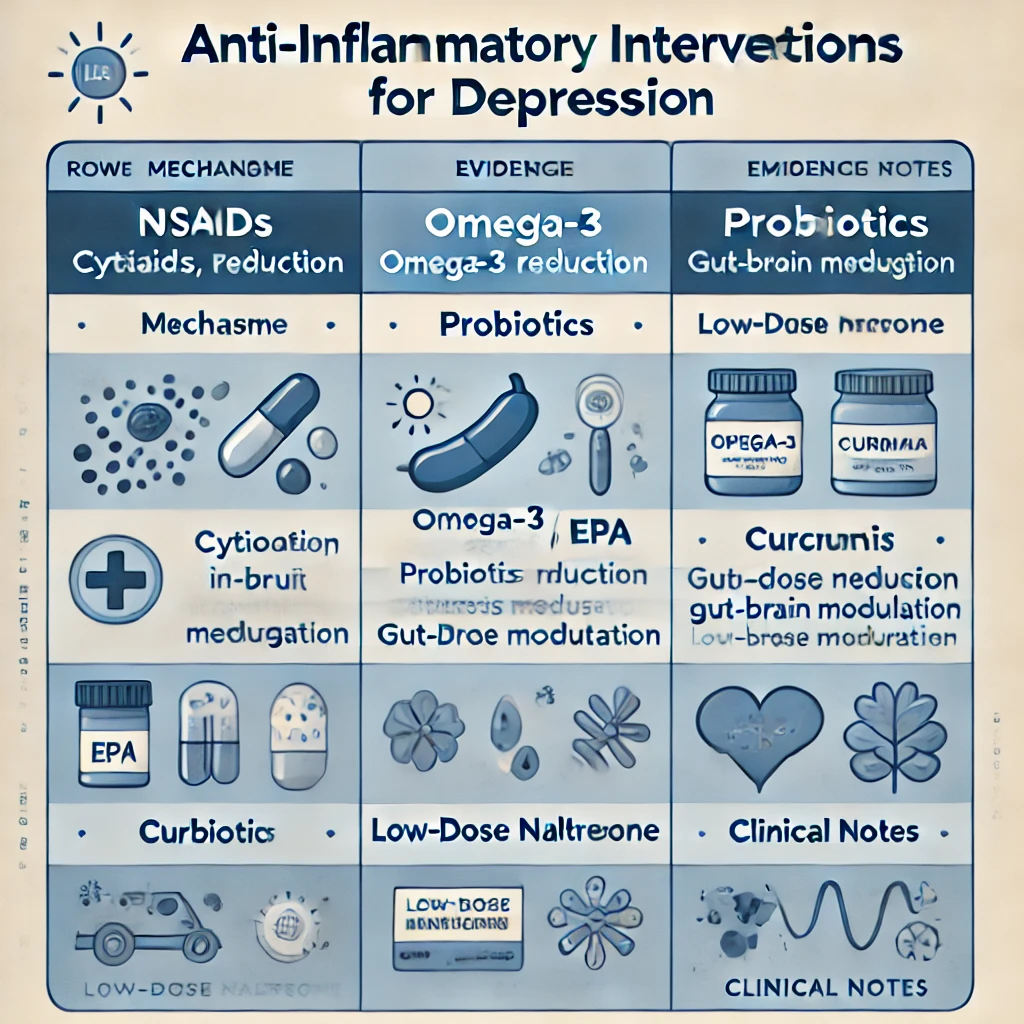
Alt text: “Table summarizing anti-inflammatory interventions and their effects on depressive symptoms”
🍎 Topic 4: What Can We Do Now to Lower Inflammation?
Sophie: For people not on medication, are there practical ways to reduce inflammation?
Dr. Kim:
Definitely. Lifestyle plays a huge role. Try these:
- Anti-inflammatory diet: rich in leafy greens, berries, turmeric, olive oil
- Sleep optimization: poor sleep raises IL-6 and CRP
- Exercise: moderate aerobic activity lowers systemic inflammation
- Stress reduction: mindfulness, therapy, breathing practices
Dr. Rhodes:
And don’t overlook the gut — dysbiosis (gut imbalance) can drive systemic inflammation. Fermented foods, fiber, and avoiding ultra-processed foods all help.
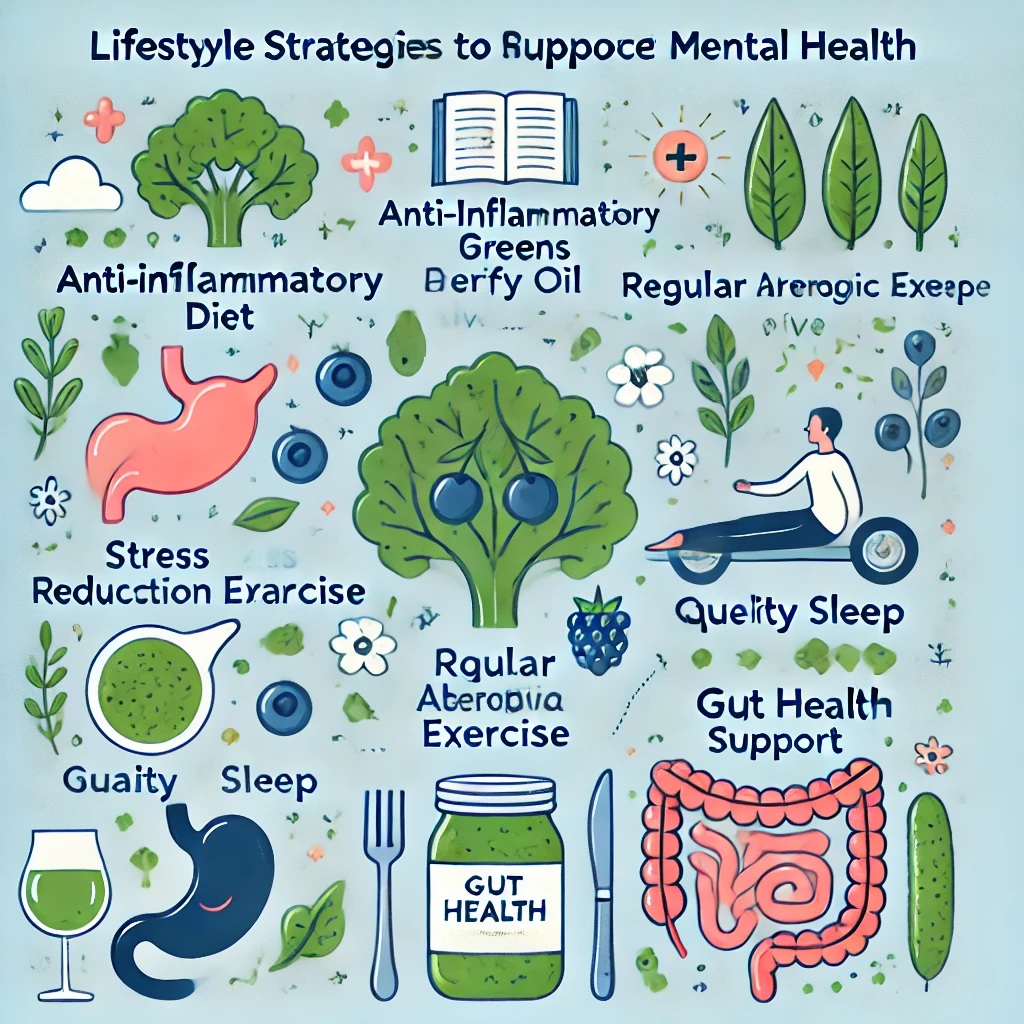
Alt text: “Lifestyle strategies for reducing inflammation and supporting mood health”
❓ FAQ: Depression & Inflammation
🔬 Q1: Can I test for inflammation-linked depression?
A: Blood tests like CRP, IL-6, and TNF-α may indicate inflammation-related mood issues, but they are not definitive diagnostic tools. Elevated levels can suggest a correlation with depressive symptoms, especially if paired with fatigue, brain fog, or anhedonia. Always consult with a doctor to interpret lab results in context.
🧠 Q2: Is this the cause of all depression?
A: No. Inflammation is one of several pathways that may contribute to depression. While it may be a key factor in chronic or treatment-resistant cases, other causes include neurotransmitter imbalances, trauma, genetics, and psychosocial stressors. A personalized assessment is essential.
💊 Q3: Should I take anti-inflammatory drugs for depression?
A: Not without medical supervision. Some studies show benefit from anti-inflammatory agents like NSAIDs or omega-3s as adjuncts to therapy, especially in patients with high CRP levels. But these should never replace prescribed antidepressants unless advised by your doctor.
🧘 Q4: Does mindfulness really reduce inflammation?
A: Yes. Mindfulness practices such as meditation, yoga, and breathwork have been shown to reduce stress hormones and downregulate pro-inflammatory gene expression. These practices support both emotional regulation and immune system balance.
🥗 Q5: What’s the best anti-inflammatory food?
A: There’s no single food, but a pattern of eating helps most. Focus on berries, leafy greens, fatty fish (like salmon), turmeric, olive oil, nuts, and fermented foods. These support gut health, reduce oxidative stress, and help regulate immune function.
🌿 Q6: Can I treat depression without antidepressants?
A: It depends. Some mild to moderate cases respond well to lifestyle changes — anti-inflammatory diets, sleep hygiene, exercise, and stress management. However, antidepressants are life-saving for many, and stopping them should only happen under medical supervision.
💬 Have you ever felt depressed when sick or inflamed? Share your experience — we’re learning together.


