✅ TL;DR (3-Line Summary)
- Excessive blue light exposure—especially from screens—disrupts your hormonal balance and accelerates skin aging.
- It suppresses melatonin, alters cortisol rhythms, and leads to oxidative stress affecting your skin barrier.
- Blue light protection tools and circadian-aligned habits can help mitigate these modern health risks.
👩⚕️ Expert Dialogue: Dr. Elena (Dermatologist) & Dr. James (Endocrinologist)
Dr. Elena: James, blue light was once only a concern for our eyes, but now it’s emerging as a serious threat to our skin and hormones. How did this become such a growing concern?
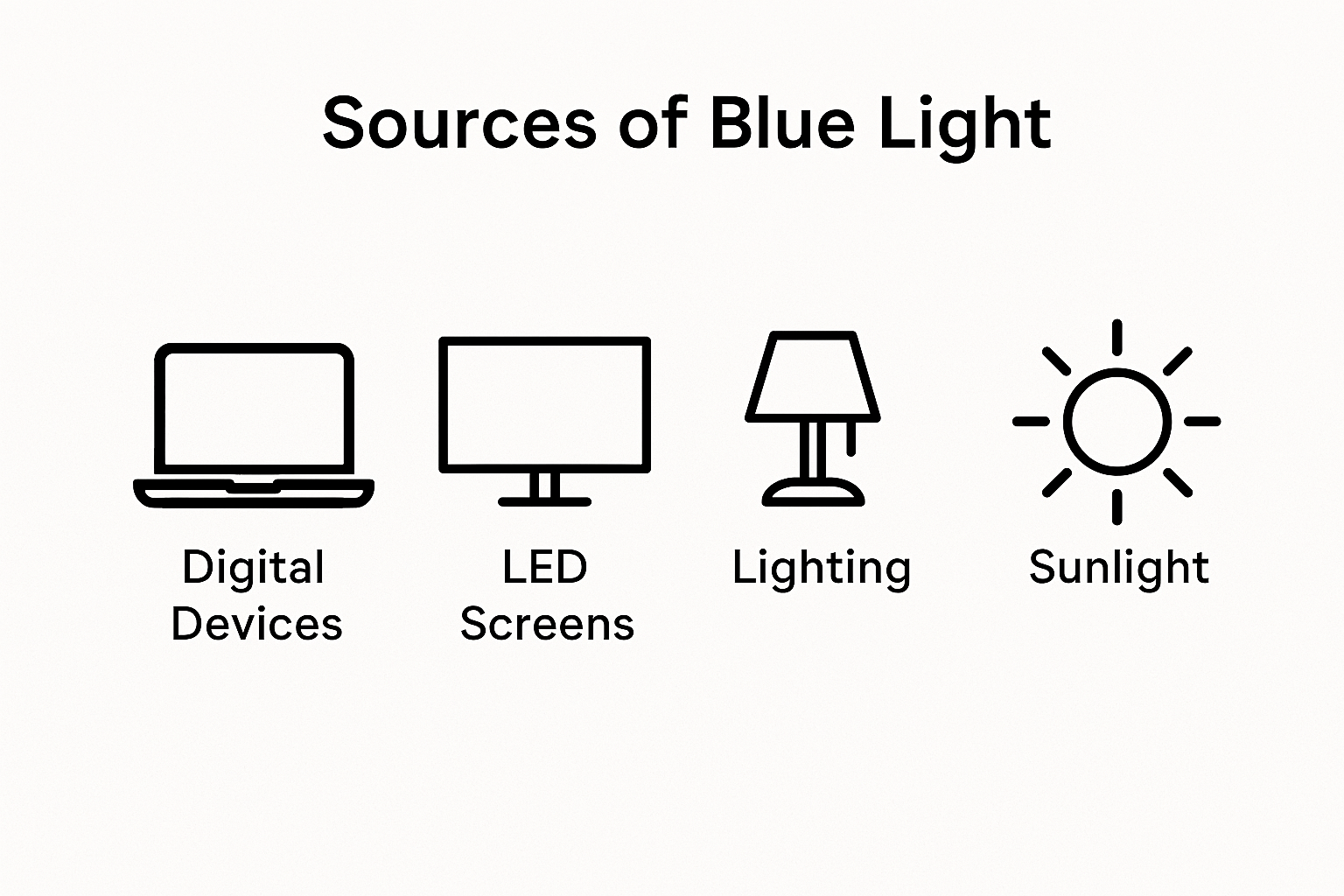
Dr. James: You're absolutely right, Elena. With the explosion of screen time—phones, tablets, LED lights—we're being bombarded with high-energy visible (HEV) light. This blue light wavelength, especially around 400–490nm, goes far beyond eye strain. It suppresses melatonin secretion and disrupts circadian rhythm, even with just 30 minutes of nighttime exposure.
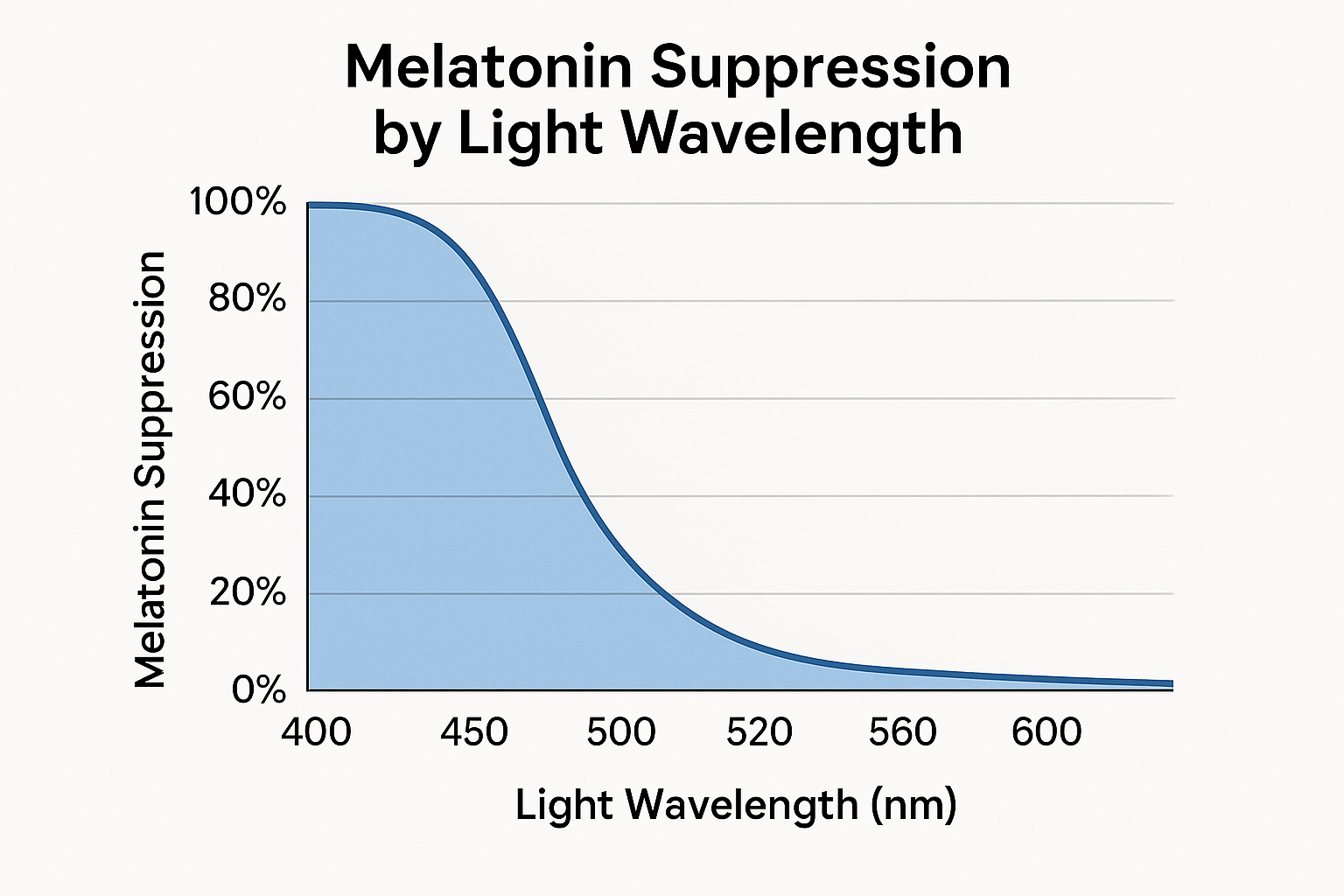
Dr. Elena: And when our circadian rhythm is thrown off, it’s not just sleep that's affected, right?
Dr. James: Exactly. Disrupted circadian rhythm throws off your cortisol rhythm, insulin sensitivity, and even thyroid function. There's increasing evidence that this contributes to metabolic syndrome, anxiety, and reproductive health issues.
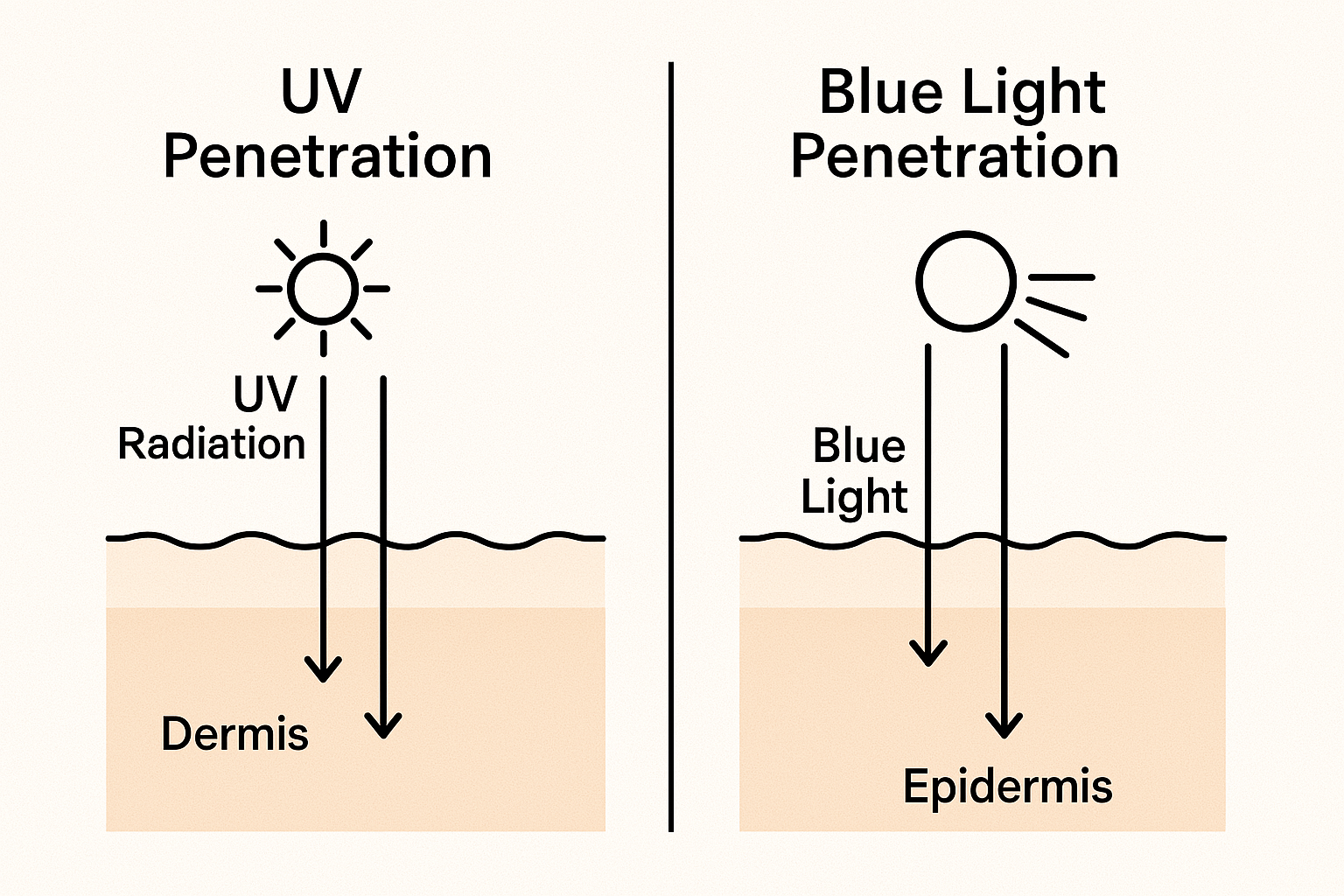
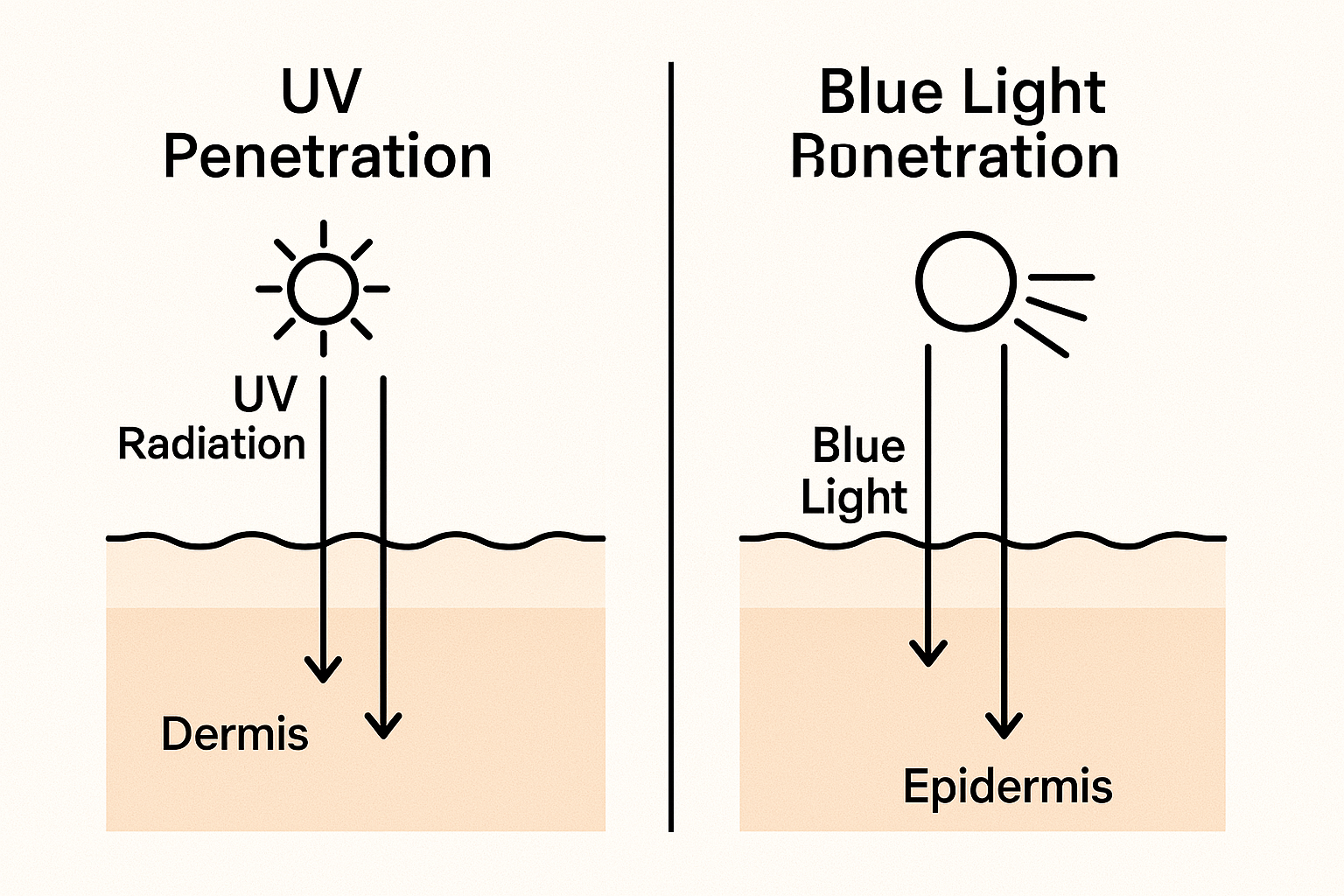
Dr. Elena: On the dermatology side, blue light triggers oxidative stress in skin cells. Unlike UVA/UVB rays, HEV penetrates deeper into the dermis and creates free radicals without heat or immediate burning. This accelerates aging by breaking down collagen and depleting antioxidants like Vitamin E.
Dr. James: That’s disturbing. So, we’re aging faster just by scrolling at night?
Dr. Elena: Pretty much. Some studies even show increased hyperpigmentation, especially in people with medium to dark skin tones, because blue light activates melanogenesis.
Dr. James: Now let’s not forget the hormonal side. Melatonin suppression affects sleep, but melatonin is also anti-inflammatory and anti-cancer in multiple organs. Less melatonin equals more systemic inflammation.
Dr. Elena: There's also emerging research suggesting that constant exposure to blue light alters gut microbiome circadian behavior. That’s not just a skin issue—it's total body health.
Dr. James: I think this is where wearable tech and biohacking tools come in. Have you tried blue light blocking glasses?
Dr. Elena: I wear them religiously after 7PM. It’s not a gimmick—the orange or amber lenses filter out up to 98% of blue light. I also use apps like f.lux or Night Shift on my devices.

Dr. James: Another interesting tip for readers: try red-light therapy before bed. Studies show it may counteract the oxidative impact of blue light, plus it stimulates collagen production.
Dr. Elena: Also, apply topical antioxidants like niacinamide or vitamin C in your night skincare routine to buffer against blue light–induced free radicals.
Dr. James: For hormonal stability, I recommend clients use amber lights or salt lamps in the evening and avoid LEDs overhead. Lower light intensity helps reset melatonin production.
Dr. Elena: Would you say this topic is still under-recognized?
Dr. James: Totally. Most people think of blue light as just an eye issue. But it’s a silent endocrine disruptor and a biological stressor that operates beneath awareness.
Dr. Elena: I’d love to see schools, workplaces, and even hospitals start adopting circadian lighting systems. The benefits for mental, hormonal, and skin health would be immense.
📌 Science-Backed Takeaways
- Blue Light = Circadian Disruptor: Alters melatonin, cortisol, and insulin cycles
- Accelerated Skin Aging: Induces oxidative stress and degrades collagen
- Hyperpigmentation: Especially in Fitzpatrick III-VI skin types
- Melatonin Matters: For more than sleep—it protects your DNA
- Gut-Skin-Hormone Axis: Blue light affects your entire system
🦷 Oral-Brain Health Self-Check: Is Your Gum Health Affecting Your Mind?
🙋♀️ FAQ – Blue Light, Hormones & Skin
Q1. Is blue light really worse than UV light?
Yes and no. UVB causes direct DNA damage (sunburn, cancer), but blue light penetrates deeper into the skin and causes chronic oxidative damage, which is harder to detect but just as harmful long-term.
Q2. How does blue light impact hormone production?
Blue light suppresses melatonin, which disrupts your circadian rhythm, leading to altered cortisol, insulin, and thyroid hormone levels. This can increase fatigue, weight gain, and mood disorders.
Q3. Can skincare really protect against blue light?
Yes. Antioxidants like vitamin C, niacinamide, and ferulic acid help neutralize free radicals caused by blue light. Some sunscreens now include iron oxides, which specifically block HEV light.
Q4. What are signs that blue light is affecting my health?
- Difficulty falling asleep
- Waking up tired despite 8 hours of sleep
- Skin dullness or dark spots
- Eye strain and dry eyes
- Afternoon energy crashes
Q5. Are kids more vulnerable to blue light exposure?
Absolutely. Their lens transparency is higher, allowing more blue light into the retina, and their circadian systems are more sensitive. Limit screen time at least 2 hours before bed.
Q6. What tools are best for managing blue light exposure?
- Blue light blocking glasses (amber or red lenses)
- f.lux / Night Shift apps
- Red light lamps for evening use
- Low-blue LED bulbs
- Skincare with antioxidant serums
Q7. Can blue light affect fertility or testosterone levels?
Emerging evidence suggests melatonin-cortisol disruption affects reproductive hormone regulation. Lowered testosterone and disrupted ovulation cycles have been noted in animal models under blue light stress.
Q8. Is natural sunlight better than artificial blue light?
Yes. Daylight contains a full spectrum, including red light which counteracts blue light. Artificial light is often unbalanced, with excessive blue and minimal red wavelengths, which misleads the body’s biological clock.
🧠 Conclusion: Future-Proofing Your Health in a Blue World
Blue light exposure is no longer just a vision concern—it's a whole-body issue that touches everything from hormonal balance to skin integrity. In our modern, screen-saturated lives, understanding and mitigating blue light pollution is no longer optional—it’s essential.
Protecting your circadian rhythm, reducing skin oxidative stress, and supporting hormonal health through small, daily habits like light hygiene and antioxidant care can radically shift your wellness trajectory.
Small changes = big impact. Start with just one: wear blue light glasses, switch your lights to amber, or end screen time 2 hours before bed. Your body and skin will thank you.
💬 We'd Love to Hear from You!
Have you noticed changes in your sleep, skin, or mood after reducing blue light exposure?
Do you use any tools or routines that help with light hygiene?
👉 Drop a comment below and share your experience, tips, or questions!
Let’s help each other build smarter, circadian-friendly lifestyles in this digital world.


